Revised 5/9/2014
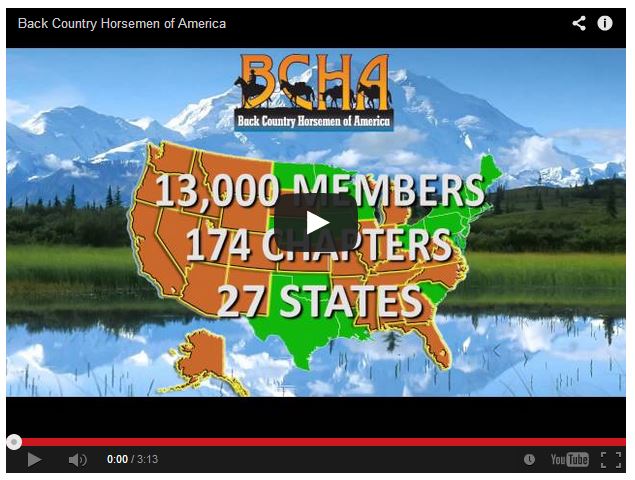
1973 Flathead Valley, Montana
1977 Backcountry Horsemen of Washington
1979 Salmon, Idaho + Montana = BCHA
1981 California High Sierra Stock Users
1986 Constitution adopted by: California, Idaho, Montana, Washington
1996 Grown to 13 states (Arizona, Arkansas, Colorado, Nevada, New Mexico, N. Carolina, Oregon, Utah, Wyoming)
2004 Grown to 19 states (Illinois, Indiana, Missouri, S. Carolina, Tennessee, Virginia)
2005 20 states (Michigan)
2006 Added Georgia (21 states)
2007 Added Alaska and Florida (23 states)
2008 Added Alabama, Kentucky and Wisconsin (26 states)
2009 Virginia (state) + Iron Mtn VA, Ft Harrod KY, Red River KY, Big South Fork TN, Pigeon River & Beyond MI; lost S. Carolina
2010 Added West Virginia (state); Lost Wisconsin (25 states)
2011 Black Hills South Dakota (state) (26) East Coast Florida BCH (affiliate)
2012 None
2013 None
2014 Arkansas (state), Florida (state), Kansas (State) 27 states

Personal Protective Equipment (Required to work in the National Forests)
(Health and Safety Code Handbook chapter 70, section 72)
Items that must be included in the JHA:
(Chain Saw Operations) (Crosscut Saw Operations)
• Forest Service-approved hardhat • Forest Service-approved hardhat
• Eye protection • Eye protection
• Appropriate gloves • Appropriate gloves
• Heavy-duty, cut-resistant Boots • Heavy-duty, cut-resistant Boots
• Hearing protection • (Not required)
• Long-sleeved shirt • (Optional)
• Chain saw chaps • (Optional)
Chain Saw & Crosscut Training Student’s Guidebook (PDF)
Chain Saw use and Maintenance (PDF)
Chain Saw Tasks and Techniques (PDF)
Cross Cut
Crosscut Saw Tasks and Techniques (PDF)
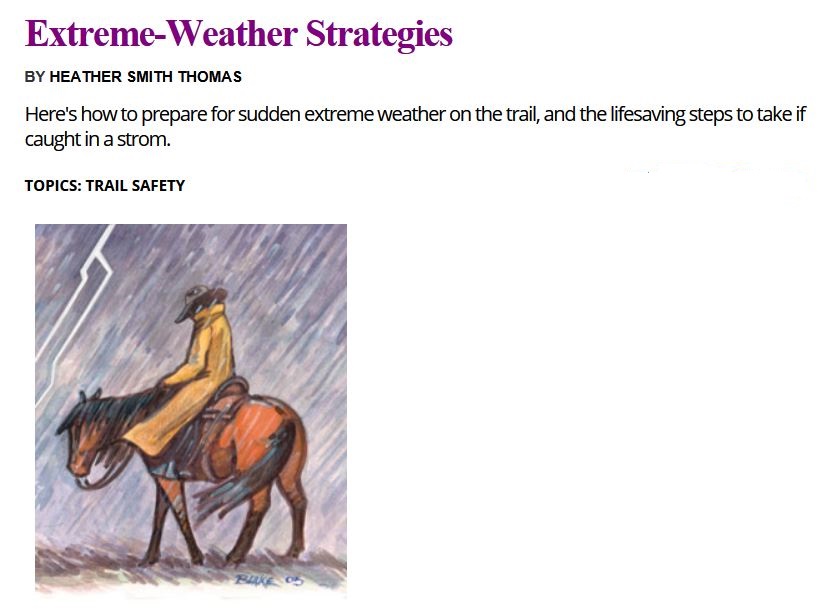
It’s a beautiful morning, and you’re eager to get out on the trails. The weather forecast calls for a chance of moderate afternoon winds and a slight chance of rain. But you’re not worried. When you set out, the skies are clear, and you plan to be home by lunchtime. Besides, a little rain never kept you home – and you’ve packed a jacket, just in case. By midmorning, however, the weather suddenly deteriorates. You’re miles from home, and the wind is gusting up to 60 miles per hour. Dark thunderclouds boil up. Heavy rain pounds down. Then the hard rain becomes punishing hail. Your horse tries to swing his rump to the storm. As you try to keep him on track, he stumbles and falls to his knees. Visibility is almost nil. Now, you’re truly scared. What should you do? Dismount and seek shelter, or quickly head for home – if you can find your way? How could you have better prepared for such a storm? Here, we’ll tell you how you can prepare for six types of extreme weather conditions that might hit singly or together – high wind, drenching rain/thunderstorms, lightning, hail, snowstorms/blizzard, and extreme cold. Then we’ll tell you the course of action you should take in each case to help keep you and your horse safe, tell you what not to do, and provide expert tips. We’ll also give you six additional survival tactics and a list of resources for extreme-weather gear. Read More!
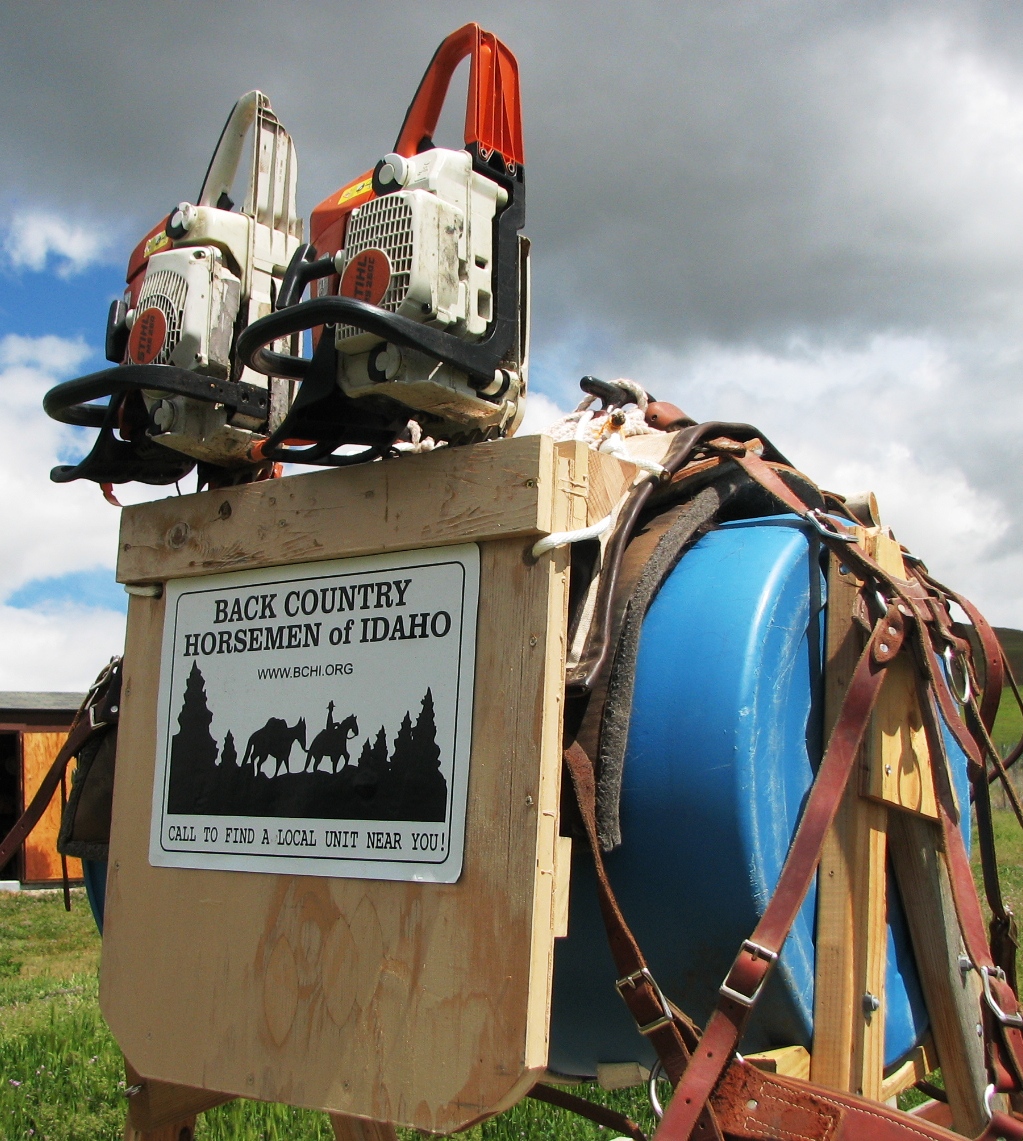
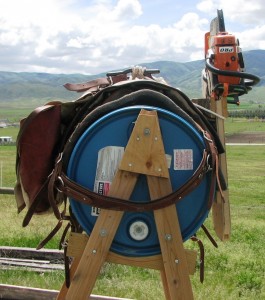
In the past at pack clinics, we have used live stock or a combination of stock and a packing dummy. At this year’s clinic in May, we are focusing on 4H horse groups and with a group of kids learning to pack, live stock just adds to the confusion and may result in someone getting hurt. We have a very nice pack dummy, Woody the mule, but for this clinic having a couple more would be better. I had a couple of the blue plastic 55 gallon drums and thought they would make good pack dummies. Read More!
BCHA ensures you, your children, and future generations can enjoy the wonder, beauty, and joy of unspoiled landscapes and viewscapes. Help us stay on the job!
Robbin Schindele produced and directed this video!
Why the Campaign?
Because our trails on public lands need you.
Like you, the men and women of Back Country Horsemen of America (BCHA) care about protecting and sustaining a safe and accessible outdoor experience for our families and future generations. But we can’t do it alone. We count on our partners and you to help us preserve access to public lands. In 2012, only 37% of the 158,000 miles of National Forest Service trails received basic maintenance. Only one-quarter of these trails meet standard regulation for public use.
Gaps of investment, oversight, and maintenance point to a future with fewer sustainable trails in our 144 National Forests.
Please take a few minutes to support and share our campaign! Trails may be owned by government entities, but volunteers are needed to keep them open and maintained.
A National Foundation has posted a Challenge Grant of $25,000 when we hit our goal! That means for every $1 you donate .50 cents will be added to your donation when we reach our goal!
The Untrammeled video .
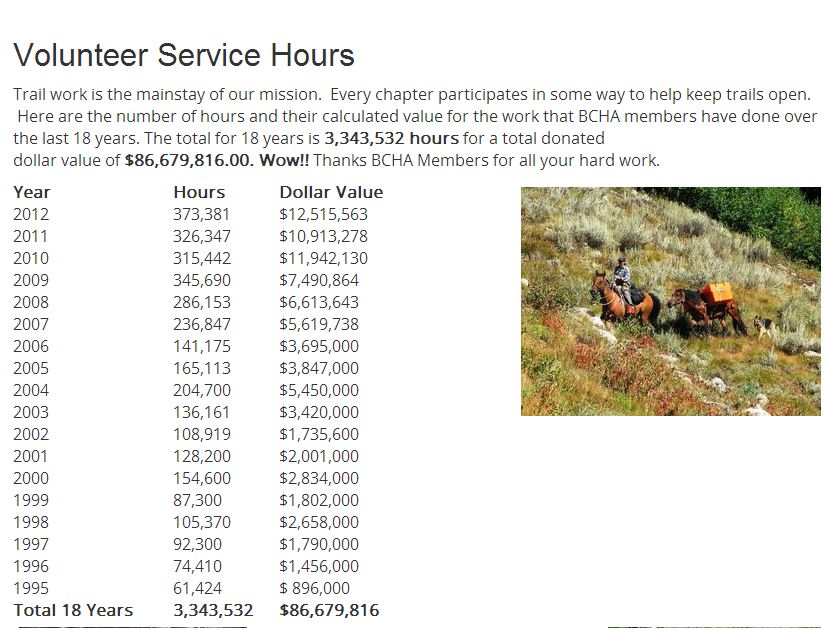
BCHA National Board Meeting Live Broadcast

For the first time the Back Country Horsemen of America will broadcast live the National Board Meeting along with Announcing the “Keep Trails Open For You” Campaign. Please join in April 23rd to 26th.
CLICK HERE IS GO TO LIVE VIDEO FEED
Live Video Streaming Schedule
Wednesday, April 23 All Times Eastern Standard Time
- 8:30 am – 10:15 – BCHA NBM Opening; Speaker Joe Meade Director, USFS for Recreation, Heritage and Volunteer Resources
- 1:00 pm – 2:45 pm – Boardsmanship; Chairman’s Report; Resolutions
- 3:15 pm – 5:00 pm – Speaker Amos Tuck Program Coordinator, Coosa River Basin Initiative
Thursday, April 24, Public Lands Day All Times Eastern Standard Time
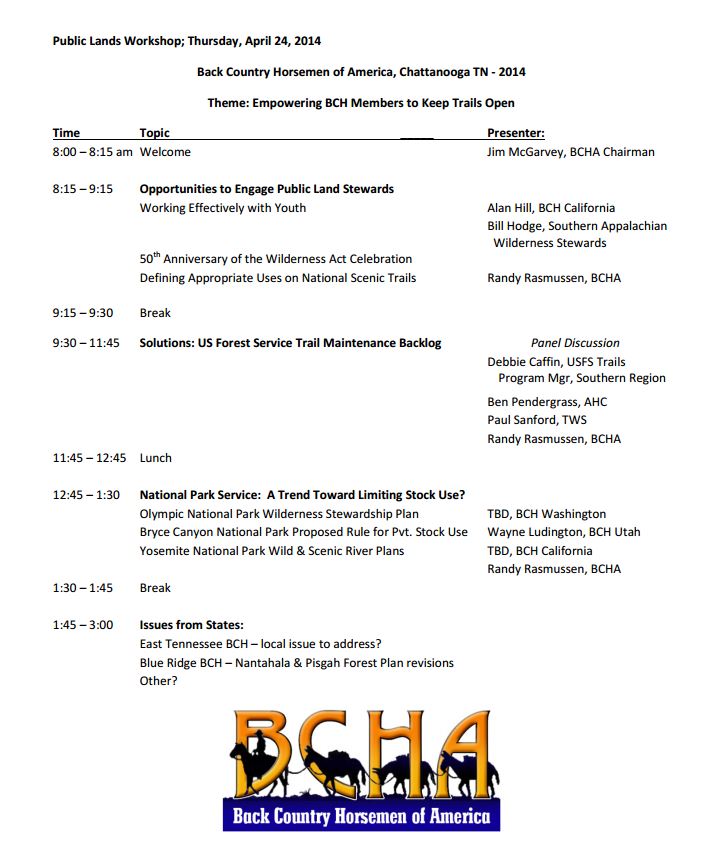
- 8:00 am – 9:15 am – “Opportunities to Engage Public Lands Stewards – Working Effectively with Youth”
- 9:30 am – 11:45 am – Solutions: USFS Trail Maintenance Backlog – Panel Discussion
- 12:45 pm – 1:30 pm – National Park Service: A Trend Toward Limiting Stock Use; Joining via Skype Bob Ratcliffe, NPS Chief, Conservation and Outdoor Recreation Program
- 1:45 pm – 3:00 pm – Issues from States
Friday, April 25 All Times Eastern Standard Time
- 8:00 am – 9:45 am – Movie “Untrammeled”; Strategic Plan
- 1:00 pm – 2:30 pm – Nominations; Elections of Officers and EC Members; BCHA Foundation Report
- 3:00 pm – 5:00 pm – Election Results; Roll Out of Initiatives
- 7:00 pm – 9:00 pm – ONLINE CROWD FUNDING START
Saturday, April 26 All Times Eastern Standard Time
- 8:00 am – 9:40 am – Committee Reports
- 10:15 am – 12:00 noon – Committee Actions; Resolution Reports; Executive Committee Actions
- 1:00 pm – 3:00 pm – Discussion of 2015 and 2016 NBM’s; Conclusion of NBM
NOTE: Videos will also be available for later viewing
– See more at: http://www.backcountryhorse.com/blog/2014/04/16/bcha-national-board-meeting-live-broadcast/#sthash.Q9IVLWEY.dpuf
Notes from the National Board Meeting:
TO: Jim McGarvey
Subject: Four things
1. Thank you for everything you did to make it a great meeting!
2. I have asked everyone to get me numbers for monies owed by the 5th so will have it all to you by then
3. The embroidery guys contact information is Eric Craig – The Cad Company 404-392-3356 mail@cadcompanies.com He can put new logo on anything!
4. Recipe Requested after BarBQ
Recipe: Blue Cheese Cole Slaw
1 Bag of the Angel Hair Cole Slaw
¾ cup of Hellman’s Real Mayo
4 oz. block of Blue Cheese – crumble it (we used the Kroger Private Selection) Sprinkle salt, white pepper and sugar over the top.
Let sit for a couple hours before serving… may get too soupy if made the night before.
Thanks again!
Cindy Mitchell-McGarvey
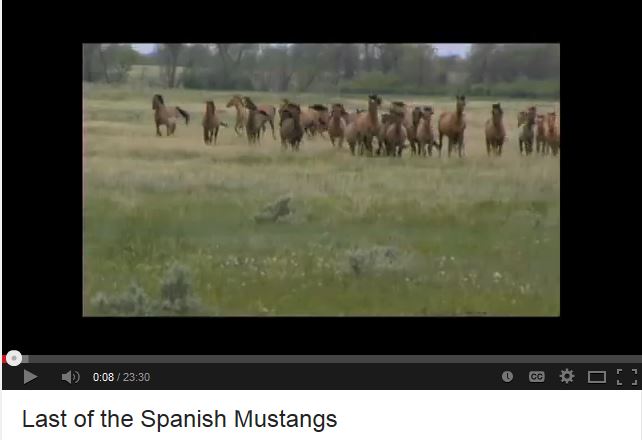
The Spanish Mustang is a horse breed of historical importance. They descend from horses introduced from Spain during the early conquest of the Americas. They are a type that today is mostly or wholly now extinct in Spain.[1] They are classified within the larger grouping of the Colonial Spanish horse.
Spanish Mustangs today are primarily domesticated horses but are sometimes confused with the feral American Mustang. The latter animals are descended from both Spanish horses and other feral horses escaped from various sources; they run wild in protected Herd Management Areas (HMAs) of the western United States, currently managed by the Bureau of Land Management (BLM), and to a lesser degree, in Canada. DNA studies indicate that Spanish breeding and type does still exist in some feral Mustang herds, including those on the Cerbat HMA (near Kingman, Arizona), Pryor Mountain HMA (Montana), Sulphur HMA (Utah), Kiger HMA and the Riddle Mountain HMA (Oregon). The true Spanish Mustang as a modern breed differs from the “wild” American Mustang in appearance and ancestry.
The Last of the Spanish Mustangs
This is the 1/2 hour show that aired in Phoenix and Tucson. It drew a 4.4/8 rating with no promotion, highest in its time slot in Phoenix. People are interested in wild horses. This show also won the Associated Press award for best enterprise news.
Wild Mustangs PBS Documentary Untamed Legacy
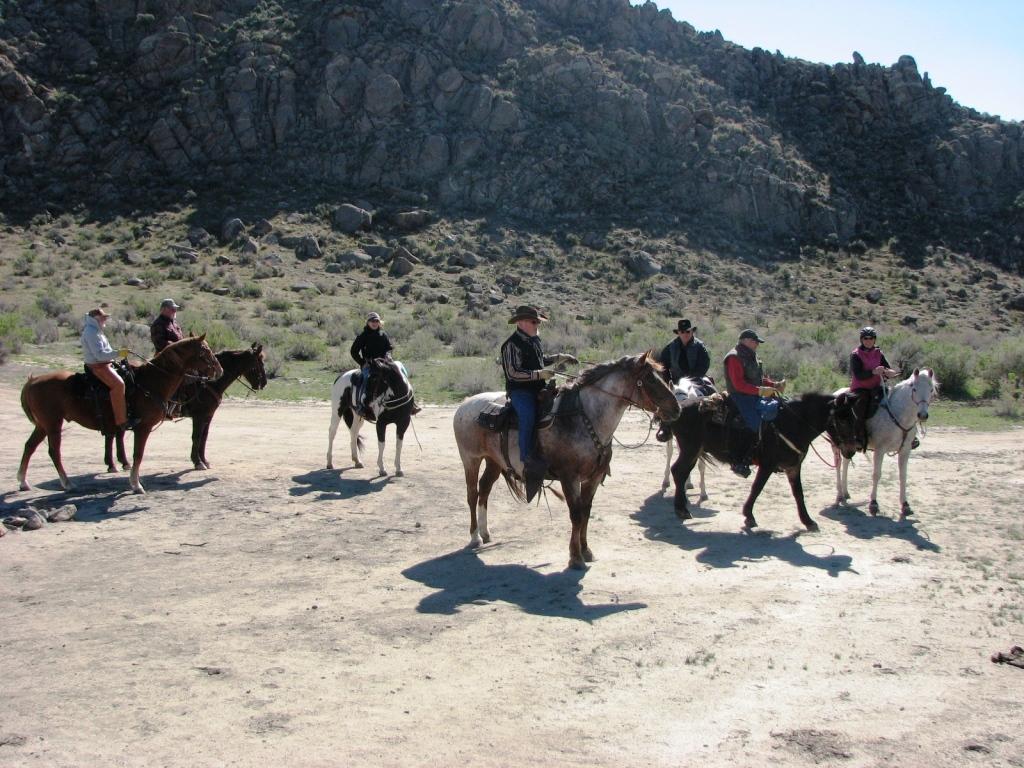
Sometime after 1864 Chinese laborers constructed an impressive rock wall and ditch on each side of lower Reynolds Creek. It will still acquaint you with the kind of countryside that has been protected in the new Owyhee Canyon lands wilderness bill. This is a non-motorized hiking area that’s also open to mountain biking and horseback riding. The area is managed by the BLM.
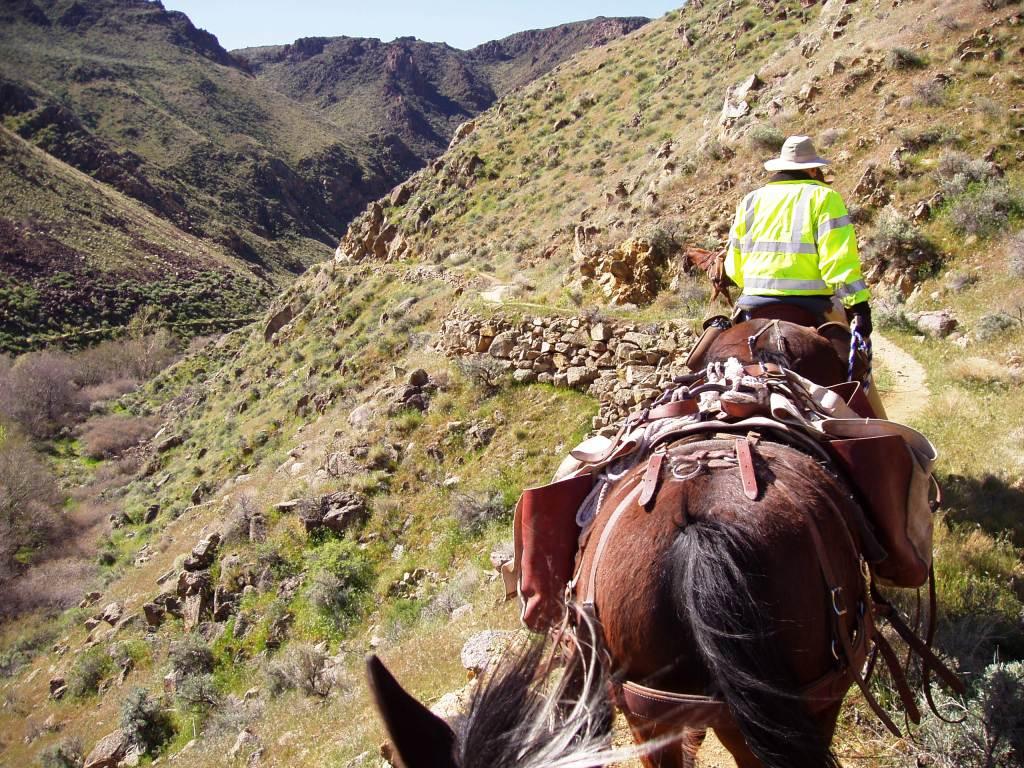
Riding the ditch wall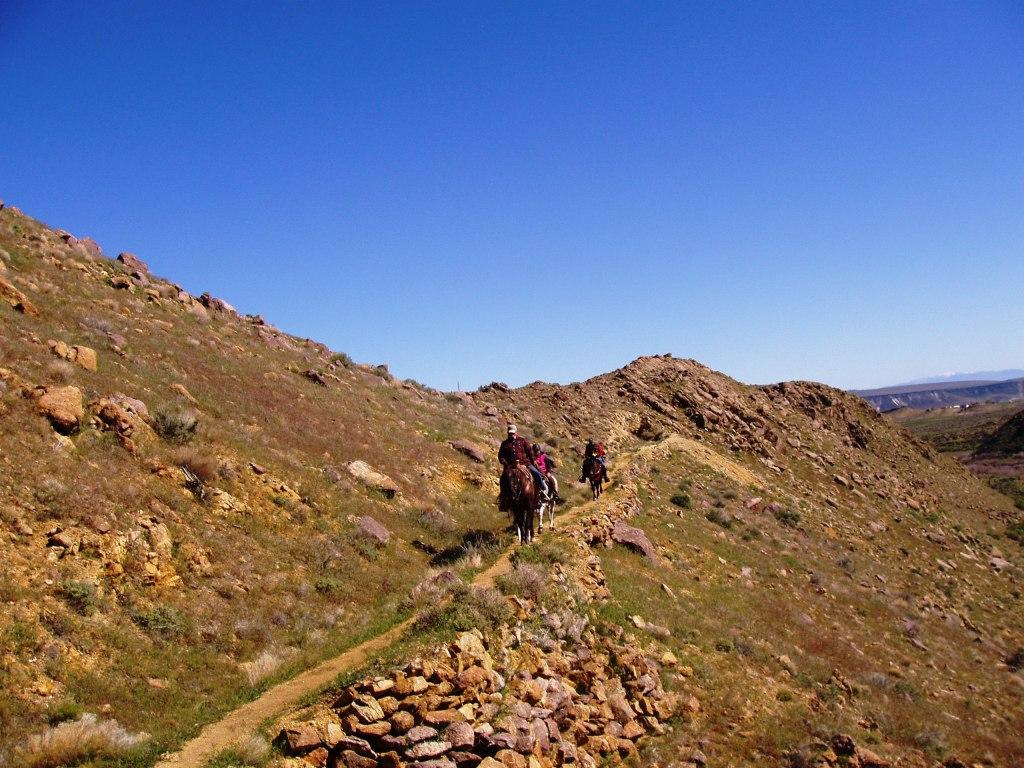
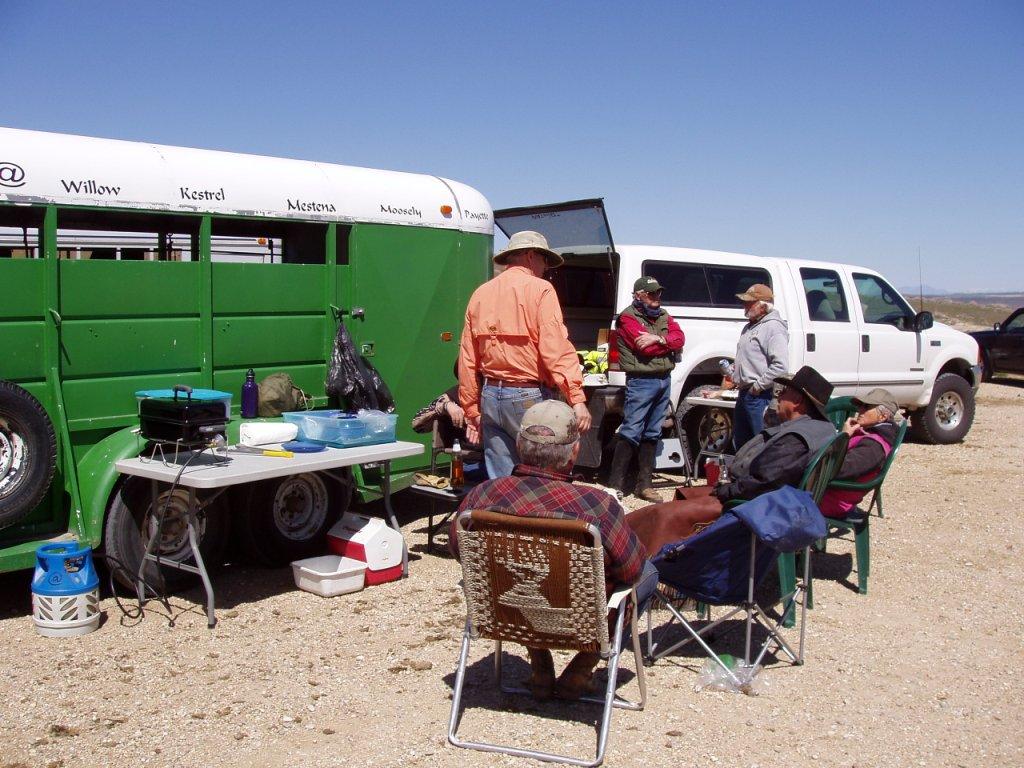
Enjoying the Pot Luck after the ride
Dear BCHA members,
Bryce Canyon National Park has proposed changes for users of privately-owned stock on designated horse trails within the park. The changes are intended to ensure the safety of all visitors and to protect park resources. The park initiated a public comment period on the proposed changes for 30 days beginning March 26, 2014.
The changes proposed by Bryce Canyon National Park include a requirement that all horseback riding must be coordinated with the park’s authorized trail-ride concessioner, prior to entering the park. Of concern, however, is that private stock users also would be required to the pay a substantial fee to the park’s concessioner to guide and accompany all privately-owned stock riding groups for the duration of their trip over any portion of the eight miles of park trails available for stock use.
The fee that would be charged by the concessioner for this service would be based on the number of riders, up to eight riders per guide. The proposed fee schedule would range from $100 for the first rider to $345 for eight riders.
For more information, view the Park’s website here:
http://www.nps.gov/brca/parknews/proposed-rule-change-for-private-horse-use.htm
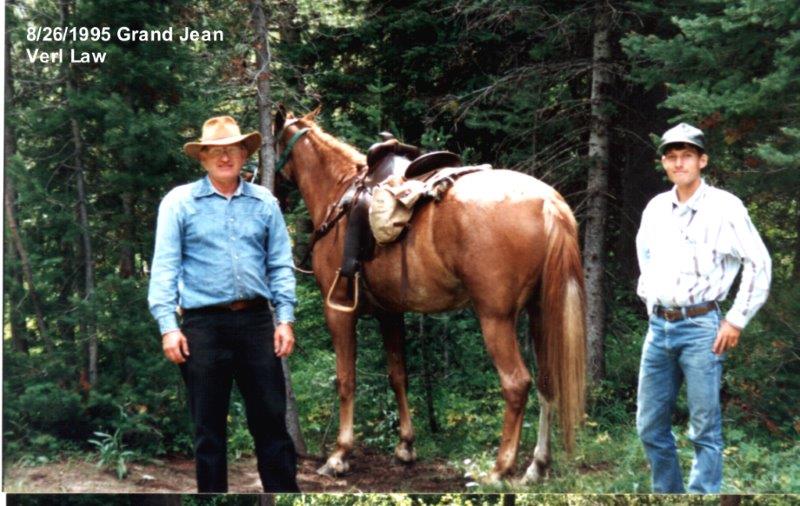
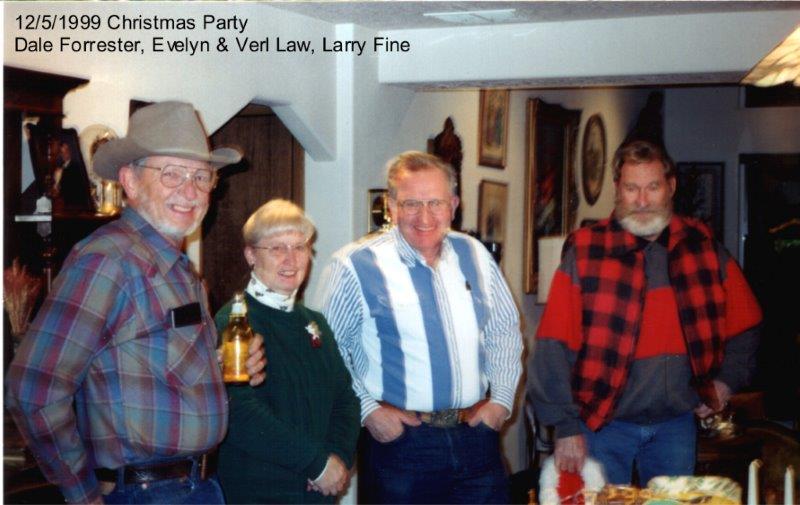
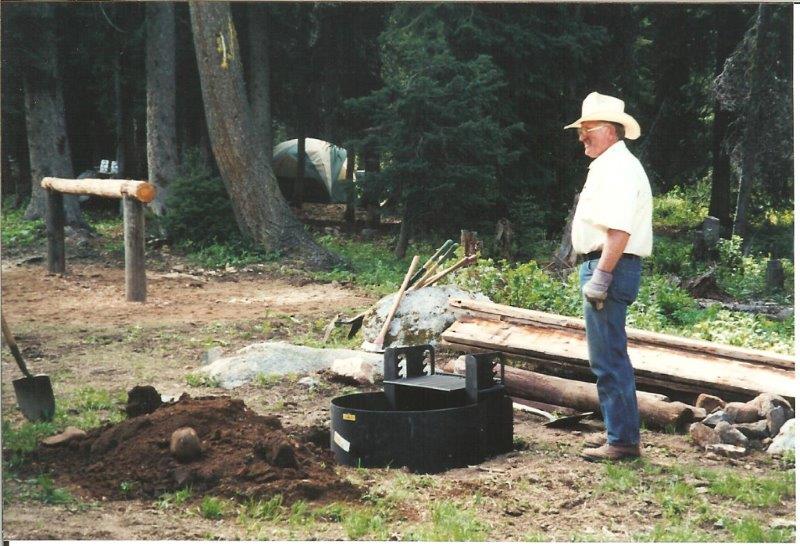
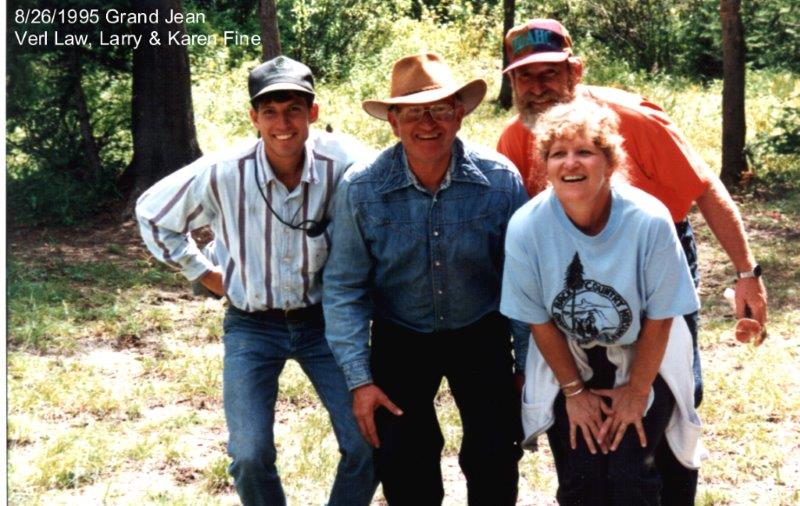
Squaw Butte’s founding member Verl J Law (1992-2003) has left us for a new wilderness.
Verl J. Law, 68, of Emmett, Idaho, died Wednesday, April 2, 2014 at his home. Services were held at 11 a.m. on Tuesday, April 8, 2014, at Emmett LDS Stake Center. Burial is at 11 a.m. on Thursday, April 10, 2014, at the Brigham City Cemetery in Brigham City, Utah. Services are under the direction of the Potter Funeral Chapel, Emmett.
BCHI State Board Meeting and Convention, hosted by the Selkirk Valley BCH on March 21 and 22nd was a great success and tons of fun, says SBBCH Roving Reporter, Marybeth Conger
The Weather God was looking out for those that made the trip too, as roads were clear and dry. The views of the northern Idaho landscape to include some Moose and Elk sightings were awesome. Due to the distance (appx 1,000 round trip) there was some major carpooling going on. A big thanks to Phil and Kay Ryan, Robbin Schindele, Bill and Marybeth Conger and Roger Segers who represented the Squaw Butte Chapter well at the State Board and State Foundation Meetings.
It is apparent that the Squaw Butte Chapter is active, both locally and statewide, as 4 of the 4 resolutions discussions items came from us. So let’s recap these Proposals. The State Insurance Proposal, presented by Bill Conger, BCHI Insurance Chairman passed. This mean the State established a policy that at PUBLIC EVENTS dogs must remain contained in camp, and no alcohol shall be sold unless by a licensed caterer.
Then our State and BCHI National Director Robbin Schindele, presented another Proposal dealing with Crowdsourcing and this too passed. So BCHI will be donating$ 2500.00 BCHA to show support of our National organization. In fact, the BCHA chairman called to thank us that day!
Next Marybeth Conger, Alternate State Director presented the proposal on the Calendars and this failed. The Consensus felt it was better to print 2,000 calendar with the intent to sell them all. Of interest though, when the call was made for each individual calendar to commit, the State was about 200 short of the 2,000 mark. This roving reporter found this very interesting.
The last proposal dealing with the importance of growing our organization with increased chapters and increased members within our chapters was presented by Marybeth and became more of a discussion item. It was interesting hearing what other chapters are doing to grow. There continues to be more emphasis on youth projects and the scholarship idea from Panhandle was just one of these. Also, the State Board approved CONDITIONALLY the Palouse Chapter of BCHI, which is up north. Plus there is some interest to start a chapter is the South East area of our state. So it looks like BCHI is looking at ways to grow.
Roger Segers, our Foundation Director attended the Foundation meeting and reminded us to use the Foundation. There is still monies available for Education and Trail work.
Now that we have covered the business part of things, the Convention was just plain FUN. The Food of delicious, and the Speakers were informative and had great presence. Although I could have missed a few of the Trappers graphic photos right before dinner, his message was excellent. The Mayor was a kick and we learned that the Selkirk Valley has more law enforcement due to the proximity of the Canadian border. There was a lively auction and some folks brought home a few special treasures, so you never know when one of them might show up. It was great spending time with BCHI friends from all over the state. All for now!
Photo Contest Results
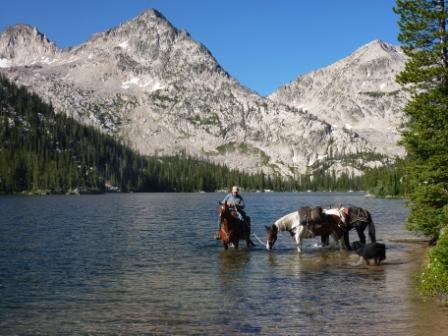
Devon Mills
1st Place
People Choice
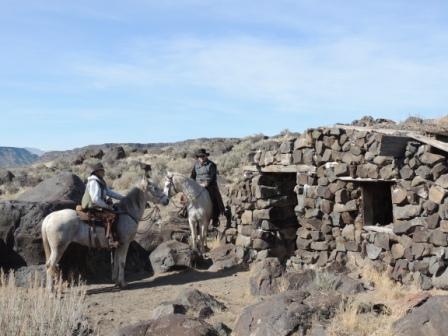
- Rob Adams
2nd Place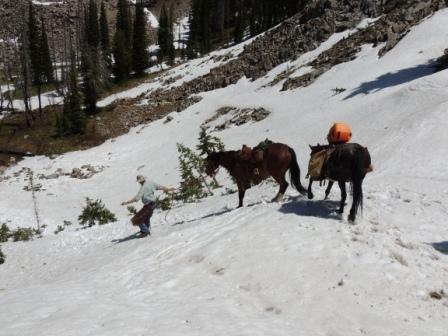
- Laurie Bryan
2nd Place
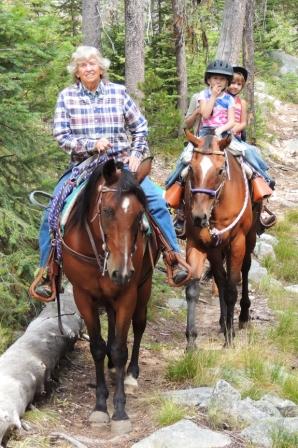
Laurie Bryan
2nd Place
Hello BCHA and the Media,
Attached is a press release for your information and to please pass on to the members. Also attached are two group sign-on letters that BCHA and The Wilderness Society generated regarding the US Forest Service trail maintenance backlog–one was sent last week to all members of Congress, the other was sent to the Chief of the USFS.
The press release is ready to go.
Peg
Peg Greiwe, Executive Secretary
Back Country Horsemen of America
PO Box 1367
Graham WA 98338-1367
360-832-2461
www.backcountryhorse.com
TRAILS Legislation Letter 3-25-14 FINAL
BCHA-TWS Trails release – FINAL
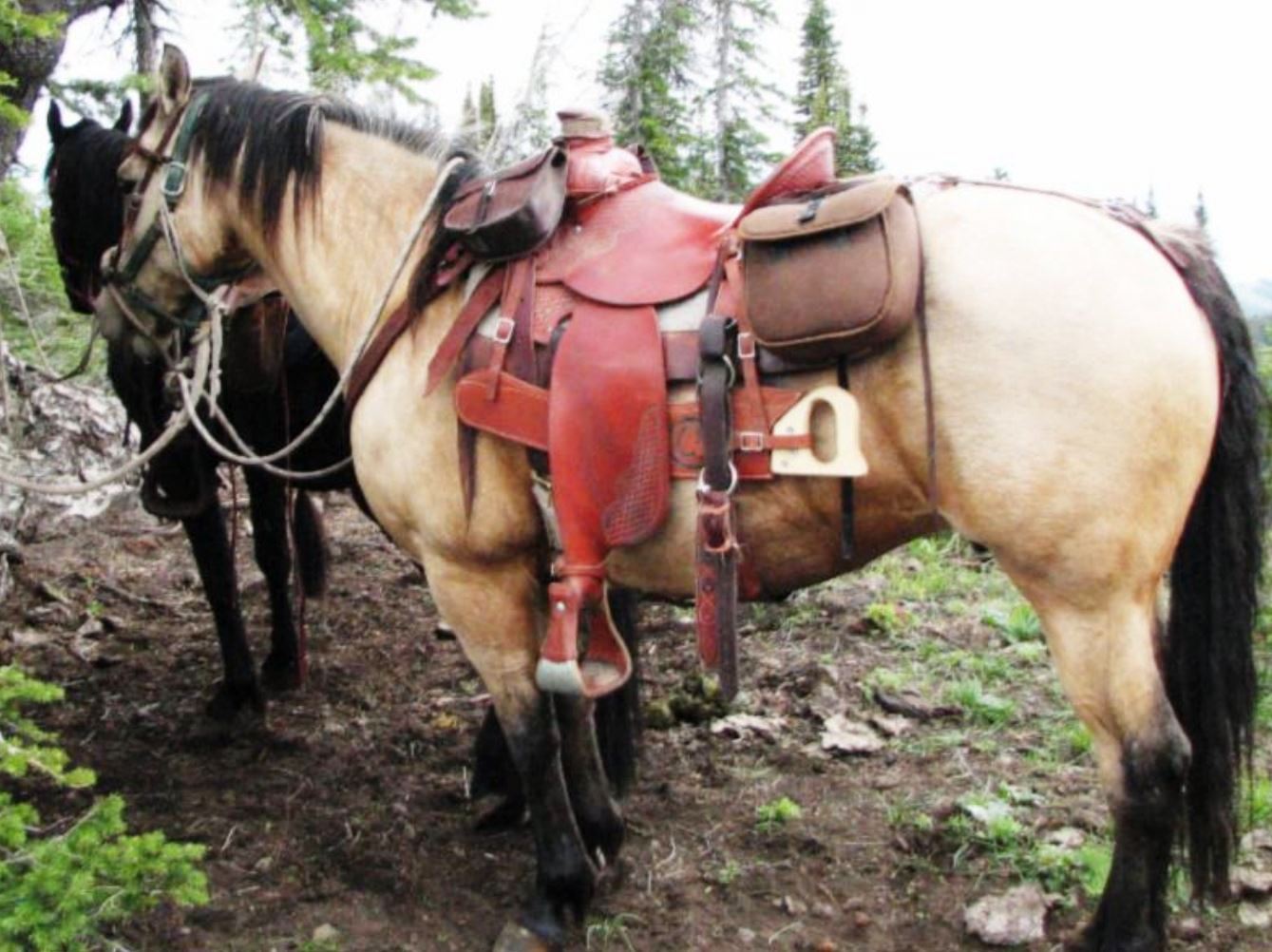
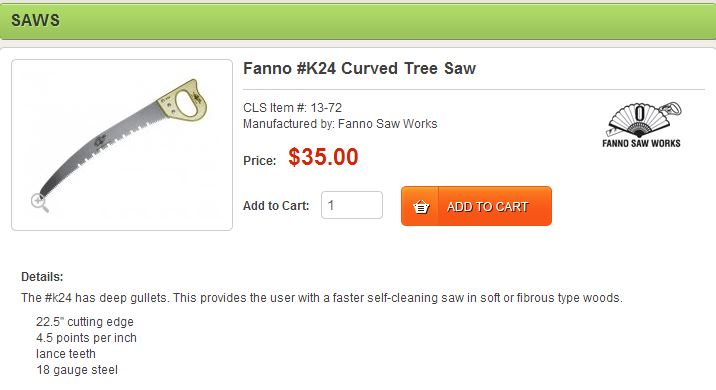
For years I have carried a great trail saw on my saddle that I got from Sawtooth Outfitter. They no longer carry them but I did find out where you can get them. The one I like is the Fanno K24 curved tree saw. You can make a saw sheath or the are available to order. Here a a good video on care of your saw.
Fanno Saw Works
Address: 224 W 8th Ave, Chico, CA 95926
Phone:(530) 895-1762
http://www.fannosaw.com/
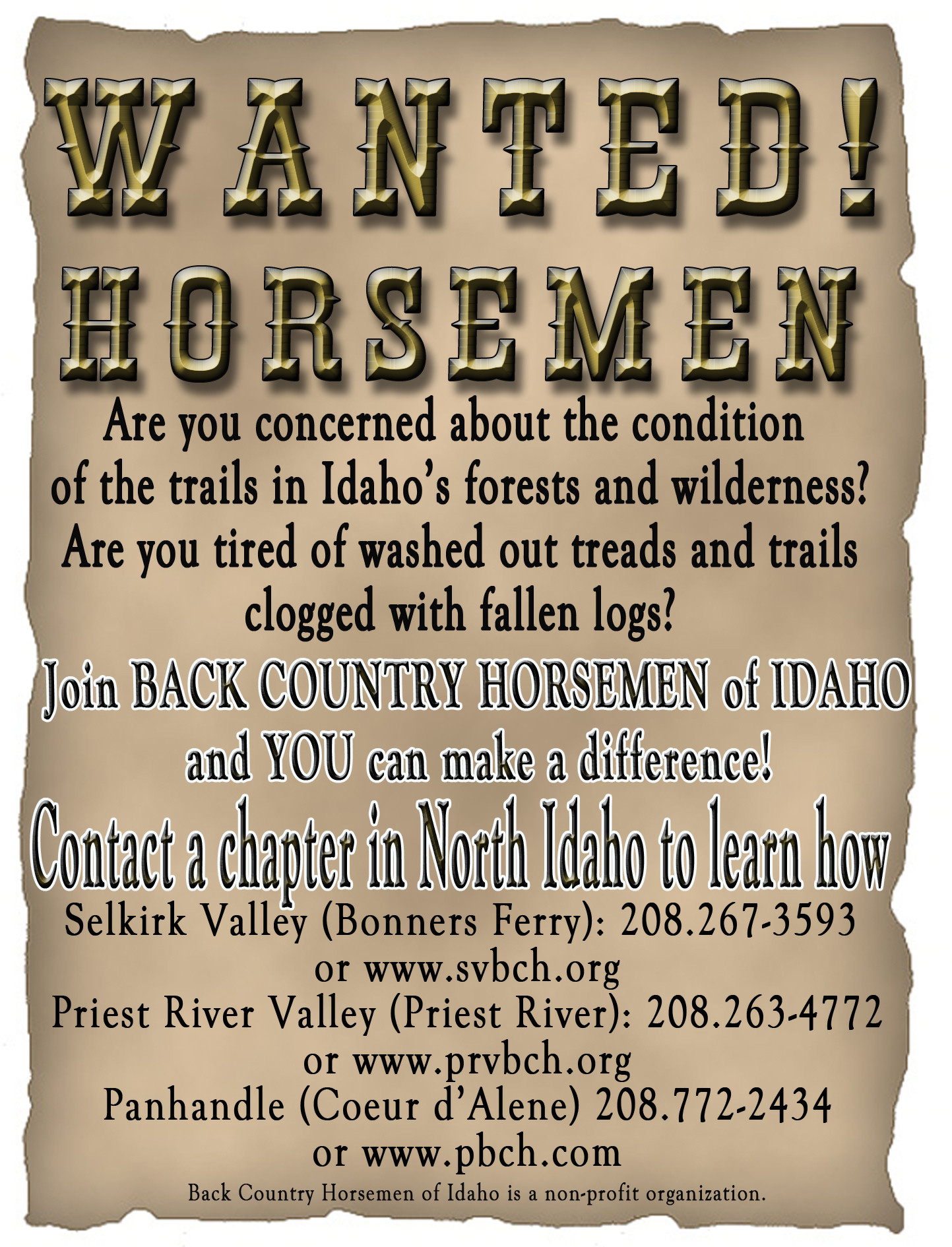
The Back Country Horsemen of Idaho’s annual convention was hosted in Bonners Ferry by the Selkirk chapter of the organization. The Selkirk chapter is centered in Bonners Ferry. Back Country Horsemen of America is a national organization with state organizations that have chapters located throughout the state.
Twelve Idaho chapters joined the Selkirk chapter at the Kootenai River Inn to get together to discuss current business. The organization’s mission is to promote the common sense use and enjoyment of horses in the back country. BCHI works with the Forest Service to keep trails open to horseback riders and to maintain and build trails. BCHI also promotes the use of horses on the trails and works to
educate horsemen of all ages to participate in sustainable use of forest trails by horseback. All who have interest in riding the back country of Idaho are welcome to join. It is a very close knit group of riders who have the same goal of keeping horseback riding available on the forest trails.
2014 Convention Report 2014 SBD Meeting Minutes 2014 Convention Minutes
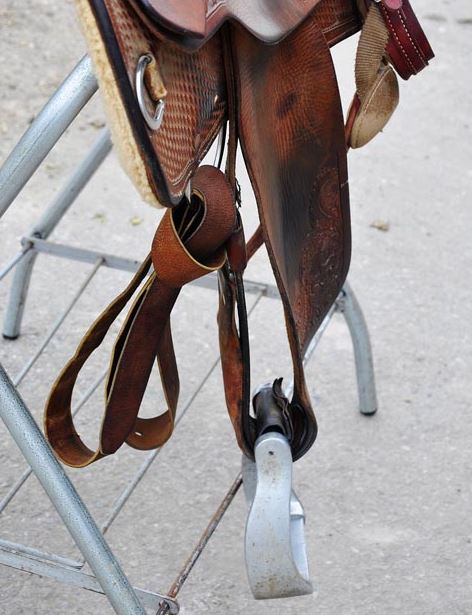
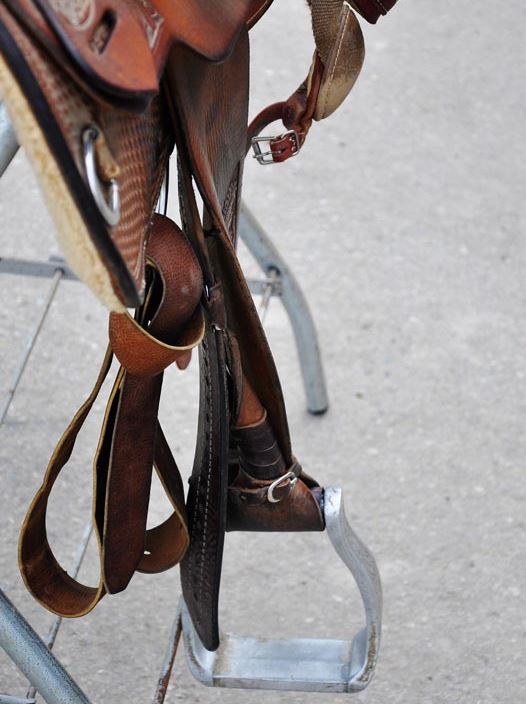
Ever purchased a new saddle and after the excitement of you new ride wore off, realized your legs would take a beating as you try in vain to mold your fresh leather stirrups fenders into a comfortable position? You constantly turn your ankles outwards in an attempt to get that perfect placement and lose your horsemanship in the process… OR you get the brilliant idea of leaving a broomstick handle through your stirrups, with the fenders flipped outwards when the saddle is not in use?
Well, never again! Here’s a quick and easy fix to get your stirrup fenders in the perfect position for your ankles – with your toes facing forwards. How To Do a Texas Roll
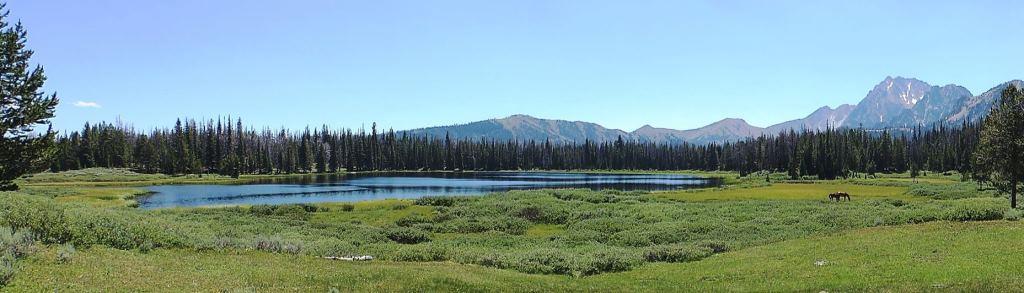
Interior Secretary Sally Jewell may want an official invitation from the state’s congressional delegation to study the Boulder-White Clouds National Monument proposal, but that’s unlikely to happen.
All four Idaho Republican senators and representatives expressed opposition in February to use of the 1906 Antiquities Act by President Barack Obama to designate the central Idaho mountains as a national monument.
“I think we would be very happy to meet with the community, whoever invites us,” Jewell said in Boise on Monday.
 The Stanley City Council authorized letters last week asking Jewell and Agriculture Secretary Tom Vilsack Thursday or their staffs to meet with the council on or about June 12.
“We want them to explain their intent in more detail and exactly what measures would be required in a management plan to protect the historic, scientific and cultural values,” said Councilman Steve Botti.
Designation of a 570,000-acre Boulder-White Clouds National Monument has emerged as a serious option, especially since the death of Idaho Rep. Mike Simpson’s bill. His bill would have protected swaths of wilderness while preserving some popular ATV and motorcycle trails. A monument can be created with a president’s signature and does not require congressional action; it also has more flexibility in its implementation than does land designated wilderness, which generally bans all mechanized uses, including bicycles.
Press Release 03/20/2014 Secretary Jewell Announces Order to Implement Youth Initiative
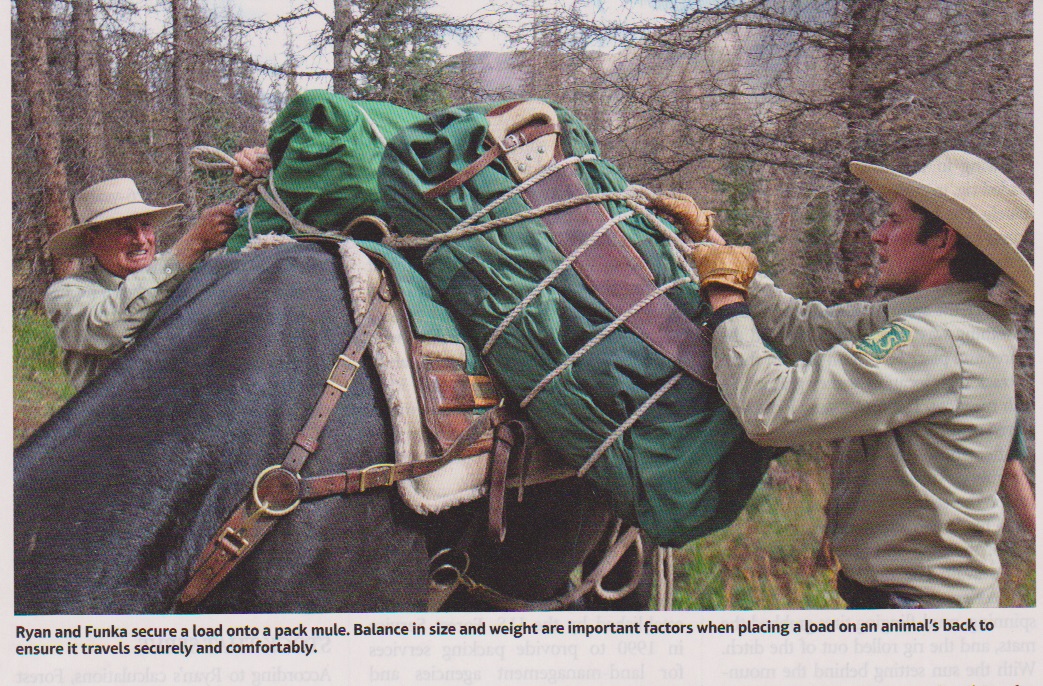
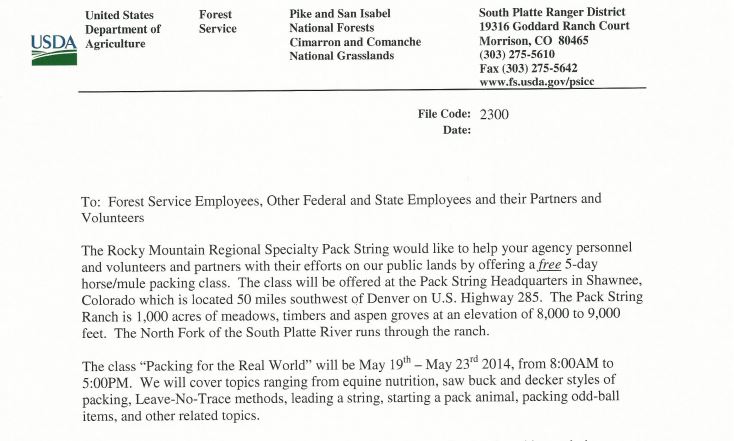 Read more about the Rocky Mountain Regional Specialty Pack String

Nature Conservancy’s Kareiva urges people-based environmentalism
The Nature Conservancy’s Chief Scientist Peter Kareiva has questioned some of the basic myths of environmentalism: that nature is fragile, that its highest value is as a place of solitude and that it’s best when people aren’t in it.
Don’t just criticize Idaho Trails; help keep them in shape!
Boise, Idaho • Environmentalists and mountain bikers have reached agreement on a proposal for protecting the Boulder-White Clouds as a national monument.
The Idaho Statesman (http://bit.ly/1qtfmdF ) reported Tuesday that the agreement creates zones to maintain wilderness characteristics in some areas, while continuing mountain-bike access to the popular area north of Sun Valley.
Marijuana growing on our national forests causes significant harm to the land, water and animals. The toxicants and lethal weapons found at these sites are both shocking in terms of amount, and raise concerns regarding the health of the Region’s forests. The Forest Service, along with other agencies and volunteers, are working together to restore these impacted lands.
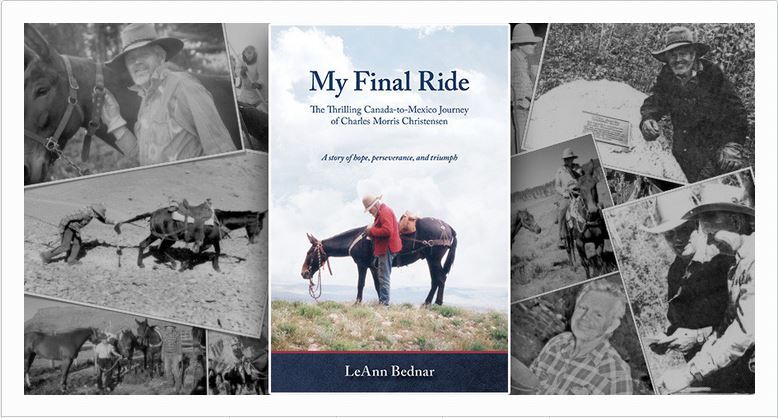 My Final Ride is the true-life story of Chuck Christensen’s epic mule-back Canada-to-Mexico journey while battling stage-three bone marrow cancer/multiple myeloma. Given eighteen months to three years to live and told he’ll never ride again, Chuck crawls back on his mule and, with tears streaming down his face, vows to trek as far as he can. Learning of the Great Western Trail, which eventually is to stretch from Canada to Mexico, he excitedly sends letters, makes phone calls, collects maps, and sets out on his daring ride. Along the way he faces mud bogs, giardia, broken bones, and deep discouragement; more than once he worries he’ll have to put an animal down. With water and food scarce, his mules begin to eat cowpies; his horse, however, refuses, and begins to starve. Ultimately, Chuck’s success depends on his fixed determination to never give up.
A story of hope, perseverance, and triumph
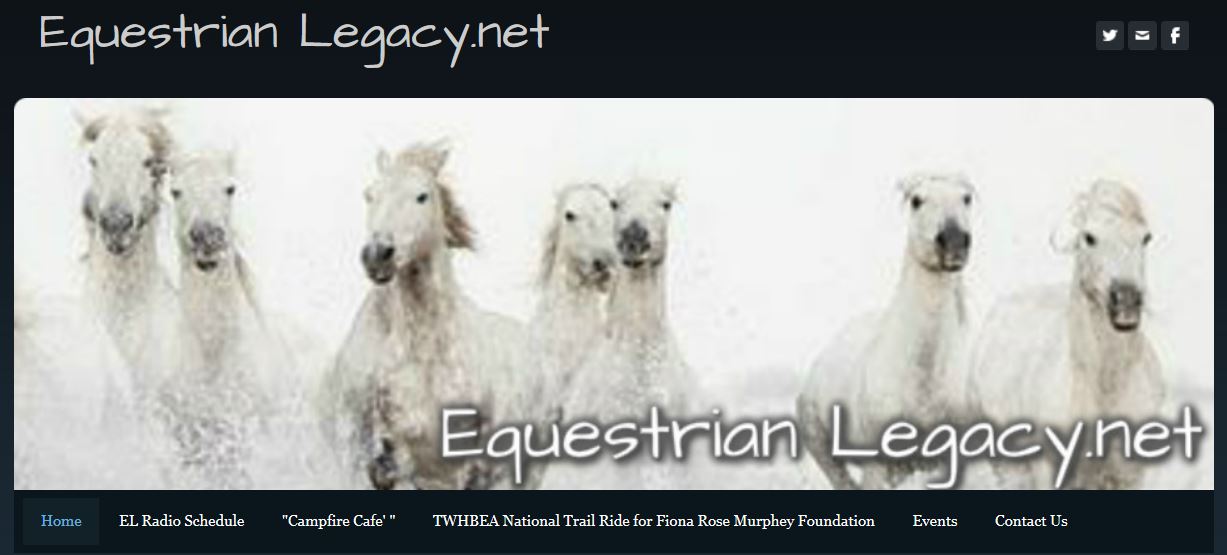
GARY HOLT welcomes singer/song writer TEMPLETON THOMPSON and Back Country Horsemen of America’s RANDY RASMUSSEN to EQUESTRIAN LEGACY RADIO.
Templeton joins us around the “Campfire Cafe'” as we talk about her music and her life with horses.
Randy joins us for an open line discussion on the future of our Horse Trails and the public’s role in maintaining and preserving our continued use of public lands.
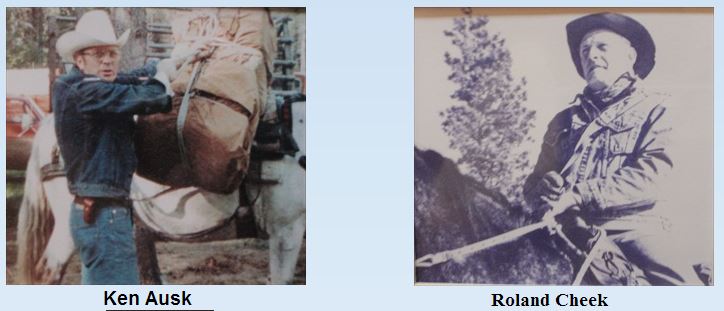
Back Country Horsemen of Missoula Celebrates 40 Years
By Connie Basham
Following the vision of the original founding members from the Flathead Valley, it didn’t take much convincing for a few Missoula horseman and packers joining in kindred spirits, to form the second affiliated chapter of Back Country Horsemen in the early part of 1974. On April 4-6, 2014 Missoula Back Country Horseman will celebrate their 40th year of affiliation as part of the national organization of BCHA.
BCH of Missoula will be sharing this celebration with the Wilderness Association for their 50th anniversary of the Wilderness Act of 1964.
The unification of these two chapters, later joined by members from Idaho, became the backbone of the Back Country Horsemen of America, as we know it today. Thanks to these charter members – Mike Chandler, Smoke Elser, Jim Brogger, Ray Roberts, Chuck Smith, John Lance and Fred Hartkorn, Missoula’s chapter has grown to be one of the largest in the nation.
Developing a sustained working relationship with many agencies and organizations, Missoula Back Country Horsemen dealt with numerous issues over the decades which threatened stock use on public lands. Issues including, trail and trailhead closures and abandonment; access problems; endangered species; user permits; trail sharing disputes; and other land use concerns.
Working with local, state and federal agencies, BCH of Missoula members have spent countless hours, weeks, months and years pouring over forest management plans, congressional issues, environmental matters and a host of other concerns facing stock use of the back country. Vast amounts of time and labor, both human and equine, have gone into building, clearing and maintaining trail systems, trail head facilities, camp facilities, bridges and buildings to protect and promote horse use in Montana. These efforts have benefited numerous trail users insuring our continued presence while remaining a valued advocate for Montana’s wildland.
BCH of Missoula/Montana have always been actively involved in wilderness designation and preservation throughout the state. The Missoula chapter was one of many that helped stave off drilling for oil along the Rocky Mountain Front of the Bob Marshall Wilderness preserving its untouched wildness forever.
With the objective of educating and encouraging sensible, responsible horse and stock use, Missoula BCH sponsored the Equine Expo for public involvement. They proudly and actively participate in the use and enjoyment of those successful efforts to uphold our horse heritage in Montana’s back country.
For convention information visit: www.bchmt.org
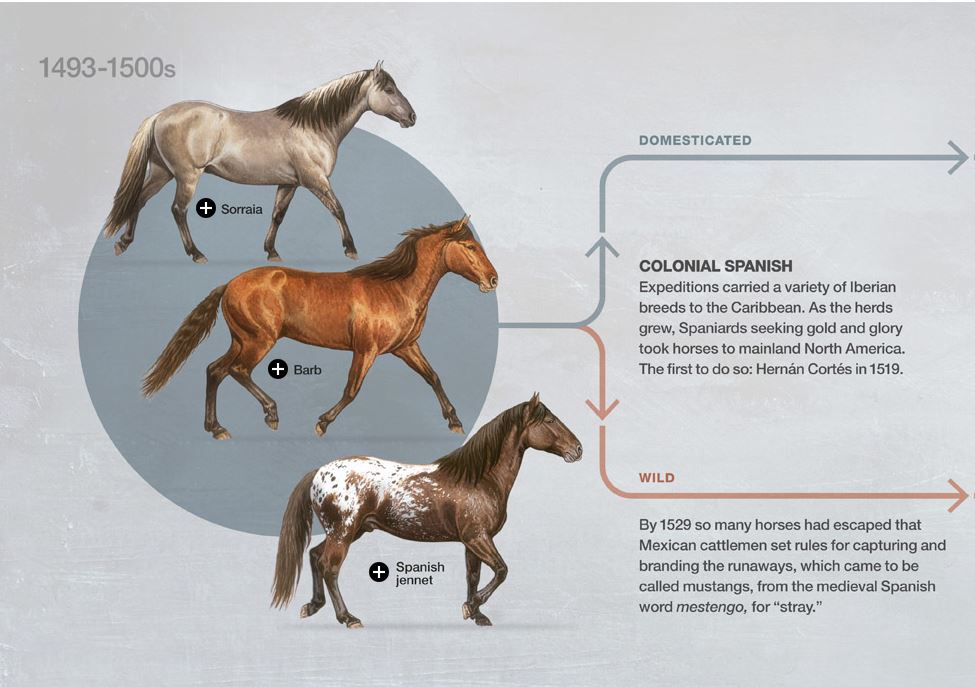 Click on picture to visit National Geographic interactive to learn about the reintroduction of horse into the new world and the development of unique american breeds and the effect the horse had on the people living there.
People of the Horse
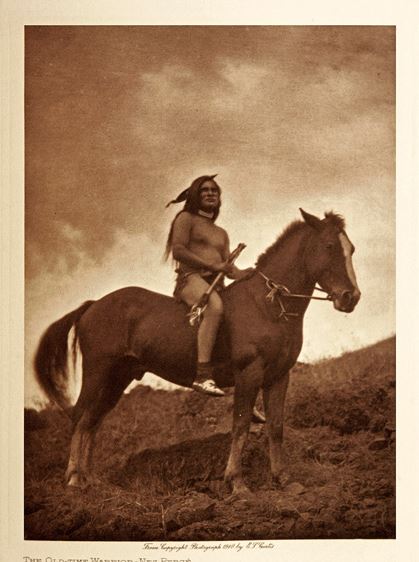
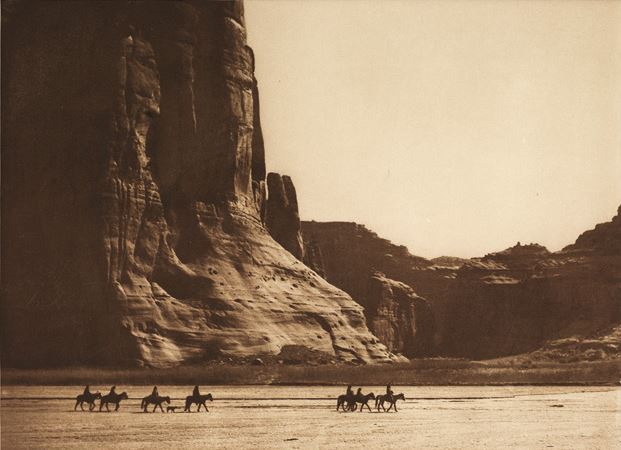
Horses forever changed life on the Great Plains. They allowed tribes to hunt more buffalo than ever before. They tipped the balance of power in favor of mounted warriors. And they became prized as wealth. For Native Americans today, horses endure as an emblem of tradition and a source of pride, pageantry, and healing. Read More
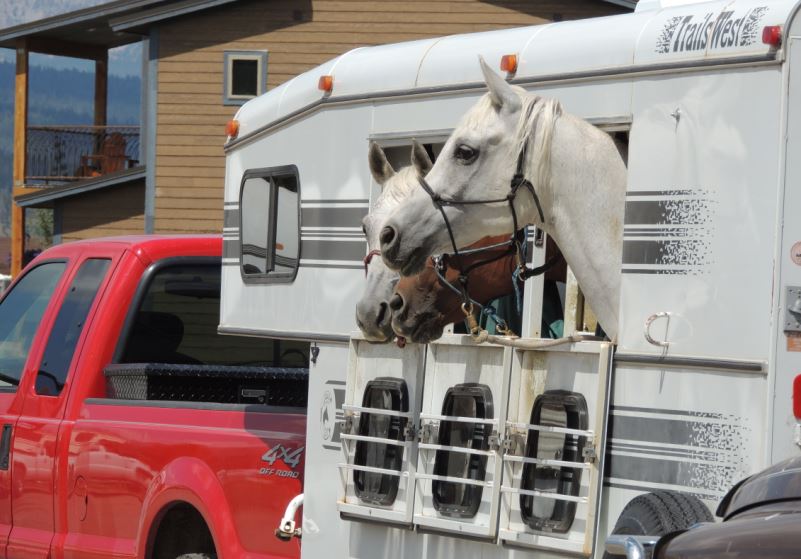
Trailers. A lot of us have them. Many just sit around until they are needed, then we hook up, load them up and head down the highway. They’re just back there. They follow our tow vehicles. Unfortunately trailers are the cause of an alarmingly large number of tragic highway accidents. Unfortunately most of those accidents could have easily been prevented.
Most of us have significant investments in our trailers. We often have a significant investment in the cargo that we carry and usually we have a significant investment in our tow vehicles and the people we have inside those tow vehicles. A relatively small investment in time and money can protect those other “investments” as well as protect others using the highway who may be unwitting victims of dangerous trailers.
PART ONE:
HITCHING EQUIPMENT
PART TWO:
TRAILER BODIES & RUNNING GEAR
PART THREE:
LIGHTS AND VISIBILITY
PART FOUR:
TRAILER SAFETY
PART FIVE:
WHAT SUPPORT YOU NEED
KBR / LRTC Survival School
PREVENTING TRAILER ACCIDENTS
The Wild Horse Mentors project is a concept that was first conceived by the LIFE Foundation, the “Wild horses” Internet Group and the Kickin’ Back Ranch (KBR). The idea was to develop a corps of wild horse enthusiasts who could help new wild horse and burro adopters by sharing their skills and knowledge, or who could assess situations and make referrals so that adopters can find the help that they need.
As the concept matured, a non-profit corporation called Least Resistance Training Concepts (LRTC) was formed to administer the Wild Horse Mentors, become a legal Volunteer Service Organization to the Bureau of Land Management (BLM) and an authorized adoption agency for the State of Nevada Comstock Wild Horse Program and for the US Fish and Wildlife Service.
Video suggested by Linda Hays (click on picture to watch) & Horses Chinese New Year
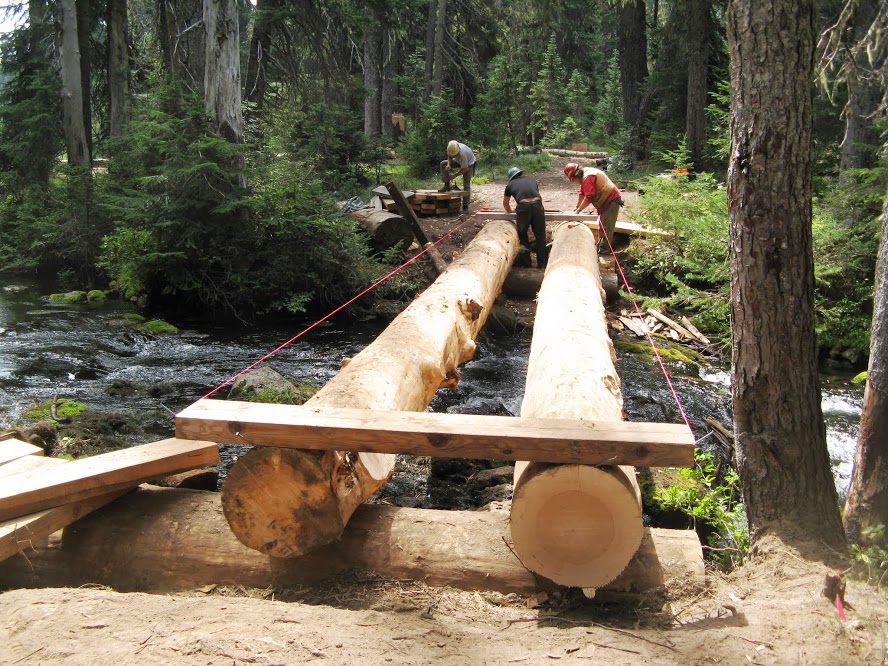
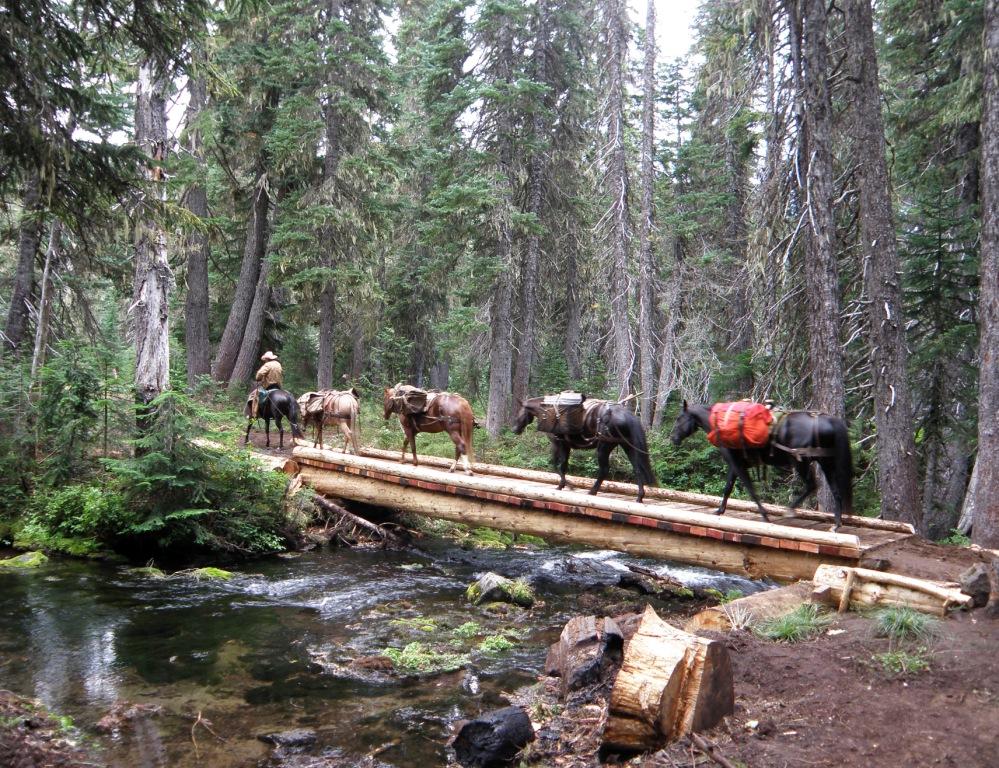
This Pacific Crest Trial bridge crosses the Bumping River at Goodwin Meadows in the William O. Douglas Wilderness. During August of 2013 the several Back County Horsemen of Washington members worked with the USFS, Naches Ranger District and helpers from the Pacific Crest Trial Association and Earth Corps replaced the bridge.
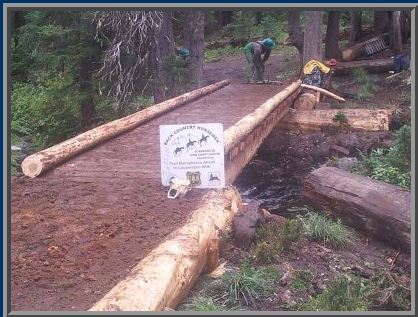 Members of Washington Trails Association and a local multi-user trail organization from Yakima also provided labor for the project. The BCHA Education Foundation awarded a $1,000 grant to purchase the bridge decking.
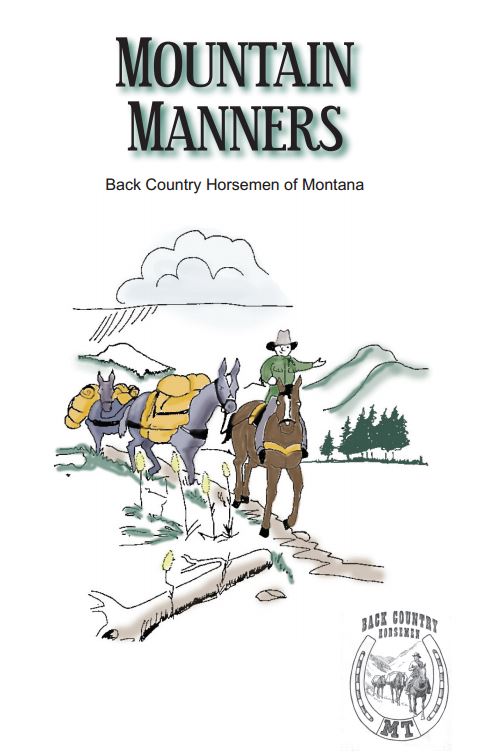
Download Mountain Manner Handbook Back Country Horsemen Trail Etiquette – BCWV
The Leave No Trace Seven Principles are also available for various environments and activities.
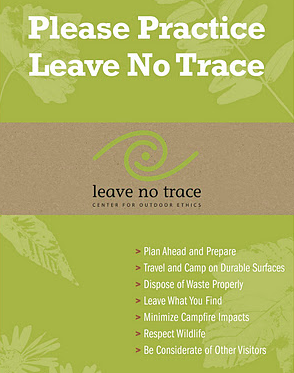
Plan Ahead and Prepare
- Know the regulations and special concerns for the area you’ll visit.
- Prepare for extreme weather, hazards, and emergencies.
- Schedule your trip to avoid times of high use.
- Visit in small groups when possible. Consider splitting larger groups into smaller groups.
- Repackage food to minimize waste.
- Use a map and compass to eliminate the use of marking paint, rock cairns or flagging.
Travel and Camp on Durable Surfaces
- Durable surfaces include established trails and campsites, rock, gravel, dry grasses or snow.
- Protect riparian areas by camping at least 200 feet from lakes and streams.
- Good campsites are found, not made. Altering a site is not necessary.
- In popular areas:
- Concentrate use on existing trails and campsites.
- Walk single file in the middle of the trail, even when wet or muddy.
- Keep campsites small. Focus activity in areas where vegetation is absent.
- In pristine areas:
- Disperse use to prevent the creation of campsites and trails.
- Avoid places where impacts are just beginning.
- In popular areas:
Dispose of Waste Properly
- Pack it in, pack it out. Inspect your campsite and rest areas for trash or spilled foods. Pack out all trash, leftover food and litter.
- Deposit solid human waste in catholes dug 6 to 8 inches deep, at least 200 feet from water, camp and trails. Cover and disguise the cathole when finished.
- Pack out toilet paper and hygiene products.
- To wash yourself or your dishes, carry water 200 feet away from streams or lakes and use small amounts of biodegradable soap. Scatter strained dishwater.
Leave What You Find
- Preserve the past: examine, but do not touch cultural or historic structures and artifacts.
- Leave rocks, plants and other natural objects as you find them.
- Avoid introducing or transporting non-native species.
- Do not build structures, furniture, or dig trenches.
Minimize Campfire Impacts
- Campfires can cause lasting impacts to the backcountry. Use a lightweight stove for cooking and enjoy a candle lantern for light.
- Where fires are permitted, use established fire rings, fire pans, or mound fires.
- Keep fires small. Only use sticks from the ground that can be broken by hand.
- Burn all wood and coals to ash, put out campfires completely, then scatter cool ashes.
Respect Wildlife
- Observe wildlife from a distance. Do not follow or approach them.
- Never feed animals. Feeding wildlife damages their health, alters natural behaviors, and exposes them to predators and other dangers.
- Protect wildlife and your food by storing rations and trash securely.
- Control pets at all times, or leave them at home.
- Avoid wildlife during sensitive times: mating, nesting, raising young, or winter.
Be Considerate of Other Visitors
- Respect other visitors and protect the quality of their experience.
- Be courteous. Yield to other users on the trail.
- Step to the downhill side of the trail when encountering pack stock.
- Take breaks and camp away from trails and other visitors.
- Let nature’s sounds prevail. Avoid loud voices and noises.
• National Newsletter
• Public Lands Committee
• Public Liaison Committee
• Education Chair/Committee
• National presence on the “Hill”
• Website: www.backcountryhorse.com
• Guidebook, publications and traveling display
• Camaraderie
• Strength in numbers
• Sharing information
BCHA Fact Sheet BCHA Do For You
by Sarah Wynne Jackson
Back Country Horseman of America preserves our right to ride horses on public lands across the country. They know that joining forces with other groups strengthens our voice and our influence. They proudly introduce their latest Advocacy Partner, the Lake Ray Roberts Equestrian Trail Association. LRRETA is an affiliate of the Greenbelt Alliance of Denton County, a not-for-profit organization that promotes recreation and preservation of the Greenbelt of Lake Ray Roberts State Park in Texas.
The Best Trail in Texas
Located just outside the city of Pilot Point in North Texas, the Lake Ray Roberts equestrian trail system is 20 miles of multi-use trails that runs north from Highway 380 to Pilot Point. This unique trail corridor meanders along the heavily wooded banks of the Elm Fork Branch of the Trinity River. Equestrians, hikers, and bikers can access the trail at three trailheads.
This popular trail is shaded from summer sun and shielded from winter winds. Considered one of the best trails in Texas, it offers riders beautiful scenery and varied terrain, including undulating hills and flat stretches, woods and meadows. The highly prized sandy loam soil provides excellent footing, regardless of the weather.
Coming Together to Get It Done
In 2010, local flooding washed out a bridge in the middle of the trail, significantly impacting the trail experience by breaking it into two shorter trails. Park Rangers proposed collapsing the equestrian trail into the biking trails due to the wash-out, but over 200 equestrians responded to a call to action and expressed their support for separate and expanded horse trails. The equestrian community volunteered to clear trails and attended various meetings to resolve the damaged section.
In June 2013, the Lake Ray Roberts Equestrian Trail Association formed to restore the trail to its original condition. In short order, they voted in officers, created a Board of Directors, and appointed folks to oversee various committees. Their goal is to raise $60,000 to $120,000 to replace the bridge through construction of a new one or placement of a used one.
LRRETA’s long-term mission is to maintain and enhance the Lake Ray Roberts equestrian trail system. Certified horse country, Denton County and the Pilot Point area are home to many riders of different disciplines, all of whom enjoy taking their horses on the trail. In the future, LRRETA would like to add additional and enhanced horse camp sites and put Lake Ray Roberts on the map as a destination for trail riders from across the country.
About Back Country Horsemen of America
BCHA is a non-profit corporation made up of state organizations, affiliates, and at-large members. Their efforts have brought about positive changes regarding the use of horses and stock in the wilderness and public lands.
If you want to know more about Back Country Horsemen of America or become a member, visit their website: www.backcountryhorse.com; call 888-893-5161; or write PO Box 1367, Graham, WA 98338-1367. The future of horse use on public lands is in our hands!
Stay out of trouble with these essentials
When you’re on the trail it’s a good idea to carry a few emergency items. This list will give you ideas for what you may want to carry.

The object of carrying these items is to ensure that both horse and rider have a great ride and make it back to the trailhead to ride another day.
The combined weight of everything in this list is under 4 pounds.
What to pack:
- Map of the Area – It helps to know how to read it
- Compass – Again, it helps to know how to use it
- Rain Gear – These items usually get tied behind the cantle and include a set of rain chaps and a Wyoming Traders Rain Slicker.
- First Aid Items – bandage, antibiotic ointment, aspirin
- Flashlight
- Cell Phone (for emergencies) – Make sure you’ve ICED it! Keep your phone in a shirt or jacket pocket so it stays ON YOU in case you become separated from your horse.
- Water Bottle(s)
- Bandanna
- Hoof pick
- Baling Twine – Almost as good as duck tape
- Garbage Bag
- Camera
- GPS
- Spare batteries
If you have pommel bags use them so the weight is over the withers instead of the horse’s kidneys.
You may also need to carry other items depending upon the length of time and the distance you plan on riding.
Buckle-less Hobbles by Outfitters Pack Station

These custom made hobbles boast a unique and very effective buckle-less closure system that eliminates any awkward fumbling with buckles, a welcome feature on cold and wet mornings. The benefits of this no buckle system go far beyond the convenience factor and extend into the user’s safety as well. Being able to quickly fasten and unfasten the hobble cuffs will get you out of the danger zone that exists when you’re under the horse by his hoofs and very vulnerable to an accidental strike or kick.
Outfitters Pack Station crafts these heavy duty hobbles from high quality oil tanned harness leather that has been hot dipped in paraffin wax to resist the effects of water and the environment. The hardware is nickel plated steel that is both lightweight and very durable.
The durability of these hobbles is compounded by their unique construction. The inner body of the hobble is a strip of heavy duty polypropylene webbing that is sandwiched between two layers of heavy duty harness leather. The poly pro webbing prevents any stretching of the layer from occurring and adds a significant measure of strength as well. The cuffs are lined with soft chap leather that is very easy on the animal’s legs and is also easy to clean.

Made without chains these hobbles are extremely light weight, a fact that appeals to anyone packing for extended periods or camping off of their riding where every once counts. Not only are these hobbles lightweight the sandwiched construction allows them to be very narrow (only one inch wide) which reduces pack volume and even allows them to be easily hung from a saddle ring for quick accessibility during a break.
The TrailMeister says: Feel good about bringing these on the trail!
January 21, 2014 This morning the Back Country Horsemen of America executive committee voted unanimously to adopt the attached image as the official BCHA “brand.” This brand image does not replace the old BCHA logo but will be used exclusively in all official online and published communications and correspondence. The brand was designed by Squaw Butte member Robbin Schindele with finishing touches by freelance creative director Kevin O’Callaghan of Minneapolis, MN.
“He has left the village and mounted the steep, And beneath him, tranquil and broad and deep, Is the Mystic, meeting the ocean tides; And under the alders that skirt its edge, Now soft in the sand, now loud on the ledge,
Is heard the tramp of his steed as he rides.” Read Essays
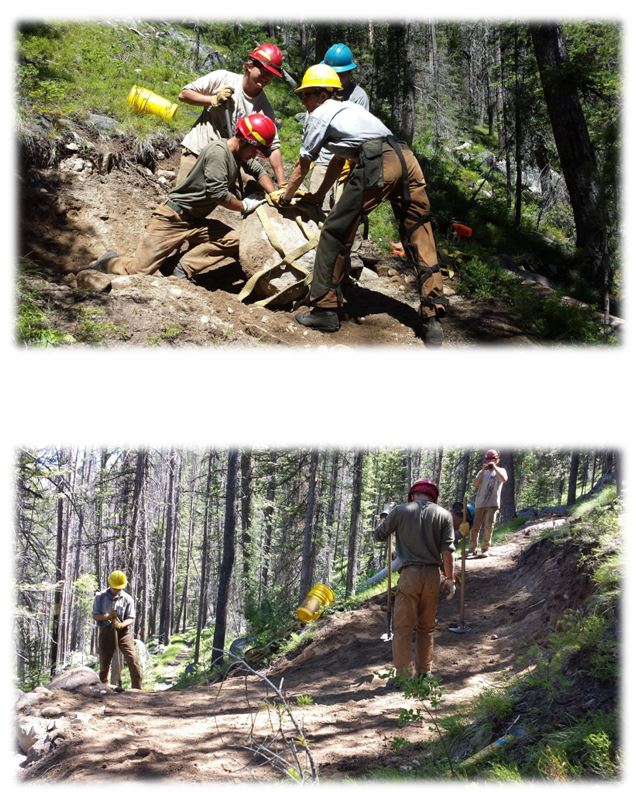
2014 will be the 4th year of a Zone Trail Crew on the Boise National Forest. The North Zone (Emmett, Cascade, Lowman) currently has one of the largest trail crews in the region and has been able to do some outstanding work over the last 4 seasons. Much of this work comes with the help of our volunteer organizations, outside funding, and IDPR. I would ask each of you to look through the attached grant proposal and see if you might be willing to write a letter of support for this proposal. You will notice that this is for motorized trails. Many of the trails on the North zone are Multi-use allowing both motorized and non-motorized travel and they are utilized as such. As we move forward I would like to bring these groups together to help not only with trail work but managing any issues that may arise. As a part of this proposal we are also looking for volunteer commitments. If you would like to commit a number of hours to the “match” of this proposal please include that.
Many of the projects that we have taken on the past 4 seasons have come at the request of our users, we will continue to do so as we try one season at a time to bring our trails back up to standard. If you have questions, comments or concerns about this proposal please feel free to let me know. We input from everyone.
Thank you for your time and thank you for all of the work you have put in over the years.
Zach Poff
Lowman Ranger District
Boise National Forest
zpoff@fs.fed.us
(208)259-3361 ext.7554

Back Country Horsemen of America Celebrates 40 Years with
100 Miles of Volunteerism
by Sarah Wynne Jackson
This year marks Back Country Horsemen of America’s 40th year as the
leading organization keeping trails open for horse use. Their state
organizations have been celebrating this milestone in many unique ways.
Back Country Horsemen of Utah combined their love oftraveling by
horsepower with their dedication to caring for the land. From July 27 through
August 4, about 130 people on 10 authentic Conestoga-style wagons and
horseback rode over 100 miles across central Utah, doing trail projects along
the way. BCHA Utah 40 years trek 2013
Back Country Horsemen of America Teams Up with Tennessee Walkers
by Sarah Wynne Jackson
Back Country Horsemen of America leads the fight to save trails for horse
use and the Tennessee Walking Horse is one of today’s most popular trail
horses. It makes sense that BCHA and the Tennessee Walking Horse
Breeders’ and Exhibitors’ Association (TWHBEA) form a partnership to
recognize Tennessee Walking Horses and their riders that best exemplify the
mission of Back Country Horsemen of America. BCHA TWHBEA recognition program 12 2013
A Better Way to Tie a Rope Halter
Many thanks to Gene, a long time Backcountry Horsemen of Washington member who has many miles and years under his saddle. If you use a rope halter you can save yourself trouble and aggravation by tying the halter properly.
TRAIL BLAZER MAP READING ARTICLE – JULY 2011
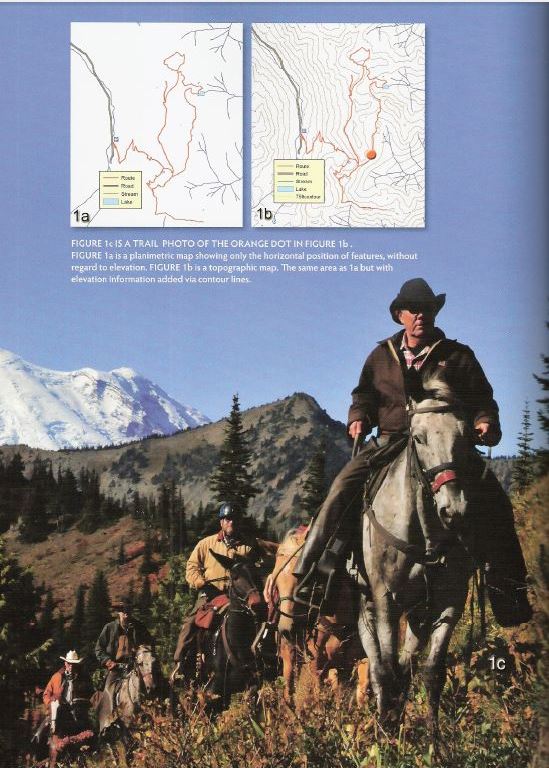
The Art of Map Reading – Visualizing Terrain Beyond the Lines and Colors
Are you ready and confident in your ability to find your way safely through the mountains and return in time for dinner? When your destination is remote one of most important skills to learn and be proficient at, is how to read your map. Knowing how to interpret a map helps in planning a trip by allowing you to “see” the terrain prior to your ride. While most people do carry a map, and sometimes even a compass, I find that quite often these vital tools are carried more as lucky charms intended to make the rider feel better about their ride. Take the time to learn how to properly read and interpret your map. Failure to do so could prove annoying at best and disastrous at worse should you become separated from your group and your horse in the back country.
 Idaho Sportsmen’s Caucus Advisory Council
With a Sportsmen’s Caucus in place in the Idaho Legislature, the ball was now in the sportsmen’s court to form a viable, effective, balanced, and long-lived support and advisory group to those caucuses. Their role is to know when legislation is introduced, research its impacts, gauge the sportsmen’s position(s) on it, determine a consensus position on it, and provide data supporting that position to the Caucus members in both houses before the debate is scheduled.In March of 2005 twenty founding sportsmen’s organizations adopted the bylaws, elected officers and officially formed the Idaho Sportsmen’s Caucus Advisory Council.In the end, sportsmen (the largest constituency in the state after women) can gain a voice and serious influence in conservation issues that affect our wildlife. It is up to us to behave responsibly with restraint and resolve. To deal with the best science available and with the long-term welfare of wildlife in mind. United with other state caucuses around the country we can present a united front against anti-hunting nonsense, habitat destruction, and against bad-science game management programs that might represent other interests than those of wildlife. Contact Phil Ryan our BCHI member on the council for more information
 Each month a new president’s corner piece is posted by Kay Ryan on the Squaw Butte website. This blog posting will provide links to each piece posted during the year.
August 2014 President’s Corner
September 2014 President’s Corner
October 2014 President’s Corner
November 2014 President’s Corner
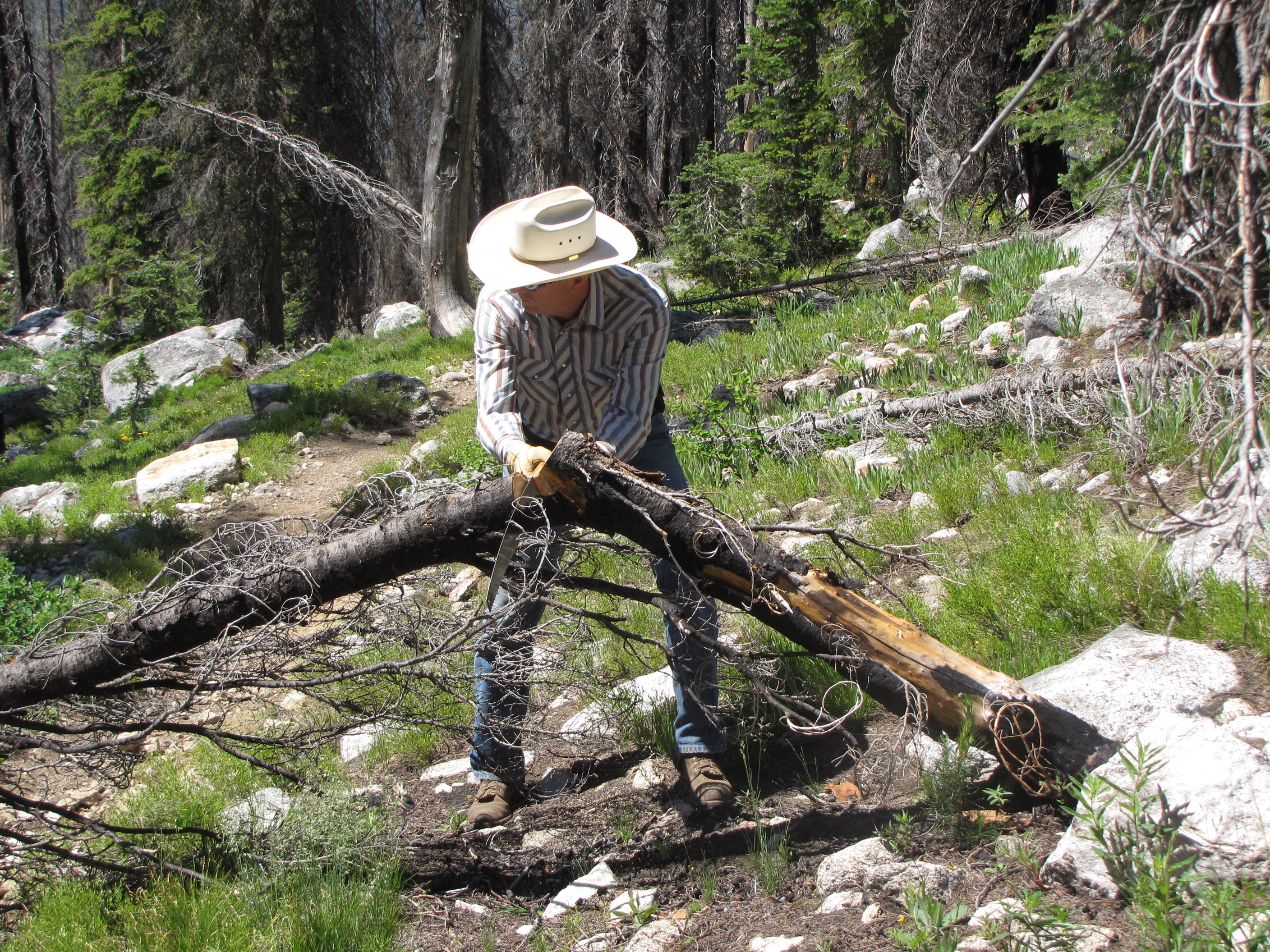
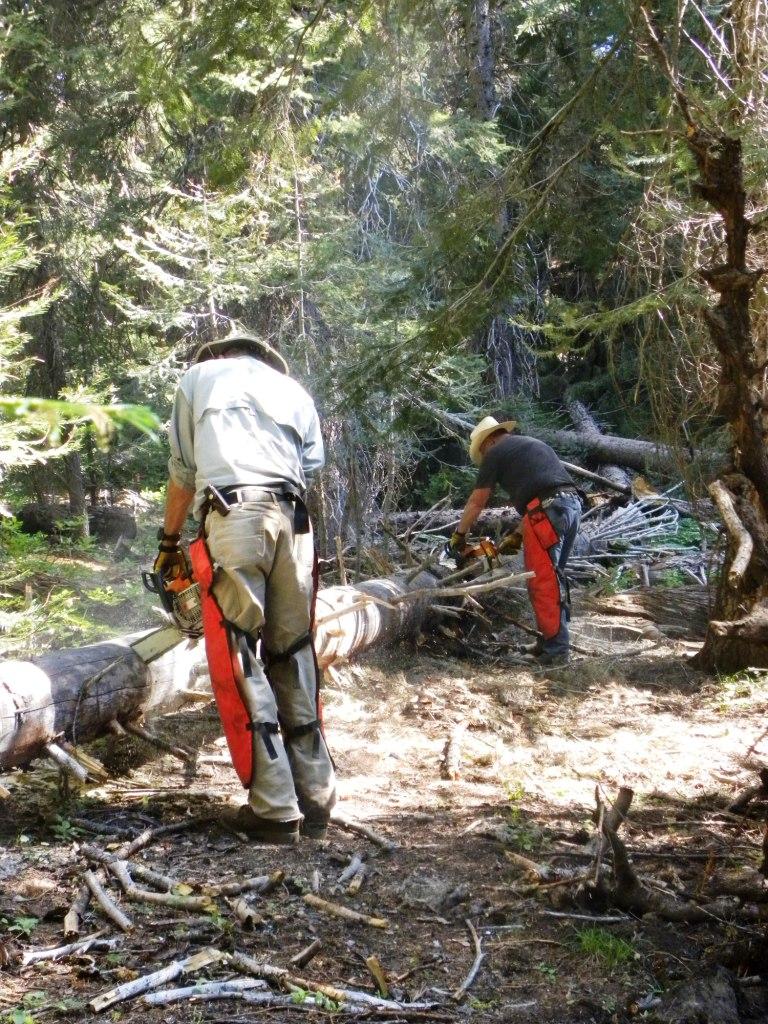
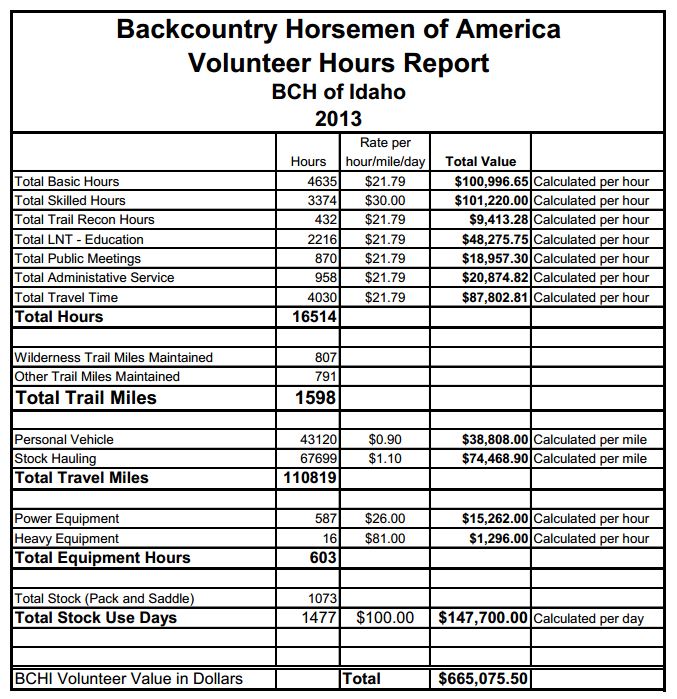
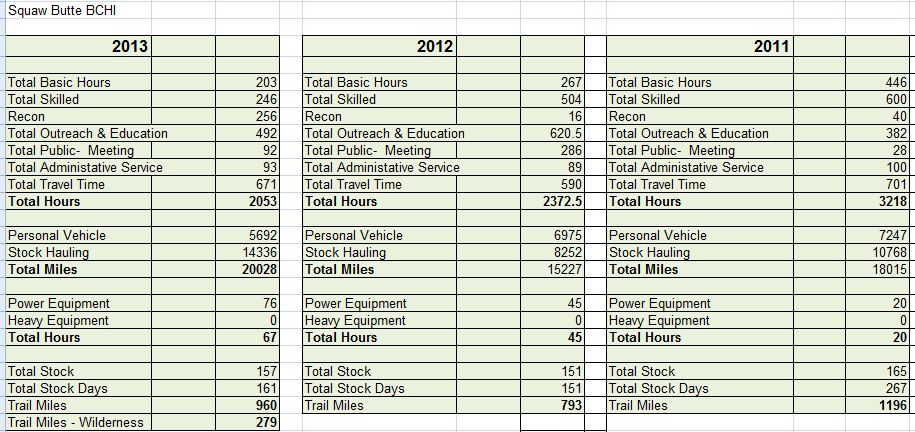
Our boots on the ground trail clearing efforts, educational, and political (lot of time attending public meeting) all paid off. The 2013 year was very successful and sets us up well for 2014. Great job everyone. Let’s see if we can top this in 2014!
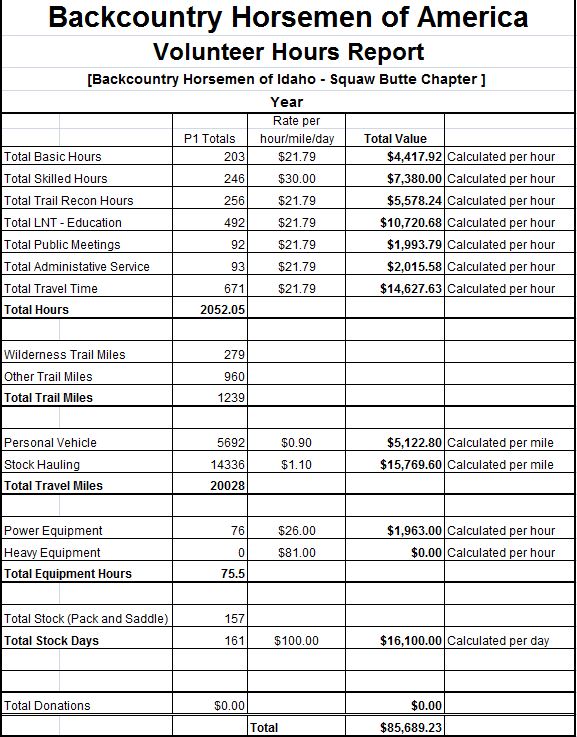
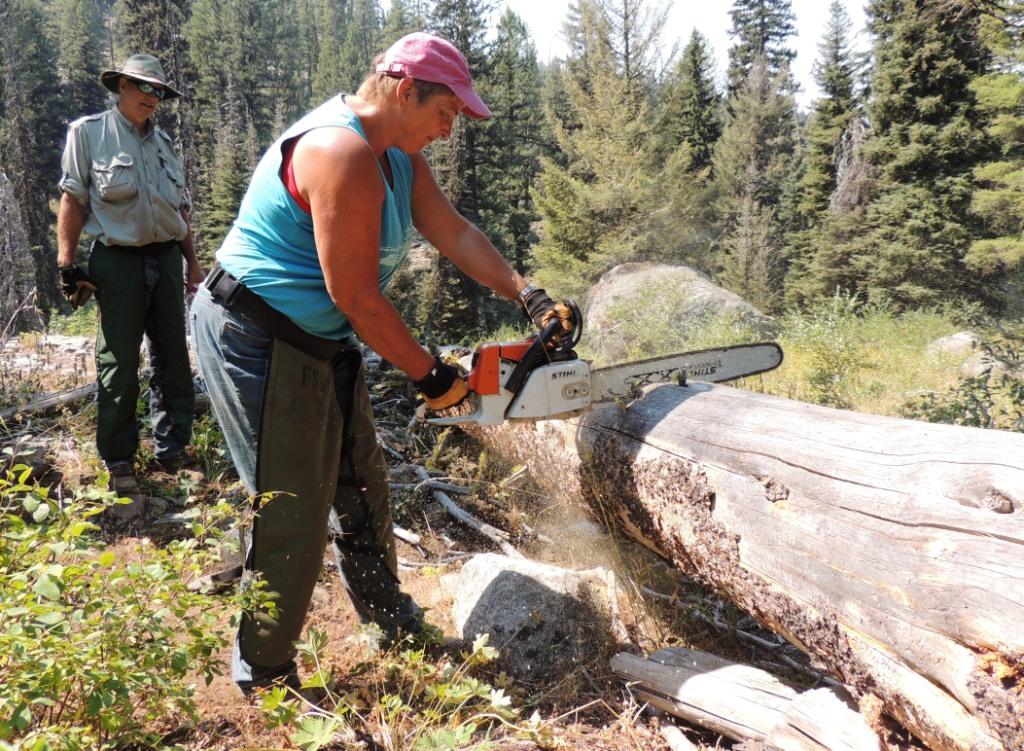
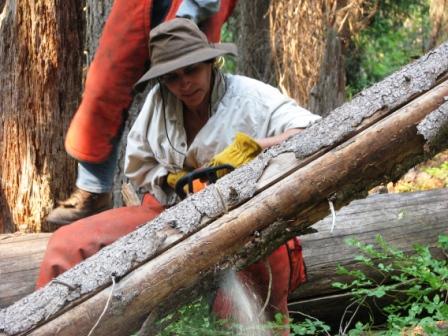
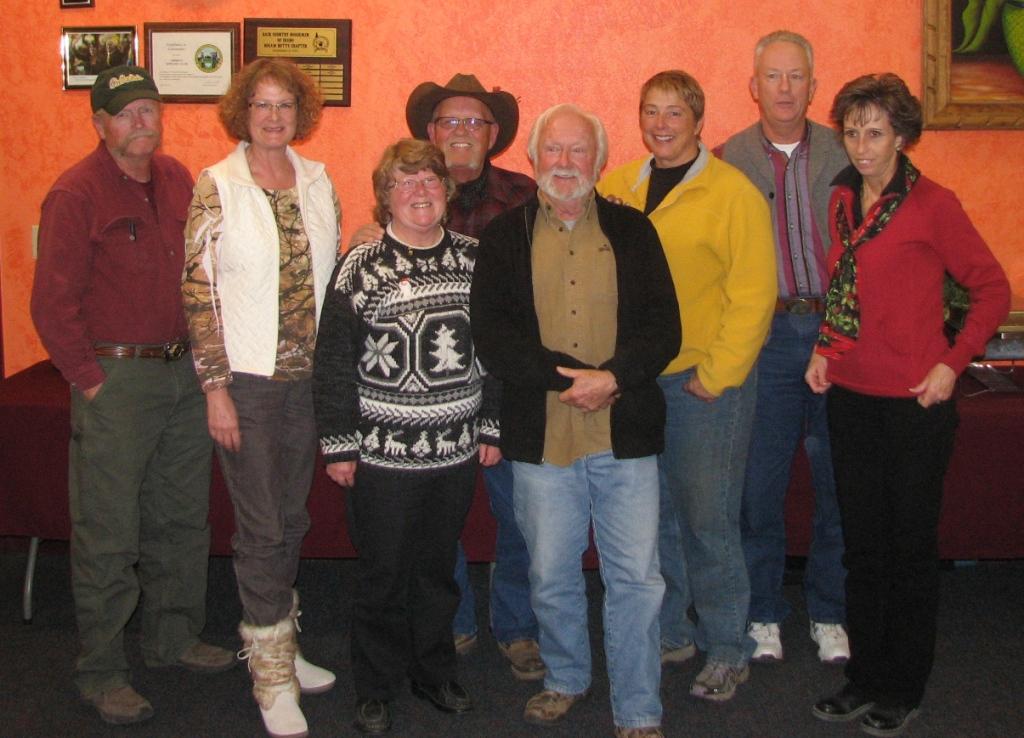
President Kay Ryan
VP Bill Holt
Treasurer Bill Conger
Sec team Linda Erickson, Shelly Duff
State Board Robbin Schindele, Phil Ryan, Marybeth Conger
Foundation Roger Segers

The Problem
America’s National Forest trails are squeezed between the demands of an enthusiastic public and the challenge of shrinking budgets and a lack of attention. According to the comprehensive June 2013 study by the Government Accountability Office, The Forest Service trail maintenance backlog exceeds a half-billion dollars, and only one-quarter of the agency’s 158,000 miles of trails meets agency standards for maintenance. Nearly two-thirds of these trail miles receive no maintenance at all.
Meanwhile, National Forest trails are giving back to American communities at unprecedented levels: since 1980, trail use has increased nationwide by 376% as people seek exercise, relaxation, and adventure on America’s public lands. Forest trails help fuel a $646 billion recreation industry. The constituency of people supporting trails is enthusiastic and energetic, bringing people together through unique partnerships that link hunters, horsemen, hikers, anglers, bicyclists, conservationists and many others in service of our national trails system. Today, nearly a quarter of Forest Service trail maintenance is provided by volunteers, state funding, and other federal and non-federal sources.
The trail network on our national forests is simply too important to let lapse into ruin and disrepair. We are aware that additional resources are necessary to fully maintain our nation’s trails and are working to secure additional funding for trail maintenance. But in a time of limited budget, there are things that the agency can do now to improve trail maintenance, and the Forest Service needs to look for creative solutions to supplement limited funds, empower volunteer networks, and ensure existing resources are used more efficiently.
The Solution
The ideas we support to address these challenges and improve and safeguard our rich treasury of national forest trails include the following:
• Increase transparency in the trail maintenance program by providing an annual breakdown of how the US Forest Service’s trail maintenance budget is used. This breakdown should detail amounts retained for overhead costs and the resulting amounts that are used for actual trail work. This disclosure will allow the Service and the public to consider whether the amount of overhead can be reduced to enable the agency to do more trail work on the ground;
• Institute national-level goals and targets for trail maintenance and stewardship that will be used as performance measures; create incentives that reward exceptional leadership and service on trails among agency staff;
• Modify the “Volunteer in Forest” program to more evenly distribute the risks associated with the use of volunteers throughout the National Forest System, limit the liability carried by any single forest, and lower the liability barriers for using volunteers to assist with trail maintenance and stewardship;
• Provide national direction and better coordination to maximize the utilization of fire crews for trail work whenever possible;
• Prioritize the selection, training, and retention of skilled and motivated trail staff as well as leadership on trails at higher levels of the agency;
• Develop a USFS Enterprise Team focused on addressing the problems and challenges of existing national forest trails – including working more effectively with partners and providing rapid response crews to remediate severe and sudden trail impacts;
• Standardize national protocols for training and certification on chainsaw and crosscut saw use and expand sawyer training capacity beyond the agency to include skilled non-agency partners; and
• Develop policies, procedures, training, and leadership that would allow volunteer crews to operate more independently, effectively, and efficiently, regardless of the presence of US Forest Service staff.
National Forest Trails Stewardship Administration Concepts Proposal
National Forest Trails Stewardship – FINAL Concept Paper Oct 2013
TRAILS Legislation sign-on letter FINAL TRAILS Admin sign-on letter FINAL
|
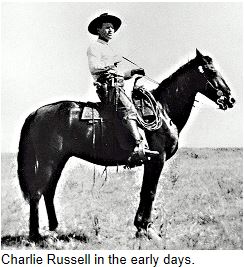
Excerpted from Charlie Russell—The Cowboy Years By Jane Lambert, Stevensville, MT |
Living on sourdough bread and coffee…
Con Price has a long recollection of spending the early winter (1890) with Charlie and three others. He wrote:
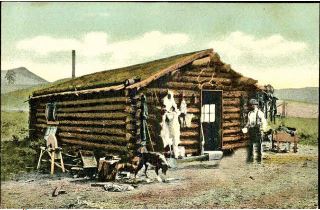
“They throwed together a log cabin on Warm Spring Creek, in the Judith Basin country… It had a dirt roof, dirt floor. Our cooking utensils were a frying pan and a coffee pot, and very little grub, as we were all broke when the winter came on.
“No stove, we cooked on a kind of fireplace we built. No table, a few tin plates, empty corn cans for cups. We lived on sourdough bread and coffee, and once in awhile we’d find a maverick. We had one horse among all of us, and we would take turns saddling that horse, and go out and look for some meat.
“There were thousands of cattle everywhere, and I don’t think we looked too close to see if an animal had a brand or not. We called it a maverick, no questions asked. The cowmen weren’t too severe about a cowboy eating a piece of their meat once in awhile, as long as they didn’t make a business of selling it. read more