Good day everyone,

We are looking forward to hosting a crosscut workshop on the Carson City Ranger District of the Humbolt-Toiyabe National Forest.

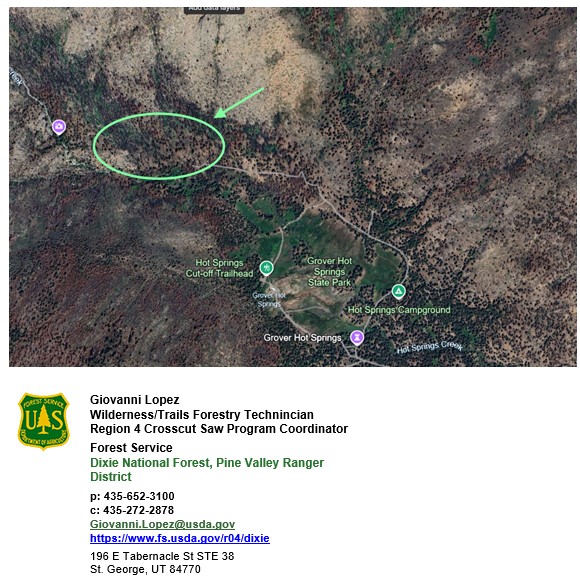
The dates will be April 6th-9th. Location will be Markleeville Guard Station (55 Turtle Rock Rd, Markleeville, CA 96120). We will meet at 0900 on Monday the 6th and go a Risk Assessment/Safety Protocol followed by a discussion about dealing with hazard trees and mitigations. The first day will comprise of review and discussion to help reduce the number of incidents and lessons learned from folks in the field. Then we will start the recertification  process for lapsed C-Evaluators first.

We will then split into appropriately sized groups based on the ratio of evaluators/participants.

The purpose of this training will be to increase the capacity of qualified sawyers and evaluators within our region and extending into our partner groups so that we can support our local staff needs.

Everyone in attendance should have previous crosscut experience and gone through the Developing Thinking Sawyers curriculum. If you need a review please reach out to me for materials.

Please fill out attached nomination form and respond by March 6th if you can attend or have folks that you would like to attend. Our capacity will be limited to 20 participants.

Additionally, we are still looking for qualified C Level Evaluators. If you have availability please reach out.

Accommodations:

There may be dispersed camping in the area surrounding the guard station, Carson City is about a 45 min drive to the cut site. There are other small towns such as Alpine Village and Fredericksburg, CA plus Gardnerville, NV that also offer lodging so please plan accordingly.

Dispersed Camping option: https://maps.app.goo.gl/SbaUqkAUGwGBZh5b8

Developed Campsite option: https://maps.app.goo.gl/vdor2EZJJ4KB9cHA8

Contact Tyler Dayberry or myself if you have any questions about the area or the training.

I will follow up with an itinerary and gear list to individuals once selections are made.

Thank you.

Nomination Region 4 Crosscut Workshop


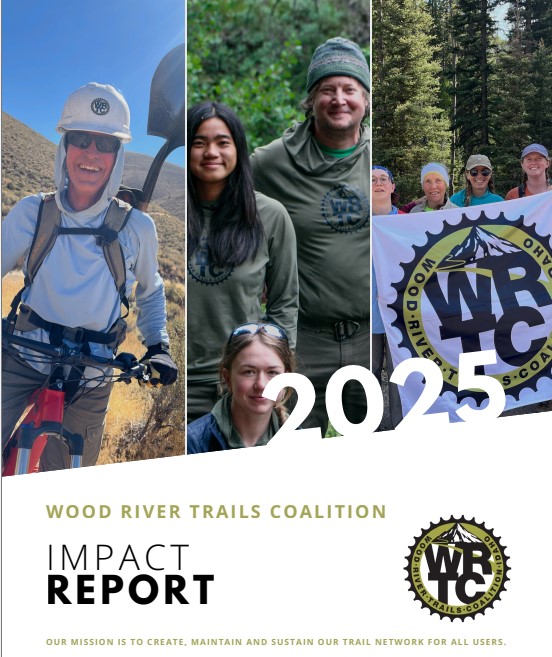
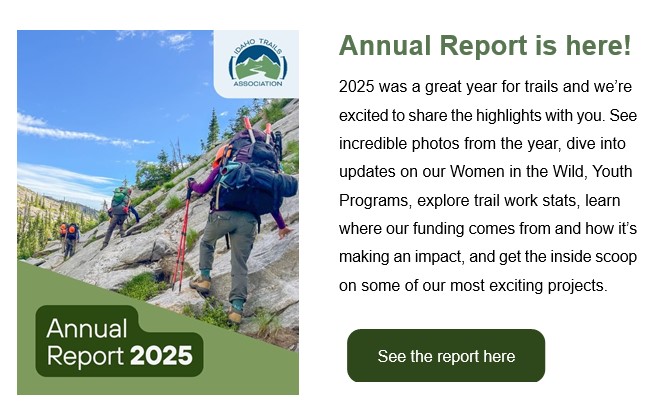
2025 Impact Report

LINK

Trump’s Pick to Lead National Parks? An Executive Who Manages Private Hotels Within National Parks

The White House announced a new director of the National Park Service (NPS) last week — and parks advocacy groups are not happy about the choice.

Hospitality executive Scott Socha is President Trump’s pick to lead the NPS, according to a list of new federal appointments announced on Feb. 11. Unlike many past directors of the NPS, Socha has no apparent experience in public service or conservation.

Moreover, Socha’s company, Delaware North, specializes in hotels and resorts, many of which are located within national parks. Delaware North has even successfully sued the NPS over the ownership of iconic names, including “Yosemite National Park.”

The Senate must still confirm the nomination of Socha, who is “totally qualified” to implement Trump’s plans for the parks, a White House spokesperson told GearJunkie on Tuesday. “Scott looks forward to implementing America First initiatives, such as increasing park access for American families, reducing permitting burdens, and raising money for conservation projects,” spokesperson Taylor Rogers said.

However, parks groups point out that Trump’s plans for the park service have also included a proposed $900 million cut, which parks organizations have said would shutter hundreds of NPS sites around the country.

READ MORE

Public Facing Website :  Developing Thinking Sawyers Curricula | Powered by Box

To present this material you must hold a current USFS “C” level sawyer card and have an endorsement letter from the regional saw coordinator.

Good morning all,

I would like to announce Justin Nash as the National Saw Program Manager (NTE 120 detail) with a start date of February 22, 2026.  Nash, Justin – FS, <justin.nash@usda.gov>

Nash grew up in a small town near Yosemite National Park, where his early experiences in the outdoors fostered a lifelong commitment to natural resource stewardship. He began his wildland fire career in California in 2007 and has extensive experience across multiple disciplines, from local operations to national-level fire management.

A graduate of the University of Nevada, Reno’s Rangeland Ecology Program, Justin combines academic expertise with practical leadership in fire operations. The Wildland Firefighter Apprenticeship Program played a pivotal role in his early career development, and he continues to contribute as an instructor each year. Justin has extensive experience in the Forest Service saw program and has served as a forest saw program manager and designated regional program instructor.

Justin’s career reflects a strong commitment to advancing operational excellence and workforce development within the fire organization. Outside of work, he enjoys exploring national forests with his wife, Jess, and their two dogs, continuing the connection to the outdoors that began in the shadow of Yosemite.

Congratulations to Justin Nash who will be detailed in as the USFS National Saw Program Manager.  As many of you already know, Justin has spent a large part of his career here in Region 4 on the Humboldt Toiyabe NF and has been an integral part of our saw program.  He will be an outstanding addition to our National Saw Program as we continue to move forward.

Tinker Bugs Prescribed Fire Tree Fatality SAI and Annual Incident Review Summary for 2025

Good afternoon all.  Attached is the Annual Incident Review Summary for 2025 that the Lessons Learned Center just recently released.  Within the summary for 2025, it includes 26 Hit by Tree incidents, 12 of which were during tree felling operations.  Also highlighted are 11 chainsaw cut incidents, six that occurred because of kickback.  The lessons and numbers affiliated with these events fill the pages with opportunities to learn.  Please, take an opportunity to review these incidents and the links provided in the summary.

Also attached is the Tinker Bugs Prescribed Fire Hit by Tree Fatality Serious Accident Investigation where an Idaho Department of Lands (IDL) firefighter, Isabella Oscarson, was struck by a fire weakened tree causing fatal injuries while conducting prescribed fire operations on the Nez Perce-Clearwater National Forest. “This report is dedicated to her memory, her service, and the spirit of leadership and kindness she embodied. — Through Learning we honor the fallen.”

 There are a number of incident reviews, including saw and tree related, on the Wildland Fire Lessons Learned Center database that are very easily filtered.  If you aren’t familiar with the website, here is the link: https://lessons.fs2c.usda.gov/  Thanks and please let me know if you have any questions.

2025 Incident Review Summary

Tinker Bugs Prescribed Fire Hit by Tree Fatality Serious Accident Investigation

2025-Annual-Report-final

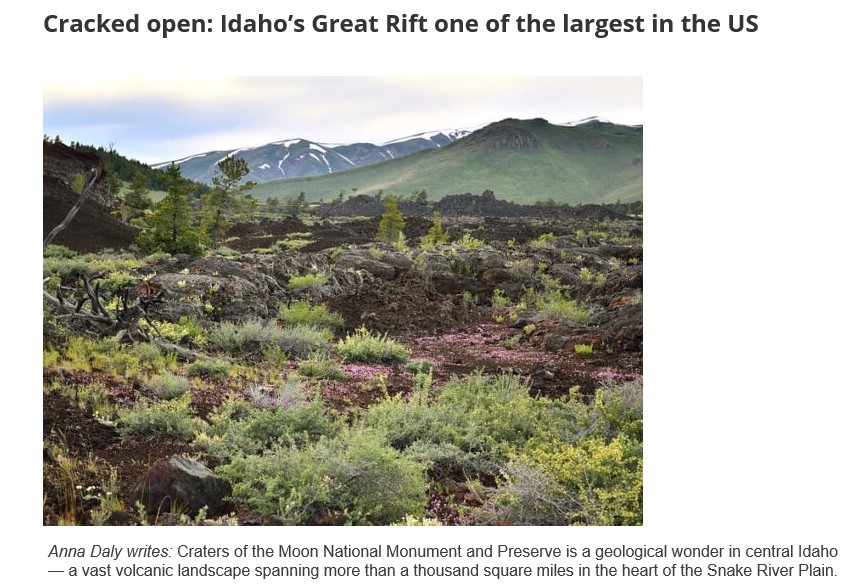
And within it lies something just as remarkable: the Great Rift — a chain of deep volcanic cracks and fissures stretching across the landscape.
According to the Bureau of Land Management, it’s considered one of the largest and most recently formed volcanic rift systems on land in the continental United States.
“At 635 square miles, it is considered to be the largest, deepest, and most recent volcanic rift system in the continental United States,” the agency notes. “Many of Idaho’s most fascinating geological features lie along this potential wilderness.”

Idaho’s Great Rift is one of only a few known volcanic rift systems of its kind on Earth. Another, far more expansive rift, stretches from Ethiopia to Mozambique in eastern Africa.
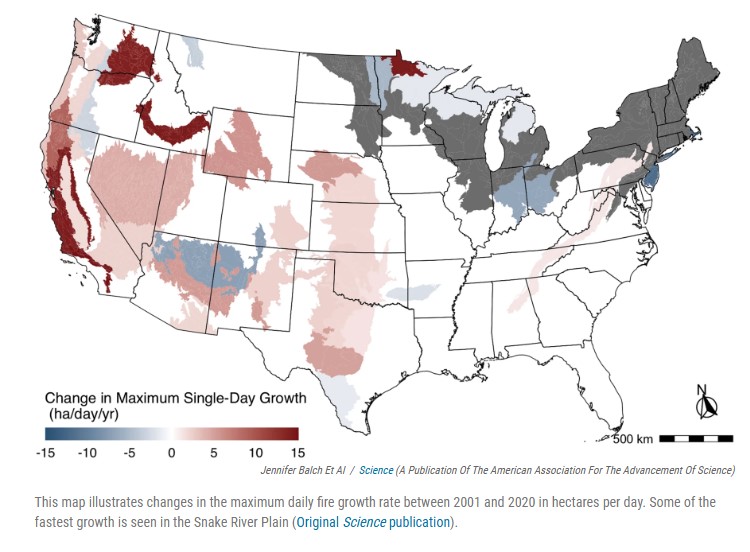
“The Great Rift System is a volcanic rift zone that consists of eruptive fissures, cinder cones and other volcanic vents, non-eruptive fissures, and faults confined to a narrow belt,” the National Park Service’s website notes. “Most of the recent volcanic activity on the Snake River Plain is located along volcanic rift zones, which trend roughly perpendicular to the axis of the Snake River Plain.”
The Great Rift begins at Craters of the Moon — the northernmost lava field. The rift cuts down over 50 miles southeast from the Pioneer Mountains, landing at the Wapi Lava Field.

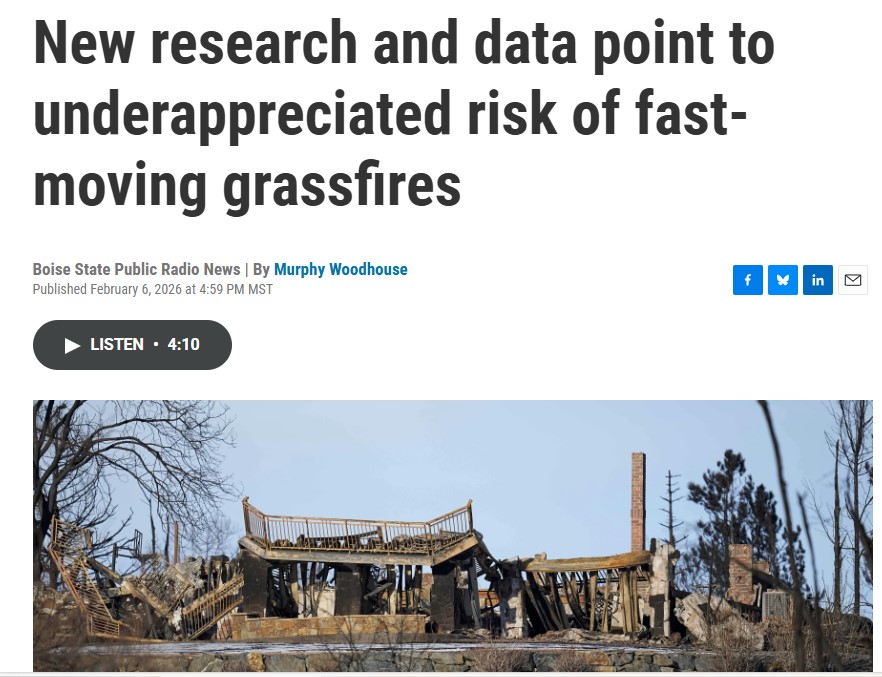
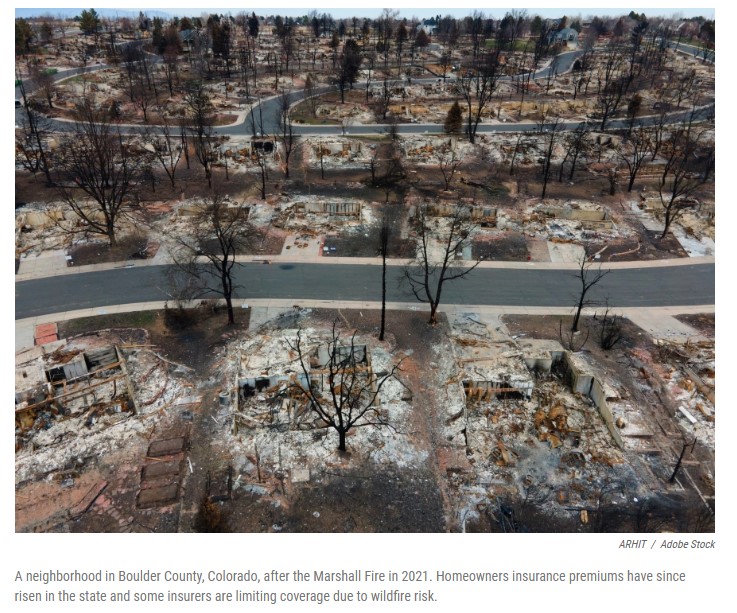
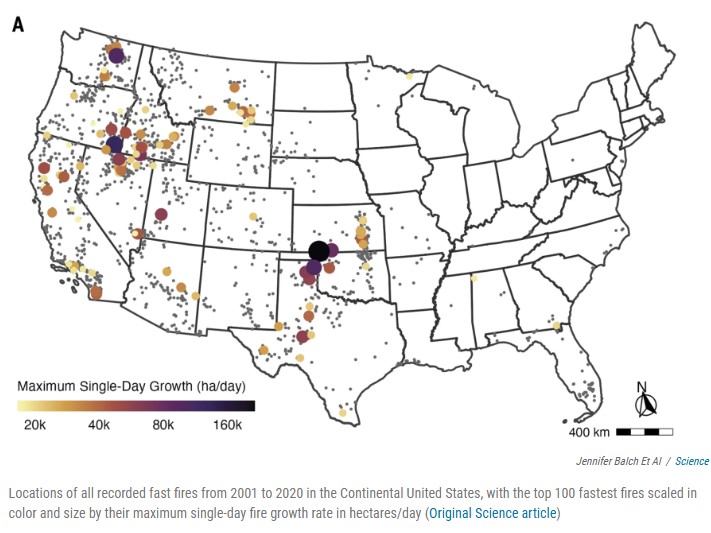
Something wicked nearly returned to the Colorado Front Range as 2025 drew to a close. Records were being set throughout December, with temperatures reaching well into the 70s.

And then the winds came.

“We have wind potential that could gust up to 100mph for some folks today,” CBS News Colorado’s Alex Lehnert told her viewers on Dec. 19.

For the first time in Colorado history, the National Weather Service declared a “Particularly Dangerous Situation” for Boulder County and other nearby communities. Standard red flag wildfire warnings were issued for a long swath that stretched north into Wyoming.

The extreme weather posed “a significant threat to life and property in the event of a wildfire start,” the Boulder County Sheriff’s Department warned residents. “New or existing fire ignitions will have a high risk for very rapid fire spread.”   READ FULL STORY: MWNB – Fast Moving Grassfires

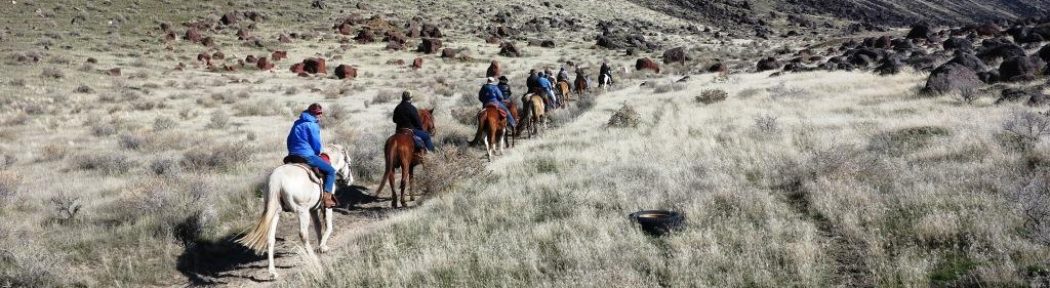
March 17, 2026: ‘Light on the Land’ Packing & Riding:


MORE INFORMATION

Josephine Woolington Feb 2026

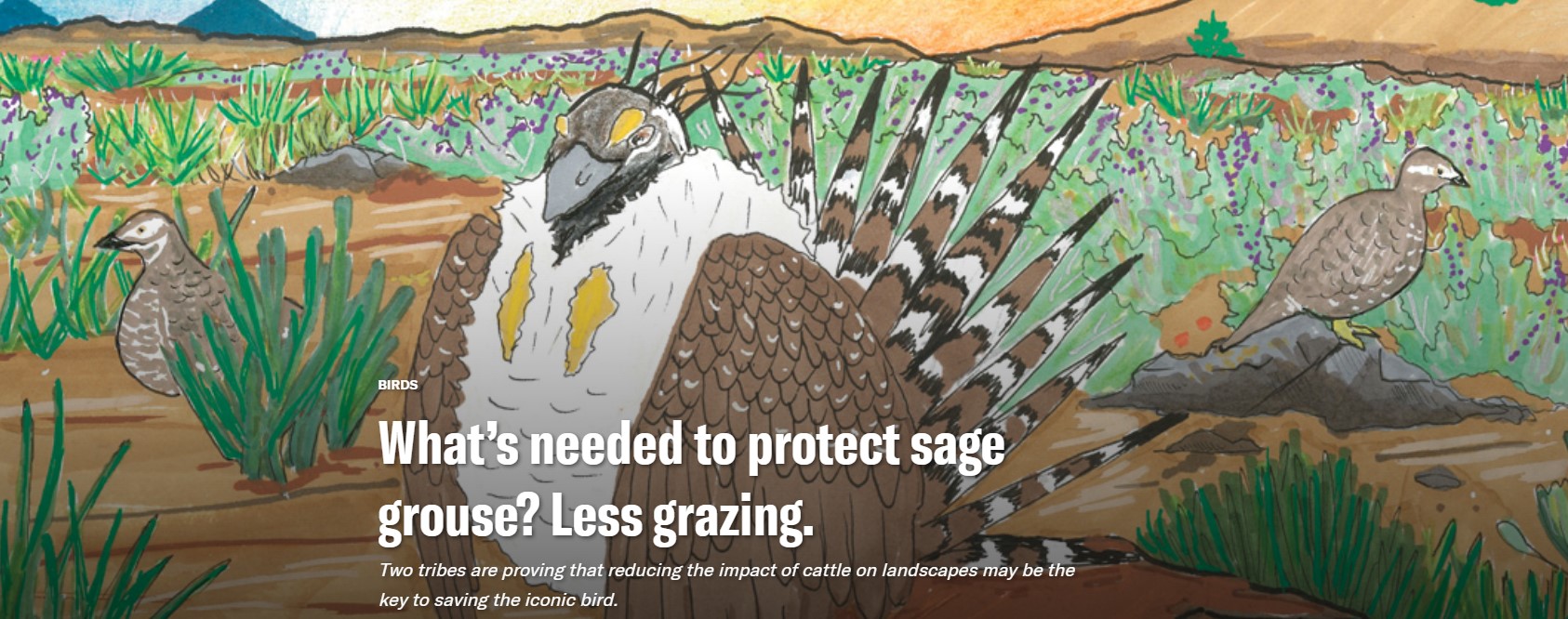
As a child, Lytle Denny learned where blue grouse, ruffed grouse, sharp-tailed grouse and greater sage grouse lived. A member of the Shoshone-Bannock Tribes, he scouted the high-desert landscape during family hunting trips on the tribes’ ancestral homelands in southeastern Idaho. His dad preferred hunting deer and elk, but Denny developed an affinity for grouse.

The family hunted together as a group. Denny moved quietly through the silver-green sagebrush, hoping to hear the sudden heavy wingbeats of a startled bird. His family watched, waiting for a flush, not just of grouse but of mammals, too. “So it worked together,” he said. “We’d get birds and big game.”   READ MORE

Rare bird: Sage grouse are both unique and imperiled

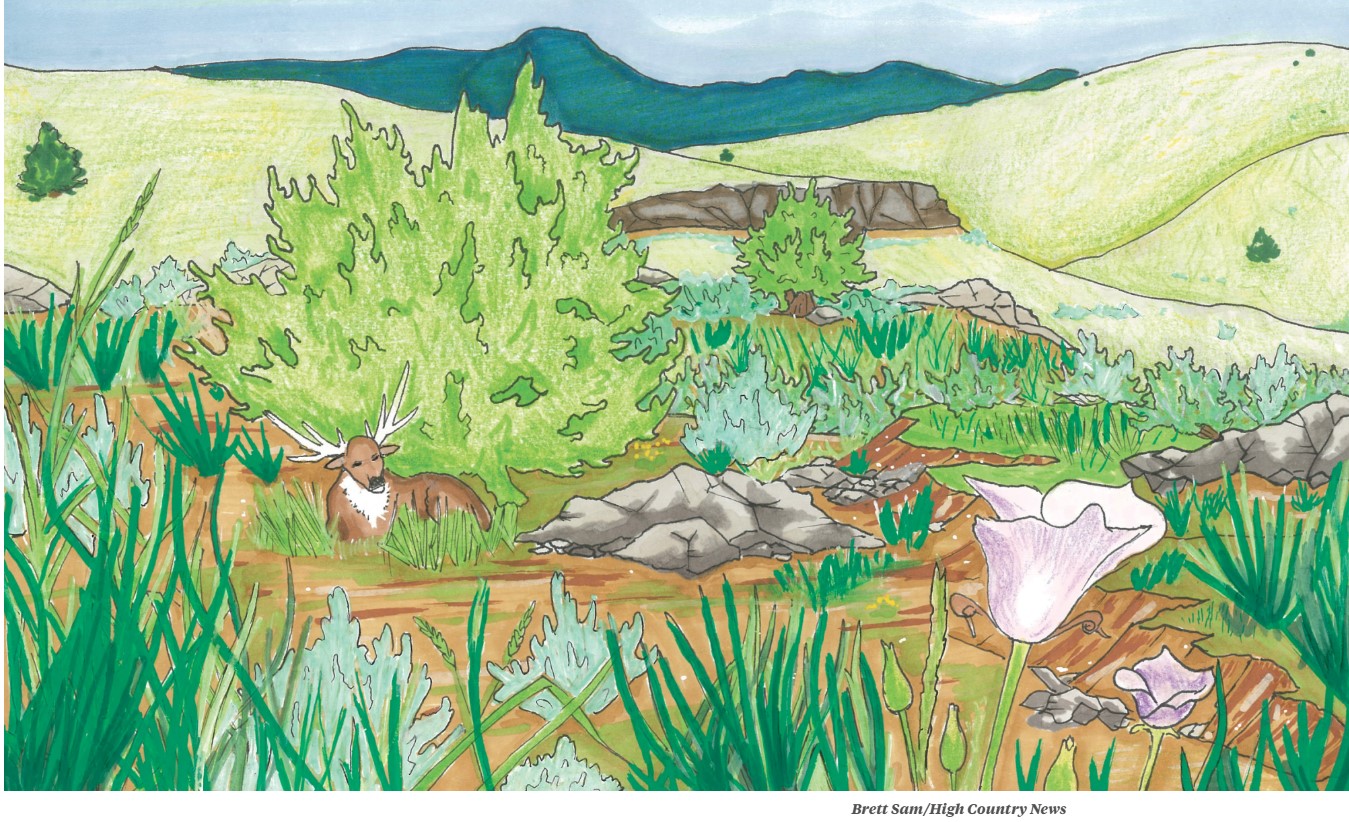
Much of sage grouse physiology and behavior — from the yellow air sacs that males inflate during mating displays to the species’ preference for eating plants — is unusual for a bird.

Avian evolution has favored light weight for easier flight, leading to hollow bones and small organs. But sage grouse evolved “heavy machinery,” as Boise State University researcher Jennifer Forbey described it — large organs and specialized guts — to digest sagebrush leaves, which are toxic to most animals.

From September to February, sage grouse eat sagebrush almost exclusively, preferring the tiny, silver-green leaves of low-growing species like early and mountain big sage. Scientists have found that these species fluoresce under ultraviolet light due to chemical properties in their leaves. Sage grouse have photoreceptors in their eyes that allow them to see UV light, and researchers like Forbey think that this glow may help the birds locate the plants. Female grouse teach their chicks where to find food, passing on what Forbey called “nutritional wisdom.” Both males and females return to the same breeding, nesting and chick-rearing sites every year, generation after generation.

But the birds’ loyalty and diet are no longer well-suited for today’s landscape, transformed since settlers arrived.

Every year, 1.3 million acres of sagebrush steppe is lost, primarily to wildfires fueled by cheatgrass that has spread, in part, by way of extensive livestock grazing. Unfortunately, animals that rely heavily on one food source — like koalas, pandas and sage grouse — “tend to be the most vulnerable to extinction,” Forbey said.  — Josephine Woolington

Interior Dept blazes ahead on unified wildland firefighting agency, without Congress endorsing plans

The Wildland Fire Service also stops short of folding in wildland fire personnel or programs from the USDA’s Forest Service.
The Interior Department is blazing ahead with a reorganization plan that will bring all of its wildland firefighting operations into a single agency.

Starting next week, the department’s wildland fire employees and programs will be moved into a new Wildland Fire Service.

Congress did not approve funds for the consolidation of federal firefighting programs into a single agency. The Wildland Fire Service also stops short of merging wildland fire personnel or programs from the USDA’s Forest Service with those same resources at the Interior Department.

An internal memo sent to staff on Monday states the Wildland Fire Service “will unify wildland fire management within DOI only.”

According to the memo, obtained by Federal News Network, the Wildland Fire Service will “align operations” with USDA through shared procurement, predictive services, research, and policy reforms.

“The success of these efforts will rely on ongoing support from Congress to secure the necessary funding and authorities needed to implement and sustain these important reforms,” the memo states.

President Donald Trump signed an executive order last summer requiring the Interior Department and USDA to consolidate their wildland fire programs “to the maximum degree practicable and consistent with applicable law.” The Trump administration’s fiscal 2026 budget request noted that wildland fire response has been split across five agencies in two departments.

A comprehensive spending deal to fund the Interior Department through the end of fiscal 2026 did not endorse the Trump administration’s plans to consolidate federal wildland firefighting operations into a single agency.

Democrats on the Senate Appropriations Committee wrote in a summary of the Interior spending bill last month that the spending package “specifically provides funding to continue wildland firefighting using the longstanding practice of funding both the U.S. Forest Service and the Department of the Interior to allow Congress to consider legislative proposals for such a major change.”

Most of Interior’s wildland fire personnel will move over to the Wildland Fire Service starting Feb. 8. Last month, Brian Fennessy, former chief of the San Diego Fire-Rescue Department and former fire chief of the Orange County Fire Authority, was tapped to serve as the new chief of the Wildland Fire Service.

The Wildland Fire Service will merge the wildland fire operations of the Bureau of Indian Affairs, the Bureau of Land Management, the Fish and Wildlife Service, the National Park Service, the Office of Aviation Services and the Office of Wildland Fire.
By unifying wildland fire programs spread across four DOI bureaus and two offices, the Interior Department expects to “eliminate redundancies and build a more cohesive workforce.”

“This integration paves the way for streamlined training, stronger recruitment, and greater career growth for Interior wildland fire personnel,” the memo states.

Last fall, an employee group called Grassroots Wildland Firefighters applauded greater coordination between the Interior Department and the Forest Service but said these actions “do not yet go far enough.”

“We know the limits of what can be done through executive action alone. At the same time, we know the limits of what can be done through executive action alone. Lasting reform — true consolidation of our nation’s wildfire workforce under experienced fire leaders in a single, mission-driven organization — will ultimately require congressional action,” the group said in a press release.

Interior said the next steps to stand up the Wildland Fire Service will “occur in deliberative phases to ensure continuity of operations and readiness for wildfire activity in 2026.”

Interior Secretary Burgum issued a departmentwide order last month calling for the unification of the disparate wildland fire operations and activities.

An earlier order from Burgum specified that the Wildland Fire Service would function more as a “strategic alignment of resources” between Interior and the Forest Service, including early fire detection technology, planes and vehicles and modernized communication tools, to ensure “cross-team coordination when jointly fighting wildland fires.”

Wildfires cost the United States hundreds of billions of dollars, posing a risk to national security, public health, energy infrastructure and water sources.

Monday’s memo states that the Wildland Fire Service “positions DOI to harness cutting-edge technology more efficiently,” and invest in advanced wildland firefighting tools.

“By streamlining the chain of command from the firefighter on the ground straight up to the chief, the USWFS will eliminate bureaucratic hurdles and ensure decisive, timely action during wildfire incidents. This clarity in decision-making will strengthen coordination and accelerate response efforts when every second counts,” the memo states.

Tribal wildland fire programs will also be included in the new Wildland Fire Service.  The memo states the Interior Department will continue to “honor and administer” current contracts and agreements with tribal wildland fire authorities, and that its Bureau of Indian Affairs will help transfer existing contracts and agreements over to the Wildland Fire Service.
WATCH VIDEO
This documentary pays homage to Wyoming’s pioneering mountain guides and their crucial contributions to the advancement of safe and empowering climbing practices. By weaving together the stories of legendary figures like Glenn Exum and Paul Petzoldt with contemporary narratives, the film will serve as an enduring source of heritage, wisdom, and inspiration for the broad and interconnected community deeply invested in mountaineering and outdoor pursuits.

With Wyoming PBS content you can delve into Wyoming history, explore the breathtaking beauty of our iconic national parks, and immerse yourself in the inspiring tales of Native American leaders, ranching life, the wonders of nature, and the many things to do in Wyoming. Whether you’re seeking inspiring narratives or planning your next adventure in our beautiful state, WY PBS is your trusted guide.

Subscribe to our channel: / wyomingpbs