12. January 2017 · Comments Off on Interactive: The 29 national monuments that Obama created or expanded while in office · Categories: Around The Campfire, Current Events
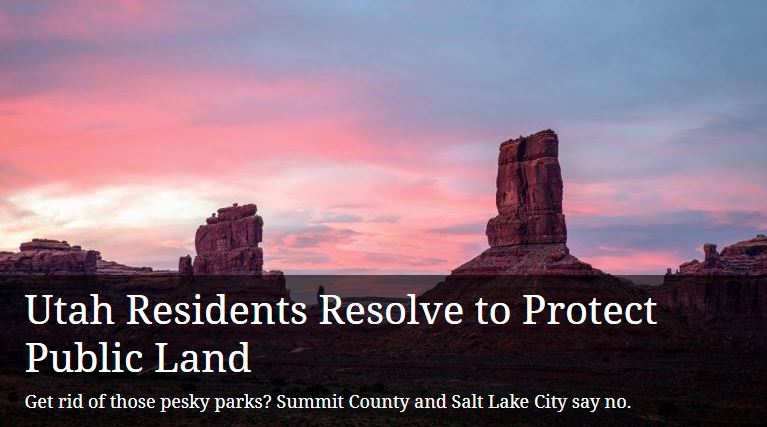
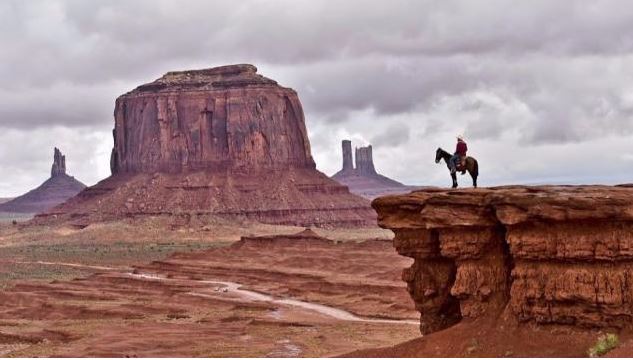
National Monuments designated by Barack Obama

Click for Interactive Map

Fort Monroe National Monument
Fort Ord National Monument
Chimney Rock National Monument
César Chávez National Monument
San Juan Islands National Monument
Río Grande del Norte National Monument
Harriet Tubman Underground Railroad National Historical Park
First State National Historical Park
Charles Young Buffalo Soldiers National Monument
Point Arena-Stornetta Public Lands
Organ Mountains Desert Peaks National Monument
San Gabriel Mountains
Honouliuli National Monument
Pullman National Monument
Browns Canyon National Monument
Berryessa Snow Mountain National Monument
Waco Mammoth National Monument
Basin and Range National Monument
Mojave Trails National Monument
Sand to Snow National Monument
Castle Mountains National Monument
Belmont-Paul Women’s Equality National Monument
Stonewall National Monument
Katahdin Woods and Waters National Monument
Northwestern Hawaiian Islands
Pacific Remote Islands Marine National Monument
Northeast Canyons and Seamounts Marine National Monument
Bears Ears
Gold Butte

12. January 2017 · Comments Off on IDPR Non-Motorized 1/11 Meeting Materials · Categories: Around The Campfire, Current Events
January 11, 2017

IDPR Non-Motorized Meeting Materials

Good Morning,

If you were unable to attend the IDPR Non-Motorized meeting last night, here is a link for you to download all of the meeting materials that were handed out. Please let me know if you have any questions.

January Meeting Handout – summit summary next steps

06. January 2017 · Comments Off on Alert January 2017 – House Vote on Public Lands · Categories: Around The Campfire, Current Events


The U.S. House of Representatives just made it easier for the government to sell or give away national parks, national forests, and other public lands.

A new rule, written by House Natural Resources Committee Chairman Rob Bishop (R-UT), establishes as fact that any legislation to dispose of public lands and natural resources would cost taxpayers exactly $0. This paves the way for the new Congress to get rid of vast swaths of public lands — all at the expense of the American taxpayer.
Under Congressional Budget Office accounting rules, the House is required to account for the cost of any legislation it considers. Now, the House does not need to even estimate any financial losses from giving away public land. Bills to dispose of public land will skip several steps in the normal legislative process, coming up for a vote without any discussion of the costs and benefits. The House approved the rules change by a vote of 234 to 193 on Tuesday.

Since the move applies only to House rules, it is not subject to approval by the Senate or a presidential signature. It is effective immediately.

“The House Republican plan to give away America’s public lands for free is outrageous and absurd,” Rep. Raul Grijalva (D-AZ) said in a statement just prior to the vote. “This proposed rule change would make it easier to implement this plan by allowing the Congress to give away every single piece of property we own, for free, and pretend we have lost nothing of any value. Not only is this fiscally irresponsible, but it is also a flagrant attack on places and resources valued and beloved by the American people.”

The procedural shortcut appears to apply equally to all types of public land. For example, national parks from Yellowstone to the Grand Canyon, as well as federal buildings such as the Pentagon, could all be given away without consideration of the cost to American taxpayers.

The idea to dispose of public lands reflects the alliance between anti-government extremists, led by Cliven Bundy, and members of the anti-parks caucus, who don’t acknowledge the federal government’s authority over national public lands. Instead, these groups want to see public lands given to the states. In reality, states would likely be unable to shoulder the burden of managing these lands — from fighting wildfire to cleaning up abandoned mines — and would ultimately sell them to private interests.

The House rules change was met with sharp criticism from conservation and watchdog groups.
“Less than one day in and Congressional Republicans are already greasing the skids to give away or sell off America’s public lands, forests, and wildlife refuges,” Jen Rokala, executive director for the Center for Western Priorities, said in a statement. “What’s worse, politicians are using smoke and mirrors to hide the cost of stealing away our public lands, while ripping off American taxpayers in the process.”

More than 90 percent of voters in Nevada, Colorado, and Montana believe public lands are an essential part of their state’s economy, according to polling by Rokala’s group. In addition, the U.S. Government Accountability Office has found that oil and gas drilling on public lands is one of the federal government’s largest sources of non-tax revenue.

Moreover, the Outdoor Industry Association estimates that outdoor recreation, which largely takes place on public lands, is responsible for a $646-billion industry that supports 6.1 million direct jobs.

As recently as four weeks ago, Congress acknowledged the importance of the outdoor recreation economy. Both the House and Senate unanimously passed the Outdoor Recreation Jobs and Economic Impact Act (the Outdoor REC Act), which directs the Department of Commerce to measure the value of outdoor recreation economy.

But Tuesday’s vote asserts that public lands have absolutely no value to the American public — discounting the very economic driver the Outdoor REC Act aims to measure.

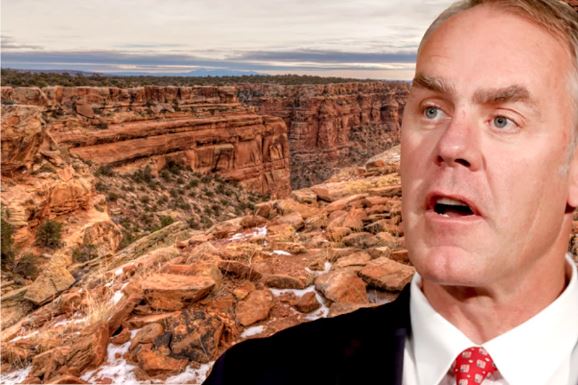
Both President-elect Trump and his Interior Secretary nominee, Rep. Ryan Zinke (R-MT) have been vocal opponents of selling off America’s public lands. Zinke resigned from the GOP platform-writing committee last summer after it included language supporting the disposal of public lands. However, Zinke voted in favor of the rules change that would streamline public land disposal.

It remains unclear where he will stand on this issue if confirmed as Interior Secretary. A date for Zinke’s confirmation hearing has not been set.

House Republicans including Montana U.S. Rep. Ryan Zinke voted Tuesday night to overturn a rule requiring Congress to calculate the value of federal land before transferring it to states or other entities, removing a significant barrier to limit lawmakers from ceding federal control of public lands.

The provision, part of a larger rules package that passed by a vote of 233 to 190, dictates that transfers of federal land should be treated as having no cost to the federal government, therefore requiring no budgetary offset, even if the parcels generate revenue for the U.S. Treasury through logging or energy extraction.

Currently, the Congressional Budget Office provides “scorekeeping” estimates to measure the costs of proposed public land transfers by evaluating the economic impacts of existing uses.

The new rule, introduced by Rep. Rob Bishop, R-Utah, overturns that requirement, stating that “authorizing a conveyance of Federal land to a State, local government, or tribal entity shall not be considered as providing new budget authority, decreasing revenues, increasing mandatory spending, or increasing outlays.”

While the idea of transferring federal public land to the states has figured prominently into the GOP platform because it returns management authority to surrounding communities, opponents caution that states without the resources to manage broad swaths of federal land would be forced to sell it off to developers.

“This proposal is outrageous and absurd,” according to an internal memo circulated to Democratic House members by the Natural Resources Committee and obtained by the Beacon. “This is fiscally irresponsible, not to mention a flagrant attack on places and resources valued and beloved by the American people. This proposal would allow the federal government to give away every single piece of property it owns, for free, and pretend we have lost nothing of any value.”

There are more than 27 million acres of federal land in Montana, encompassing about 29 percent of the state. The Forest Service oversees 17 million acres, mostly in Western Montana.

Zinke, Montana’s lone congressman, was recently tapped by President-elect Donald Trump as the nation’s next Interior Secretary and has opposed transferring management of federal lands to states’ control, even quitting his post as a member of the GOP platform-writing committee after the group included language that would have made transferring federal land ownership to the states a priority.

He characterizes himself as a “Teddy Roosevelt” Republican and made his commitment to preserving America’s public lands a centerpiece in his recent campaign for re-election.

“I was extremely surprised by Ryan Zinke’s vote in support of this rule change,” Brad Brooks of The Wilderness Society said. “This rule greases the skids by removing the biggest obstacle preventing the transfer of public lands. Talk is cheap and votes matter, and this vote really mattered.”

Trump has also stated he opposes the transfer of public lands, telling Field and Stream magazine last year, saying “I don’t like the idea.”

“You don’t know what the state is going to do,” Trump told Field and Stream. “I mean, are they going to sell if they get into a little bit of trouble? And I don’t think it’s something that should be sold.”

It’s no surprise, then, that Zinke’s vote in favor of the new rule prompted immediate backlash from the local conservation and outdoor recreation communities, whose advocates called it an about-face.

“This is an absolute affront to Montana’s way of life and to the millions of Americans who hike, hunt, fish, and camp on public lands,” said Brian Sybert, executive director of Montana Wilderness Association. “It’s especially troubling that Rep. Zinke, a self-proclaimed Roosevelt conservationist and possibly our next Interior secretary, voted for this measure, because this is a major attack on Roosevelt’s legacy.”

Backcountry Hunters and Anglers decried the measure and strongly criticized House members who voted in support of it.

“As the 115th Congress enters its first week, some of our elected officials are wasting no time in paving the way to steal our outdoor heritage,” said BHA President and CEO Land Tawney. “Buried in a litany of other measures is language inserted by Congressman Bishop that would make it easier to give away America’s public lands. For sportsmen, this provision sticks out like a sore thumb. If it’s a fight they want, they’ve got one coming – and I’m betting on public lands hunters and anglers.”

When pressed for comment about his vote to ease the transfer of public lands, Zinke’s communications director Heather Swift stated in an email, “Ryan Zinke’s position has not changed.”

The primary impact of the rules change is that it inhibits lawmakers from raising a budgetary point of order if a land transfer bill lands on the floor. Under current House rules, any measure that costs the U.S. Treasury money must be offset by budget cuts or another provision to replace lost revenue.

Marne Hayes, executive director of Business for Montana’s Outdoors, joined in criticizing the House vote.

“The U.S. House just voted to make it easier to give away one of Montana’s prized business assets. We are sounding the alarm that this legislation will directly impact Montana businesses because it threatens our public lands,” Hayes said. “While Montana Representative Ryan Zinke voted for the package, we hope that in his new role as Interior Secretary, he will stand firm against future threats to Montana jobs and our outdoor way of life.”

Following the House vote, both U.S. senators from Montana stated their continued opposition to transferring federal lands to the states.

“I continue to strongly oppose the transfer of federal lands to the states while fighting to improve the management of those lands,” Republican Sen. Steve Daines stated.

Democratic Sen. Jon Tester issued the following statement:

“This vote by the House is an underhanded assault on Montana’s outdoor economy, our hunting heritage, and our way of life. Public lands belong to all Americans and Congress should be safeguarding them, not clearing the way to auction them off to the highest bidder. I ask all those who care about our public lands to join me in demanding more public access, not more attacks on our public lands, from their representatives in the House.”

State Democrats likewise joined in the chorus chastising Zinke’s vote.

“Montana’s hunters and anglers won’t soon forget this vote and we will continue to hold Congressman Zinke accountable as he asks for the nation’s trust in serving as Secretary of the Interior,” said Nancy Keenan, executive director of the Montana Democratic Party.

06. January 2017 · Comments Off on REC-Link “A community of practice for Recreation Professionals · Categories: Around The Campfire, Current Events


Link to Web Site

FSM 2300 – Read it!
Posted by Francisco Valenzuela

The new Forest Service recreation Directive 2300, the Zero code was released late last year without much celebration.

But it’s a very important document in that it provides the foundation direction for Recreation, Wilderness, Heritage, and trail management along with other program areas. You should read it, share it with others and discuss what it means to your program management with your recreation team.

Our sustainable recreation symbol and the 4-“Ps” comes from this document though it does not jump out at you. That is our goals are to Provide and Protect, and our focus is to so with Partners and to Perform a high level, carrying our mission efficiently and effectively with a focus on results.

There are some major changes from the past including the idea of sustainability. This is direction and it should be carried out day by day and incorporated in your planning.
wo_2300_zero_code

Sustainable horse back riding

Posted by Deirdre Lightsey

Hi, thought I’d share a few of the ways that myself & my fellow conservation minded equestrian help to be part of the solution! Top down, we engage with the land managers (mainly Nat Forest & Parks but also state Forests & Parks). I am serving on the Nantahala Pisgah Forest Partners, which is a group of stakeholders collaborating to recommend ways to improve the new Forest Plan, N/P being an “early adapter” we’re under the 2012 mandate of citizen involvement, which has been very interesting. I’m co representative of the Recreation group with the IMBA & Amer Whitewater reps. We’ve also been taped to serve on the National Forest Foundation Forum that is working solely on the Plan revision. I feel that by acting in this arena, I can bring understanding of the equestrians to the other stake holders and help to interpret the management of the Forest back to my fellow horse folks.

I’m an officer in the Back Country Horsemen of NC, a chapter of BCH of America. The resources & knowledge sharing from the National org are invaluable to members who are concerned about riding light on the land. We are aware of trail conditions, and when we will make a larger impact like during freeze/thaw conditions or after a rain, and minimize our trail access at those times.

As an active Forest Volunteer, I am a certified “Leave no Trace” trainer for equestrian practices as well as a certified sustainable trail builder. This is helpful to keep working in the sustainable way when we make improvements to the trail, and also to help work alongside the Forest Service Rangers & other volunteers like hikers & bikers. We find that we can make less impact with a horse packing supplies & tools into work sites than mechanized vehicles. I have written grants to engineer & fund sustainable high lines, horse containment methods to give horse campers a much kinder gentler on the land way to overnight their horses.

All rides that I participate in are mapped and I carry loppers & a hand saw. A person on a horse can clear the canopy much easier than on foot and get further out to recon damage to trails. Mapping helps us pinpoint troubled areas (larger downed trees, eroded trail, areas that are causing siltation etc) and help us discuss the best course of action with the land manager.

19. December 2016 · Comments Off on 2016 Recreational Trails Annual Report · Categories: Around The Campfire, Current Events

Since 1991, the Recreational Trails Program (RTP) has provided more than $1 billion in Federal funding for trails across the country. RTP grants have been an essential ingredient in creating and improving over 21,350 trail-related projects nationwide, including urban greenways, nature centers, and horse, hiking, mountain bike, and motorized trails, as well as snow and water routes.

RTP leverages hundreds of millions of dollars of additional support from other sources for trails, encourages productive cooperation among trail users, and facilitates healthy outdoor recreation and economic activity in countless communities. See the RTP database for details of these projects.

American Trails joins with other members of the Coalition for Recreational Trails in celebrating RTP. This federation of national and regional trail-related member organizations work together to build awareness and understanding of the Recreational Trails Program.

2016 – Report – Overview – Recreational Trails – Environment – FHWA

Publication No. FHWA-HEP-17-001

Download the PDF Version of 2016 RTP Annual Report (PDF 24 MB)

PDF files can be viewed with the Acrobat® Reader®

14. December 2016 · Comments Off on Fall 2016 – The Wildest Place · Categories: Around The Campfire, Current Events

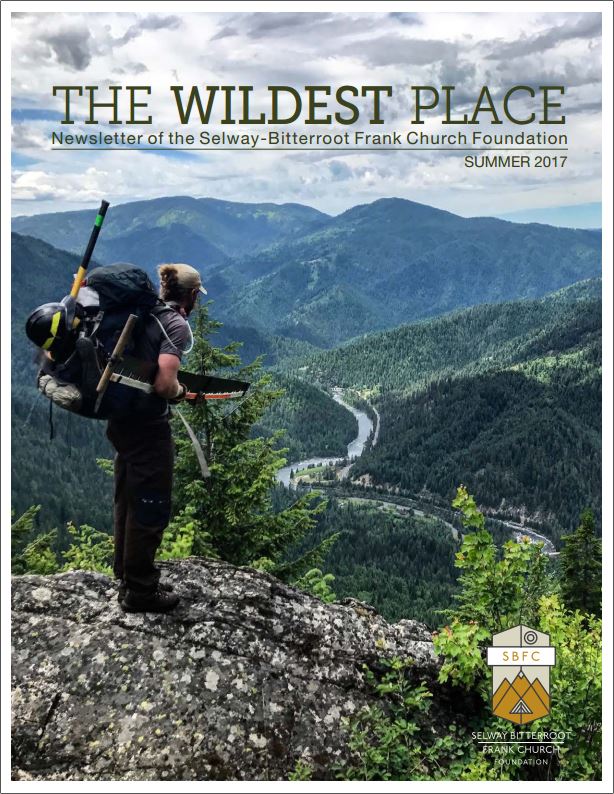
SBFC Newsletter-Fall 2016

The Selway-Bitterroot Frank Church Foundation Fall newsletter is attached.
Enjoy!
Sue Webster
Selway Bitterroot Frank Church Foundation
Communication & Membership Coordinator
RMRS – 322 E. Front St. Ste. 401
Boise, ID 83702
208-861-2010
swebster@selwaybitterroot.org

Connecting individuals and communities to Wilderness

11. December 2016 · Comments Off on 2016 – End of Season Party · Categories: Around The Campfire, Current Events

img_1825

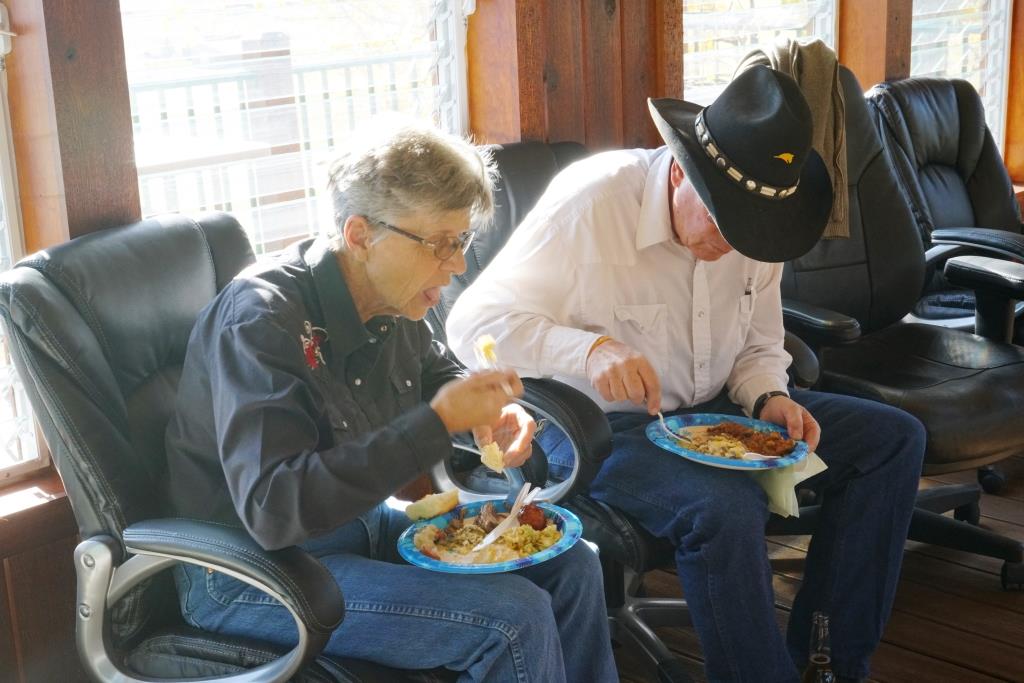
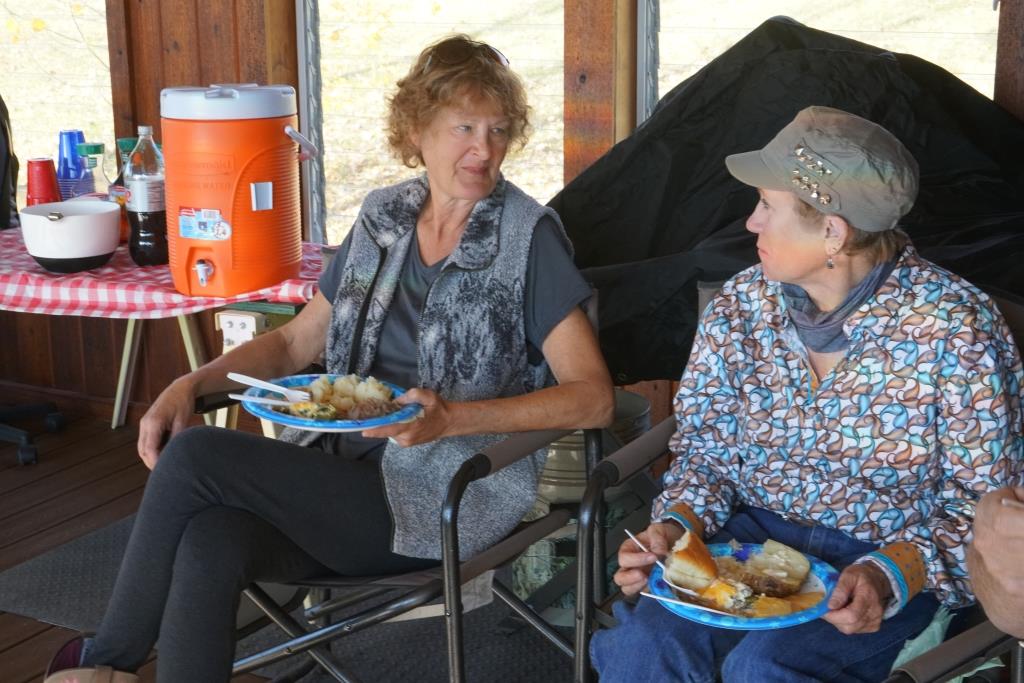
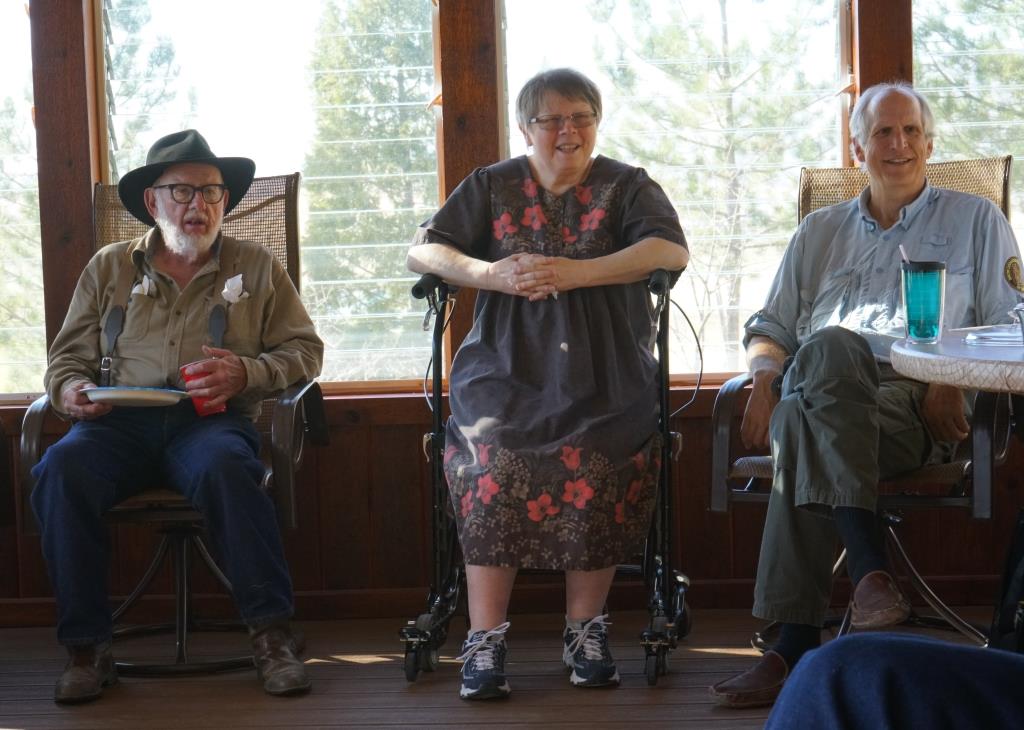
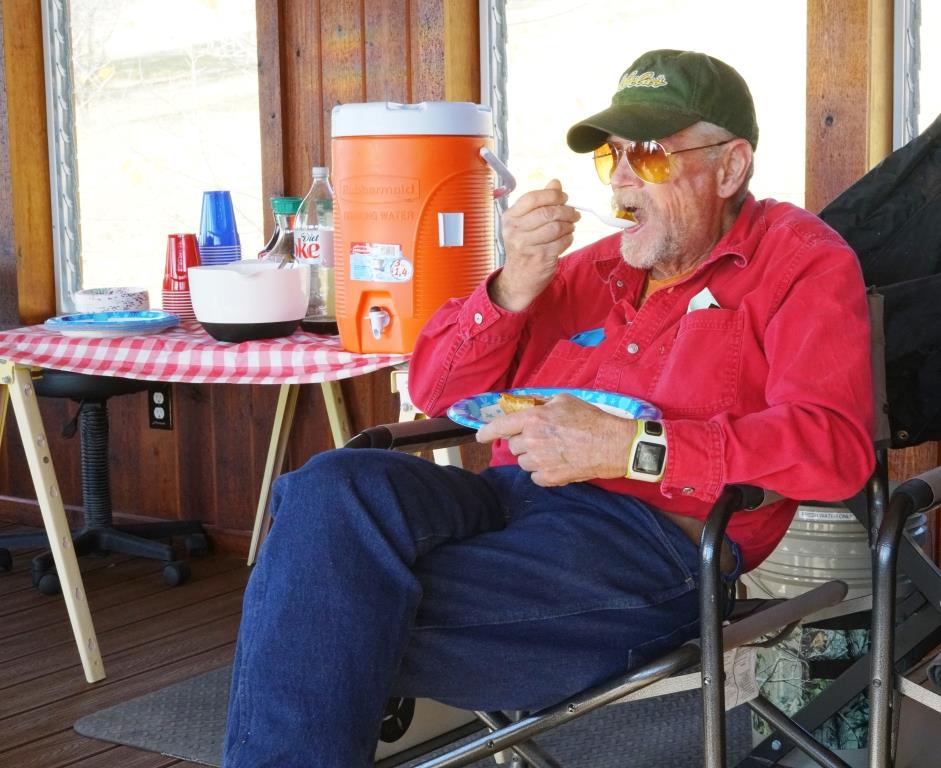
It was a dark and foggy night on December 10, 2016 when brave members and guest ventured out onto the road for the drive to Rebecca Ignacio’s party barn located in farm country north west of Emmett. Rebecca has taken a barn and turned it into a very attractive venue for groups activities. Read all about it and see Picture !  End of Season Party

img_1835

08. December 2016 · Comments Off on Risch introduces community-backed wilderness bill for Scotchman Peaks in North Idaho · Categories: Around The Campfire, Current Events

scotshmanpeak
BY ROCKY BARKER
rbarker@idahostatesman.com

U.S. Sen. Jim Risch introduced a bill Thursday to protect 13,900 acres in north Idaho as wilderness.

The Scotchman Peaks Wilderness Act of 2016 would protect a rugged range of mountains on the Montana border, near the city of Sandpoint and Lake Pend Oreille. Its low-elevation boreal and old-growth forests support a unique diversity of plants and Canada lynx, wolverine, mountain goats, moose and grizzly bears.

“If passed, this legislation would allow future generations of Idahoans to enjoy Scotchman Peaks, while at the same time protecting the needs and rights of local communities and tribes,” said Risch, an Idaho Republican. “This bill was introduced today to start the public process, and will not move forward until I hear from Idahoans directly about this topic. I look forward to holding a public hearing in the next Congress to receive input.”

The bill, introduced at the request of the Bonner County Board of Commissioners, has wide support including one of Idaho’s largest forest products companies and the Greater Sandpoint Chamber of Commerce.

Support for Scotchman Peaks wilderness dates to the late 1970s. But in 2005, the Friends of Scotchman Peaks formed specifically to organize community support for wilderness designation for the area.

“Sen. Risch’s support of the homegrown Scotchman Peaks wilderness campaign reflects the far-reaching community support for permanent protection of one of Idaho’s often overlooked wild gems,” said Craig Gehrke, Idaho state director for The Wilderness Society.

Rocky Barker: 208-377-6484, @RockyBarker

08. December 2016 · Comments Off on The 50-Year Story Of Creating Idaho’s New Wilderness Area · Categories: Around The Campfire, Current Events

iptv-whiteclouds
The 50-Year Story Of Creating Idaho’s New Wilderness Area
IdahoPTV/EarthFix | Dec. 7, 2016 3 p.m. | Updated: Dec. 7, 2016 4:24 p.m.

Castle Peak is so hidden from view that you can’t see it from any highway.

But it just might be the most important mountain in Idaho. Castle Peak and the surrounding Boulder-White Cloud Mountains have stirred up fights over mining, recreation and conservation — fights that have changed the course of political careers, including that of a self-described “Democratic lumberjack from North Idaho” named Cecil Andrus who became governor after taking a stand over the future of this rugged, mineral-rich wilderness.

And now, a generation later and the efforts of Idaho’s Republican U.S. Rep. Mike Simpson and others, it is part of the Northwest’s newest wilderness area.

The team at Outdoor Idaho has the story of the 50-years-in-the-making wilderness designation for a wonderland of peaks, lakes, headwaters and steep, remote forests.

Idaho Public Television calls it “some of the most dazzlingly diverse country in the West, deserving of the gold standard of protection.”

In its hour-long Special, the Outdoor Idaho crew visits the three new wilderness areas in the center of Idaho – the White Clouds, the Hemingway-Boulders, and the Jim McClure-Jerry Peak Wilderness – to tell the fascinating story of how the threat of an open-pit mine eventually led to a unanimous vote for Wilderness in Congress. This program also examines some of the major battles yet to be decided.

The entire hour-long “Beyond the White Clouds” program will be available to view here until Dec. 19.

04. December 2016 · Comments Off on Ride for Joy 2016 Report · Categories: Around The Campfire, Current Events

rfj

Click on picture to see full report

This flyer is from our very own Marybeth Conger regarding Ride for Joy. If anyone is interested in donating to the organization the address is Ride for Joy, PO Box 140295, Boise, ID 83714 marybethconger@rideforjoy.org

01. December 2016 · Comments Off on Alert – 12-01-2016 Equine Infectious Anemia (EIA). In Idaho · Categories: Current Events

The Idaho State Department of Agriculture’s Division of Animal Industries has reported a positive case of Equine Infectious Anemia (EIA). On November 28, 2016, the National Veterinary Services Laboratory confirmed a positive case of EIA in a horse located in Canyon County, Idaho. The premises and all horses within 200 yards surrounding the premises are currently under quarantine until further testing of exposed horses is complete. The affected horse was part of a group that underwent testing in preparation for interstate travel. Exposed horses will remain under quarantine until follow-up testing is completed at 60 days post exposure. An epidemiological investigation is underway to determine the source of the infection and identify additional horses that may have been exposed to the disease. This is the first EIA positive horse diagnosed in Idaho since 2005.

EIA is an infectious and potentially fatal viral disease of horses most commonly transmitted by biting insects. If not properly disinfected prior to use, needles and equipment contaminated with blood from an infected horse can also spread the virus to unexposed horses. At this time, there is no vaccine available to prevent infection or any medical treatment that is effective against the virus. Horses that do acquire the disease are infected throughout their life and will remain a source of infection to other horses in close proximity.

The symptoms of a horse infected with EIA are often subtle and may go unnoticed. EIA-positive horses may develop a low-grade fever or become lethargic as well as demonstrate weight loss, icterus (yellowing of body tissues), anemia, swelling in the limbs, and weakness. However, not all equids infected with the EIA virus show signs of illness, and these animals serve as inapparent carriers. Horses demonstrating clinical signs of EIA pose the greatest risk of spreading the virus due to the increased concentrations of virus circulating in the blood. Even inapparent carriers, though, may be a source of infection and pose a risk to other horses. Because of this risk, Idaho state law requires EIA-positive horses be euthanized or maintained under strict quarantine, isolated from all other horses, for the life of the animal. Most states require a test for EIA be conducted within the last 12 months of horses moving interstate. Horse owners are encouraged to incorporate an annual test for EIA (Coggins test) into their routine animal health regimen regardless of whether they travel interstate.

Thank You
Debbie Amsden
Executive Director

01. December 2016 · Comments Off on 2016 – Hours & Miles Summary (Squaw Butte Chapter) · Categories: Current Events, Work Parties and Projects

hours-2016
hours-2016-summary

28. November 2016 · Comments Off on Draft plan released for 2 central Idaho wilderness areas · Categories: Current Events, Public Meetings

bolder-white-cloud-draft-mgt-plan     \    Proposed Restrictions for Recreational Stock Use In The Boulder White Clouds Wilderness

Notice of Initiating the Assessment Phase of the Forest Plan Revision for the Salmon-Challis National Forest
whitecloudBy KEITH RIDLER – Associated Press – Monday, November 28, 2016

BOISE, Idaho (AP) – A draft plan unveiled Monday for two recently created Idaho wilderness areas prohibits campfires at high elevations to protect whitebark pine and eliminates horses and other recreational stock in some areas to protect alpine soils.

The U.S. Forest Service and U.S. Bureau of Land Management announced the availability of the 67-page document intended to guide management of the 138-square-mile Hemingway-Boulders Wilderness and the 142-square-mile White Clouds Wilderness, both in central Idaho.

The agencies say the goal is to manage the areas for recreation and other activities while preserving wilderness character.

The ban on campfires above 9,000 feet with some exceptions is intended to protect whitebark pine as well as snags and downed trees at high altitudes where firewood is scarce and living trees become targets.
“We cannot lose whitebark pine,” said Forest Service spokeswoman Julie Thomas. “There are not that many of them (that) we can start using them for firewood.”

The ban on horses and other recreational stock applies only to a portion of the White Clouds Wilderness, in part to protect riparian areas.

Dani Mazzotta of the Idaho Conservation League said 60 volunteers over the summer documented high-use areas, trash removal and wildlife sightings. She said the information was turned over to the federal agencies but it’s not clear if it was included in the draft plan.

“We’ll be diving into the wilderness plan in the next couple weeks,” she said President Barack Obama signed the Sawtooth National Recreation Area and Jerry Peak Wilderness Additions Act in August 2015 after Republican Rep. Mike Simpson of Idaho got ranchers, recreationists and environmental groups to back the plan.

Simpson had been working on wilderness designation for 15 years, but some groups upset with the delay pushed Obama to designate a much larger area a national monument. That possibility is widely believed to have led to the wilderness bill passing despite opposition, particularly in rural Custer County where some of the wilderness area is located.

“A lot of people are upset with the fact that I didn’t call their bluff and see if they turned it into a monument,” said Custer County Commission Chairman Wayne Butts, noting he and the two other commissioners didn’t want to take that chance and signed on with Simpson’s bill.

He said that among the problems with the draft plan are negative comments about grazing cattle, a use specifically allowed as part of the compromise deal reached to create the wilderness areas.

The law also allows for the retirement of grazing allotments, and Thomas said one allotment has already been retired that overlapped a part of the White Clouds Wilderness.

The central Idaho wilderness areas created with Obama’s signature in 2015 also include the 183-square-mile Jim McClure-Jerry Peak Wilderness. Federal officials say the management plan for that area, which involves a different national forest and more BLM land, is being completed in a separate planning effort.

Public meetings to discuss the plan for Hemingway-Boulders Wilderness and White Clouds Wilderness are set for Dec. 5 in Challis, and Dec. 6 in Stanley and Ketchum.

Public comments are being taken through Jan. 5, with a final plan expected to be released in the spring.

Draft plan released for 2 central Idaho wilderness areas

Management plan for the Jim McClure-Jerry Peak Wilderness (116,898 acres)

Sawtooth National Forest
2647 Kimberly Road East
Twin Falls, Idaho 83301

Bureau of Land Management
Challis Field Office
1151 Blue Mountain Road
Challis, Idaho 83226

FOR IMMEDIATE RELEASE
CONTACT: JULIE THOMAS, PUBLIC AFFAIRS
PHONE: 208-737-3262
DATE: November 28, 2016

Sawtooth National Recreation Area and BLM Challis Field Office Seek Comments regarding the Hemingway-Boulders and White Clouds Wilderness Management Plan Ketchum, ID – The Forest Service and Bureau of Land Management are announcing the availability of the proposed wilderness management plan for the Hemingway-Boulders and White Clouds Wilderness areas. A wilderness management plan guides the preservation, management, and use of wilderness to ensure it is unimpaired for future use and enjoyment as wilderness. The draft wilderness management plan provides direction for managing the resources and uses within wilderness: recreation, search and rescue, research, wildlife, vegetation, while preserving wilderness character.

To access the draft plan, or for more information on the planning process, the wilderness areas, and interactive maps,

Please visit the interagency project website at: http://usfs.maps.arcgis.com/apps/MapJournal/index.html?appid=5693f6ff6783482da33cb7c2bf9f12d2

You may also request hard copies or CDs containing the document by contacting the Sawtooth National Forest Office at 208-737-3200.

The BLM and USFS will also offer three public open-house meetings during the scoping period:
Challis, Idaho: December 5th, 5-7 p.m. at the Forest Service Office, 311 N. US Hwy 93.
Stanley, Idaho: December 6th, Noon-2 p.m. at the Stanley Community Center, Hwy 21.
Ketchum, Idaho: December 6th, 5-7 p.m. at the American Legion Hall, 220 Cottonwood Street.

Comments concerning this action will be most useful if received by January 5, 2016 through one of the following methods:
Send an email to: comments-intermtn-sawtooth-nra@usda.gov

Send a hardcopy letter to Sawtooth National Forest, 2647 Kimberly Road East, Twin Falls, Idaho 83301

Proposed Restrictions
The draft wilderness management plan proposes restrictions on two uses in certain portions of the wilderness areas: recreational stock and campfires. Click on headings for location details.

Recreational Stock
Limitations on are proposed on recreational stock use above Lodgepole and Quiet lakes, within Gunsight Creek, and within the Big Boulder drainage, excluding Walker and Island lakes. These limitations are proposed to protect fragile alpine soils and vegetation, including sensitive whitebark pine trees, riparian processes and aquatic biota.

gunsight

24. November 2016 · Comments Off on Bernie Lionberger · Categories: Current Events

Dear BCHI Members,

It is with sadness that inform you that Bernie Lionberger 74 passed away November 18, with family around him. Bernie, born Nov. 28, 1941, had a passion for aviation, horses and the Dallas Cowboys.

A memorial service will be held at Yates Funeral Home, 744 N 4th St, Coeur D Alene on Saturday, Nov. 26, at 2:00. Cards can be sent to Sherri Lionberger at 8429 Evergreen Dr, Helena, MT 59602

I have sent a card in BCHI’s name.

Debbie Samovar
BCHI Secretary

blj-1dscf0427
img_0976
Bernie & Sherri at BCHI convention 2007

The flyboys Summer of 88

23. November 2016 · Comments Off on 2016 End of Season Party (Pot Luck Dinner) · Categories: Current Events, Fun Days

party2016christmas-party-flyer      Directions

This is a POT LUCK Dinner to celebrate 2016 and start thinking about 2017
img_1808

10. November 2016 · Comments Off on BCHI Calendars VS Dues Increase · Categories: BCHI /BCHA, Current Events

Back Country Horsemen of Idaho Member

At the September BCHI Directors Meeting some chapters expressed an interest in increasing BCHI dues to cover expenses rather than selling raffle calendars.

At my request, Kay Ryan and Rod Parks went through the finances. Attached is a letter of their findings.

Maybe one of the chapters that is against the calendar sales will have a proposal for the 2017 Convention. If we do not do a calendar after 2018, we will need to pass the dues increase in 2017, payable in 2019 or we will have to spend about $12,000 out of reserves until a dues increase is approved or another form of funding is put in force.

This letter will be in the February issue of Broomtales and on the Agenda of the March Convention.

Please look this over and discuss with you chapter.

Thank you,
Bob Savage
Chairman,
bchibsavage@gmail.com
208-448-2457

bchi-raffle-calendars-versus-dues-increase

02. November 2016 · Comments Off on Mountain Bikes and the Wilderness · Categories: Around The Campfire, Current Events

Mountain bikers don’t need to ride in wilderness areas

BY JOHN WHEATON

Like many mountain bikers, I used to share the opinion that bikes should be allowed on any trails on public land, including wilderness areas. Why shouldn’t I be allowed to ride my bike anywhere that I want? I was a Southwest Idaho Mountain Biking Association board member for three years, and ride regularly around the West. My sense of entitlement to public land use came naturally.

However, that sentiment is rooted in an ignorance of why the Wilderness Act was passed, coupled with a lack of knowledge about how much access mountain bikers already have. Legislation sponsored by Utah Sens. Mike Lee and Orrin Hatch (S. 3205) panders to this lack of awareness — and the entitlement that it breeds.

Gutting one of our nation’s bedrock conservation laws, the bill will open designated wilderness areas to mountain biking, a move that should be soundly opposed. Public lands are treasured by everyone, not just mountain bikers, and are designated for many reasons, not just recreation.

Read more here:

Idaho’s new wilderness helps drive mountain bike bill

BY MICHELLE L. PRICE
The Associated Press
AND ROCKY BARKER
rbarker@idahostatesman.com

SALT LAKE CITY
More than 100 million acres of America’s most rugged landscapes designated as wilderness are off-limits to mountain bikers, but two Utah senators have introduced legislation that would allow bikers to join hikers and horseback riders in those scenic, undisturbed areas.

The proposal is controversial within the biking community and opposed by conservationists who say bikes would erode trails and upset the five-decade notion of wilderness as primitive spaces.

Read more here:

Should America’s wilderness be open to mountain bikes?

BY ROB HOTAKAINEN
rhotakainen@mcclatchydc.com

WASHINGTON
For most environmentalists, nothing is more sacred than America’s wilderness: 109 million acres of land in 44 states protected by Congress and “untrammeled by man,” where only hikers and horseback riders are allowed.

But many of the nation’s mountain bikers want in, too.

“Let’s talk about the science here for a second: A mountain bike tire is essentially as much damage as a bunch of hikers going up a trail with all their hiking poles, and it’s less damage than equestrian use,” said Eric Brown, trail director for the Whatcom Mountain Bike Coalition in Bellingham, Wash.

Read more here:


27. October 2016 · Comments Off on Summary of Projects & Activities Squaw Butte 2016 · Categories: Around The Campfire, Current Events

bchi-picP1050407Kennally_Johna_Acorn_TrailTP02

Click here to read the 2016 Season Report 2016-summary-of-projects-activities

25. October 2016 · Comments Off on American Trails Report 2016 · Categories: Around The Campfire, Current Events

atsum16

Click on the pictures to read


annreport2016
trailmarkers
Trail Marking Systems   Rhino Signs        Voss Signs

18. October 2016 · Comments Off on Bryan Play Day – October 2016 · Categories: Around The Campfire, Current Events

raceblake-clown2blake-clownroperkids


kids-horse
Wow – that was fun, wasn’t it? Thank you ALL for making it another fantastic year. A special thanks to my kids – Athena, Blake Sappe and Olivia Sappé for helping put it all together and keeping it running smooth. Blake Sappe – you may have missed your calling. You might consider turning in your rope for face paint. The kids’ loved you and so do I Peaches.
See full pictures on Picasa
blake-clown3

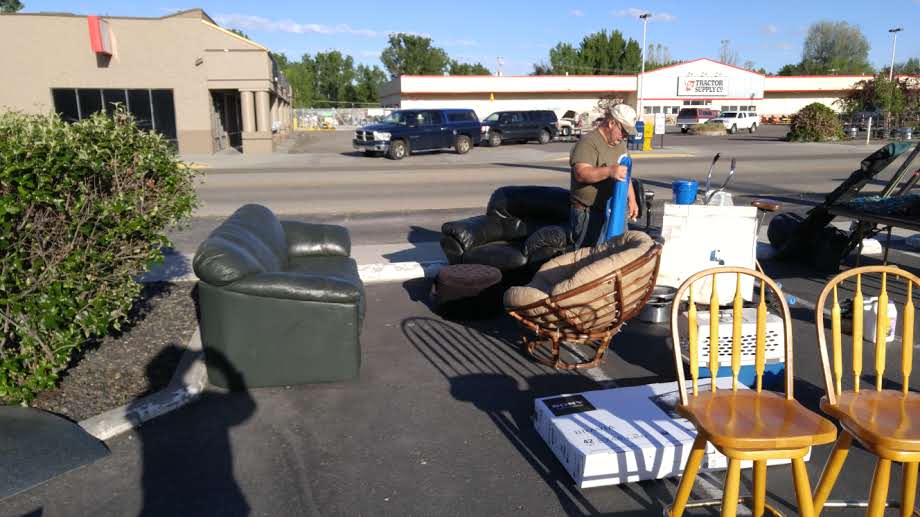
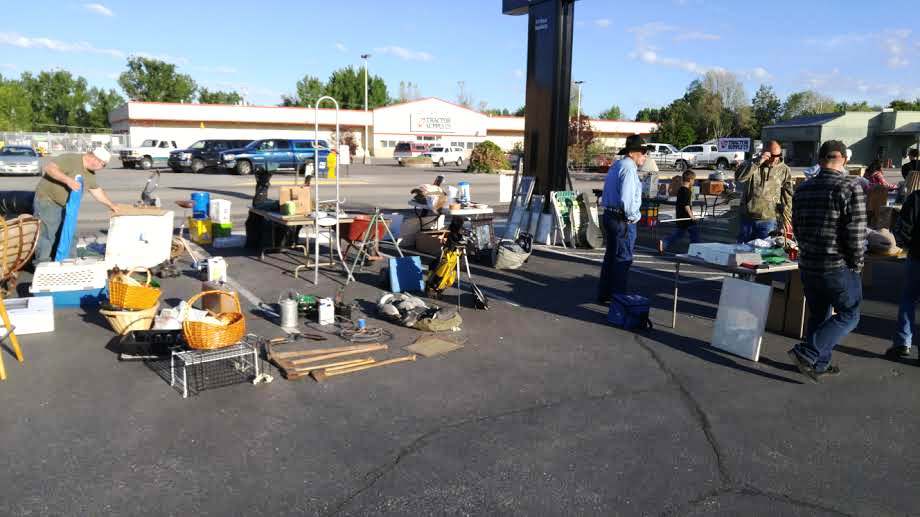
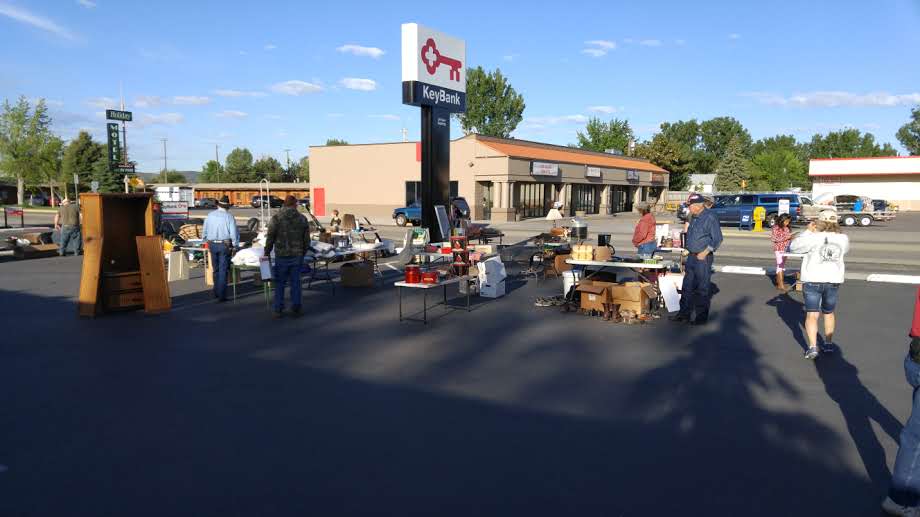
16. October 2016 · Comments Off on 2016 Public Outreach & Yard Sale · Categories: Around The Campfire, Current Events

yardsale-small

Tractor supply loaned us these pop-up tents to help shelter our table from the light rain that fell at time during the sale.  They did a great job and didn’t blow away with sand bags attached to each leg.

?

Don’t be surprised if this hat finds it’s way into a gift box at the end of season party gift exchange!

?

Some happy ladies, the sale was a success, we are all packed up, and it is time to head for home before the next front hits!

Read about this event

07. October 2016 · Comments Off on BCHI – State board meeting September 2016 · Categories: BCHI /BCHA, Current Events

bchi-pic

MB Conger
Squaw Butte State Board Member & BCHI Education chair

bchi-state-board-meeting-september-2016
bchi-education-report-sept-2016-3
bchi-education-for-bcha-march-2016
nine-mile-training
bchi-state-director-2016

hlfallsbm2016
foundationfall2016

30. September 2016 · Comments Off on High Valley DN/FONSI is signed · Categories: Current Events

highvalley

From: Newton, Richard E -FS   renewton@fs.fed.us
Date: Fri, Sep 23, 2016
Subject: High Valley DN/FONSI is signed

Morning All,

I’m excited to announce that Cecilia signed the High Valley Decision yesterday.

I wanted to thank everyone for all the hard work, perseverance, and persistence. It was an involved process but in the end I believe it allows us to manage in a pro-active fashion and conduct treatments necessary to move the forest into a healthier state.

Please pass this info on to whoever you feel will be interested. I did not have a current list for the BFC and know I missed several key participants.

Thanks again and I look forward to working with you on the next landscape scale project (Sage Hen) on the Emmett District.

Have a great weekend!

RN.

Read Document

21. September 2016 · Comments Off on Boise Forest Coalition – Open Letter · Categories: Around The Campfire, Current Events

bfc

To: Friends of the Boise National Forest
From: Boise Forest Coalition
Date: September 20, 2016
RE: Pioneer Fire Field Trip and Invitation to Boise Forest Coalition

Dear Friends,
We are writing on behalf of the Boise Forest Coalition (BFC). The purpose of this letter is to invite your attendance at an upcoming field trip to visit the Pioneer Fire and to encourage participation in the Boise Forest Coalition and our work. The Pioneer Fire burned across over 180,000 acres within the Boise National Forest this summer. The field trip is intended to provide a first-hand look at the impacts from the fire (both positive and negative) and to provide useful perspective as the Forest Service and BFC consider potential restoration and management actions identified through both the Burned Area Emergency Rehab (rapid response) and NEPA (project development) process. As a representative of an important constituency, we invite you to consider participating in the field trip, and learning more about opportunities to participate and support the efforts of the Boise National Forest and the BFC as we move forward to restore and protect our forests.

What: Field Trip to Pioneer Fire area

When: Tuesday, September 27, 2016, 9 a.m.

Where: Idaho City Ranger District (Highway 21, milepost 38.5, Idaho City)

Note: Bring a pack lunch, sturdy shoes, water and be prepared for a day in the field. Bus transportation will be provided from Idaho City.
RSVP Required: Brant Petersen, District Ranger, (Bpetersen02@fs.fed.us)

About the Coalition

The Boise Forest Coalition was formed in September 2010, bringing together diverse interests to craft recommendations for multi-faceted forest projects in the Boise National Forest. The citizen-led group is open to anyone with an interest in Boise National Forest management. We generally meet on the first Thursday of the month at a location that is relevant to our project work. Additional info, including protocols, meeting notes, etc. are available at boiseforestcoalition.org.

On Behalf of the Boise Forest Coalition,
Rachel Vandenburg, Steering Committee Member
Jonathan Oppenheimer, Steering Committee Member
Art Beal, Steering Committee Member

16. September 2016 · Comments Off on Take Action! Support the Land & Water Conservation Fund · Categories: Around The Campfire, Current Events

lwcflwcf2
Dear BCHA Members:

As the 114th Congress looks toward its final months of work, we urge you to support the bipartisan agreement to permanently reauthorize the Land and Water
Conservation Fund that passed the Senate in April as part of the Energy Policy Modernization Act of 2015.

BCHA is a member of the LWCF Coalition that supports this bipartisan compromise. We want our members to be part of a major push to demonstrate our support.

Please sign your BCH state or chapter onto the LWCF Coalition letter that soon will be sent to Congress. The letter can be accessed here.

LWCF is one of our country’s most important conservation programs, supporting local communities and increasing access to the outdoors in every state and 99% of all counties. The program is overwhelmingly popular and has maintained broad bipartisan support over its 50-year history of successful, locally-driven conservation. Yet, in 2015, it was allowed to temporarily expire and then given only a short term renewal.

Since permanent authorization of the LWCF passed the Senate, but not the House, it is going to be on a shorter list of issues that must be addressed before the end of this Congress. It is part of the Energy Bill Conference Committee that is convening right now.

Why is this Important to Horsemen?

BCHA prepared a fact sheet on the importance of Congress reauthorizing the LWCF. To view a map or a listing of LWCF funded projects in your state, go to the LWCF Coalition website. As you will see, LWCF has benefited our national parks, national forests, state and local parks and other natural areas for over half a century.

The Energy Bill Conference Committee has included two other provisions that are important to BCHA members. The first creates a new National Park Maintenance and Revitalization Fund that is over and above LWCF—NOT taking authorized dollars away from LWCF—from offshore energy revenues. The fund would dedicate $150 million per year toward addressing the maintenance backlog in national parks, including trails.

Secondly, the bill would dedicate at least $10 million each year of LWCF funds that “shall be used for projects that secure recreational public access to Federal public land for hunting, fishing, or other recreational purposes.’’ This could include national forests and other public lands. So again, the public and horsemen could be the beneficiaries of directing this small portion (no more than 1.5%) of LWCF monies toward enhanced public access.

Take Action

Again, please consider signing on to the Coalition letter by adding your BCH state/chapter to the list of LWCF supporters as soon as possible. It’s urgent. Congress is in session only for a few more weeks.

We would also appreciate you forwarding this invitation for sign-on to BCH chapters/units in your state. We need the fantastic geographic diversity among BCHA’s membership to sound off on the importance of LWCF in creating and expanding recreational opportunities in every state.

Thank you for taking action!

We are hopeful that Congress will act to permanently authorize this landmark legislation that recognizes the universal importance of LWCF, dedicates an annual funding stream to address the national park maintenance backlog, and dedicate a modest amount of LWCF funds to improve public access to public lands.

Donald Saner,
BCHA Chairman

07. September 2016 · Comments Off on This Land Is Our Land’: Defense Strategy · Categories: Current Events

OPR-1 Link to Pod Cast

06. September 2016 · Comments Off on BCHA – Current Issues · Categories: Current Events

BCHA

BCHA-BCHW public scoping comments regarding the park’s Wilderness Stewardship Plan

Help BCHA secure more horseback riding opportunities at Mount Rainer National Park

BCHA Provides the Rationale for Why Congress Must Pass the “Forest Trail Stewardship” Bill

BCHA-BCHC sends public scoping comments regarding the park’s Wilderness Stewardship Plan

and many more GO TO WEB PAGE

A new poll by Colorado College shows broad support for federal public land ownership. Up to 60 percent of Western voters oppose proposals to sell federal land to private sources or transfer ownership to the states.

Against an uptick in anti-public lands rhetoric from militant extremists, a new Colorado College State of the Rockies Project Conservation in the West Poll released January 11, 2016 revealed strong public support for efforts to protect and maintain national public lands.

These results make clear Western communities care deeply about the public lands that embody the best of our nation’s culture, spirit and beauty,” said former U.S. Interior Department Secretary Ken Salazar. “Western voters see our outdoor heritage as integral to our economy and our way of life, and they certainly don’t want to see their public lands seized by ideologues or sold off by politicians in Washington.

02. September 2016 · Comments Off on Equine Disease Communication Center (EDCC) · Categories: Around The Campfire, Current Events

EDCC

Visit Web Site

02. September 2016 · Comments Off on Idaho Horse Council Fall Meeting · Categories: Around The Campfire, Current Events

Agenda and IHC Notes by MB August 20 2016IHC Meeting

23. August 2016 · Comments Off on Wilson Corral TR135 & Gabe’s Peak TR136 · Categories: Current Events, Horse Camping, Work Parties and Projects

TR134TR136
Project dates: August 20/21, 2016
National forest: Boise
Ranger District: Emmett
Trail Head Road: FR 653
Trail Miles worked: Completed TR135 / Complete Trail TR 136 (cleared to upper meadow on each trail)

TR135 Down Fall Encountered: 45
TR135 Down Fall Cleared: 45
TR135 Trail Brushed: where needed

TR136 Down Fall Encountered: 15
TR136 Down Fall Cleared: 15
TR136 Trail Brushed: Where needed

Wilson corral pictures
https://goo.gl/photos/KEeALQwoD6QtzE8w9

We encountered a lot of large downfall, much of it up-rooting’s of otherwise healthy trees on the Wilson Corral trail. A number of work arounds are no longer necessary as we reestablished the original trail bed. West mountain is the driest I have ever seen it in the 16 years I have been riding there. Creeks are dry and the grass in the upper meadow is brown.

On Gabe’s Peak trail many of the downfall were from previous years, and had work arounds, we reestablished the original trail bed, unless erosion made the work around a better option. A re-routing of this trail up to the ridge should be considered, with a number of switch backs replacing the 10 to 20 degree climb almost straight up. With the mostly dirt trail bed a lot of erosion is a problem as well as an almost un-hike-able trail.

Squaw Butte Members on the Project
Rob Adams
Lisa & Tom Griffith

Pictures taken on this project

23. August 2016 · Comments Off on Squaw Creek TR131 North & Poison Creek Tr134 · Categories: Current Events, Horse Camping, Work Parties and Projects

Map-Squawcreek
Blue trail Saturday / Red on Sunday

Project dates: August 6/7, 2016
National forest: Boise
Ranger District: Emmett
Trail Head Road: FR 625
Trail Miles worked: 5 TR131 / Complete Trail TR 134

TR131 Down Fall Encountered: 45 (about 2/3 of the trail was worked)
TR131 Down Fall Cleared: 45
TR131 Trail Brushed: First Mile (This trail need a lot of brush removed, it would make a great Boy Scout project)

TR134 Down Fall Encountered: 1
TR134 Down Fall Cleared: 1
TR134 This trail need to be remarked. Game and cattle trails make it very difficult to follow in many places, from the trail head to bridge needs brushing.

Sign at junction for TR131 & TR 134 is missing, just two nails in the tree it was attached to. Unless you know where to turn, you will miss the TR134 turn off.

We re-routed a section of the 131 trail that ran along squaw creek, a very large tree up-rooted right next to the creek and fell a crossed it. The large tree well is now part of the creek bed and with the next high water will completely wash out. See included pictures. We move the trail about 30 foot up the hill side which was protected by a rock and trees. There is a short 25 degree climb from old to new trail, the horses had no problem doing it.

We saw two back packers on TR131, a first, we ran into a number of cows and saw a lot of bear sign, but no wildlife. Huckleberry were very tasty.

We plan to go back to Squaw Creek the weekend of September 10 to complete the upper third of the trail.

Squaw Butte Members on the Project
Rob Adams
Leah Osborn
Travis (last name unknown)
Lisa & Tom Griffith
Shelly Duff
Kelley Ragland
Nancy Smith
Shannon Schantz

Pictures from this Project

12. August 2016 · Comments Off on National Saw Policy Webinar August 23, 11:30 Central Time · Categories: Current Events
National Trails Day

National Trails Day


National Saw Policy Webinar August 23, 11:30 Central Time

Learn about the new National Saw Policy!

Ask questions!

Hear why, how and who created the new policy!

Employees and cooperators are invited to attend a national webinar on the issuance of new national policy for the Forest Service Saw Program. A short slideshow will be presented to explain how the four year effort to create an overarching programmatic national policy (a new chapter in Forest Service Manual 2358), a revision to the Forest Service Handbook and a Forest Service Saw Operators Guide will help create a safer and more consistent saw program and better sawyers. Also learn about the National Sawyer Database and a new National Saw Program Manager position in the Washington Office.

Please join me, Robert Wetherell (USFS Saw Policy Specialist) along with Beth Boyst (Pacific Crest Trail Program Manager), Pete Duncan (Risk Management Officer-R5), Joni Packard (R1 Youth, Volunteer and 21CSC/Service Program Coordinator) as we answer your questions about how the new policy will affect your ongoing work with sawyers inside and outside the agency. This webinar is available to employees and cooperators alike. As most of the webinar will be devoted to answering your questions and providing clarification please come prepared to participate.

Does the new policy affect wild land firefighters?

Can volunteers be certified?

What do I need to change in volunteer, cooperating, challenge cost share and participating agreements that use sawyers?

All this and more!

Background information is available here!

Saw Policy | US Forest Service

The Forest Service, working with other agencies, partners and the public, established a policy for training and use of cross-cut and chain saws. Sawyers covered by those policies often maintain trails on national forests and grasslands, help fight wildfires, and work in wilderness where crosscut saws are required. The national saw directive standardizes training, evaluation, certification, and safety procedures for sawyers operating on lands managed by the agency.

Saw Operations Guide

FS Saw Operations Guide (.doc)

Federal Register notice

Final Directive for National Saw Program (link is external)

Details for the webinar are below.

Use Information Below to Access Webinar Using a Computer

Adobe Connect Webinar Connection Information:
To join the meeting:
1. Go to https://usfs.adobeconnect.com/dv/
2. Keep “Enter as a Guest” selected
3. Type your name or location (if multiple people are joining together) into the “name” box
4. Click “Enter Room”
________________________________________
Accessibility Features

- Live Captions will be provided.

Keyboard Commands provide accessibility to Adobe Connect. Some important commands include:

- Ctrl + F6 Move focus from pod to pod in the meeting room

Note: from a Mac computer, use the “command” key instead of “ctr.”

- Tab Access different options within a specific pod, e.g., to read or type chat messages.

Use your screen reader “read all” command (Insert + down arrow in JAWS) to read PowerPoint files shared in the meeting room.
________________________________________
If you have never attended an Adobe Connect meeting before:

Test your connection: https://usfs.adobeconnect.com/common/help/en/support/meeting_test.htm

Get a quick overview:

Adobe, the Adobe logo, Acrobat and Adobe Connect are either registered trademarks or trademarks of Adobe Systems Incorporated in the United States and/or other countries.
Need Help? If you need help connecting to the web meeting, contact Adobe Connect at 800-422-3623.

If You Do Not Have Access To A Computer During This Webinar Use Information Below To Access Conference Call

Conference Call – Audio Information
The conference begins at 11:30 AM Central Time on August 23, 2016; you may join the conference 5 minutes prior.
Dial-in: 1-877-369-5243 or 1-617-668-3633
Access Code: 0235179#
Need an international dial-in number?
Need technical assistance? Call the AT&T Help Desk at 1-888-796-6118 or 1-847-562-7015.

02. August 2016 · Comments Off on Selway-Bitterroot Frank Church Foundation 2016 Summer Newsletter · Categories: Around The Campfire, Current Events

SBFCaug2016 SBFCaug2016-2

Read the summer newsletter

30. July 2016 · Comments Off on Prosecutors: Bill Of Rights Shouldn’t Cover Malheur Occupiers’ Actions · Categories: Current Events

bundy-july

by Conrad Wilson Follow and Ryan Haas OPB | July 29, 2016 9:15 p.m.

READ MORE

15. July 2016 · Comments Off on Opinion – Idaho cowboys don’t need their ATVs in wilderness · Categories: Current Events

By Ken Cole and Kevin Proescholdt

We hear a lot about the custom, culture and tradition of livestock ranching, and we’ve all seen the images of the chap-wearing cowboy mounted proudly on his horse riding behind his herd.

But these days, it seems, Idaho’s Owyhee country cowboys aren’t so rugged. They’ve asked for special legislation allowing them to have virtually unlimited use of motor vehicles in the six Owyhee Canyonlands wildernesses, putting wilderness protection at risk across the country and undermining the existing rules that allow motorized use for grazing purposes only where and when it’s necessary — the same rules that govern wilderness cowboys everywhere else in the West.

The new bill, S.1167, sponsored by Sen. Mike Crapo, R-Idaho, would not only allow ranchers to drive trucks, ATVs, motorcycles and other vehicles into wilderness, but also remove the management authority of the Bureau of Land Management to decide where motorized use is permissible. The ink has barely dried on BLM’s new management plan to govern these wildernesses, issued after three years of public involvement. It should be given time to work before being undermined.

The agency itself testified in Congress against the bill, explaining that S.1167 would undermine “the longstanding definition and spirit of wilderness as established in the Wilderness Act of 1964.” Twenty-six conservation groups have also opposed the bill, so why are groups such as The Wilderness Society in support? We think that they are more concerned about bringing back provisions of the deal they struck with ranchers, provisions that were rightly rejected by Congress when the final wilderness language was approved in the 2009 bill creating the wildernesses. Is deal-making more important than the conservation of these spectacular areas? Because The Wilderness Society made a Faustian bargain with a handful of Owyhee ranchers, do they think the Owyhee wildernesses and the American public should have to suffer for it?

If Owyhee ranchers don’t want to walk or climb into the saddle and ride into the wilderness, they should consider taking advantage of a grazing buyout option that was authorized by the enabling bill. Private parties stand at the ready to give Owyhee ranchers a fair price to relinquish their grazing permits and restore these desert wildernesses from harmful livestock grazing impacts. Rather than weakening wilderness by allowing additional motorized incursions, our legislators should instead support strengthening wilderness by getting the nonnative domestic livestock off. The bill would also set a dangerous precedent for all wildernesses in the U.S. where ranchers still abide by longstanding motorized restrictions.

Having cows in wilderness is compromise enough; having cowboys riding noisy motor vehicles is a bridge too far. S.1167 should be roundly opposed by anyone who cares about the integrity of wilderness laws.

Ken Cole is Idaho director for Western Watersheds Project, a regional conservation organization based in Hailey. Kevin Proescholdt is the conservation director for Wilderness Watch, a national organization based in Missoula, Mont.

+++++

S.1167 – 114th Congress (2015-2016): Owyhee Wilderness Areas Boundary Modifications Act | Congress.gov | Library of Congress

07. July 2016 · Comments Off on Mustang Maddy is coming to Boise · Categories: Current Events

ms

Hi All,
I want to put this out to our group first to see if anyone is interested in working with Madison Shambaugh. www.madisonshambaugh.com (also on FB Madison Shambaugh).    Most people aren’t familiar with Madison. She won the 2015 Mustang Challenge where she was given a wild mustang to train for 100 days prior to the competition. She rode in to the arena and did the usual reining patterns, but bridleless. Madison has trained several mustangs and a zebra-she’ll have all 5 equines with her.  Watch a few of her videos to learn more.

I attended Madison’s horsemanship clinic in Virginia (long story about my unexpected surgery), but didn’t get to attend much of it. I offered to let Madison stay here on her way from Utah to another clinic and she is willing to do that. She has opened up Aug. 11th for private lessons ($100/hr), groups of 2-3 ($65/hr), and auditors ($25/day).

Topics are open: problem horses (bucking, rearing, pulling back, bolting, pushy, biting, trailer loading, etc), liberty, bridleless, and body control on the ground and under saddle for softer horses. She can evaluate a horse and rider and give them exercises to challenge them and advance them in their horsemanship skills.

Let me know ASAP if you’re interested. We’ll hold the lessons at Birt Arena in Nampa in the indoor arena (shade) potentially from 8am to 8pm.
I’ll have a flyer available soon.

Thanks! Lou Ann
208-891-4008

MSV

06. July 2016 · Comments Off on 2015 BCHA Stat’s 2015 · Categories: Around The Campfire, Current Events

BCHA-2015

BCHA-Hours2015

03. July 2016 · Comments Off on Wilderness Volunteers Blog · Categories: Around The Campfire, Current Events

WV

Exploring Bighorn Crags in the Frank Church River of No Return Wilderness

If it’s natural/biodegradable is it still litter?

Hanging Bear Bags, PCT Style

21. June 2016 · Comments Off on Idaho Non-Motorized Trail Recreation Summit Follow-Up · Categories: Current Events

All,

Thank you for your continued interest and support for non-motorized trail recreation in Idaho. The three regionally held discussion summits were a huge success and we were able to gather a lot of great input. The Idaho Department of Parks and Recreation (IDPR) is currently synthesizing the information gathered in all three summit locations into a single, comprehensive report. Our goal is to make that report available very soon. Until that time, we’ve made the minutes, discussion topics, and attendee lists available online for easy access: http://www.parksandrecreation.idaho.gov/activities/hiking under the “Non-Motorized Summit” tab on the left.

Please feel free to contact IDPR with any additional questions or comments. Once the comprehensive report is complete, we will email you again with an attachment.
Again, thank you for your interest in recreation.

Jennifer

JO

11. June 2016 · Comments Off on National Trails Day 2016 · Categories: Around The Campfire, Current Events, Work Parties and Projects

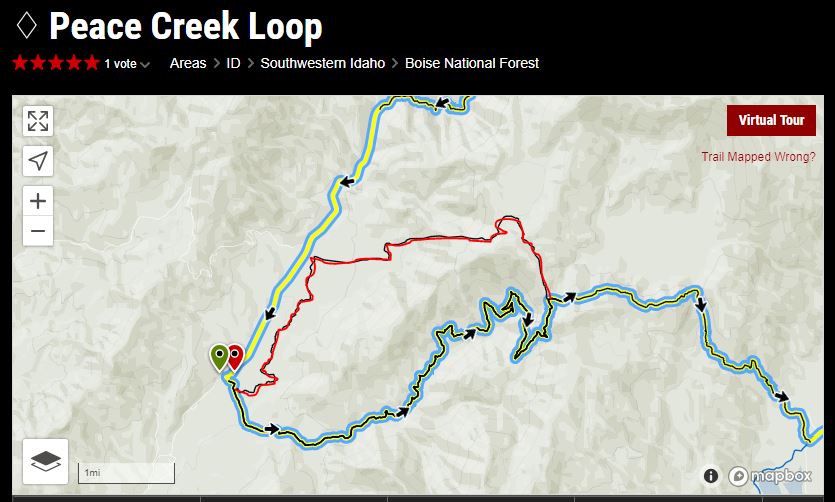
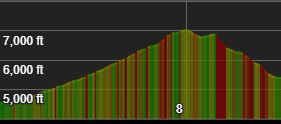
Peace Creek

 Middle Fork of the Payette River
Squaw Butte BCHI
June 4 & 5, 2016

June 4, 2016 is American Hiking Society’s National Trails Day®, the country’s largest celebration of trails. National Trails Day events will take place in every state across the country and will include hikes, biking and horseback rides, paddling trips, bird watching, geocaching, gear demonstrations, stewardship projects and more.

Squaw Butte each year plans a national trail day project, it the past they have been held in state parks picking up trash, the Payette national forest fixing trail bed and this year at the Peace Creek Trail head, removing a large quantity of fallen trees that were blocking two trails.

Read More: 2016 National trails day             More Pictures

19. May 2016 · Comments Off on 2015 Season Accomplishments for the McCall/New Meadows Trail Crew · Categories: Around The Campfire, Current Events, Work Parties and Projects

PNFT01PNFT08PNFT02

PNFTrailCrew2015  See the whole report

18. May 2016 · Comments Off on FY 2015 Boise National Forest North Zone Trails Program Accomplishments · Categories: Around The Campfire, Current Events, Work Parties and Projects

2015 Trail Accomplishment end of season report NZT01Eagles Nest Trail Project
District: Cascade
Trail No. 11104
Background:
The Eagles Nest Trail was inspected on November 13, 2013. The trail was inspected from the boundary of Idaho State Land and Boise National Forest where the 400 road parallels the trail. The Eagles Nest trail is a moderate to high use trail located in a remote are on the Cascade Ranger District
Purpose and Need:
The project is located approximately 1 mile from a parking area along the 400 road. The trail crosses several small ridges and descends to the first stream and Stream Environment Zone (SEZ). The SEZ area is approximately 15 yards long. The trail then ascends up and over a small hill to the next SEZ. The length of the second SEZ is approximately 53 yards. The trail ascends out of the marshy area and heads northeast. The approaches to both areas are very steep and incised. The grades exceed 25% and there are large quantities of sediment entering the SEZs and the perennial stream that runs across the trail. The wet areas are highly impacted and have significant trail braiding from users trying to find a better route. The total length of the project is approximately 425 yards.
The reconstruction of this section will improve public safety, reduce significant ongoing resource damage, and improve the overall user experience.
Completed Repair: The project is currently under construction. The estimated time of completion is mid-October.
– Realignment and construction of approximately ¼ miles of new trail
– Decommissioning and restoration of ¼ miles of existing trail
– Construction of two Puncheon/Causeways approximately 70 yards long

NZT03

Project in the Yellow Pine Area

NZT02

11. May 2016 · Comments Off on why killing wolves might be a bad idea · Categories: Around The Campfire, Current Events

wolf20160510

Click on Movie

05. May 2016 · Comments Off on Idaho’s Track Record Predicts What Happens When Public Lands are Sold · Categories: Around The Campfire, Current Events

NoT3
Idaho Land Sales: A Prediction of the Future?
by Tony Hansen

For months now, the debate over whether states should be given ownership of Federally-owned lands has raged. Proponents of the move say the Federal government is incapable of properly managing the land and claim the ground should be returned to state control and that doing so would mean only improved management and not a public lockout.

Opponents say that doing so would almost certainly mean a net loss in access by the public.

So which side is telling a closer version of the truth?

Perhaps we can look to Idaho for historical insight.

The Wilderness Society recently filed a public records request for an analysis of the Idaho Department of Lands. What they found is interesting indeed.

Since 2000, the state of Idaho has sold more than 100,000 acres of publicly-owned land. The buyers? Timber companies, cattle ranchers, lakeside homeowners and privately-owned fishing clubs along the banks of prime trout waters.

That 100,000-plus acres is part of more than 1.7 million acres of public land the state has sold of the roughly 4.25 million acres Idaho received at statehood. That’s a sell-through rate of roughly 41 percent.
NoT2
History is clear on what will happen if our national public lands are given to the state, Brad Brooks, The Wilderness Society’s Boise-based deputy regional director told the Idaho Statemen. They’re almost certain to end up in hands that will lock the public out.

Read Report


NoT


02. May 2016 · Comments Off on Northwest Horse May 2016 · Categories: Around The Campfire, Current Events

NWH-May

Cover Story: Getaway Horse Play – Your Horse Wants To Go!

Equine Wellness: Barefoot, Shod or Boots?

Getting Help in a Backcountry Emergency

Trainer’s Corner: Becoming a Student

The Adventures of Spanky and Dally

Back Country Horsemen of Washington – Joe Watt Canyon Ride

Spring time in Kittitas County finds the elk herds leaving their winter feeding grounds, early spring flowers in full bloom and the annual Back Country Horsemen of Washington Joe Watt Canyon Prize Ride. This year the ride will be May 14th, with camping available both before and after the ride – a Discover Pass is required for this area. This beautiful, popular ride travels the foot hills of the LT Murray elk feeding station, giving vast mountain views and rolling hills of wild flowers in bloom. Riders will enjoy lots of single track trail mixed with abandoned roads for 3 hours of riding. Mixed in along the ride route are manned stations offering games of skill to the participants so that they may hopefully build a winning poker hand good enough to win one of the many prizes being offered back at camp.

This year’s ride proceeds will go to help fund BCHW Tahoma Chapter to complete trail projects in the Norse Peak Wilderness. The ride flier with all the information is posted at www.bchw.org and on Facebook at BCHW Joe Watt Canyon Prize Ride

28. April 2016 · Comments Off on Annual Boise National Forest Partnership Meeting – May 16, 2016 · Categories: Current Events, Public Meetings, Work Parties and Projects

2016May
Subject: Annual Boise National Forest Partnership Meeting

Trail Partner Volunteers:

I hope all of you have had a good winter and are rested up for the summer season! Trail season has arrived and it is time for the annual Boise National Forest North Zone Trails Program Partnership Meeting. I was hoping to have the meeting in Boise area  the on Monday , May 16, 2016. I have talked with a few of you and 7:00pm seems to allow time for people in the outlying areas time to arrive. I was considering about having it at the following location:

Idaho Pizza Company
7100 W. Fairview Ave
Boise, ID. 83704
(208) 375-4100

It is a fairly centralized location and I have been to meeting with several groups there and you can get a bite to eat if you wish. If there are other suggestions, please let me know soon because I’ll have to see if one of the meeting rooms are available.

I have attached several items of importance for you and your members to review. The most important is the 2016 Voluntary Service Agreement. If your organizations current representative could review, sign, date the form and send it back to me as soon as possible that would be a great assistance. I would like to present them to my District Ranger for approval before the annual meeting. This is very important!

We will review 2016 work calendar, safety items, update daily sign-sheets, trail work reporting sheets, future projects, and any other trail topics you would like to discuss.

Some of the current projects already scheduled this year are the following:
2016 Annual Trail Maintenance
Ten Mile Bridge Replacement
Rice Peak Connecter Layout and NEPA
Stratton Creek Trail Reroute Layout and Repair
Stoney Meadows Bridge Replacement
Wilson Corrals Puncheon Layout and Reroute
Renwyk Reroute Layout
Bull Creek Puncheon Replacement
Julie Creek Heavy Maintenance
Peace Creek upper trail repair

Additional Programs
Implementation of 2016 Non-motorized Grant. Partnership with American Conservation Experience. Partnership
With Idaho Trail Assn, BCH of Idaho
Implementation of 2016 Motorized Maintenance Grant Partnership with Boise ATV, Emmett ATV, TVTMA and Idaho

Department of Parks and Recreation
Implementation of 2016 Mountain Bike Grant: Wewukiye Trail Construction. Partnership with SWIMBA
TVTMA annual Lowman Trail Maintenance Day
Emmet ATV annual Sage Hen Maintenance Day

If you have additional work days for me to add to the calendar please let me know. I would like to staff as many of your projects as possible.

If you know of any other individual who would like to attend, please pass this information along.

Thanks again for all of your support and help! I am looking forward to seeing all of you this season.

John Hidy
Boise National Forest North Zone Trails Supervisor
Lowman Ranger District
US Forest Service
Desk 208-259-3361 ext. 7539
Cell (760)920-2774
jhidy02@fs.fed.us

Boise National Forest Volunteer Project Sign in Sheet

2016Volunteer Trail Report Form

2016 VSA trails

2016B NFTrails Calendar

2016 Lowman_trail_ annual_maintenance

Emmett trail rotation 2016

cascade rotation 2016


18. April 2016 · Comments Off on USFS Trail Funding Talking Points · Categories: Around The Campfire, Current Events

Contact: Babete Anderson, National Press Officer, (202) 205-1782, branderson@fs.fed.us
USFSTP01USFSTP02

USFSTP03USFSTP04

15. April 2016 · Comments Off on Saturday April 23, 2016 BCHI Trailer Rodeo · Categories: Current Events, Tips, Tricks and Tid Bits

Trailer Rodeo Learn More

13. April 2016 · Comments Off on Squaw Butte Public Fun Rides · Categories: Around The Campfire, Current Events

PR2016During the months of February, March and April the Squawbutte Chapter of BCHI hosts three public fun rides as a way to introduce potential member to the organization and get current and former members back on their horses after the winter layoff. With the Owyhee area being generally snow free in February and March, we hold our first rides in that area.

Celebration Park, Birds of Prey
February 21, 2016 – 26 Members and Guests signed up for this event, not all showed up. Lou Ann also posted this event on a local horse site and that attracted more guest! Weather was blue sky’s with a crisp breeze from the east. Due to the number of riders, we broke up into a number of groups and took different trails out to the old corrals for a snack break. Laurie B and Linda E continued up the canyon almost to Swan Falls. All returned to the parking lot with smiles and claimed they would be back for the March ride to Diamond Basin. Photo’s by Laurie, Lisa and Rob.
CBR

Diamond Basin – Owyhee Foot hills
March 20, 2016 – Diamond Basin Corrals 43.10950,-116.60297 GPS On this almost perfect March day, 50’s with a light breeze and blue skies, 24 members and guest meet at the corrals on the old stage coach road to Sliver City. By 10:30 most had arrive and were saddled up. Terry & Phil lead off and in small groups the rest followed up the old stage coach road. We shared this road with 4-wheelers, side by sides and motor cycles. All encounters were pleasant with courtesy show by both the motorized users and the horsemen. After the 4 hour ride, we share finger food and got to know each other a bit better. A very successful ride! Photo’s by Lou Ann, Nicole, Laurie, Lisa & Rob
DBR

Johnson Creek Fun Ride and Potluck
April 10, 2016 Johnson Creek Ride and Potluck. Johnson Creek is just outside of the once town of Montour, ID. Montour is about three miles south of Sweet, ID and was removed a number of years ago and the area became wet lands for birds and wild life on the Payette River. Regan Peak a core of an old volcano, towers over the area. Johnson Creek, is a primitive public road that heads south and if you follow it far enough you would reach the Emmett Cycle Park. On this day, we had 16 riders who enjoyed exploring the area with trail boss, Terry MacDonald. After the ride the group, joined other members at Linda and Rob Adams home in Sweet for a spring potluck. Great food was enjoyed by old and new members as they got caught up on what they had been doing over the winter months.
JCM

08. April 2016 · Comments Off on Wildfires and Heat Waves: How To Protect Your Home and Life · Categories: Around The Campfire, Current Events

fireThe year 2015 set new wildfire records in the United States. According to the National Interagency Fire Center, almost 10 million acres burned. Many thousands of homes burned in these fires, each one full of memories – now reduced to ashes. Over seventy fire fighters perished in their efforts to combat wildfires in the US in 2015, not to mention citizen deaths.

If you live in a seasonally dry climate with abundant flammable vegetation, your residence is vulnerable to wildland fire. Lightning, accidents, and criminals ignite these fires every year. Fire is unpredictable. If there are weaknesses in your home’s fire protection scheme, fire can gain the upper hand because of some overlooked or seemingly inconsequential factor. Don’t let that happen to you.

As a homeowner, you can take a number of steps to protect your property and reduce the spread of wildland fires. This guide provides information and lists clear action steps you can take to avoid becoming a statistic. Keep reading for more information.

Surviving a Wildfire

Two factors have emerged as the primary determinants of a home’s ability to survive wildfires: choosing fire-resistant roofing material and creating a wildfire defensible zone. First, it is important to choose a fire-resistant roofing material that is rated a minimum of class C when building a house in or near forests or grasslands. (Class B and A offer progressively better protection.) Avoid flammable materials such as wood or shake shingles. Second, create a fuel free zone around your home where fire has nothing to burn – this is called the defensible space. By creating a wildfire defensible zone, homes are less vulnerable from this naturally occurring phenomenon and the chance of spreading wildfires is greatly reduced.

If you are a homeowner and you are interested in protecting your home from wildfires, follow the FireWise guidelines. While you may not be able to accomplish all of these measures, each will increase your home’s safety and survival during a wildfire. Start with the easiest and least expensive actions. Begin your work closest to the house and move outward. Keep working on the more difficult items until you have completed your entire project.

Choose surrounding vegetation wisely: maintain a greenbelt (irrigated if possible) immediately around your home using grass, a flower garden and/or fire-resistant ornamental shrubbery. An alternative is rock or other non-combustible material, which may be preferable if your house is made of wood or other flammable materials. Avoid using bark or wood chip mulch in this area.

Read the following list for practical steps you can take to protect your home and property and preserve life.