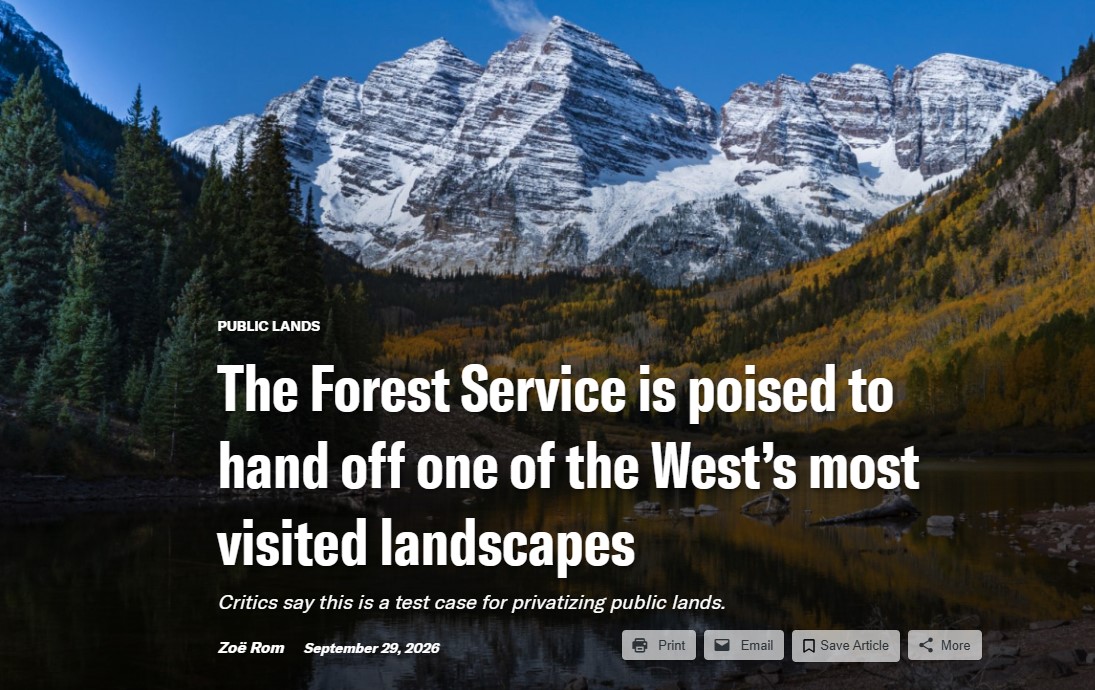





The Maroon Bells

READ FULL STORY

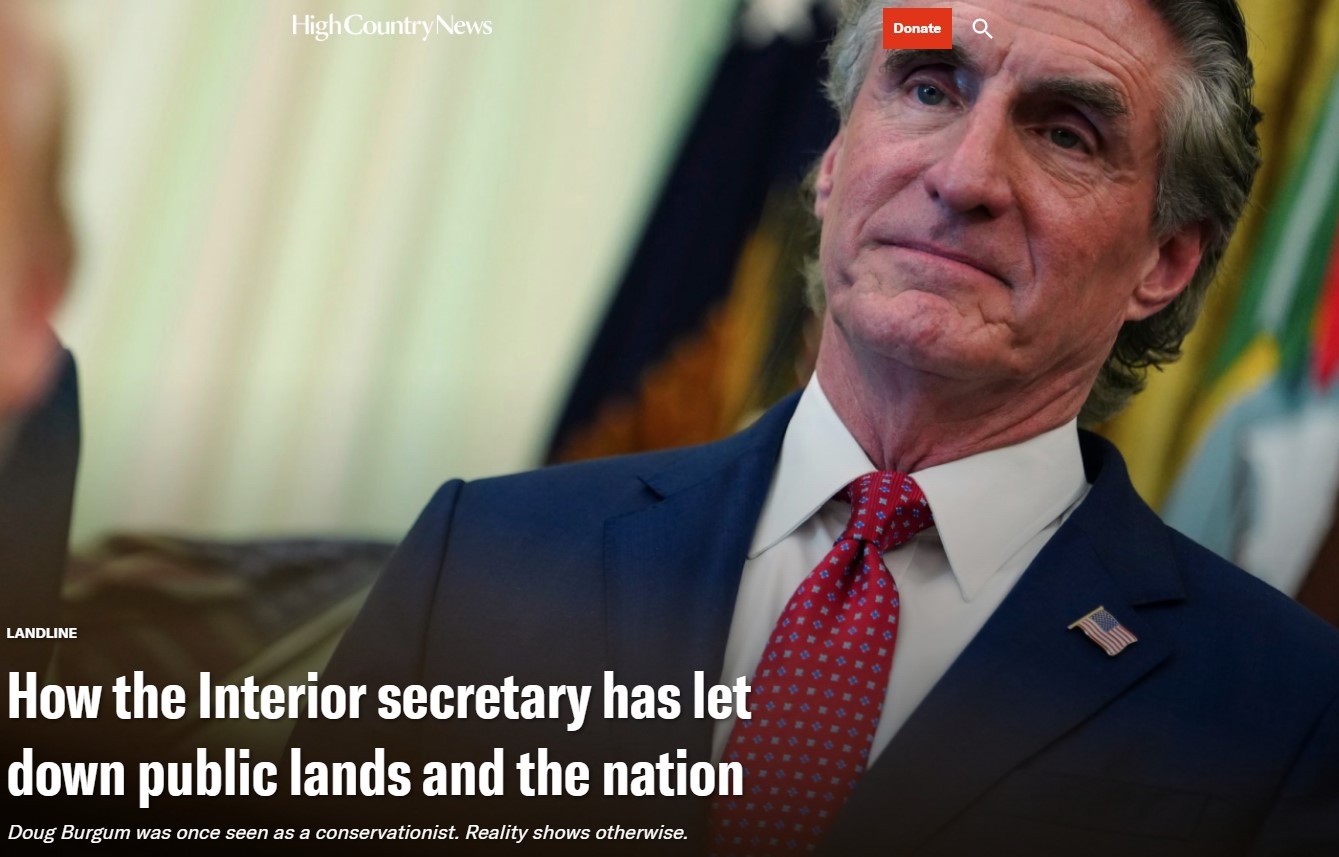
Public Lands -Interior Secretary has let down public land and the nation

2026-09-03 GBR Presentation
Greater Boise Recreation meeting notes for September 3 2026


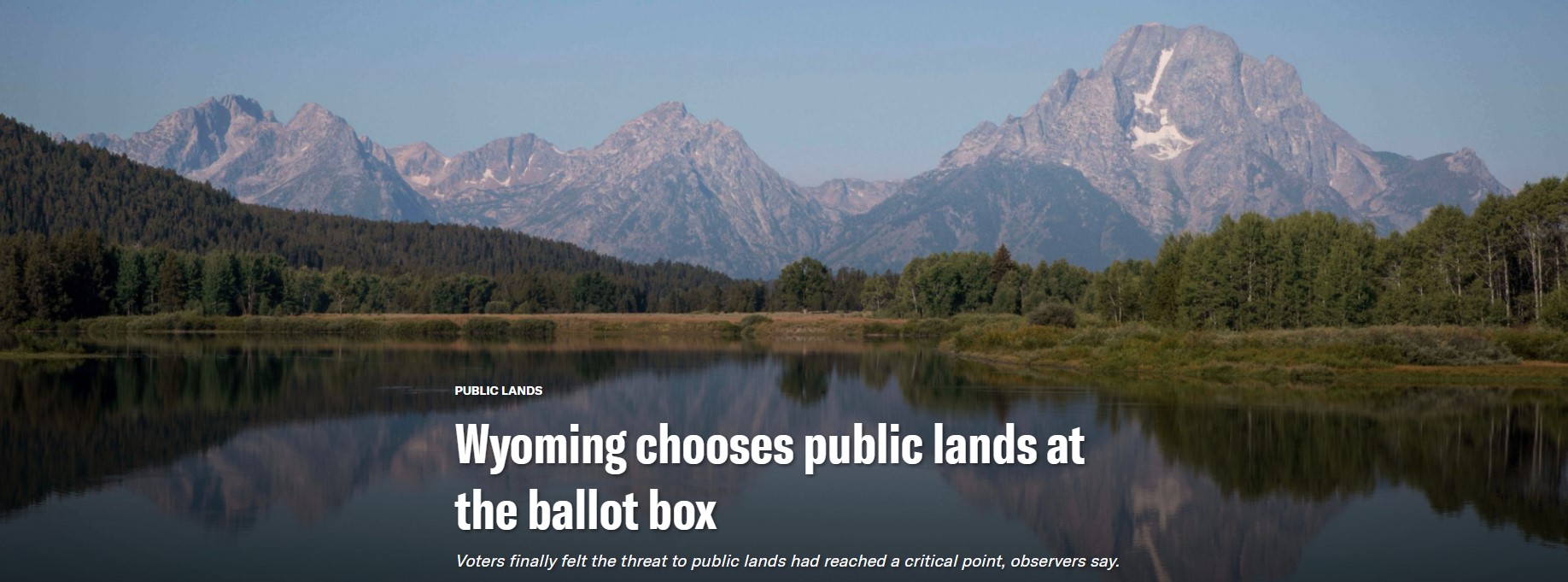
The Teton mountains reflect on Oxbow Bend in Grand Teton National Park in Moran


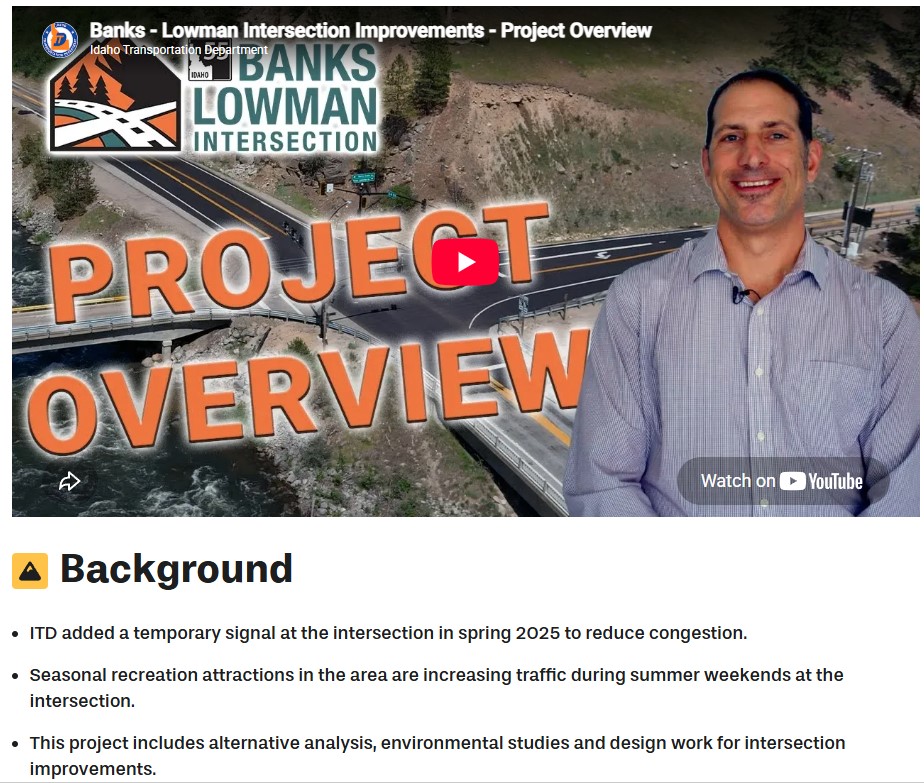
• Idaho-55 Banks-Lowman Intersection: ITD is developing plans for the Idaho-55 Banks-Lowman Intersection, and they want your input. Check out the online meeting here to see the concepts and take the survey.


The massive infrastructure projects of the 1960s

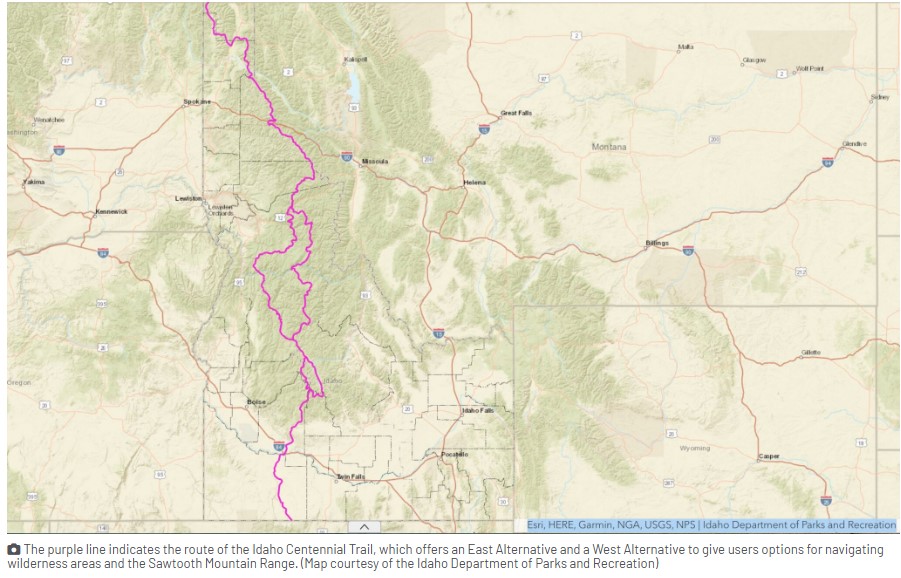
The Idaho Department of Parks and Recreation Board is seeking to change a section of the Idaho Centennial Trail’s official route to improve hikers’ safety and avoid a dangerous creek crossing, state officials announced Sept. 3.

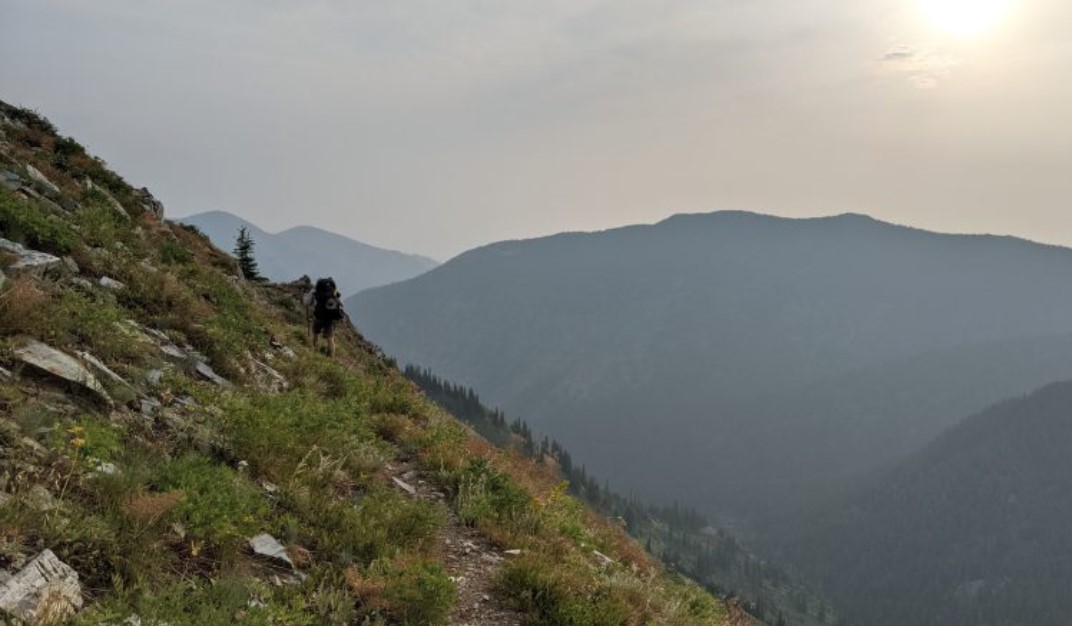
The Idaho Centennial Trail, or ICT for short, is a more than 900-mile trail that crosses the entire state of Idaho, from the desert at the Idaho-Nevada border, all the way up to the Canadian border. Along the route, the trail passes through some of the most wild, scenic and remote places in Idaho, including the Frank Church-River of No Return Wilderness, the Sawtooth Wilderness and the Selway-Bitterroot Wilderness.

Although a few people complete the Idaho Centennial Trail as a thru-hike in a single, months-long push, the trail is broken up into segments and utilizes other, existing trails to allow different users the opportunity to enjoy smaller sections of the trail without having to navigate the entire trail.

The new route change involves adding about nine miles to the Idaho Centennial Trail to avoid an unabridged crossing of Big Creek in the Salmon-Challis National Forest.

Rather than forcing hikers and backpackers to ford Big Creek, the new route will follow Milk Creek Trail 064 and Monumental Creek Trail 005 to allow hikers to safely cross Big Creek at a bridge near the junction with Monumental Creek, Idaho Department of Parks and Recreation officials said. “A longer trail isn’t always a better trail, but in this case, the additional miles provide a significant safety benefit,” Idaho Department of Parks and Recreation Director Susan Buxton said in a written statement. “By routing the Idaho Centennial Trail across an existing bridge, we can help ensure that more people can experience this incredible section of the ICT without having to take on a potentially dangerous creek crossing.”

The official route for the Idaho Continental Trail was approved in 1990 by the Idaho Department of Parks and Recreation Board, which has the authority to change routes on the trail in partnership with land managers and the public.

Idaho Department of Parks and Recreation officials said their counterparts with the Salmon-Challis National Forest support the change, and they are opening a 30-day public comment period about the route change.

To offer public comment, send an email to Hailey Husband, the Idaho Department of Parks and Recreation’s nonmotorized trails coordinator, at hailey.husband@idpr.idaho.gov or call 208-514-2419.

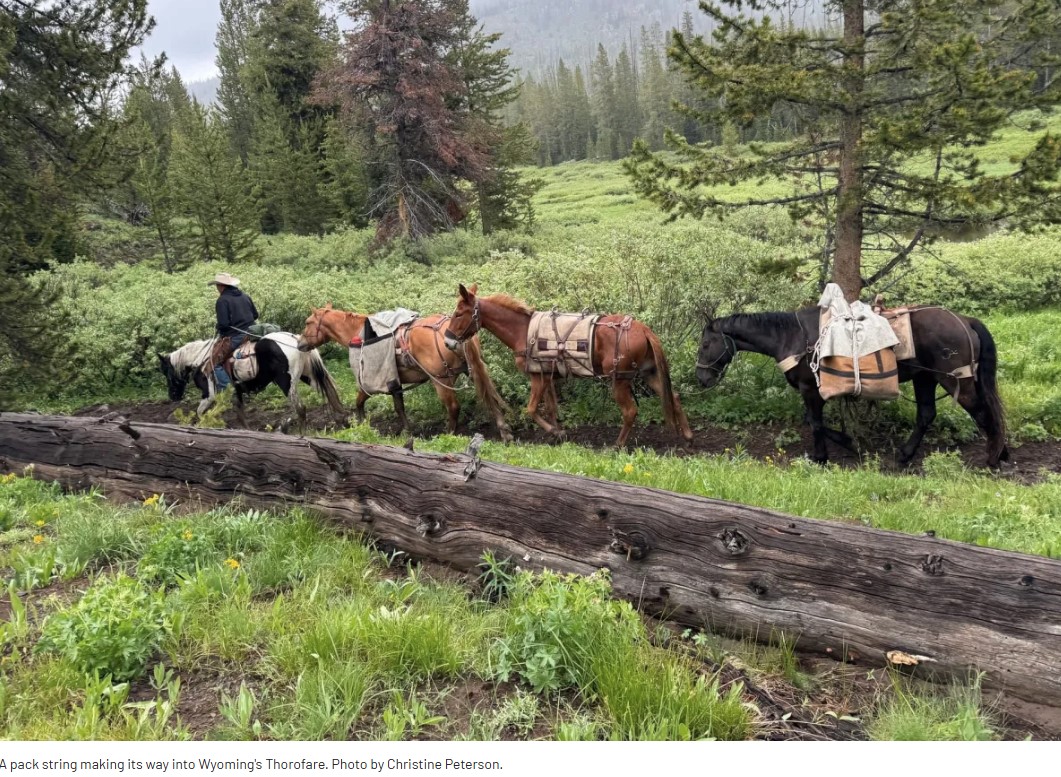
When trails snaking through Wyoming’s 9 million acres of national forests go unmaintained or unused, nature can begin to reclaim them with remarkable speed.

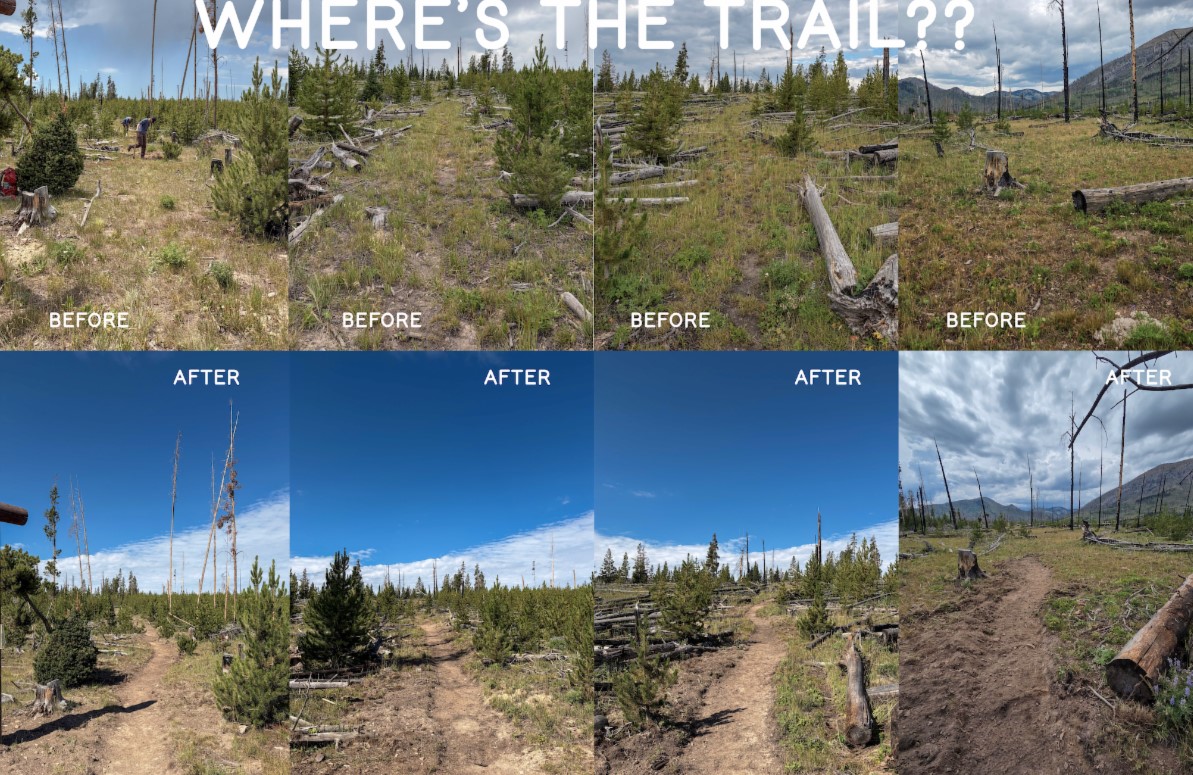
Look no further than sections of the Wyoming National Recreation Trail in the Bridger-Teton National Forest’s Big Piney District, where the path had become barely discernable under a mat of scrubby grasses.

“It’s just been overgrown for years,” said former U.S. Forest Service employee Monica Elliott.

It was there that Wyoming’s newest trails crew, the Forest Corps — which Elliott manages — landed in July for a work hitch to assist the district recreation staff. After eight days of digging, clearing and delineating, voilá. The trail boasted the shiny new-dirt look of a just-constructed path.

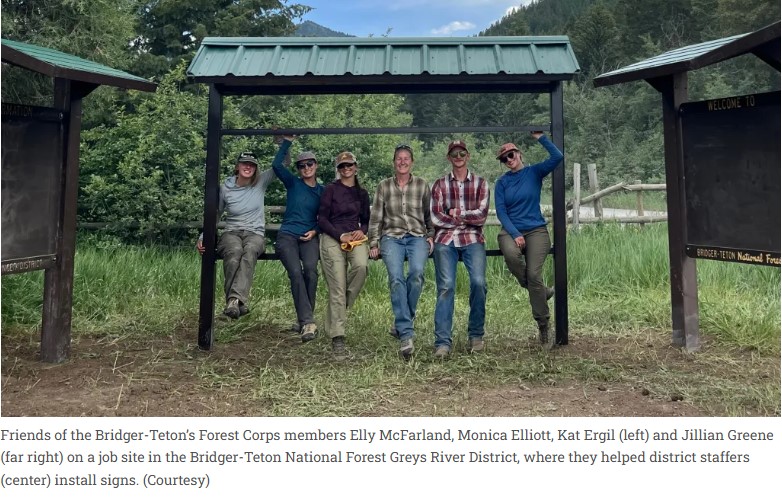
It was among the 2026 projects undertaken by the Forest Corps. The nonprofit Friends of the Bridger-Teton created the Forest Corps in 2025 after seeing U.S. Forest Service district offices hollowed out by DOGE cuts and facing mounting maintenance backlogs.

The Corps was designed explicitly to help the agency on summer-season field projects in the Bridger-Teton National Forest, one of eight national forests within Wyoming’s borders. Friends of the Bridger-Teton hired former U.S. Forest Service staff, including Elliott, who had lost her job in the cuts, for the Corps.

In its inaugural season, the team communicated with each of the Bridger-Teton forest’s six districts to identify a high-impact project to assist on. The Corps painted picnic tables, installed a puncheon trail over marshy terrain and cleared trails in wildfire burn areas.

Once the demand for such an auxiliary crew became clear to the Friends nonprofit, which works to assist its namesake national forest in managing visitor impacts, the organization decided to make the initiative permanent.

Even with the Forest Service rehiring many of its seasonal recreation workers in 2026, Elliott said, “there is so much need” when it comes to maintaining the inventory of trails and infrastructure on the 3.4-million-acre Bridger-Teton National Forest.

This summer, the crew has worked six hitches lasting eight days and a couple lasting four. Along with projects like the Big Piney region trail, Elliott and the four-person team have cleared 700 downed trees from 80 miles of trail across the forest, including the Pack Creek Fire burn area.

The season’s not over yet; the Forest Corps still has two hitches to go.

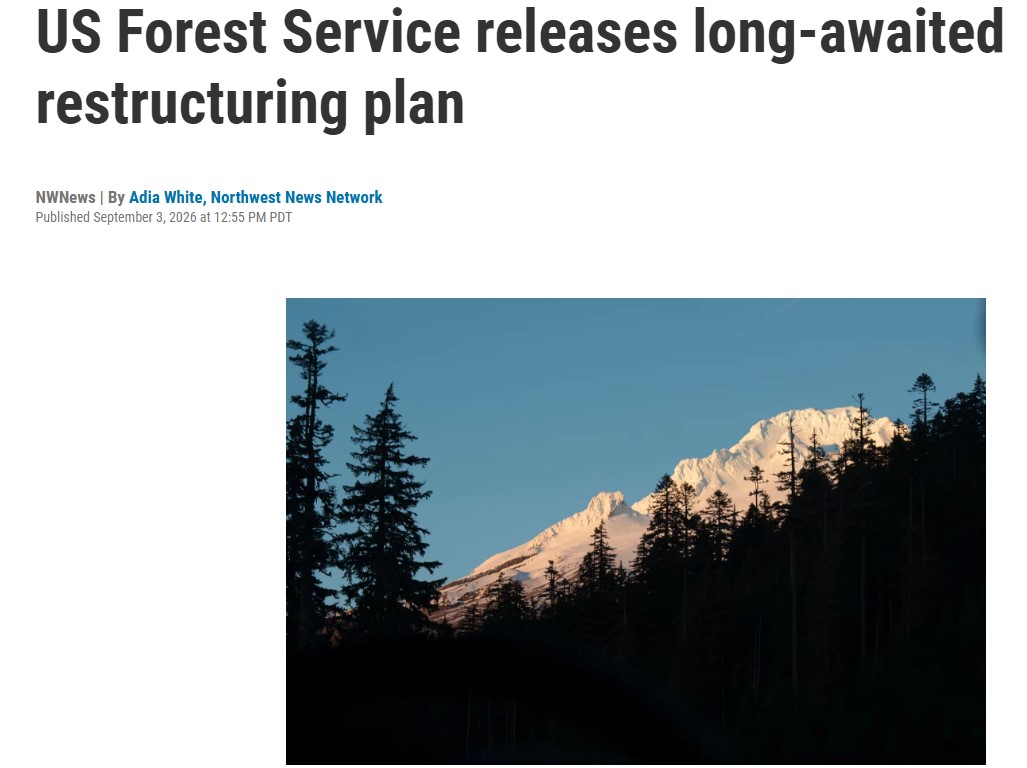
After months of uncertainty, researchers with the U.S. Forest Service are learning whether they will have to relocate under the agency’s sweeping restructure.

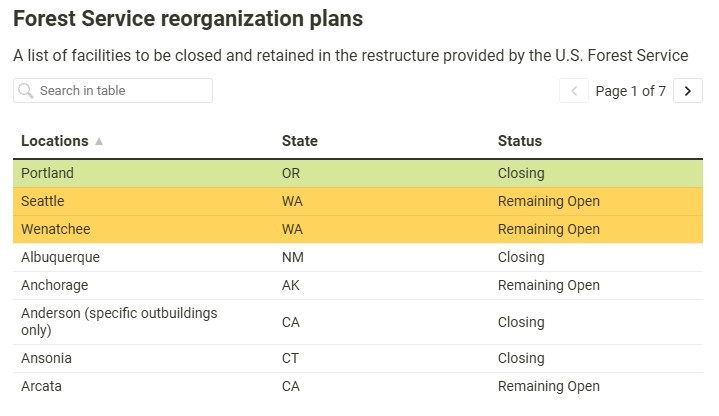
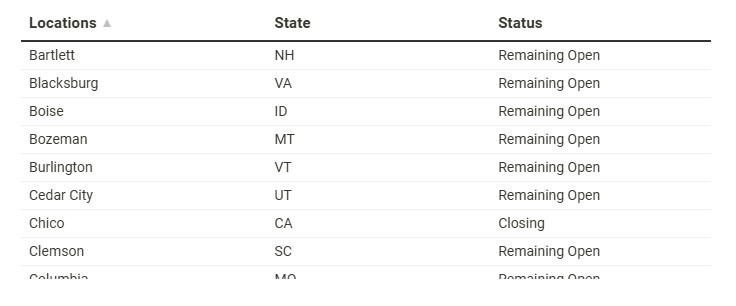
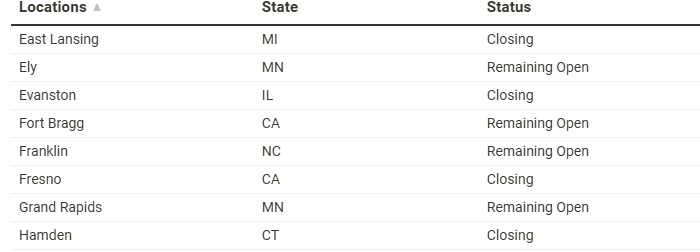
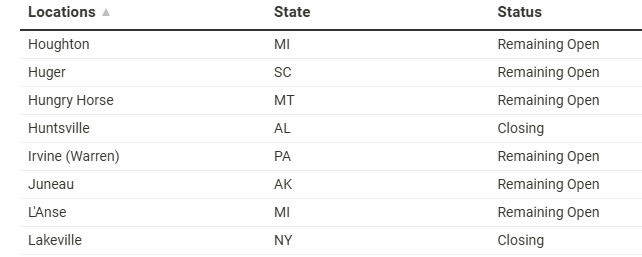
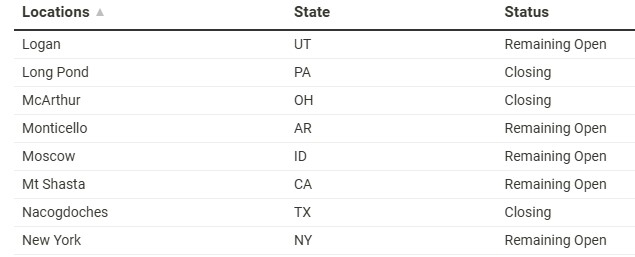
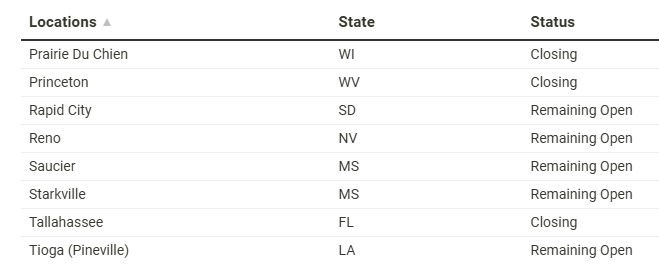
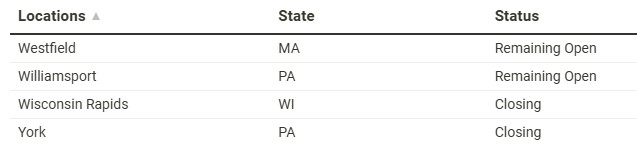
The U.S. Forest Service announced the plan to restructure in March, when it said it was evaluating more than 50 research and development facilities for potential closure. Today, it announced it will shutter nearly two dozen facilities.

In the Pacific Northwest, at least three locations were being evaluated for closure, of those three, one will be closed: The Pacific Northwest regional headquarters in Portland.

When the plan was first released, researchers were concerned about the potential closure of labs in Seattle and Wenatchee. The Seattle smoke lab forecasts where wildfire smoke is expected to drift and how it could impact human health. Research out of Wenatchee has informed more than a decade of forest management policy.

“The people in charge again have shown that they act without comprehension of the consequences,” University of Washington fire ecologist Don McKenzie said by email.

McKenzie retired from the U.S. Forest Service after researching wildfires and climate change at the agency’s Pacific Wildland Fire Sciences Laboratory in Seattle.

When the list of facilities being evaluated for closure was first released, the agency received a lot of pushback from the public as well as from members of congress. McKenzie said he believes the advocacy for science made a difference in the Forest Service’s reduced closure plan.

Chris French, associate chief of the U.S. Forest Service, said in an earlier interview with the Northwest News Network that the restructure would not affect ongoing research.

He said the agency is spending more on leases and building costs than it receives from congress and that it tried to close facilities where there were fewer employees, or where employees could commute to a less expensive office.

“Our lease that we have for our regional office in Portland and for the Pacific Northwest Research Station is a relatively expensive lease,” French said. “We have basically negotiated other spaces for our employees within the local commuting area, that will cut those costs by two thirds.”

The U.S. Forest Service defines commuting distance as 49 miles. If a commute exceeds that amount, the agency could need to pay its employees relocation costs.

Under the new plan, some of those currently working out of Portland will be commuting to a new state office in Salem, about 47 miles away.

“That is quite a commute for some folks if they were working in downtown Portland,” French said. “But it does keep them from having to move their families.”

Moving the Portland regional headquarters to Salem is part of the agency’s national plan of dissolving all regional offices in favor of state offices. It is also moving its headquarters from Washington D.C. to Salt Lake City.

Kevin Hood, executive director for Forest Service Employees for Environmental Ethics, said the non-profit worries about the plan to dissolve regional headquarters. The conservation advocacy organization was founded in 1989 by former forest service employees concerned about land management practices.

“The chief has described the new state director positions in these state offices as being policy responsive to state governors and state foresters, and the concern there is that the national forests belong to the American people and they’re governed by federal law that’s been passed by Congress.”

Hood worked for the U.S. Forest Service for decades before deciding to leave his role in 2025. He said discussion about restructuring the forest service to save funds started under previous administrations, but the Trump administration’s approach has been chaotic.

In 2025, as the administration’s Department of Government Efficiency laid off federal employees and offered early retirement incentives and buyouts, the forest service lost about 16% of its workforce during that time. Hood said remaining forest service employees have been fearful that the restructure could result in losing their jobs, or having to relocate.

“The employees that I’ve been talking to, they often say they have more questions than answers, and that they have a bit of a skepticism that any direction that comes out is actually going to endure because there’s been so much change and turmoil,” he said.

In a press release about the reorganization plan, the U.S. Forest Service said the consolidation of the facilities recently announced will save the agency more than $16 million. It also said the agency isn’t finished evaluating facilities for possible closure.

This story comes to you from the Northwest News Network, a collaboration between public media organizations in Oregon and Washington.

KUOW’s John Ryan contributed to this report.
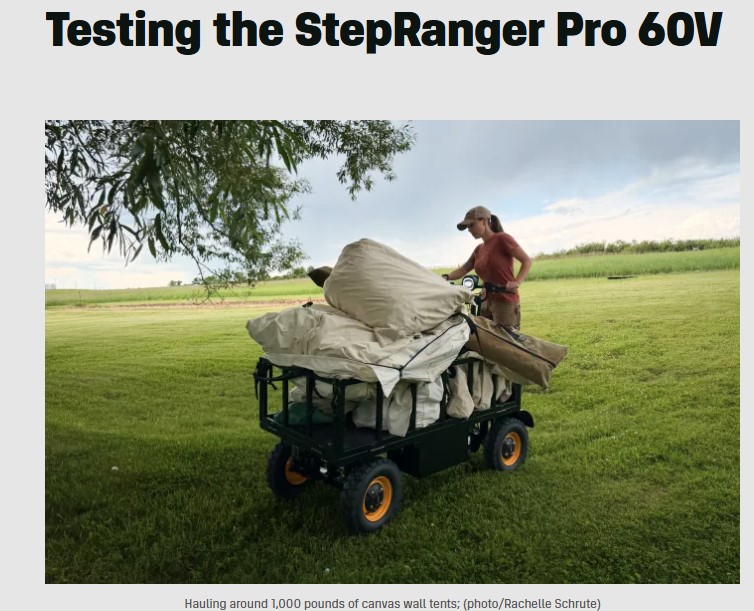
READ REVIEW

There hasn’t been one dramatic test that sold me on the StepRanger. What’s impressed me most is how often it solves boring, repetitive problems. That’s also why it’s become so useful.

VIDEO

READ MORE

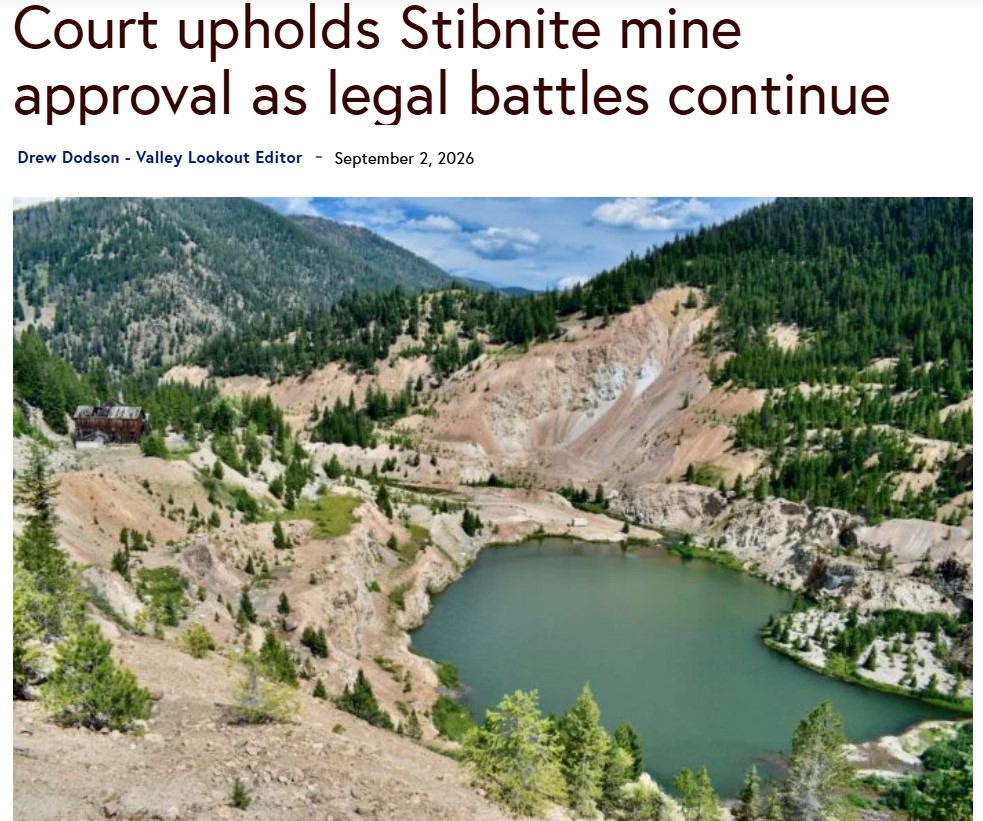
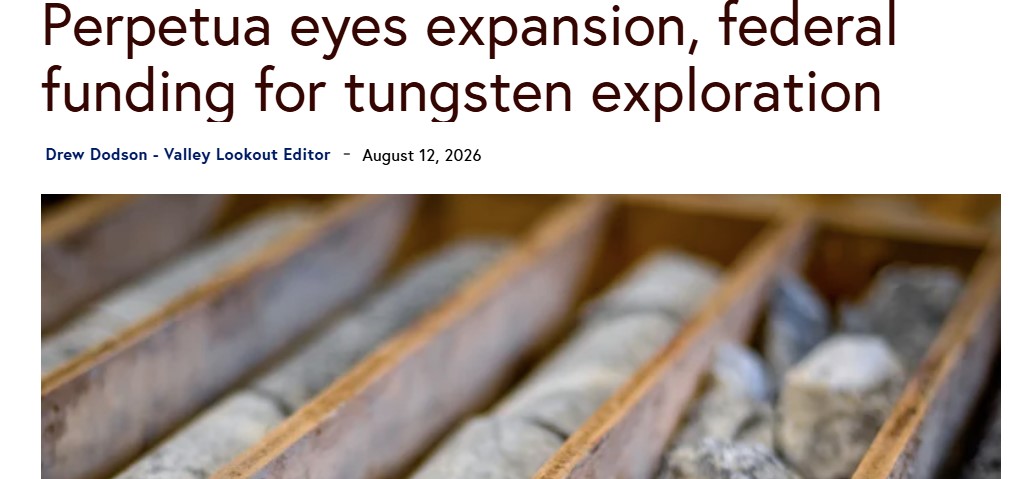
The federal approval allowing a gold and antimony mine in eastern Valley County was upheld last month in United States District Court.

An Aug. 18 ruling by Judge Amanda K. Brailsford affirms the Payette National Forest’s January 2025 approval of Perpetua Resources’ Stibnite mine near Yellow Pine.

The lawsuit raised eight claims arguing that the Payette N.F. and other federal agencies violated environmental law in approving the mine. Brailsford, however, ruled in favor of the federal agencies on nearly all of the claims.

“The court concludes that the defendants’ approval of the project did not violate the applicable environmental laws – with one exception,” she wrote in her decision.

The exception relates to the U.S. Fish and Wildlife Service’s analysis of the mine’s impact on bull trout and wolverines, both of which are classified as “threatened” under the Endangered Species Act.

Brailsford found that the agency’s “incidental take statements” for the two species did not adequately specify monitoring requirements and measures to limit the mine’s impacts.

An incidental take statement is issued when a federal agency determines that an approved action may inadvertently harm protected wildlife. FWS’s statements were deficient because they relied on cross-referencing other documents rather than including required protections in the statements, Brailsford said.

“That defendants can identify statements in the record that might support or flesh out the incidental take statement’s reasonable and prudent measures and terms and conditions does not satisfy FWS’s mandatory duty,” she said.

Brailsford ordered FWS to issue amended incidental take statements for wolverines and bull trout, but did not vacate the agency’s decision or any of the other federal approvals for the mine.

Conservation groups appeal, cite ‘unacceptable risks’

Conservation groups that filed the lawsuit appealed Brailsford’s ruling on Aug. 25, continuing their bid to overturn the federal approval and halt Perpetua’s construction of the mine.

“We believe this appeal is essential to prevent long-term damage to this cherished part of Idaho,” said Sydney Luvaas, mining and policy manager for Idaho Rivers United. “The stakes for local water quality, wildlife, and surrounding public lands are simply too high to ignore.”

Save the South Fork Salmon, the Idaho Conservation League, Earthworks, and the Center for Biological Diversity are also plaintiffs in the lawsuit.

Bryan Hurlbutt, an environmental attorney representing the groups, said they are pleased the court ordered additional protections for wolverines and bull trout, but still hope construction will be stopped on appeal.

“Allowing initial mine construction to proceed presents unacceptable risks to the South Fork Salmon River watershed, our public national forest lands, and the fish and wildlife that live there,” Hurlbutt said.

In May, Brailsford denied a motion by the environmental groups to stop Perpetua from starting construction until the lawsuit is resolved, as Valley Lookout reported.

Perpetua President Jon Cherry framed the ruling as a win for the company and described the changes ordered by Brailsford as a “narrow, discrete issue.”

“Overall, the court rejected the plaintiffs’ requests to restrict Perpetua’s construction and operation of the Stibnite Gold Project,” Cherry said. “The court’s remand was limited and does not require reconsideration of the agency’s decision.”

Other legal battles

Two other lawsuits challenging permitting for the Stibnite mine remain active.

A lawsuit filed by the Nez Perce Tribe last August is also pending before Brailsford. That lawsuit also challenges the federal approvals for the mine and seeks to halt its implementation.

Meanwhile, a lawsuit challenging an air quality permit issued to Perpetua by the Idaho Department of Environmental Quality could be headed to the Idaho Supreme Court.

In July, Fourth Judicial District Judge Jason Scott ruled in favor of DEQ, prompting an Aug. 18 appeal filed by the Idaho Conservation League and Save the South Fork Salmon.

However, that appeal was temporarily suspended on Aug. 31 due to lack of payment for court transcripts, according to online court records.

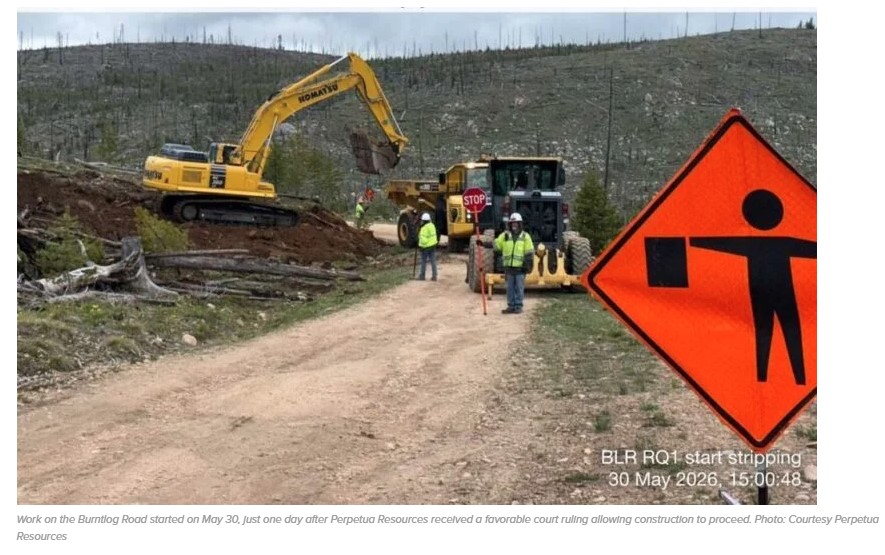
Perpetua is currently in the first year of a three-year, $2.6 billion construction phase to build the Stibnite mine. Work this year is focused primarily on power line upgrades, improved road access, and workforce housing at the mine site.

“We continue to see tangible progress at Stibnite,” Cherry said.

Once construction is complete, Perpetua expects mining operations to last for 12 to 15 years, under the mining plan currently approved by regulators.

The mining timeline could be extended if exploration currently underway yields promising results, as Valley Lookout reported.

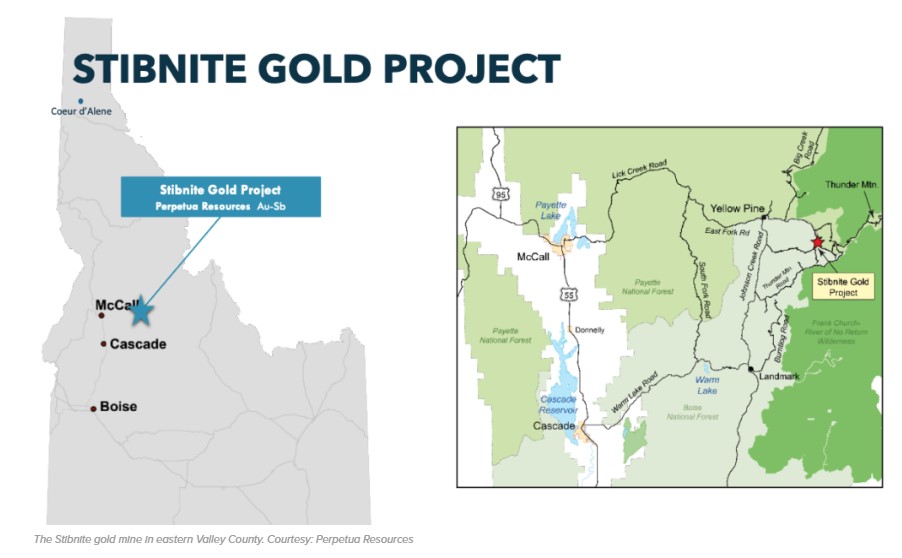
The Stibnite mine is expected to produce 4.2 million ounces of gold and 115 million pounds of antimony, according to Perpetua. The metals would be extracted from three open-pit mines totaling about 473 acres within the 1,740-acre project zone, which is about 40 air miles east of McCall and three miles from the Frank Church – River of No Return Wilderness.

Opponents of the mine fear it could pollute the East Fork South Fork Salmon River, which flows through the project site, and cause other environmental damage.

Water quality in the East Fork and other streams at the proposed mine site does not currently meet federal drinking water standards due to high concentrations of arsenic and antimony from pollutants left by previous mining companies.

READ MORE

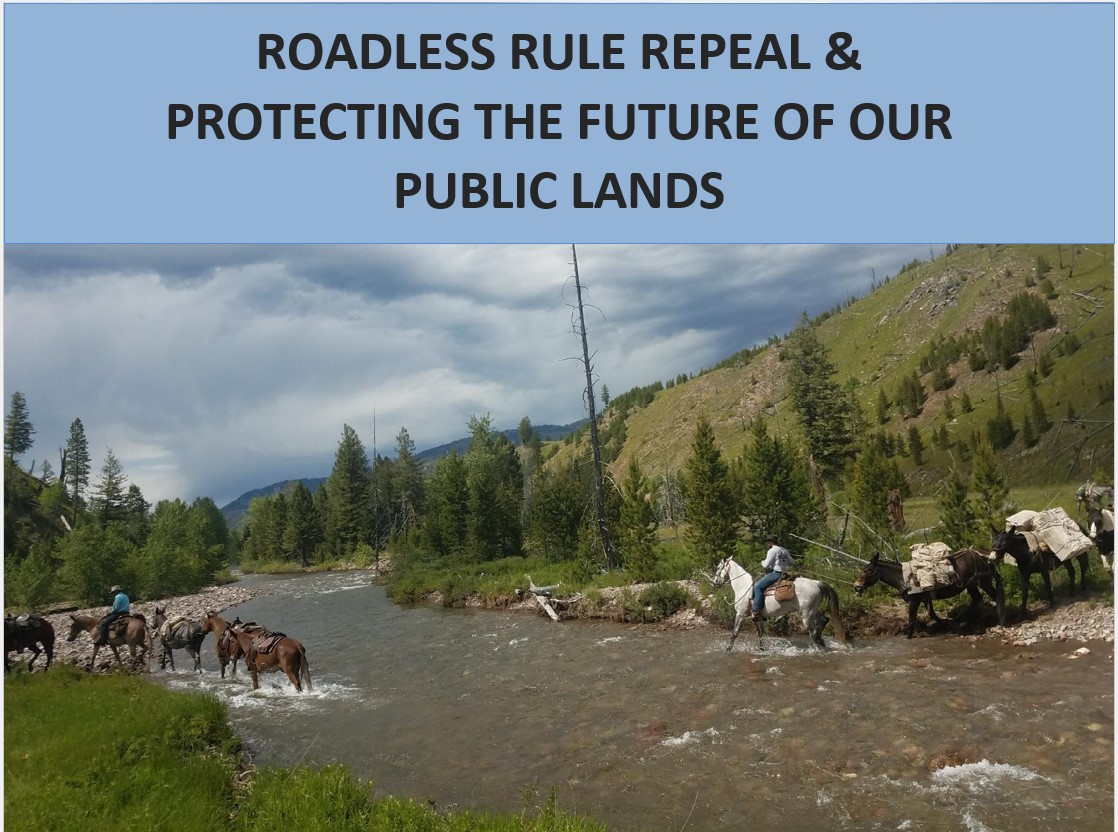
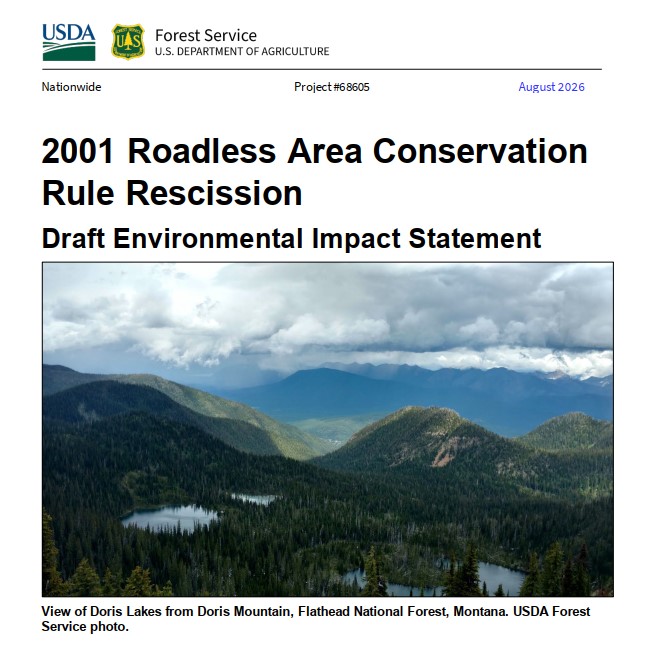
Roadless-Rule-condensed_Mack Long

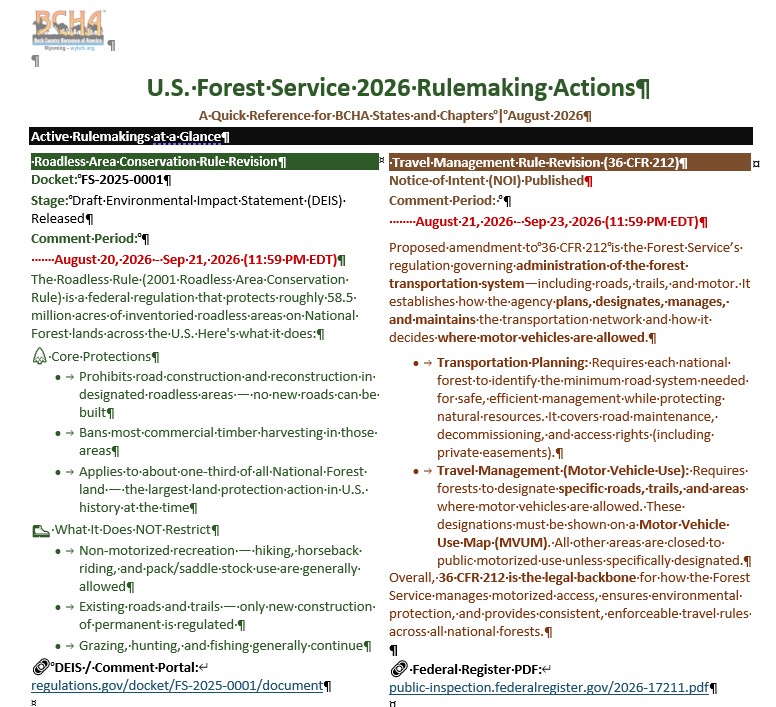
USFS information Sheet 0826 rule changes Wyoming 2.0

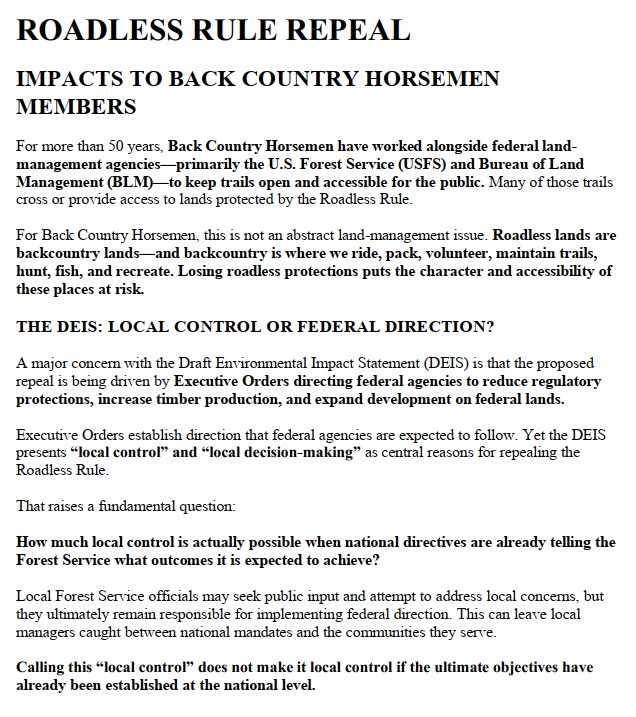
Roadless Rule and BCH


FS-2025-0001-224064_content  (Full Document  48 Pages)