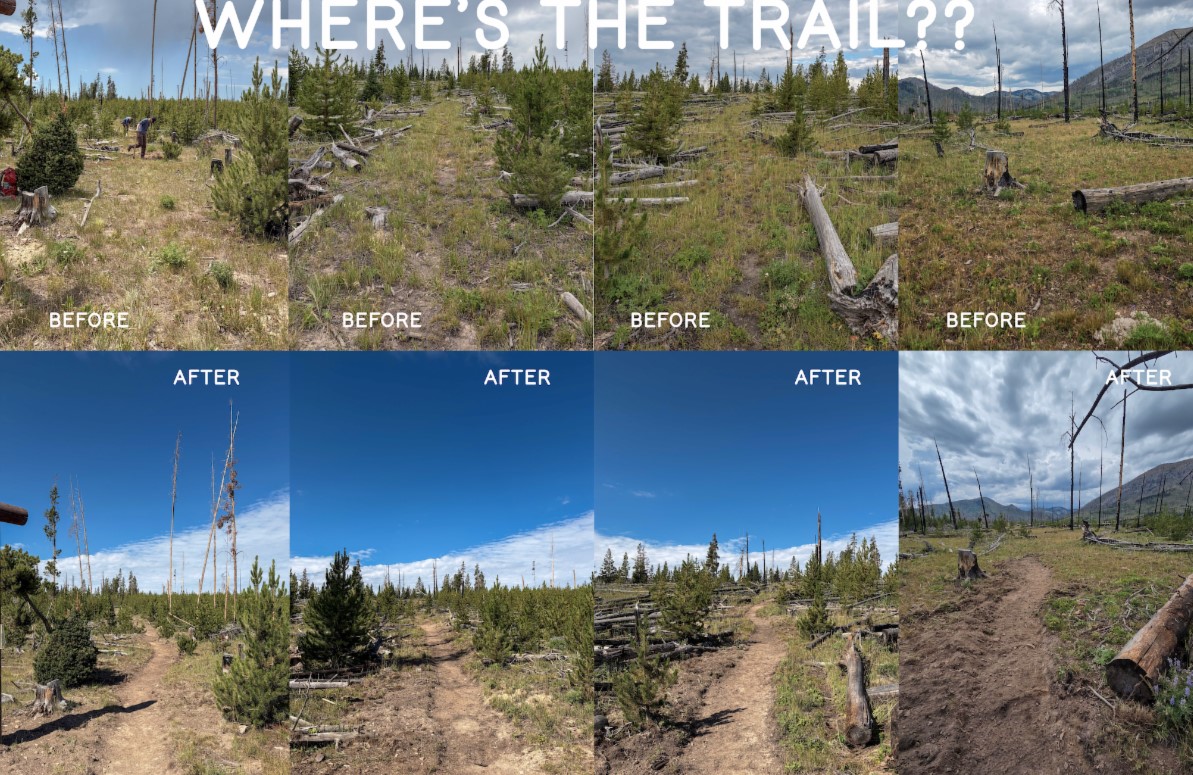
When trails snaking through Wyoming’s 9 million acres of national forests go unmaintained or unused, nature can begin to reclaim them with remarkable speed.

Look no further than sections of the Wyoming National Recreation Trail in the Bridger-Teton National Forest’s Big Piney District, where the path had become barely discernable under a mat of scrubby grasses.

“It’s just been overgrown for years,” said former U.S. Forest Service employee Monica Elliott.

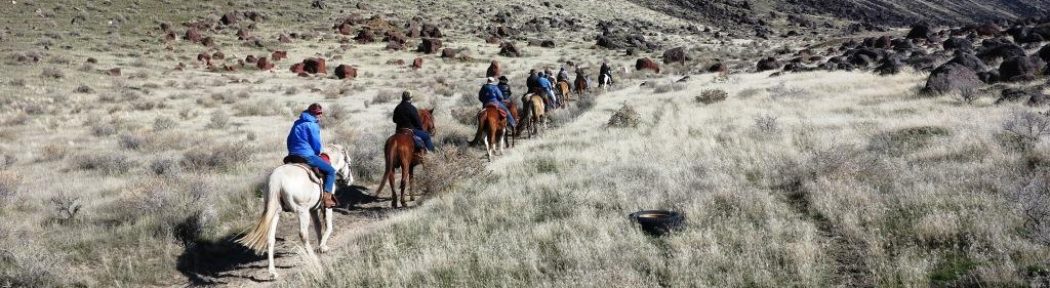
It was there that Wyoming’s newest trails crew, the Forest Corps — which Elliott manages — landed in July for a work hitch to assist the district recreation staff. After eight days of digging, clearing and delineating, voilá. The trail boasted the shiny new-dirt look of a just-constructed path.

It was among the 2026 projects undertaken by the Forest Corps. The nonprofit Friends of the Bridger-Teton created the Forest Corps in 2025 after seeing U.S. Forest Service district offices hollowed out by DOGE cuts and facing mounting maintenance backlogs.

The Corps was designed explicitly to help the agency on summer-season field projects in the Bridger-Teton National Forest, one of eight national forests within Wyoming’s borders. Friends of the Bridger-Teton hired former U.S. Forest Service staff, including Elliott, who had lost her job in the cuts, for the Corps.

In its inaugural season, the team communicated with each of the Bridger-Teton forest’s six districts to identify a high-impact project to assist on. The Corps painted picnic tables, installed a puncheon trail over marshy terrain and cleared trails in wildfire burn areas.

Once the demand for such an auxiliary crew became clear to the Friends nonprofit, which works to assist its namesake national forest in managing visitor impacts, the organization decided to make the initiative permanent.
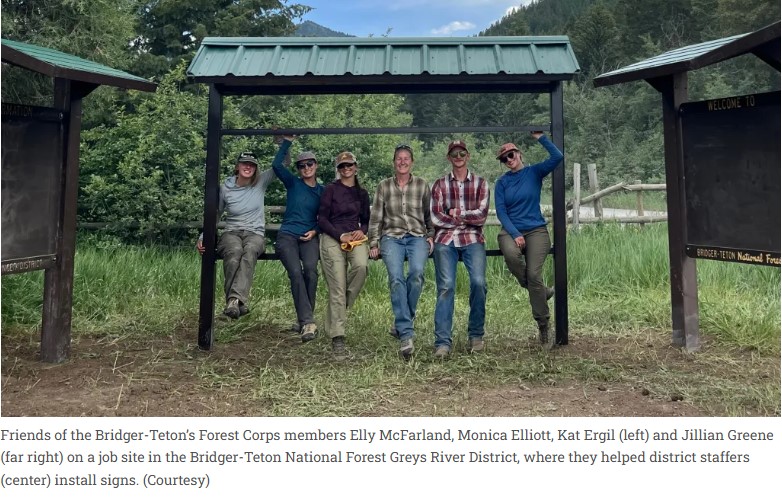
Even with the Forest Service rehiring many of its seasonal recreation workers in 2026, Elliott said, “there is so much need” when it comes to maintaining the inventory of trails and infrastructure on the 3.4-million-acre Bridger-Teton National Forest.

This summer, the crew has worked six hitches lasting eight days and a couple lasting four. Along with projects like the Big Piney region trail, Elliott and the four-person team have cleared 700 downed trees from 80 miles of trail across the forest, including the Pack Creek Fire burn area.

The season’s not over yet; the Forest Corps still has two hitches to go.
After months of uncertainty, researchers with the U.S. Forest Service are learning whether they will have to relocate under the agency’s sweeping restructure.

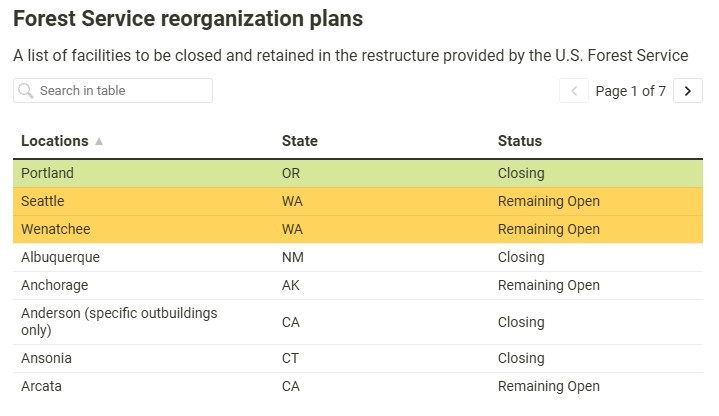
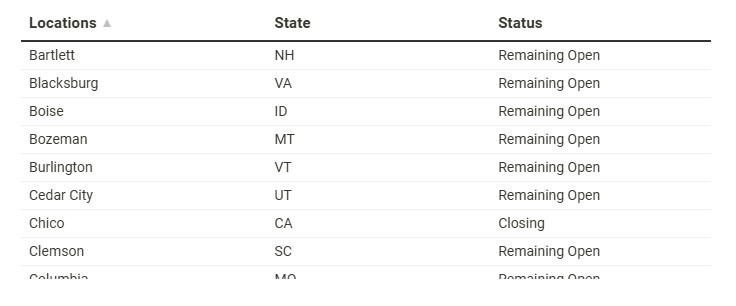
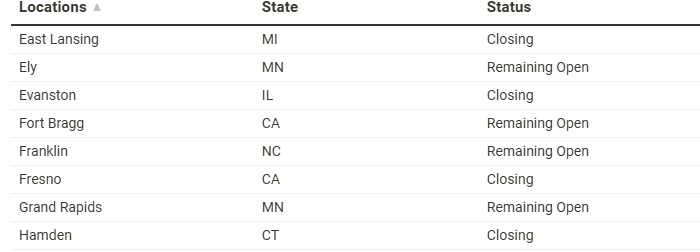
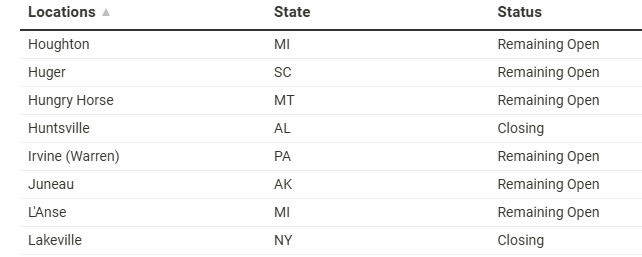
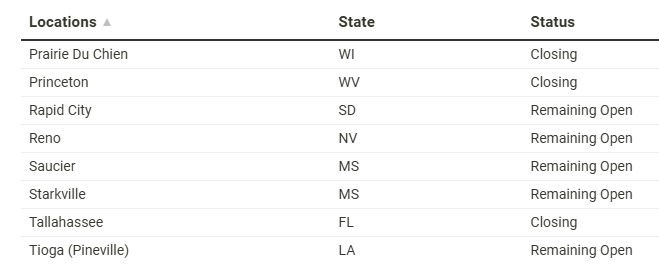
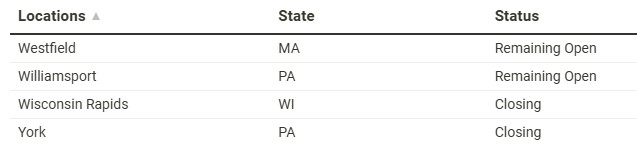
The U.S. Forest Service announced the plan to restructure in March, when it said it was evaluating more than 50 research and development facilities for potential closure. Today, it announced it will shutter nearly two dozen facilities.

In the Pacific Northwest, at least three locations were being evaluated for closure, of those three, one will be closed: The Pacific Northwest regional headquarters in Portland.

When the plan was first released, researchers were concerned about the potential closure of labs in Seattle and Wenatchee. The Seattle smoke lab forecasts where wildfire smoke is expected to drift and how it could impact human health. Research out of Wenatchee has informed more than a decade of forest management policy.

“The people in charge again have shown that they act without comprehension of the consequences,” University of Washington fire ecologist Don McKenzie said by email.

McKenzie retired from the U.S. Forest Service after researching wildfires and climate change at the agency’s Pacific Wildland Fire Sciences Laboratory in Seattle.

When the list of facilities being evaluated for closure was first released, the agency received a lot of pushback from the public as well as from members of congress. McKenzie said he believes the advocacy for science made a difference in the Forest Service’s reduced closure plan.

Chris French, associate chief of the U.S. Forest Service, said in an earlier interview with the Northwest News Network that the restructure would not affect ongoing research.

He said the agency is spending more on leases and building costs than it receives from congress and that it tried to close facilities where there were fewer employees, or where employees could commute to a less expensive office.

“Our lease that we have for our regional office in Portland and for the Pacific Northwest Research Station is a relatively expensive lease,” French said. “We have basically negotiated other spaces for our employees within the local commuting area, that will cut those costs by two thirds.”

The U.S. Forest Service defines commuting distance as 49 miles. If a commute exceeds that amount, the agency could need to pay its employees relocation costs.

Under the new plan, some of those currently working out of Portland will be commuting to a new state office in Salem, about 47 miles away.

“That is quite a commute for some folks if they were working in downtown Portland,” French said. “But it does keep them from having to move their families.”

Moving the Portland regional headquarters to Salem is part of the agency’s national plan of dissolving all regional offices in favor of state offices. It is also moving its headquarters from Washington D.C. to Salt Lake City.

Kevin Hood, executive director for Forest Service Employees for Environmental Ethics, said the non-profit worries about the plan to dissolve regional headquarters. The conservation advocacy organization was founded in 1989 by former forest service employees concerned about land management practices.

“The chief has described the new state director positions in these state offices as being policy responsive to state governors and state foresters, and the concern there is that the national forests belong to the American people and they’re governed by federal law that’s been passed by Congress.”

Hood worked for the U.S. Forest Service for decades before deciding to leave his role in 2025. He said discussion about restructuring the forest service to save funds started under previous administrations, but the Trump administration’s approach has been chaotic.

In 2025, as the administration’s Department of Government Efficiency laid off federal employees and offered early retirement incentives and buyouts, the forest service lost about 16% of its workforce during that time. Hood said remaining forest service employees have been fearful that the restructure could result in losing their jobs, or having to relocate.

“The employees that I’ve been talking to, they often say they have more questions than answers, and that they have a bit of a skepticism that any direction that comes out is actually going to endure because there’s been so much change and turmoil,” he said.

In a press release about the reorganization plan, the U.S. Forest Service said the consolidation of the facilities recently announced will save the agency more than $16 million. It also said the agency isn’t finished evaluating facilities for possible closure.

This story comes to you from the Northwest News Network, a collaboration between public media organizations in Oregon and Washington.

KUOW’s John Ryan contributed to this report.