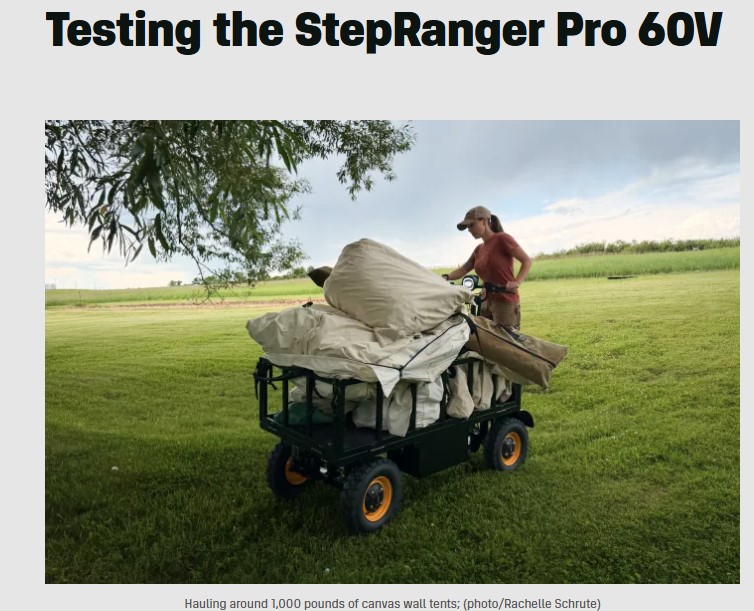
There hasn’t been one dramatic test that sold me on the StepRanger. What’s impressed me most is how often it solves boring, repetitive problems. That’s also why it’s become so useful.
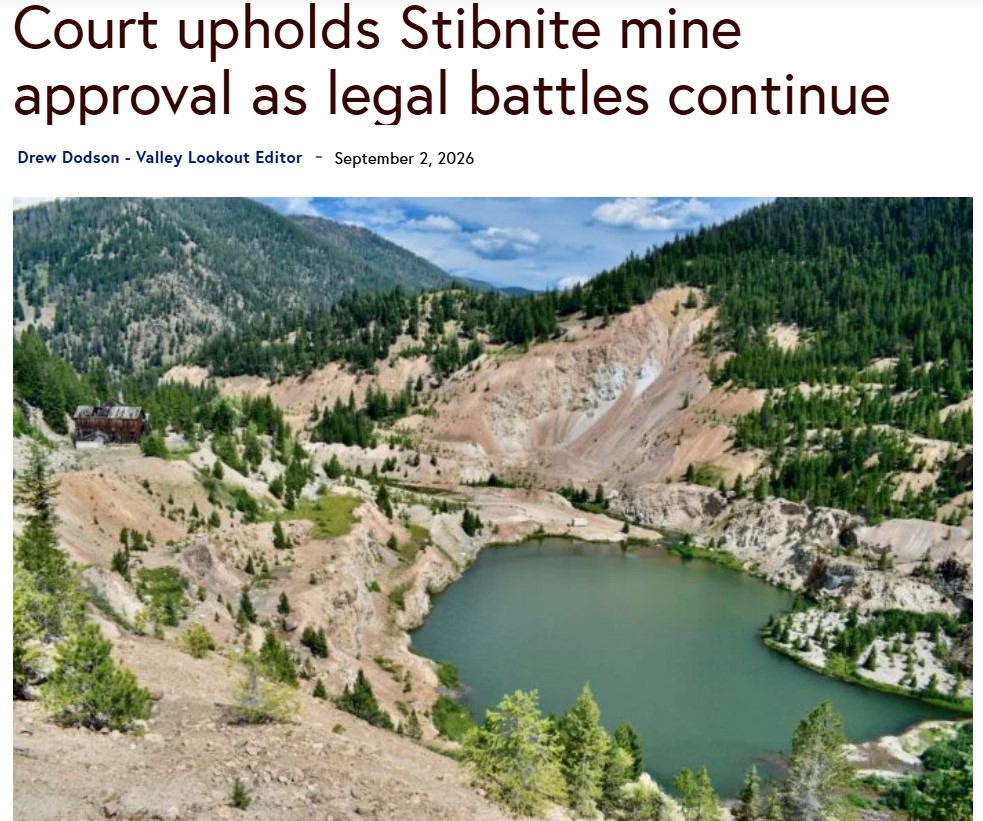
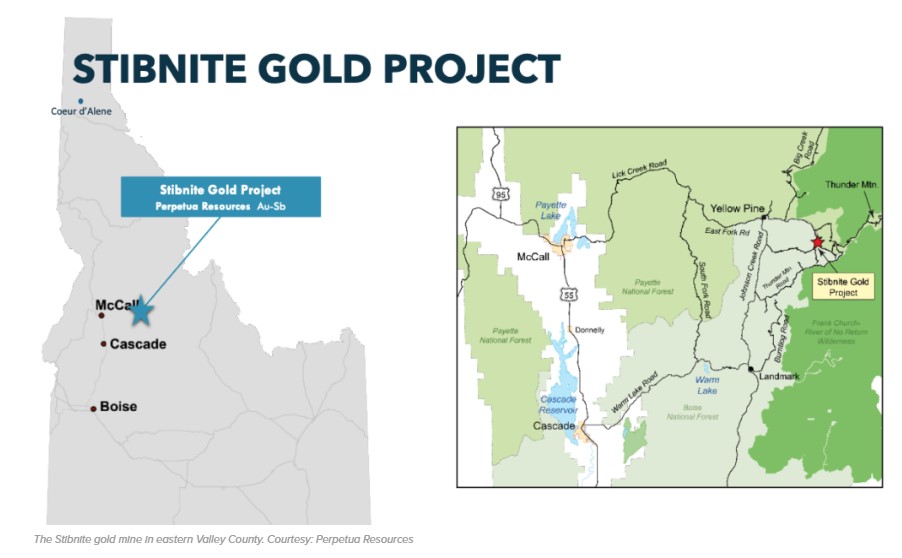 The federal approval allowing a gold and antimony mine in eastern Valley County was upheld last month in United States District Court.
An Aug. 18 ruling by Judge Amanda K. Brailsford affirms the Payette National Forest’s January 2025 approval of Perpetua Resources’ Stibnite mine near Yellow Pine.
The lawsuit raised eight claims arguing that the Payette N.F. and other federal agencies violated environmental law in approving the mine. Brailsford, however, ruled in favor of the federal agencies on nearly all of the claims.
“The court concludes that the defendants’ approval of the project did not violate the applicable environmental laws – with one exception,” she wrote in her decision.
The exception relates to the U.S. Fish and Wildlife Service’s analysis of the mine’s impact on bull trout and wolverines, both of which are classified as “threatened” under the Endangered Species Act.
Brailsford found that the agency’s “incidental take statements” for the two species did not adequately specify monitoring requirements and measures to limit the mine’s impacts.
An incidental take statement is issued when a federal agency determines that an approved action may inadvertently harm protected wildlife. FWS’s statements were deficient because they relied on cross-referencing other documents rather than including required protections in the statements, Brailsford said.
“That defendants can identify statements in the record that might support or flesh out the incidental take statement’s reasonable and prudent measures and terms and conditions does not satisfy FWS’s mandatory duty,” she said.
Brailsford ordered FWS to issue amended incidental take statements for wolverines and bull trout, but did not vacate the agency’s decision or any of the other federal approvals for the mine.
Conservation groups appeal, cite ‘unacceptable risks’
Conservation groups that filed the lawsuit appealed Brailsford’s ruling on Aug. 25, continuing their bid to overturn the federal approval and halt Perpetua’s construction of the mine.
“We believe this appeal is essential to prevent long-term damage to this cherished part of Idaho,” said Sydney Luvaas, mining and policy manager for Idaho Rivers United. “The stakes for local water quality, wildlife, and surrounding public lands are simply too high to ignore.”
Save the South Fork Salmon, the Idaho Conservation League, Earthworks, and the Center for Biological Diversity are also plaintiffs in the lawsuit.
Bryan Hurlbutt, an environmental attorney representing the groups, said they are pleased the court ordered additional protections for wolverines and bull trout, but still hope construction will be stopped on appeal.
“Allowing initial mine construction to proceed presents unacceptable risks to the South Fork Salmon River watershed, our public national forest lands, and the fish and wildlife that live there,” Hurlbutt said.
In May, Brailsford denied a motion by the environmental groups to stop Perpetua from starting construction until the lawsuit is resolved, as Valley Lookout reported.
Perpetua President Jon Cherry framed the ruling as a win for the company and described the changes ordered by Brailsford as a “narrow, discrete issue.”
“Overall, the court rejected the plaintiffs’ requests to restrict Perpetua’s construction and operation of the Stibnite Gold Project,” Cherry said. “The court’s remand was limited and does not require reconsideration of the agency’s decision.”
Other legal battles
Two other lawsuits challenging permitting for the Stibnite mine remain active.
A lawsuit filed by the Nez Perce Tribe last August is also pending before Brailsford. That lawsuit also challenges the federal approvals for the mine and seeks to halt its implementation.
Meanwhile, a lawsuit challenging an air quality permit issued to Perpetua by the Idaho Department of Environmental Quality could be headed to the Idaho Supreme Court.
In July, Fourth Judicial District Judge Jason Scott ruled in favor of DEQ, prompting an Aug. 18 appeal filed by the Idaho Conservation League and Save the South Fork Salmon.
However, that appeal was temporarily suspended on Aug. 31 due to lack of payment for court transcripts, according to online court records.
Perpetua is currently in the first year of a three-year, $2.6 billion construction phase to build the Stibnite mine. Work this year is focused primarily on power line upgrades, improved road access, and workforce housing at the mine site.
“We continue to see tangible progress at Stibnite,” Cherry said.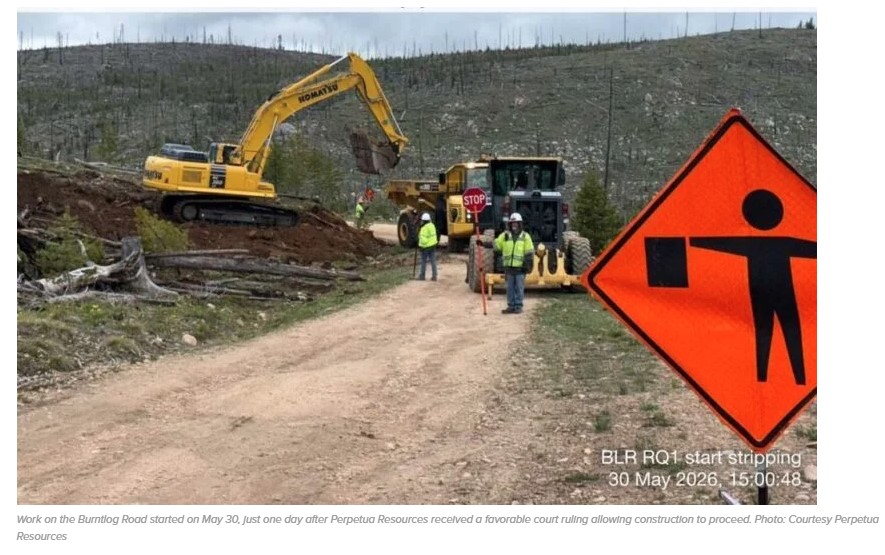
Once construction is complete, Perpetua expects mining operations to last for 12 to 15 years, under the mining plan currently approved by regulators.
The mining timeline could be extended if exploration currently underway yields promising results, as Valley Lookout reported.
The Stibnite mine is expected to produce 4.2 million ounces of gold and 115 million pounds of antimony, according to Perpetua. The metals would be extracted from three open-pit mines totaling about 473 acres within the 1,740-acre project zone, which is about 40 air miles east of McCall and three miles from the Frank Church – River of No Return Wilderness.
Opponents of the mine fear it could pollute the East Fork South Fork Salmon River, which flows through the project site, and cause other environmental damage.
Water quality in the East Fork and other streams at the proposed mine site does not currently meet federal drinking water standards due to high concentrations of arsenic and antimony from pollutants left by previous mining companies.