Much of Wyoming outside of Yellowstone and Grand Teton also struggles with emergency response time.
By Katie Klingsporn, WyoFile
Wyoming’s U.S. Sen. John Barrasso is pushing legislation to upgrade emergency communications in national parks — a step he says would improve responses in far-flung areas of parks like Yellowstone and Grand Teton national parks.
“This bill improves the speed and accuracy of emergency responders in locating and assisting callers in need of emergency assistance,” Barrasso told members of the National Parks Subcommittee last week during a hearing on the bill. “These moments make a difference between visitors being able to receive quick care and continue their trip or facing more serious medical complications.”
The legislation directs the U.S. Department of the Interior to develop a plan to upgrade National Park Service 911 call centers with next-generation 911 technology.
Among other things, these upgrades would enable them to receive text messages, images and videos in addition to phone calls, enhancing their ability to respond to emergencies or rescues in the parks.

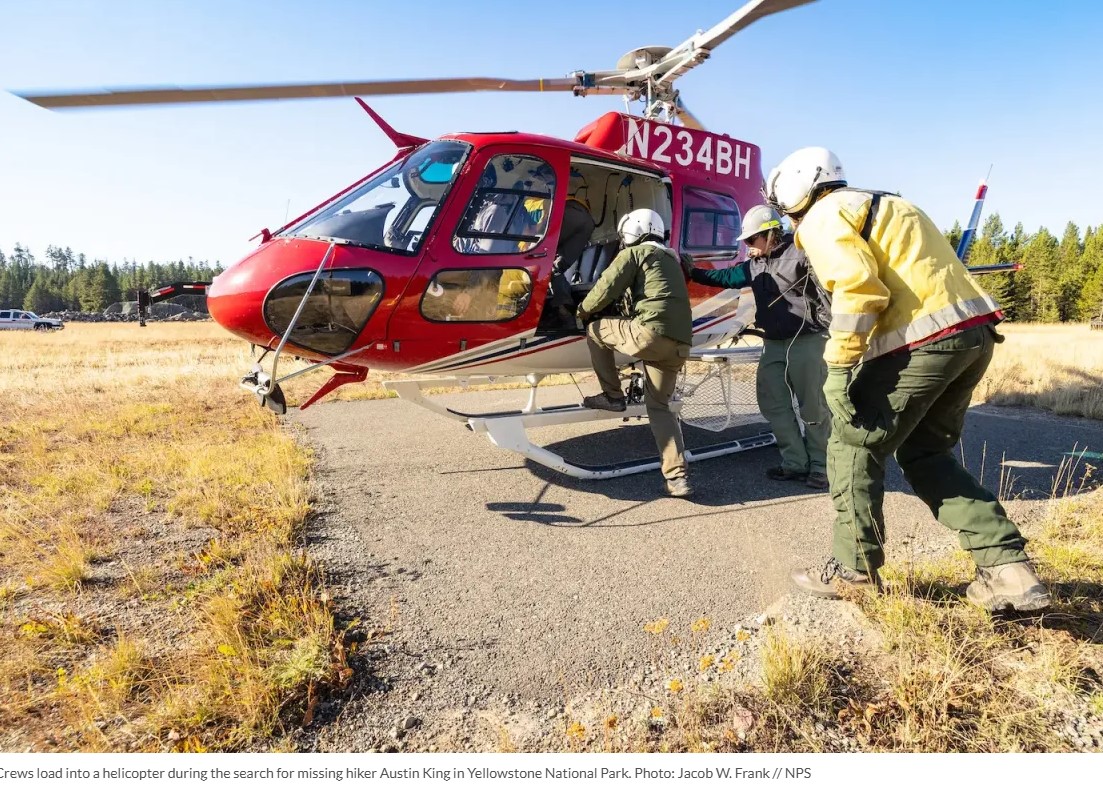
Each year, rangers and emergency services respond to a wide range of calls — from lost hikers to car accidents and grizzly maulings — in the Wyoming parks’ combined 2.5 million acres.
Outside park boundaries, the state’s emergency service providers also face steep challenges, namely achieving financial viability. Many patients, meantime, encounter a lack of uniformity and longer 911 response times in the state’s so-called frontier areas.
Improving the availability of ground ambulance services to respond to 911 calls is a major priority in Wyoming’s recent application for federal Rural Health Transformation Project funds.