11. June 2016 · Comments Off on National Trails Day 2016 · Categories: Around The Campfire, Current Events, Work Parties and Projects

Peace Creek

 Middle Fork of the Payette River
Squaw Butte BCHI
June 4 & 5, 2016

June 4, 2016 is American Hiking Society’s National Trails Day®, the country’s largest celebration of trails. National Trails Day events will take place in every state across the country and will include hikes, biking and horseback rides, paddling trips, bird watching, geocaching, gear demonstrations, stewardship projects and more.

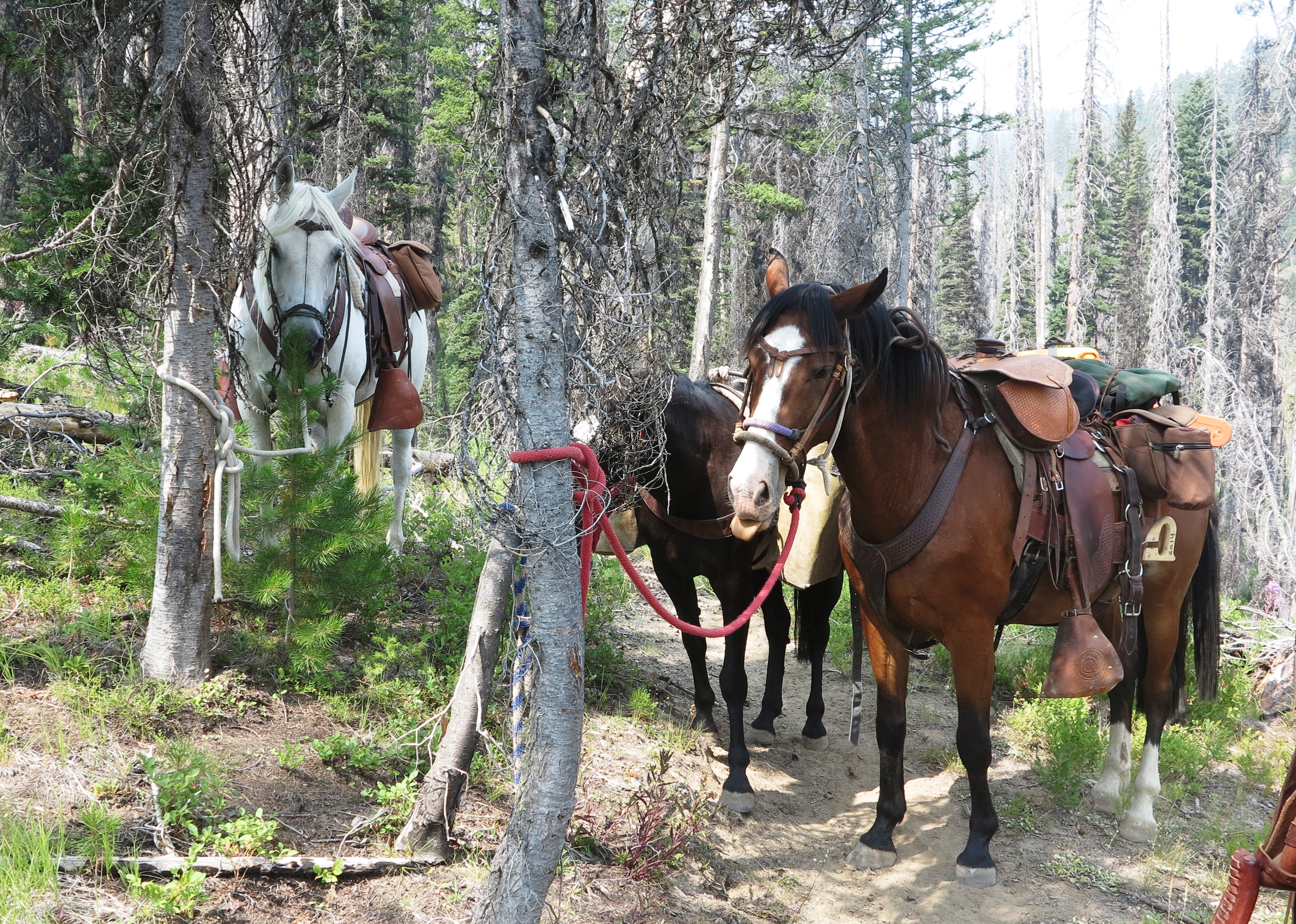
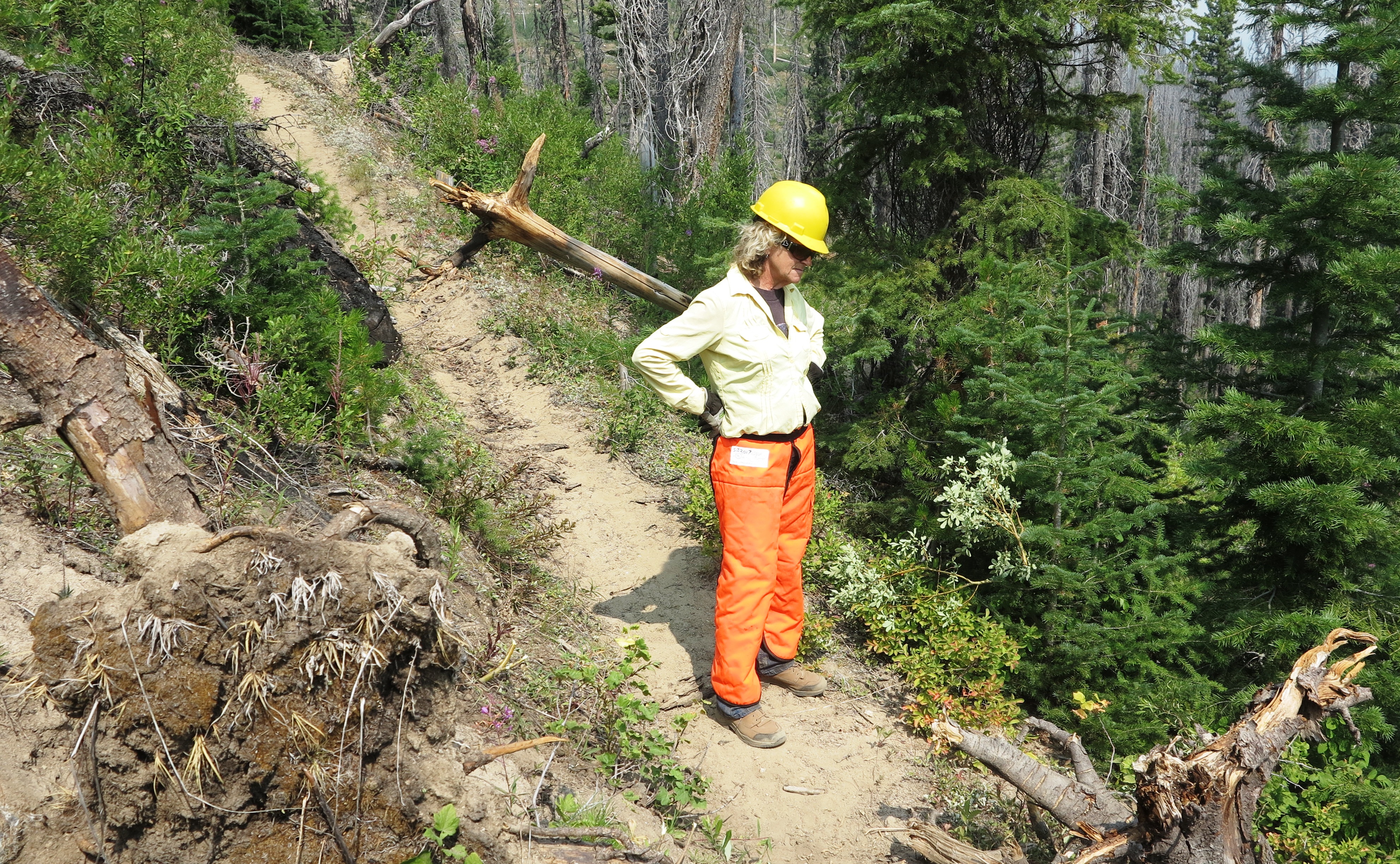
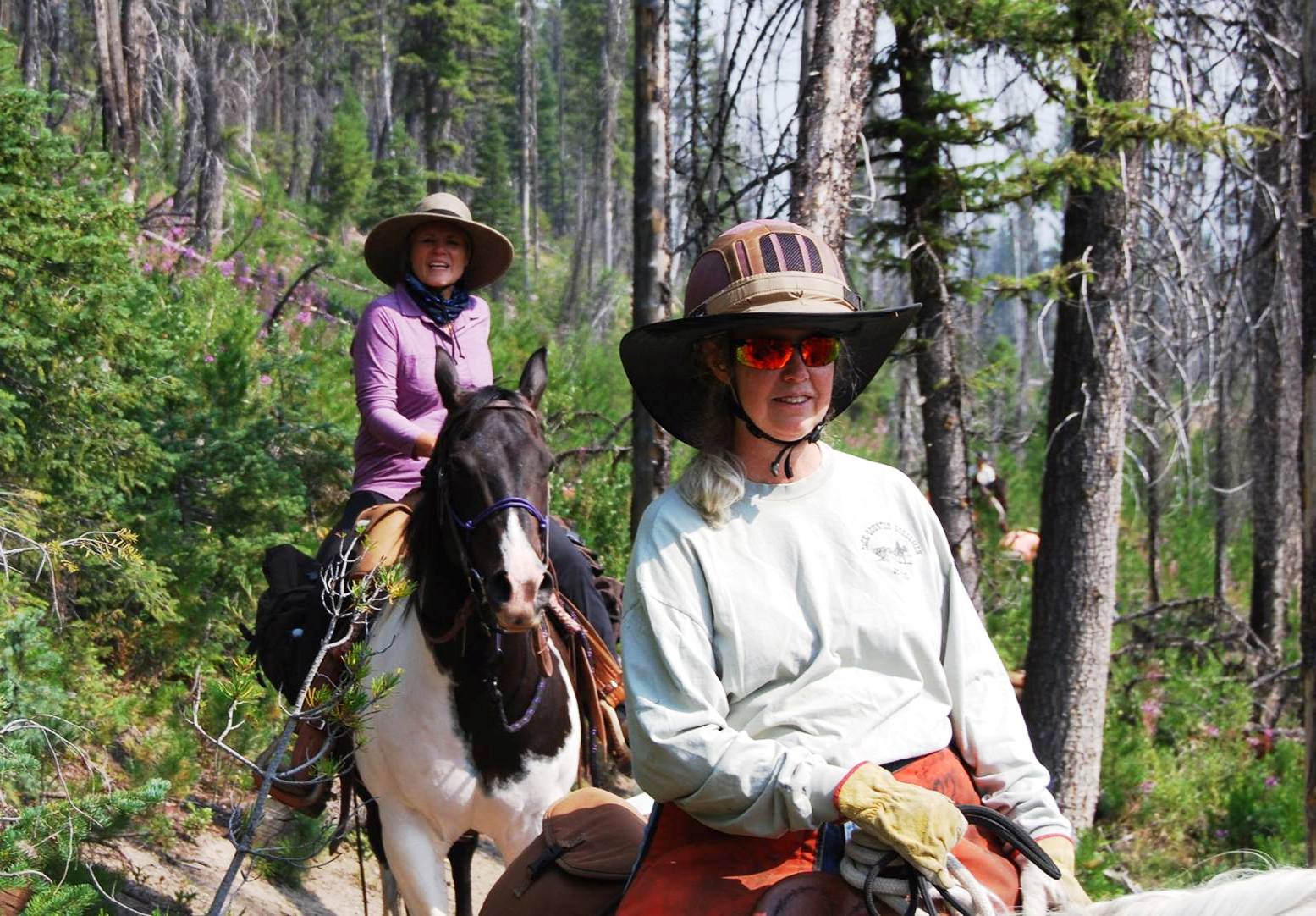
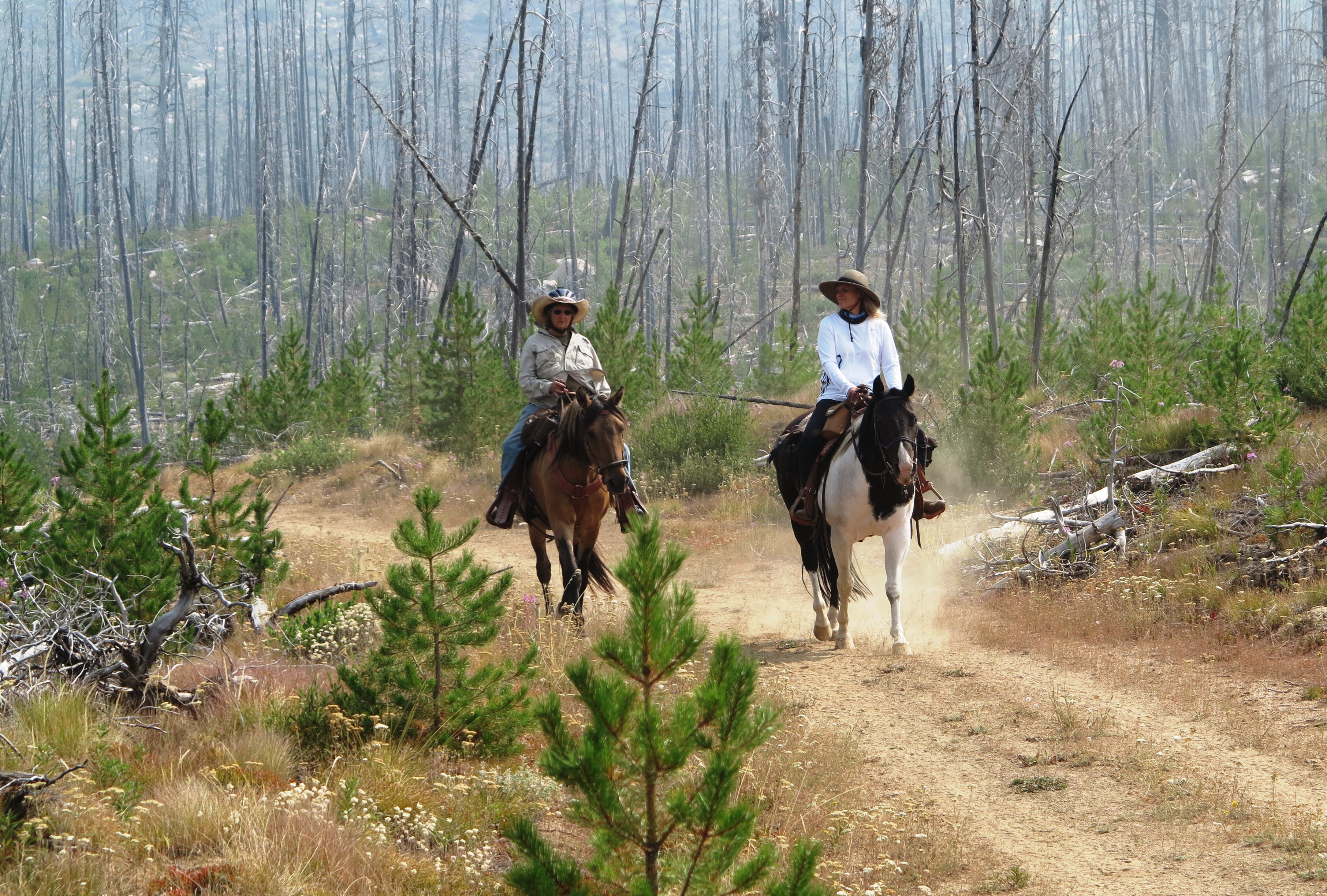
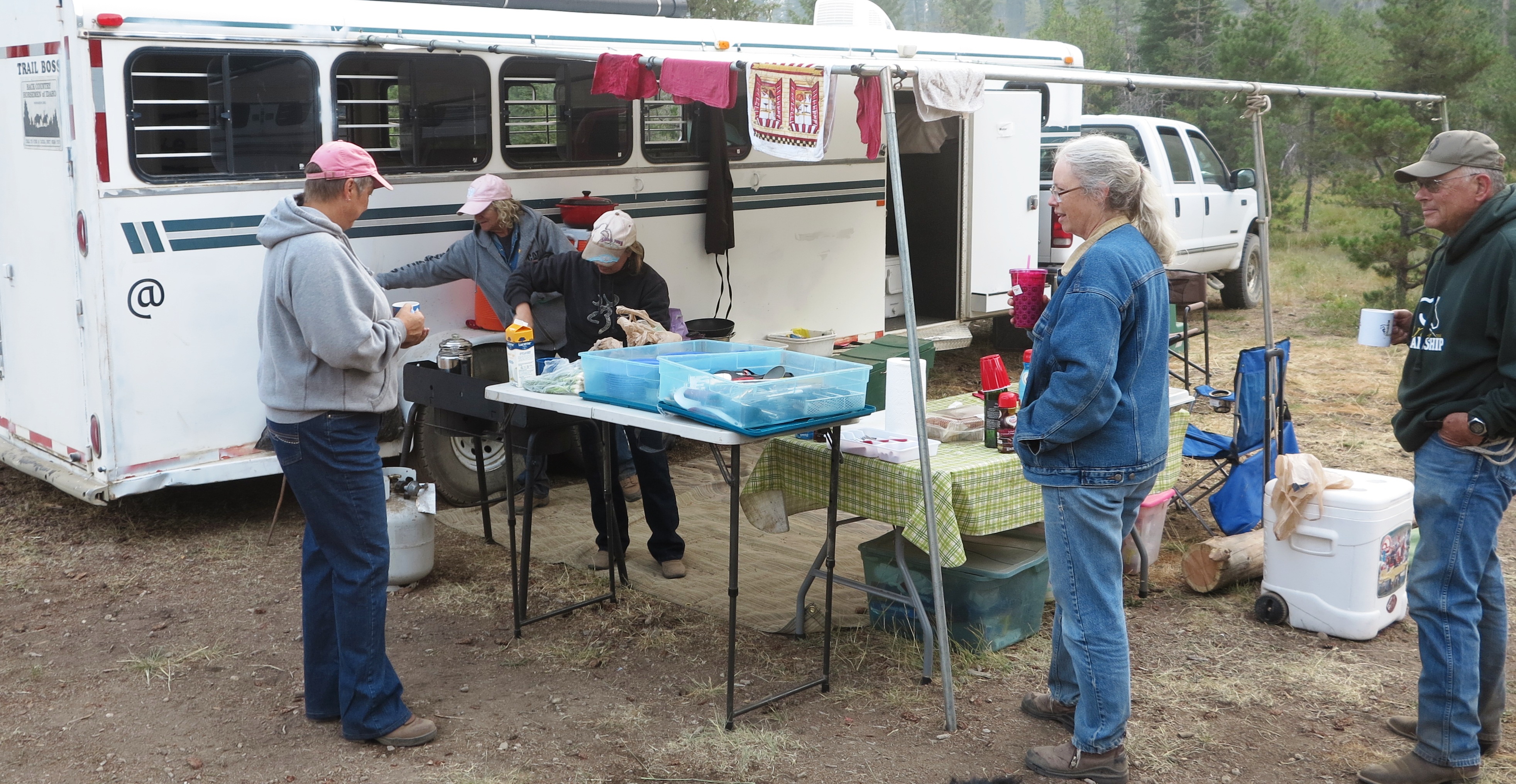
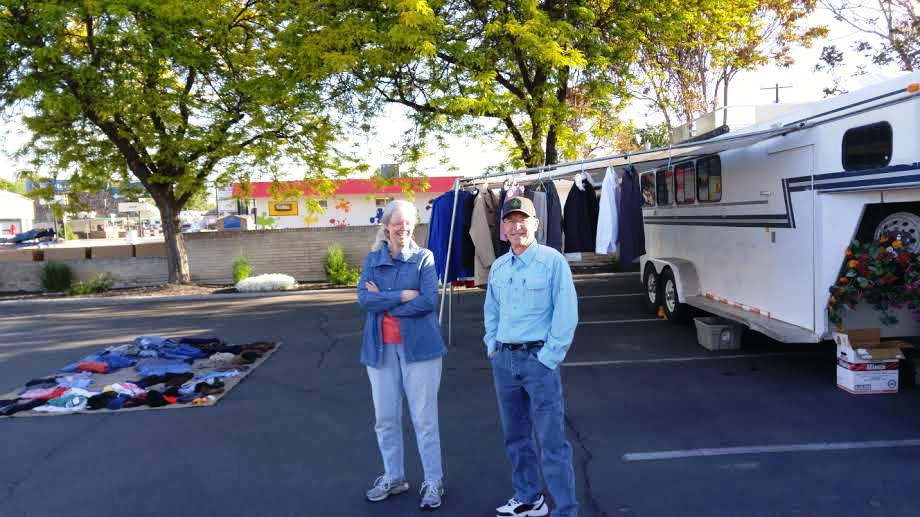
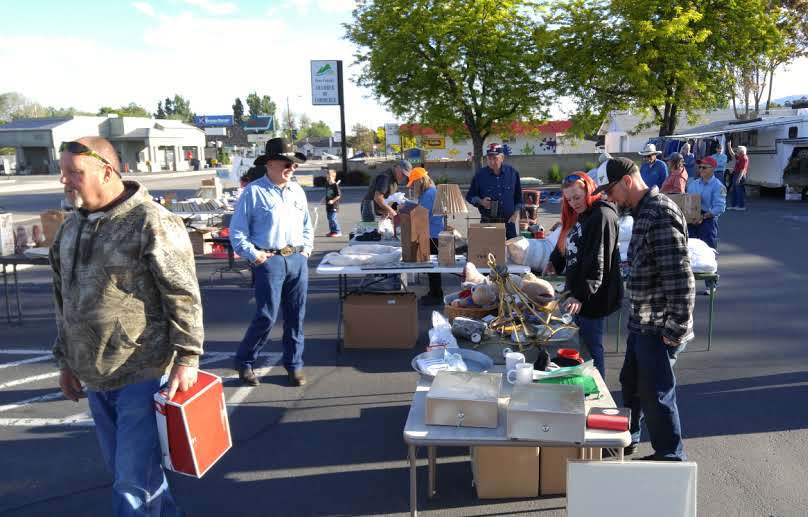
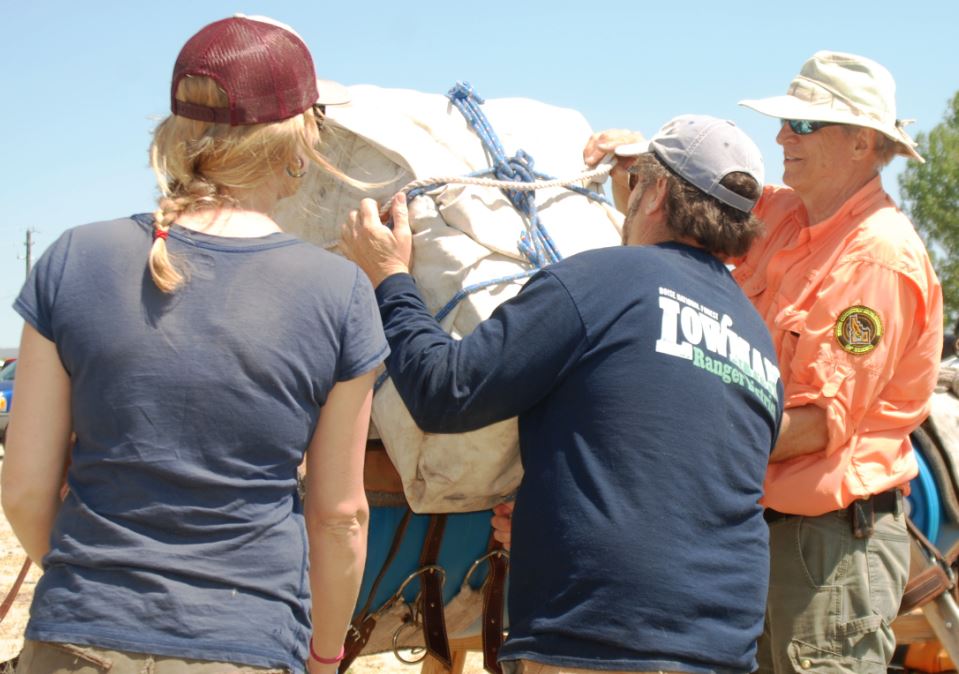
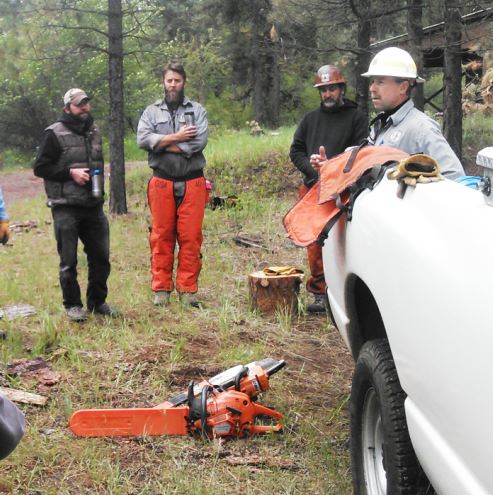
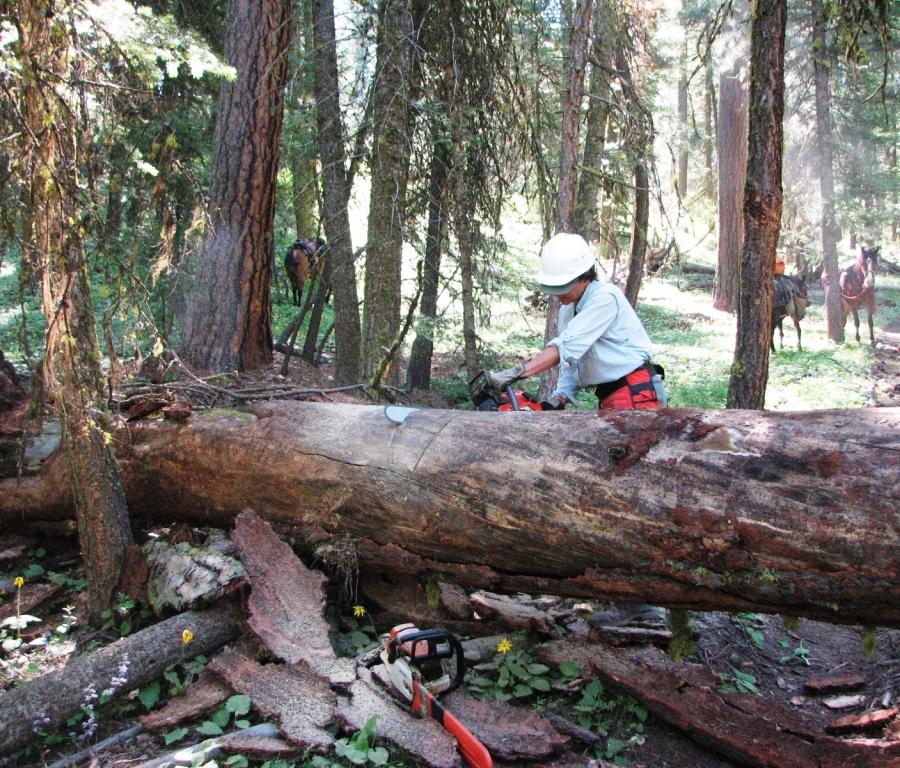
Squaw Butte each year plans a national trail day project, it the past they have been held in state parks picking up trash, the Payette national forest fixing trail bed and this year at the Peace Creek Trail head, removing a large quantity of fallen trees that were blocking two trails.

Read More: 2016 National trails day             More Pictures

19. May 2016 · Comments Off on 2015 Season Accomplishments for the McCall/New Meadows Trail Crew · Categories: Around The Campfire, Current Events, Work Parties and Projects

PNFT01PNFT08PNFT02

PNFTrailCrew2015  See the whole report

18. May 2016 · Comments Off on FY 2015 Boise National Forest North Zone Trails Program Accomplishments · Categories: Around The Campfire, Current Events, Work Parties and Projects

2015 Trail Accomplishment end of season report NZT01Eagles Nest Trail Project
District: Cascade
Trail No. 11104
Background:
The Eagles Nest Trail was inspected on November 13, 2013. The trail was inspected from the boundary of Idaho State Land and Boise National Forest where the 400 road parallels the trail. The Eagles Nest trail is a moderate to high use trail located in a remote are on the Cascade Ranger District
Purpose and Need:
The project is located approximately 1 mile from a parking area along the 400 road. The trail crosses several small ridges and descends to the first stream and Stream Environment Zone (SEZ). The SEZ area is approximately 15 yards long. The trail then ascends up and over a small hill to the next SEZ. The length of the second SEZ is approximately 53 yards. The trail ascends out of the marshy area and heads northeast. The approaches to both areas are very steep and incised. The grades exceed 25% and there are large quantities of sediment entering the SEZs and the perennial stream that runs across the trail. The wet areas are highly impacted and have significant trail braiding from users trying to find a better route. The total length of the project is approximately 425 yards.
The reconstruction of this section will improve public safety, reduce significant ongoing resource damage, and improve the overall user experience.
Completed Repair: The project is currently under construction. The estimated time of completion is mid-October.
– Realignment and construction of approximately ¼ miles of new trail
– Decommissioning and restoration of ¼ miles of existing trail
– Construction of two Puncheon/Causeways approximately 70 yards long

NZT03

Project in the Yellow Pine Area

NZT02

17. May 2016 · Comments Off on Trail Project Season is Finally Here! · Categories: Around The Campfire, Horse Camping, Work Parties and Projects

TP06TP07TP02TP01TP04TP03TP08 Attending a BCHI Project Weekend

11. May 2016 · Comments Off on why killing wolves might be a bad idea · Categories: Around The Campfire, Current Events

wolf20160510

Click on Movie

05. May 2016 · Comments Off on Idaho’s Track Record Predicts What Happens When Public Lands are Sold · Categories: Around The Campfire, Current Events

NoT3
Idaho Land Sales: A Prediction of the Future?
by Tony Hansen

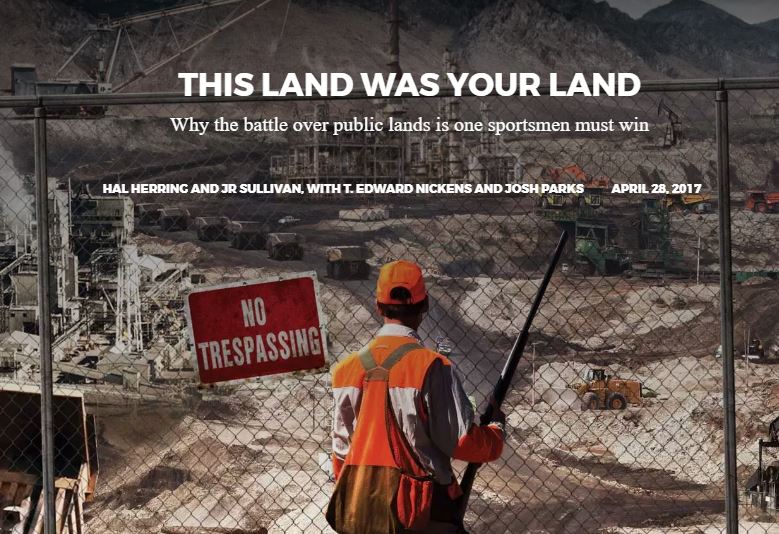
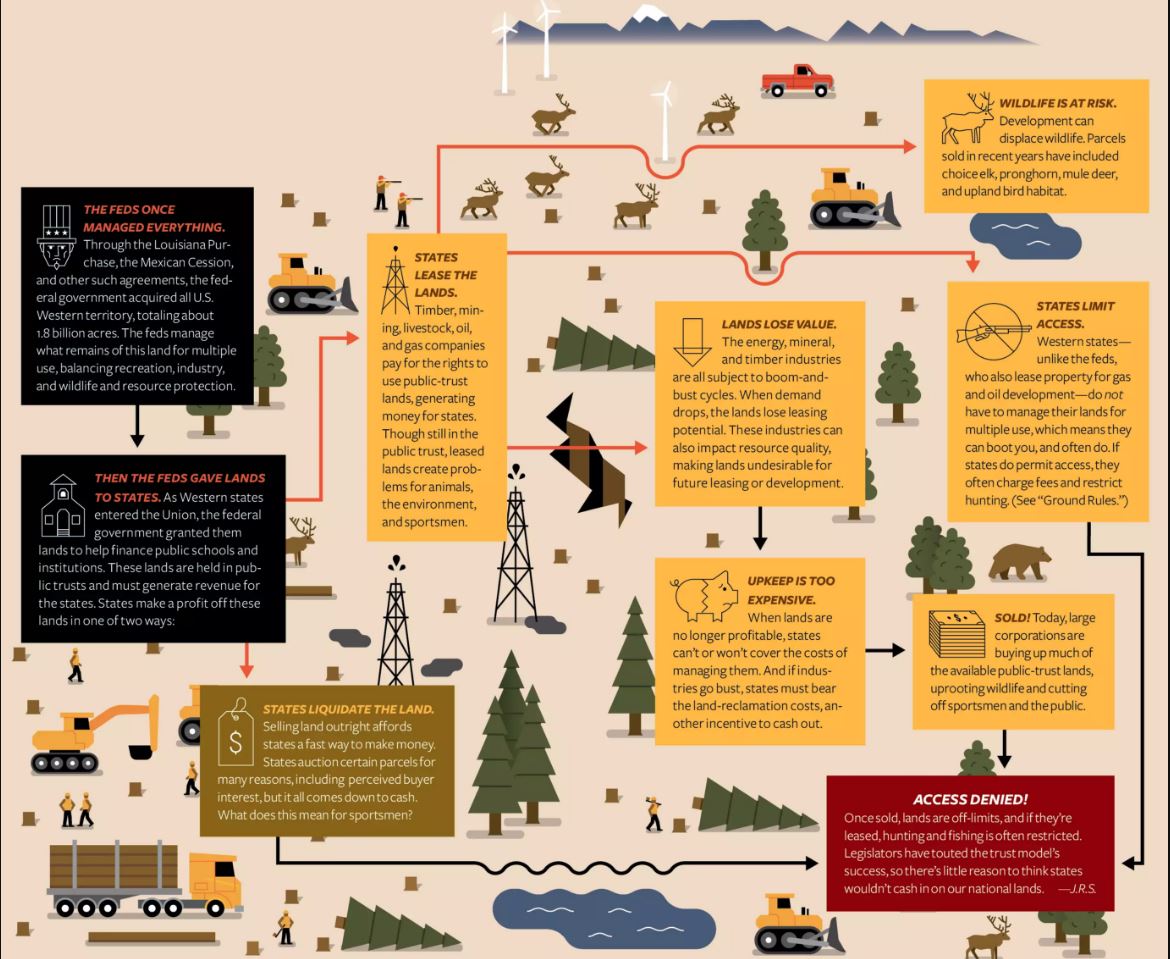
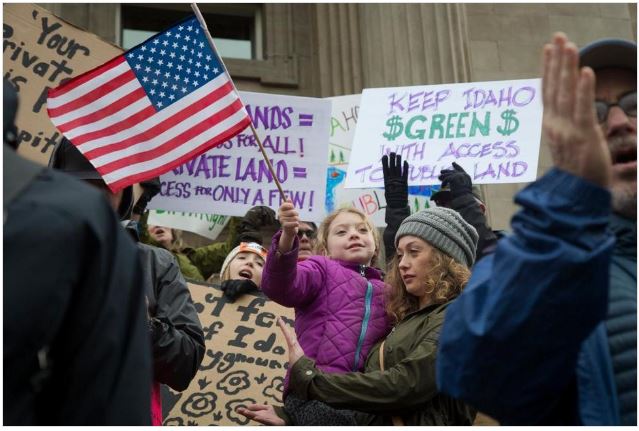
For months now, the debate over whether states should be given ownership of Federally-owned lands has raged. Proponents of the move say the Federal government is incapable of properly managing the land and claim the ground should be returned to state control and that doing so would mean only improved management and not a public lockout.

Opponents say that doing so would almost certainly mean a net loss in access by the public.

So which side is telling a closer version of the truth?

Perhaps we can look to Idaho for historical insight.

The Wilderness Society recently filed a public records request for an analysis of the Idaho Department of Lands. What they found is interesting indeed.

Since 2000, the state of Idaho has sold more than 100,000 acres of publicly-owned land. The buyers? Timber companies, cattle ranchers, lakeside homeowners and privately-owned fishing clubs along the banks of prime trout waters.

That 100,000-plus acres is part of more than 1.7 million acres of public land the state has sold of the roughly 4.25 million acres Idaho received at statehood. That’s a sell-through rate of roughly 41 percent.
NoT2
History is clear on what will happen if our national public lands are given to the state, Brad Brooks, The Wilderness Society’s Boise-based deputy regional director told the Idaho Statemen. They’re almost certain to end up in hands that will lock the public out.

Read Report


NoT


02. May 2016 · Comments Off on Northwest Horse May 2016 · Categories: Around The Campfire, Current Events

NWH-May

Cover Story: Getaway Horse Play – Your Horse Wants To Go!

Equine Wellness: Barefoot, Shod or Boots?

Getting Help in a Backcountry Emergency

Trainer’s Corner: Becoming a Student

The Adventures of Spanky and Dally

Back Country Horsemen of Washington – Joe Watt Canyon Ride

Spring time in Kittitas County finds the elk herds leaving their winter feeding grounds, early spring flowers in full bloom and the annual Back Country Horsemen of Washington Joe Watt Canyon Prize Ride. This year the ride will be May 14th, with camping available both before and after the ride – a Discover Pass is required for this area. This beautiful, popular ride travels the foot hills of the LT Murray elk feeding station, giving vast mountain views and rolling hills of wild flowers in bloom. Riders will enjoy lots of single track trail mixed with abandoned roads for 3 hours of riding. Mixed in along the ride route are manned stations offering games of skill to the participants so that they may hopefully build a winning poker hand good enough to win one of the many prizes being offered back at camp.

This year’s ride proceeds will go to help fund BCHW Tahoma Chapter to complete trail projects in the Norse Peak Wilderness. The ride flier with all the information is posted at www.bchw.org and on Facebook at BCHW Joe Watt Canyon Prize Ride

18. April 2016 · Comments Off on USFS Trail Funding Talking Points · Categories: Around The Campfire, Current Events

Contact: Babete Anderson, National Press Officer, (202) 205-1782, branderson@fs.fed.us
USFSTP01USFSTP02

USFSTP03USFSTP04

14. April 2016 · Comments Off on Design Guidebook for Trails, Trailheads, and Campgrounds · Categories: Around The Campfire, Horse Camping

DGTTC2

Hancock, Jan ; Vander Hoek, Kim K. Jones; Bradshaw, Sunni ; Coffman, James D.; Engelmann, Jeffrey . 2007.

Equestrian Design Guidebook for Trails, Trailheads, and Campgrounds. 0723 2816. Missoula, MT: U.S. Department of Agriculture, Forest Service, Missoula Technology and Development Center. 312 p.

This guidebook provides information for developing trails, trailheads, and campgrounds that are sensitive to the needs of riders and their animals. The emphasis is on highly developed facilities and programs such as those in urban, rural, and some wildland areas. The information presented can be adapted for a variety of settings and levels of development, as well as jurisdictional requirements.


Keywords: Accessibility, arenas, bridges, bridle paths, campgrounds, corrals, Equidae, equines, facilities, Federal Highway Administration, fences, fencing, FHWA, fords, gates, highlines, hitch rails, horse camps, horse riders, horses, latches, master plans, mules, multiple use, pack stock, parking areas, parks, picket lines, planning, recreation, recreational facilities, round pens, shared use, staging areas, surface treatments, tethering rails

DGTTC

13. April 2016 · Comments Off on Squaw Butte Public Fun Rides · Categories: Around The Campfire, Current Events

PR2016During the months of February, March and April the Squawbutte Chapter of BCHI hosts three public fun rides as a way to introduce potential member to the organization and get current and former members back on their horses after the winter layoff. With the Owyhee area being generally snow free in February and March, we hold our first rides in that area.

Celebration Park, Birds of Prey
February 21, 2016 – 26 Members and Guests signed up for this event, not all showed up. Lou Ann also posted this event on a local horse site and that attracted more guest! Weather was blue sky’s with a crisp breeze from the east. Due to the number of riders, we broke up into a number of groups and took different trails out to the old corrals for a snack break. Laurie B and Linda E continued up the canyon almost to Swan Falls. All returned to the parking lot with smiles and claimed they would be back for the March ride to Diamond Basin. Photo’s by Laurie, Lisa and Rob.
CBR

Diamond Basin – Owyhee Foot hills
March 20, 2016 – Diamond Basin Corrals 43.10950,-116.60297 GPS On this almost perfect March day, 50’s with a light breeze and blue skies, 24 members and guest meet at the corrals on the old stage coach road to Sliver City. By 10:30 most had arrive and were saddled up. Terry & Phil lead off and in small groups the rest followed up the old stage coach road. We shared this road with 4-wheelers, side by sides and motor cycles. All encounters were pleasant with courtesy show by both the motorized users and the horsemen. After the 4 hour ride, we share finger food and got to know each other a bit better. A very successful ride! Photo’s by Lou Ann, Nicole, Laurie, Lisa & Rob
DBR

Johnson Creek Fun Ride and Potluck
April 10, 2016 Johnson Creek Ride and Potluck. Johnson Creek is just outside of the once town of Montour, ID. Montour is about three miles south of Sweet, ID and was removed a number of years ago and the area became wet lands for birds and wild life on the Payette River. Regan Peak a core of an old volcano, towers over the area. Johnson Creek, is a primitive public road that heads south and if you follow it far enough you would reach the Emmett Cycle Park. On this day, we had 16 riders who enjoyed exploring the area with trail boss, Terry MacDonald. After the ride the group, joined other members at Linda and Rob Adams home in Sweet for a spring potluck. Great food was enjoyed by old and new members as they got caught up on what they had been doing over the winter months.
JCM

08. April 2016 · Comments Off on Wildfires and Heat Waves: How To Protect Your Home and Life · Categories: Around The Campfire, Current Events

fireThe year 2015 set new wildfire records in the United States. According to the National Interagency Fire Center, almost 10 million acres burned. Many thousands of homes burned in these fires, each one full of memories – now reduced to ashes. Over seventy fire fighters perished in their efforts to combat wildfires in the US in 2015, not to mention citizen deaths.

If you live in a seasonally dry climate with abundant flammable vegetation, your residence is vulnerable to wildland fire. Lightning, accidents, and criminals ignite these fires every year. Fire is unpredictable. If there are weaknesses in your home’s fire protection scheme, fire can gain the upper hand because of some overlooked or seemingly inconsequential factor. Don’t let that happen to you.

As a homeowner, you can take a number of steps to protect your property and reduce the spread of wildland fires. This guide provides information and lists clear action steps you can take to avoid becoming a statistic. Keep reading for more information.

Surviving a Wildfire

Two factors have emerged as the primary determinants of a home’s ability to survive wildfires: choosing fire-resistant roofing material and creating a wildfire defensible zone. First, it is important to choose a fire-resistant roofing material that is rated a minimum of class C when building a house in or near forests or grasslands. (Class B and A offer progressively better protection.) Avoid flammable materials such as wood or shake shingles. Second, create a fuel free zone around your home where fire has nothing to burn – this is called the defensible space. By creating a wildfire defensible zone, homes are less vulnerable from this naturally occurring phenomenon and the chance of spreading wildfires is greatly reduced.

If you are a homeowner and you are interested in protecting your home from wildfires, follow the FireWise guidelines. While you may not be able to accomplish all of these measures, each will increase your home’s safety and survival during a wildfire. Start with the easiest and least expensive actions. Begin your work closest to the house and move outward. Keep working on the more difficult items until you have completed your entire project.

Choose surrounding vegetation wisely: maintain a greenbelt (irrigated if possible) immediately around your home using grass, a flower garden and/or fire-resistant ornamental shrubbery. An alternative is rock or other non-combustible material, which may be preferable if your house is made of wood or other flammable materials. Avoid using bark or wood chip mulch in this area.
Read the following list for practical steps you can take to protect your home and property and preserve life.

08. April 2016 · Comments Off on Wilderness Survival Guide: How To Stay Alive if Lost, Hurt or Stranded · Categories: Around The Campfire, Current Events

Imagine a fun afternoon hike around Mt. Baker. You’re enjoying the quiet of the forest, the dappled light shining through the trees, and the intoxicating smell of the leaves when thick fog rolls in unexpectedly at 4:00 p.m. In a panic, you follow the wrong trail for hours along a progressively steeper face until you’ve run out of daylight.

Imagine being on a snowmobile in the back-country with friends, zipping through the powder and chasing each other between the tree trunks when a blizzard sets in and the last snowmobile doesn’t show up at the rendezvous point.

Or imagine the mountain biking trip you’ve been daydreaming about for months, bombing down the mountain with the wind in your face. You get separated from your group on a tricky portion of singletrack, and decide to press on when you come to an unknown fork in the trail. Feeling exhausted and dehydrated, you take a corner too fast and crash, taco–ing your front wheel and breaking your collar bone.

Lost, hurt, stranded – these scenarios and others like them play out over three thousand times per year in the United States. Folks heading outdoors in search of adventure don’t plan on getting lost or hurt in the wilderness. It can happen to the best of us, and when it does, people underestimate the challenges of the wilderness and overestimate their own ability.
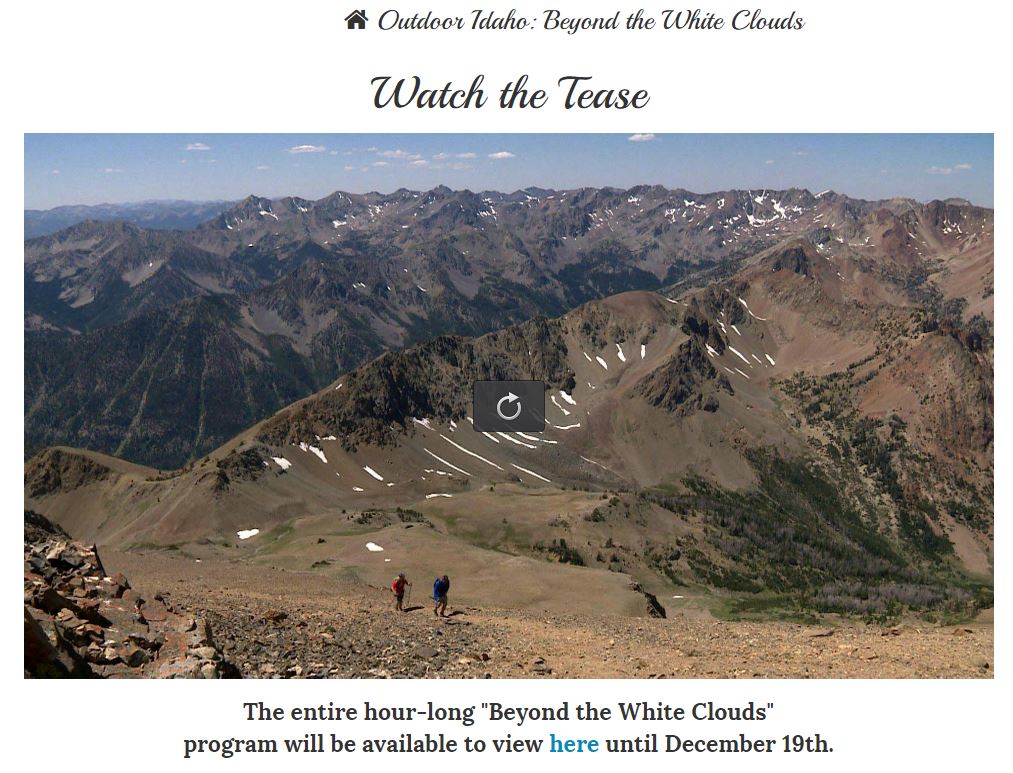
To help you avoid becoming a statistic by rightly explaining the dangers of the wilderness and ensuring that you are physically and mentally prepared for any snags during your adventures, we’ve put together this wilderness survival guide.


  • Stay Found – Make Survival Training a Waste of Time
  • Fear the Weather – Wilderness Enemy Number One
  • Communication – It’s Not Just For Married People
  • Buddy Up – One Is The Loneliest Number
  • Survival Kit – The New Ten Essentials, Plus…
  • Survival Priorities – Remember The Rule of 3

Read More


24. March 2016 · Comments Off on Got a sick horse – Call Dr. Google · Categories: Around The Campfire, Current Events

Gvet01

Gvet02
Gvet03
Gvet04
This cartoon is obviously a joke, but as a long-time equine vet, scenarios like this are too familiar to me. Misinformation (often found on the Internet – a/k/a “Dr. Google”) leads caretakers to make guesses about their horse’s condition rather than contacting a vet. check out our local vet page on the Squaw Butte Web Site

Thank you for your interest in Horse Side Vet Guide, a mobile application for horse owners and equine professionals for the iPhone and Android. You have received this email because you signed up for more information at www.HorseSideVetGuide.com or from the app itself. Thanks!

20. March 2016 · Comments Off on Guest Opinions – Public Lands · Categories: Around The Campfire, Current Events

GO-PL

New Mexico land transfer experiment ended badly for state control advocates

BY TOM RIBE

It is no secret that some state legislators in the West want to boot federal land management agencies from their states. They argue that the Bureau of Land Management and U.S. Forest Service cost too much and are too detached from local values, and that states could make money by running our vast open spaces like a privately owned business.

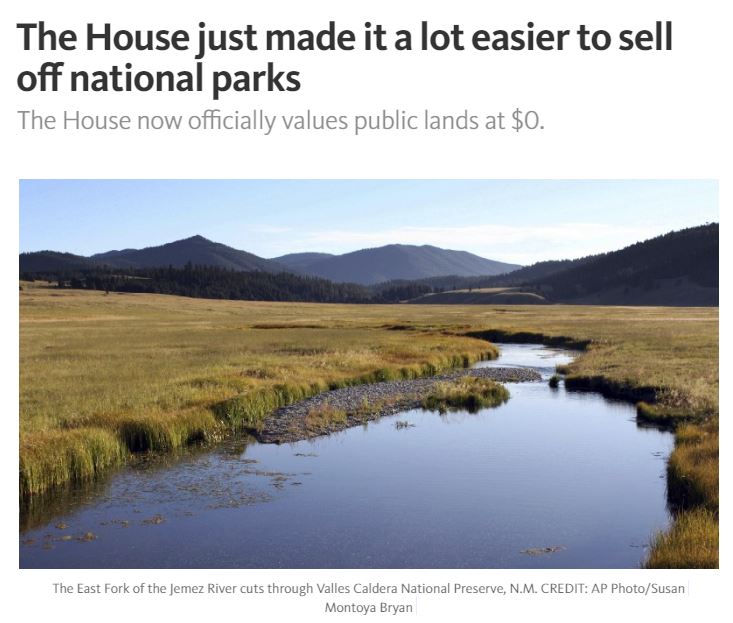
The Cato Institute, a Washington, D.C.-based libertarian think tank, is of that opinion and has developed models to replace federal agencies with private interests. What many people don’t know is that Congress implemented one of the Cato Institute’s ideas in 2000, on the 89,000-acre Valles Caldera National Preserve in New Mexico. For some critics of the federal government, this was the experiment in land management that would signal the end of the BLM and Forest Service in the West.

Give states chance to manage small portion of U.S. forests

BY JIM GERBER

At a Feb. 24 House Appropriations Committee meeting on the Forest Service budget, Rep. Tom Cole, R-Okla., suggested there might be some merit to selling off federal public lands. Rep. Mike Simpson, R-Idaho, pointed out that the people of Idaho love their public lands because they use them for a wide variety of uses. They would not like to see them auctioned off.

There is a better solution than to sell off federal lands. Rep. Raul Labrador, R-Idaho, has a bill that would create experimental areas of 200,000 or more acres in several states to see whether state management of federal lands is feasible.

Idaho’s misguided attempt to legalize a Bundyesque occupation

BY KAHLE BECKER

Senate Bill 1338, brought to us by Sen. Sheryl Nuxoll R-Cottonwood, purports to allow counties to declare Federal land a “Catastrophic Public Nuisance.” The proposed legislation which then claims to allow a county or its sheriff to take steps to abate the nuisance. Presumably this means the county can order trees be logged, roads be constructed, or prescriptive fires be lit on Federal land.

BY BRIAN BROOKS

For most Idahoans, our expansive landscapes are seen as a great heritage to be explored and cherished. These lands provide quality habitat that sustains rich fish and wildlife populations that naturally draws or creates lifelong sportsmen and women. Our Idahoan character and western culture have been shaped in part by our uninhibited exploration of wild places.

BY ZANE JOSEPH BEAL

A handful of bills recently introduced in the Idaho State Legislature strike a worrisome note. These bills — SB 1338, HR 582 and HR 586 — would have the effect of introducing a measure of chaos into extant methods of public land management, and ultimately erode our capacity to preserve the natural bounty of Idaho. SB 1338 would give sheriffs and county officials the ability to unilaterally impede federal management initiatives, while HR 582 and 586 represent efforts to transfer public lands from federal to state control.

BY ED NORTHEN

Recently the Idaho Senate passed SB 1338, a bill that, if enacted, will bring disarray to land management across our state. An earlier version, drafted by out-of-state lobbyists and special interests, had to be withdrawn due to gross inaccuracies. While this version has corrected spelling errors and reduced inaccuracies about our state, it is still wrong for Idaho

16. March 2016 · Comments Off on Idaho Non-Motorized Trails Summit · Categories: Around The Campfire, Current Events

IMG_9575Idaho Trail Enthusiasts,

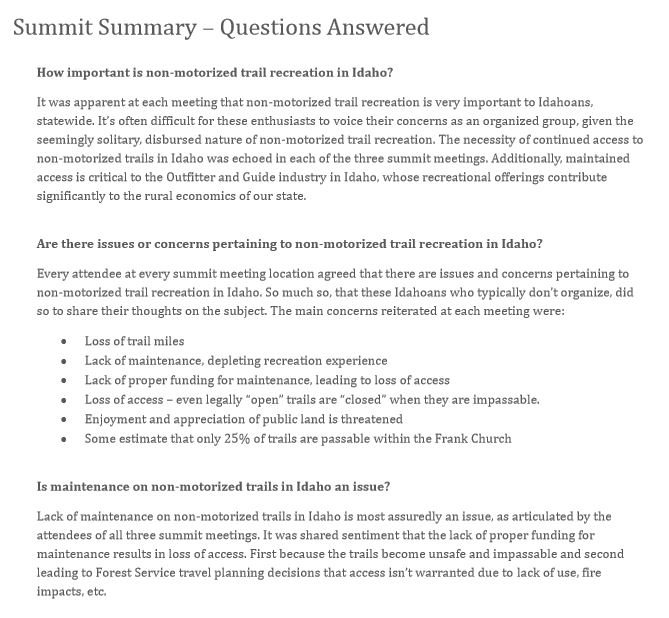
The Idaho Department of Parks and Recreation (IDPR) appreciates your participation in the recent Non-Motorized Trail Recreation Summit held February 10, 2016 in Boise. We were inspired by the number of folks who care about Idaho’s trails, and the energy and dedication you brought to the meeting. As promised, we are attaching a summary of the Boise event, meeting notes and a list of attendees.

We will continue and expand this conversation with meetings in eastern and northern Idaho in the coming weeks. Before the summer recreation season, we will convene a smaller, more strategic group of recreation volunteers and leaders to consider:
– Is there an idea for increasing funding for maintenance of non-motorized trails that would work in Idaho?
– Is there sufficient public interest – and leadership within recreation user groups – to mount a successful campaign for that idea?
– Next steps?

Several of you have already volunteered to get more involved. If you would like to lend your time and effort, as an individual or on behalf of an organization, pleased be sure to reply to Betty Mills at betty.mills@idpr.idaho.gov and we will keep you informed on further developments

In the meantime, please feel free to contact members of IDPR staff with any questions you might have. We appreciate your participation and support.

IPR-meeting summary_Boise_ final

IPR-DL

14. March 2016 · Comments Off on Boise man seeks to make Idaho a thru-hike destination · Categories: Around The Campfire, Current Events

ICTBy: Lacey Darrow

Posted: Mar 13, 2016

“Unlike any trail in the country, this is the biggest stretch of wilderness that you can hike,” explained Clay Jacobson, an avid thru-hiker.

Jacobson has spent months if not years of his life hiking trails across the country.
From the more than 2000 mile Appalachian Trail to the 2600 mile Pacific Crest Trail, step by step, he’s done it. Just this past summer, he took on the Idaho Centennial Trail, a nearly 1000 mile long trail stretching from Nevada to Canada.
“To go out and have that kind of experience, that life changing type of experience in Idaho just creates a bond with the place,” said Jacobson.  Jacobson says unlike the AT of the PCT, hiking the Idaho Centennial trail is literally taking the path less traveled.

Each year thousands set out to thru-hike the AT and PCT but Idaho’s thru-hike only sees a handful of folks each hiking season.

“You know the Pacific Crest Trail is a beautiful maintained trail that goes for 2700 miles. The Idaho Centennial Trail is a line on a map that you can follow on the ground sometimes, other times it disappears,” said Jacobson.

A big reason why is not only because it’s not well known, but because it passes through arguably the most remote area in the lower 48, where man is merely a visitor in the land of wolves and bears and does not remain.

“The Idaho Centennial Trail is intangible in the sense that it is more of an idea than a real trail,” explained Jacobson.

It’s the idea of a real trail that have Jacobson canvassing the state to raise awareness of the Idaho Centennial Trail and the pristine areas it passes through.

“We have a unique opportunity here in Idaho to explore these places and to protect these places. They have been protected by generations that came before us, so areas like the Frank Church and the Selway-Bitterroot wilderness, they only exist here,” said Jacobson.

Maintaining the trail comes with a price-tag. Forest service and BLM trail crews are stretched thin already.

“Maintaining and keeping the trail in hike-able conditions is a huge project. One, it’s going to take a lot of money, and two, it’s going to take a lot of people working together,” said Jacobson.

With the Centennial Trail weaving through millions of acres of wilderness, mother nature can make long stretches of the path virtually invisible in a short amount of time. Fallen trees litter the trail creating a natural obstacle course that can be difficult for even the most experienced hikers.

“The maps are not very reliable. The routes haven’t been updated, along with every year there is fire damage and trails change,” said Jacobson.

Despite these challenges, Jacobson says making the trail synonymous with long distance hiking not only for Idahoans, but for adventure seekers across the nation is as simple as more folks lacing up their boots, and going for a hike.

“You have to have people out there hiking it,” said Jacobson. “It will change the character of the trail a little bit but overall it makes it more assessable to more people.”
ICT2 Connect to ICT Website

01. March 2016 · Comments Off on Idaho Trails Association · Categories: Around The Campfire, Current Events

ITA

Our Mission

The Idaho Trails Association promotes the continued enjoyment of Idaho’s hiking trails.

Our Purpose

To facilitate the active enjoyment of Idaho’s public lands and hiking trails, the Idaho Trails Association brings together citizens and develops partnerships to foster:

  • Care-taking of Idaho’s hiking trails through stewardship projects, including trail construction and maintenance.
  • Development of traditional trails maintenance skills.
  • Understanding and appreciation, through education, of Idaho’s unique trail resources.
  • Preservation, protection and access to Idaho’s hiking trails through outreach and advocacy.


More Information

ITA Brochure

ITA Flyer

Annual Reports

2015 Annual Report

2014 Annual Report

2013 Annual Report

2012 Annual Report

2011 Annual Report

2010 Annual Report

24. February 2016 · Comments Off on Geospatial Data – Boise National Forest GIS Data · Categories: Around The Campfire

GIS1GIS2

Links Providing More Information:    

Inside Idaho – http://inside.uidaho.edu/ – Idaho GIS Data Warehouse

ArcExplorer – http://www.esri.com/software/arcgis/explorer/download – Free GIS viewing software

Forest Service Interactive Travel Map – http://maps.fs.fed.us/TravelAccess/

Boise National Forest: Recreation Information

18. February 2016 · Comments Off on Parks and Rec Looks for a Way to Fund Idaho’s Trails Before They’re Gone · Categories: Around The Campfire, Current Events

iptrOn February 11, 2016 Phil Ryan, Bill Holt, Robbin Schindele, Rob Adams and over one hundred other concerned users of non-motorized trail met at the Andrus Center for Public Policy. The Idaho Parks & Rec “Summit on Non-Motorized Trail Recreation in Idaho” was organized by Leo Hennessy, the non-motorized trails program manager for Idaho Parks and Recreation, who is worried about trails. READ MORE

FHA

READ MORE

VPUT READ MORE

01. February 2016 · Comments Off on How to safely back a trailer at 60 mph · Categories: Around The Campfire

TrailerVidClick on Picture to Watch!

31. January 2016 · Comments Off on Keep public lands in public hands · Categories: Around The Campfire, Current Events

20160131
BY JIM CASWELL January 27, 2016 (Guest Opinions – Idaho Statesman)

America’s national forests, refuges and other public lands are one of the most successful ideas our nation has ever created, and it’s heart-wrenching to see them at the center of a dispute that has spiraled needlessly into violence and the loss of life.

Whether it’s self-styled militants in Oregon or legislators in Boise, there is little sense in painting a target on a resource that has benefited so many for so long.

Together, Americans own 193 million acres of national forests and 245 million acres managed by the Bureau of Land Management. These lands have been a vital part of the nation’s fabric for a century, providing sustained yields of timber and valuable minerals, world-class fish and wildlife, vast recreational opportunities and drinking water.

As one who spent 40 years in public land management for federal agencies and the state of Idaho, I’ve seen my share of disputes over public lands and resources. It hasn’t always been pretty, but amid disagreements, there’s always been recognition of how vital public lands are to the American people and especially to the health of many Western economies and communities.

When laws are broken and public lands exploited, local communities suffer most. Westerners know this, which is why collaboration and forging common ground — not breaking the law — are the norm for settling disagreements.

Situations like an armed takeover usually happen when outsiders exploit a situation for self-interest. The consistent attempts in Idaho and other legislatures to seize control of public lands are a perfect example. Public land grab efforts almost never rise up from local communities. They are instead galvanized by partisan politics, mainly at the national level, where the real agenda is wresting public lands from public hands and ultimately privatizing them for nonpublic uses.

As a forest supervisor and director of the BLM during the George W. Bush administration, I know well there are problems with the current public lands system that need fixing. Managing public lands for multiple uses is complicated, and the task is growing more so as America grows and changes.

Given the complexities, it’s difficult to find the right balance. In almost every decision land managers make, someone is displeased.

But the answer is certainly not taking away public lands, as some would have us believe. “Transferring control” of public lands to states will almost surely result in parcels being auctioned off; states simply can’t afford the management costs. Once public lands are privatized, Americans will lose access to them, forever.

Instead of a massive land transfer, we should work for solutions that keep public lands in public hands. Any solution has to start with local communities. Luckily, this is something Idaho knows how to do.

When Idaho developed its own federal rule for managing national forest roadless areas, we reached out to counties and asked them to lead the effort. Working with folks on the ground — hunters, anglers, campers, loggers, foresters and biologists — county commissioners embraced the challenge. In the end, Idaho ended up with a plan that, through hard work and compromise, addressed the needs of everyone involved.

There’s a valuable lesson here. The entire land transfer debate is driven by national politics. Much like the standoff in Oregon, it reeks of outside influence and does not serve the people of Idaho.

Frustration around public lands is real. But that doesn’t make violence the right response or land transfers a realistic solution. The best answer to our problems is to join hands to fix the management, and to keep the truly greedy hands driving this debate off our public lands.

Jim Caswell served as director of the Bureau of Land Management under Interior Secretary Dirk Kempthorne. He also headed Idaho’s Office of Species Conservation under Govs. Kempthorne, Risch and Otter.

Read more here:

http://www.idahostatesman.com/opinion/readers-opinion/article56933223.html#storylink=cpy

26. January 2016 · Comments Off on National Trails Resources & Library · Categories: Around The Campfire

NTTPNTTP2NTTP3

23. January 2016 · Comments Off on Idahoans deserve better than Labrador’s absurd posturing over Malheur · Categories: Around The Campfire, Current Events

jan23
BY KEVIN LEWIS

Leave it to Rep. Raul Labrador, R-Idaho, to take advantage of an escalating bad situation in Oregon to espouse his views on how “federal” land management “strips hardworking Americans of the ability to profit from their labors.”

Let’s get one thing straight: This is not federal land. It is public land. The Malheur National Wildlife Refuge is owned by Americans from Anchorage to Miami. It is not owned, and never has been, by the likes of the gun-toting seditionists who are holed up in the refuge headquarters. Whether it’s the Malheur Refuge, or the Hells Canyon National Recreation Area, or the City of Rocks National Monument, America’s public lands are managed for the benefit of millions of Americans — not just the parochial “profit” interests of the livestock, logging and mining industries Labrador champions.

Americans own our public lands, and we’ve hired the U.S. Forest Service and Bureau of Land Management to provide the stewardship that will provide all of us the benefits we as a nation have identified that those lands should provide. Clean water. Clean air. Open space. Wildlife. Fish. Recreation. Every day the stewards of our public lands balance as best they can these resources and values.

These public lands were secured from the depredations of profit-driven industries by the vision of people like President Theodore Roosevelt, who recognized that without proactive steps these lands would be overrun by those who see nothing but a bottom line of their personal wealth. Thanks to the reservation of public lands, we in Idaho still can enjoy cedar trees that were old when Lewis and Clark came through and rivers that are as wild as they were when Idaho became a state. This good fortune was not an accident. It came about by the foresight of others before who long recognized that too often “profit” translates to muddy streams, clear-cut hillsides and overgrazed deserts.

Equally disturbing is Labrador’s attempt to trivialize the crimes for which the Hammonds were convicted. The transcript of the Hammonds’ court case is clear on the magnitude of the crimes for which they are now serving the remainder of their sentences. One of the basic foundations of this great nation is the rule of law. The Hammonds broke the law and are now paying the price.

Labrador’s labeling the felonious actions of an armed mob as “civil disobedience” is an embarrassment for the citizens of Idaho. Idahoans deserve public officials who respect the law instead of providing a platform for those who believe that they have a right to force their minority opinion upon the nation with the threat of armed violence.

There’s no patriotism involved in the Oregon situation. Those championing the seditionists want to turn back the clock on Idaho and America’s public lands to nearly a century ago, to when wildlife, clean water and clean air came in poor seconds to “profits.”

Kevin Lewis, of Boise, has spent a lifetime recreating on public lands throughout the West.

23. January 2016 · Comments Off on Backcountry Horseman of Idaho (BCHI) member was guest speaker · Categories: Around The Campfire, Current Events

Backcountry Horseman of Idaho (BCHI) member was guest speaker at the Cayuse 4-H Education Camp

Submitted by BCHI’s Roving Education Chair Reporter, Marybeth Conger

201512111930

On Friday, December 11, 2015 Charles Chick, a local member of the Squaw Butte Chapter of Backcountry Horseman of Idaho (SBBCH) was the guest speaker at this horse-less overnight educational camp for kids. His wife Lorraine helped, and set up the SBBCH chapter display, the BCHI Banner, and handed out the BCHI “Placemats” that show statewide all BCHI chapters. The camp was hosted by the Payette Country 4H Horse Leaders Association and was held at the Payette Country Fairgrounds in New Plymouth, Idaho. It was a fun educational winter overnight camp-out for the horse kids to learn about the Backcountry Horseman organization and work on their 4-H projects.

Forty eight horse kids, along with their parents, and 4-H leaders were in attendance. Charles began with a “who we are” introduction of Backcountry Horseman of America, Backcountry Horseman of Idaho, then brought it down to the chapter level. He discussed the backcountry horseman mission and what members do such as having fun clearing trails, building things on trails, being responsible on the trails, our volunteer service and partnerships to help keep trails open. Next was a “Horse normality” conversation, so the kids could learn the traits of a backcountry horseman’s horse. The presentation lasted about 45 minutes with great questions coming from the kids.

The Chick’s had a giveaway drawing for a BCHI calendar, another way to educate. They had terrific fun with this community outreach event, and encourage other members of the backcountry horseman organization to promote expansion through education. “The tools to do this type of thing are out there for us to use” says Charles. He prepared by reviewing BCHA and BCHI website information, and got copies of BCHI Placemats for handouts. Keep in mind there is a provision in the BCHI budget to reimburse chapter for copies of these placemats.

So, kudos to Charles and Lorrain Chick, who have shown us one way to have fun with education and promote our organization.

21. January 2016 · Comments Off on Backcountry Water Treatment Options · Categories: Around The Campfire

BCwater

Read More

A Guide to Drinking Water Treatment and Sanitation for Back country & Travel Use

USFS Water Manual

Backcountry Water Quality Q&A

16. January 2016 · Comments Off on Sutton Mountain and Painted Hills Area Preservation and Economic Enhancement Act · Categories: Around The Campfire, Current Events

Jan9-01Scenic mountain is centerpiece of wilderness proposal
In this photo take Nov. 11, 2015, Ben Gordon, Oregon Natural Desert Association stewardship director, and Chris Perry, a judge in Wheeler County, pose below Sutton Mountain near Mitchell, Ore. The duo have worked together to craft a wilderness proposal to protect the area near Mitchell. Sutton Mountain is a long, 29,000-acre fault block that rises just above the Painted Hills, a popular tourist destination in the John Day Fossil Beds National Monument. (Zach Urness/Statesman-Journal via AP)

Sutton Mountain and Painted Hills Area Preservation and Economic Enhancement Act (S. 1255)

On May 7, Sen. Merkley introduced legislation to designate roughly 58,000 acres of wilderness in the John Day River Basin. The bill includes Sutton Mountain, Pat’s Cabin, Painted Hills, and Dead Dog wilderness study areas that encircle the Painted Hills Unit of the John Day Fossil Beds National Monument.
The Sutton Mountain bill would protect incredible vistas, deep canyons, and prime habitat for elk, mule deer, raptors, and unique plants.

The legislation is supported by local county commissions and elected officials, landowners and residents, business owners and conservation groups, whitewater rafting and boating communities, and hunters and anglers.

Read more about Sutton Mountain        Text of S-1255

Active America Wilderness Legislation (bill in congress)

16. January 2016 · Comments Off on Idaho Forest Restoration Partnership · Categories: Around The Campfire, Current Events

IFRPIFRP2IFRP3

14. January 2016 · Comments Off on Southern Nez Perce Tail · Categories: Around The Campfire

SNPT3
SNPT4SNPT
History of the Nez Perce Trail

Trail Brochure       Videos Featuring the Nez Perce National Historic Trail

SNPT2SNPT5

30. December 2015 · Comments Off on Emmett business clothes “The Hateful Eight” · Categories: Around The Campfire, Current Events

C & C Sutlery supplied hundreds of items to the Tarantino movie’s production

Movie and TV orders augment C & C’s regular business from Civil War re-enactors

Kurt Russell, left, and Samuel L. Jackson in “The Hateful Eight.”

cc03
An Emmett company provided many items of clothing for the production, but the owner said he generally can’t tell from the finished product which items came from his company. Samuel L. Jackson in “The Hateful Eight.” C & C Sutlery co-owners and spouses Charles Lox, and Ellen Knapp
cc01BY ZACH KYLE
zkyle@idahostatesman.com

Most of the online orders for Civil War-era replica clothing and gear received by C & C Sutlery in Emmett come from Civil War re-enactors or museums and parks looking to outfit mannequins in Civil War exhibits.

But once in a while, owner Charles Lox receives orders from a different kind of deep-pocketed customer: costume and props teams for movies such as “The Hateful Eight,” auteur Quentin Tarantino’s blockbuster Western opening today across the Treasure Valley.

Samuel L. Jackson plays a bounty hunter who claims to be a sheriff in “The Hateful Eight.” Kurt Russell plays a bounty hunter named John “The Hangman” Ruth in”The Hateful Eight.”

When movie production crews call, they generally clean out Lox’s shelves, provided he can ship the orders next-day air.

“If we can get it to them, they’ll take it all,” Lox said. “They are always in a hurry.”

In the film, a motley mix of eight dangerous characters hole up in a small Wyoming town during a blizzard following the Civil War. Kurt Russell plays a bounty hunter transporting a fugitive played by Jennifer Jason Leigh. Samuel L. Jackson also plays a bounty hunter.

Lox said his business shipped hundreds of garments, including shell coats, pants and belts, to “The Hateful Eight” set in Telluride, Colo., as well as cartridge boxes and other props.

Lox said he usually can’t tell which garments worn by actors in movies came from his shop.

“When you look at the movie, you might not recognize our merchandise because they really dirty it up,” Lox said. “And after that they probably throw it away.”

Lox was a Civil War re-enactor when he started the company in 1976 while living in Champaign, Ill. He was an avid Civil War re-enactor in those days, and he started supplementing the income he earned selling industrial supplies by setting up a tent at re-enacted battles full of Civil War clothing and replicas.

Lox didn’t focus on sutlery full-time until he moved to Emmett in the mid 1990s. The Internet was just coming online as a retail outlet, allowing Lox to fill orders rather than sell at events. Today, he co-owns the business with his wife, Ellen Knapp. They employ two part-time workers and contract sewing work to five seamstresses in Emmett, Middleton and Boise.

cc04

26. December 2015 · Comments Off on Kermit Pack Chairs · Categories: Around The Campfire

kermitChairThe Kermit Chair is the premier chair in the motorcycle camping market. Most notable about the chair is its ability to be quickly and easily disassembled and packed in its carrying bag (included) to a portable size of 22” long x 6” diameter. With a well-established design that has been left untouched for over 20 years, the Kermit Chair remains the finest-built and most comfortable chair any camper can pack.

The entire chair is handcrafted in Tennessee using marine grade polyurethane-dipped white oak, aluminum, and stainless steel. The finish is thicker than a spray and protects the chair for a lifetime. The cloth is 1000 denier nylon that is cut with heat to prevent raveling. The result is a product that is not only very durable and highly functional, but is beautiful and comfortable as well. Lifetime warranty. Weight: 5.5lbs. Optional leg extensions and cupholder sold separately.
http://www.kermitchair.com/kermitChair2

24. December 2015 · Comments Off on 50 Survival Tips & Tricks · Categories: Around The Campfire

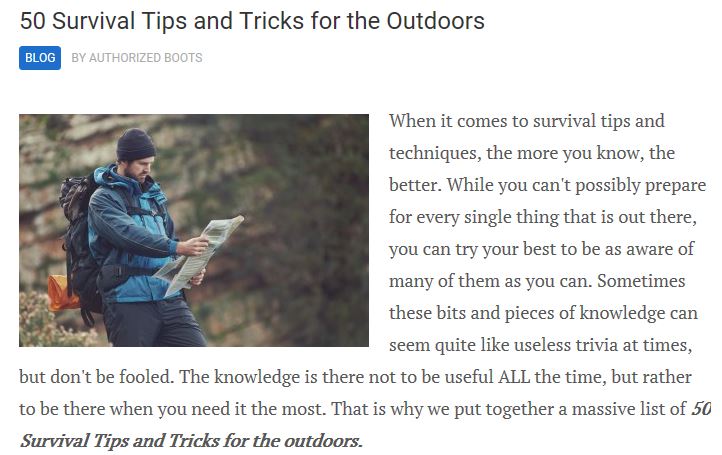
50Tips


23. December 2015 · Comments Off on FY 2015 BNF North Zone Trails Program Accomplishments · Categories: Around The Campfire, Current Events

trails-FY2015-01

trails-FY2015-02

trails-FY2015-03

2015 Trail Accomplishment end of season report

Wilson Corrals Reroute
District: Emmett – Trail No.135004
The Squaw Butte Backcountry Horsemen completed a half mile reroute on the Wilson Corrals trail to improve public safety and reduce resource damage. The first mile of trail goes through a very boggy meadow then continues up the creek bed for several hundred yards. The creek is habitat for Bull Trout. A suitable reroute for the creek section was surveyed by Boise National Forest North Zone Staff and was constructed by Squaw Butte Backcountry Horsemen. The meadow section is scheduled for repair in 2016.

2016 Grant Proposals (Boise National Forest)

2016 Maintenance Grant:
Funding Source: Off-Road Motor Vehicle Fund (ORMV)

Description: The intent of this project is to maintain a large amount (Rotation 2 approximately 250 miles) of the 682.4 miles of motorized trail located on the North Zone of the Boise National Forest in an attempt to mitigate resource damage, address public safety concerns, and enhancing current trail opportunities. This is the grant which has been successfully funded for many years in the past.

2016 Non-Motorized Trail Maintenance Grant:
Funding Source: RAC Southwest Idaho Resource Advisory Committee (RAC) or RTP

Description: The intent of this project is to maintain approximately 80 miles of the 230 miles of non-motorized trails located on the North Zone of the Boise National Forest in an attempt to mitigate resource damage, address public safety concerns, and enhancing current trail opportunities. It would fund a youth corps (American Conservation Experience) crew for two pay periods (four weeks) to work on the non-motorized trails that cannot be maintained through (ORMV Funding). Many of the non-motorized trails have seen little to no maintenance due to limited CMTL funding and grant constraints.

2016 Wewukiyi Trail completion grant:
Funding Source: IDPR Mountain Bike Fund

Description: The intent of this project is to complete the last section of the Wewukiyi mountain bike trail and rework previously constructed portions of trail. This trail project is located near Warm Lake on the Cascade Ranger District. This project has been worked on for many years. With limited funding available, due to grant match requirements and limited CMTL funding, this trail has been built in sections and has seen little use. Because of the limited use, the completed sections of trail are currently in disrepair or non-existent. The grant would fund a crew (possibly Lowman Ranger Districts: Crew Five) for one pay period to log out the entire trail corridor and the last section to be constructed. Additionally, the grant would fund the South West Idaho Mountain Bike Association’s (SWIMBA) Single Track Bulldozer for one pay period. Additionally it would fund the replacement of two North Zone chain saws with Stihl 391s. The North Zone would match with one pay period of crew time and SWIMBA volunteer time.

2016 Equipment Purchase:
Funding Source: Motorbike Recreation Account (MBR)?

Description: The intent of this project is to purchase two Honda CFR 230s. The current North Zone motorcycle fleet is ageing and requiring costly annual maintenance. A number of the bikes are over 12 years old and have seen hundreds of miles of trail. The purchase of new bikes would improve efficiency and safety by reducing the down time to continually repair broken or worn parts and reduce the possibility of a break down in a remote location.

26. November 2015 · Comments Off on Madison Seamans Cowboy Art · Categories: Around The Campfire, Current Events, Member Profiles

ms04ms01ms03ms02

04. November 2015 · Comments Off on Squaw Butte 2015 Hours & Miles Summary · Categories: Around The Campfire, Current Events

SB2015Hours
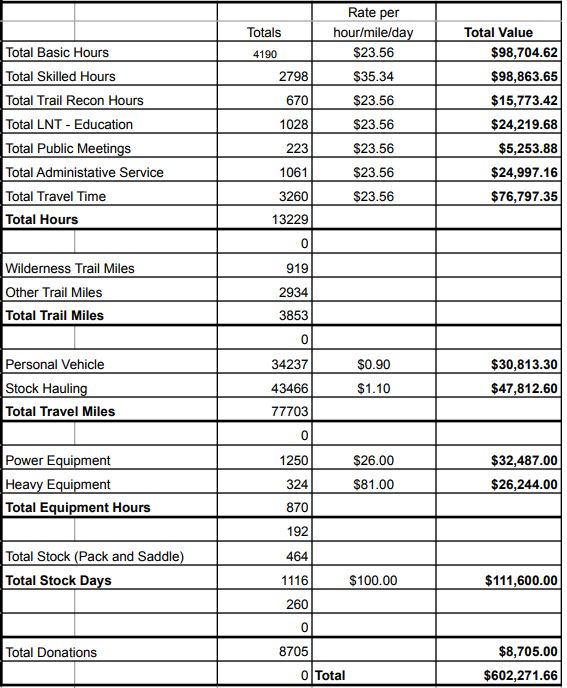
Our Chapter had another very good year!

28. October 2015 · Comments Off on Bot Eggs, Yellow-White Flecks on Hair or Skin · Categories: Around The Campfire, Current Events

botflyIn the fall, in the Northern Hemisphere, whitish-yellow flecks commonly appear on the chest, belly and upper front limbs of horses. These flecks are eggs laid by the Bot Fly, a bee-like insect whose life cycle requires the horse as a host. These eggs contain a substance irritating to the skin, and horses often bite at them.

When swallowed, the larvae attach to and live on the lining of a horse’s stomach. Vets often see these larvae when performing endoscopy on horses for stomach ulcers. They are orange to red grubs about 3cm in length.

Bot flies themselves are common and can be highly annoying, sometimes causing horses to stampede but they are not harmful otherwise. You will see them repeatedly depositing their eggs on the skin with their long ovipositor.

WHAT TO DO

Recognize that bots generally do not cause horses much harm and so it is not necessary to completely eliminate them. The eggs are difficult to remove but can be scraped off with a specially shaped bot egg knife or combed out to reduce the number a horse ingests. Soaking the affected hair in hot water may help to loosen the eggs.

In late fall, after a few hard freezes the adult bot fly is inactive. This is a good time to try to remove the eggs. Talk to your vet about the necessity to de-worm your horse in the winter with ivermectin or moxidectin to kill the larval stages in your horse’s stomach. Talk to your vet if you have any additional questions or concerns.

WHAT YOUR VET DOES

Your vet considers bot management as part of a good general parasite control program.

http://horsesidevetguide.com/drv/Observation/57/bot-eggs-yellow-white-flecks-on-hair-or-skin/

Remove Bot Fly Eggs

Bot flies lay sticky pale yellow eggs on horse’s hair, usually on the forearms belly and chest. Adult bot flies lay their eggs on horses in the fall in the northern hemisphere. The flies do this instinctively.

A basic part of the bot’s life cycle requires that the horse bite at and swallow the eggs. The eggs hatch into larvae that over-winter attached to the lining of the horse’s stomach.

Bots are not thought to be very harmful to horses unless they infest a horse in high numbers. However, bot eggs that pepper the hair coat is aesthetically undesirable.

In late fall and winter moxidectin and ivermectin dewormer treatments kill bot larvae in the stomach, an important means of control. However, it is preferable to remove bot eggs before they are ingested, to reduce the number of larvae in the stomach.

PROCEDURE
Bot eggs are notoriously difficult to remove. They are extremely sticky and adhere well to the hair.

I recommend removing bot eggs in two steps. First, use hot water and a sponge to loosen the eggs. Then use a bot knife to scrape them off. A bot knife has a rounded, serrated edge. When it is firmly run down the limb, it scrapes off the bot eggs.

23. October 2015 · Comments Off on 2015 Year in Review · Categories: Around The Campfire, Work Parties and Projects

2015-xx (12)

Squaw Butte 2015 Events and Projects

21. October 2015 · Comments Off on Idaho Conservation League Blog · Categories: Around The Campfire, Current Events

ICL
ICL—The Many Things We Do! The Idaho Conservation League is Idaho’s leading voice for conservation, protecting the air you breathe, the water you drink and the Idaho you love. Benjamin Earwicker photo. The Idaho Conservation League is Idaho’s leading voice for conservation. With offices in Boise, Ketchum and Sandpoint, we work hard and smart to protect the air you breathe, water you drink and wild places you and your family love.

We are a conservation community working to keep Idaho the kind of special place you experienced as a child—and to protect it for the next generation of children. Since 1973, ICL has connected people like you—people interested in conservation—to decision makers and to each other.

From the high desert of southern Idaho to the rainforest in northern Idaho and to the mountains and rivers of central and eastern Idaho—we’ve been working vigilantly for more than 40 years to protect what you love about Idaho.
See more at: http://www.idahoconservation.org

05. October 2015 · Comments Off on Horses! Slow Down! Stop! · Categories: Around The Campfire, Current Events, Work Parties and Projects

IMG_0431

Read about our Boiling Spring Weekend and view more pictures at!

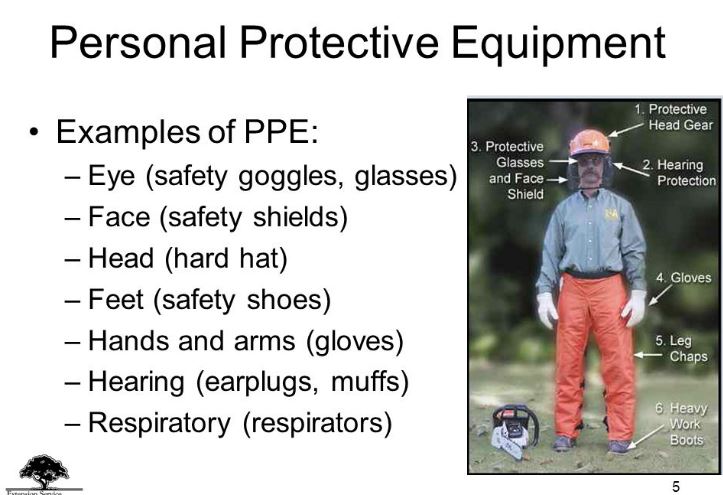
02. October 2015 · Comments Off on PPE – It is not just a fashion statement! · Categories: Around The Campfire, Work Parties and Projects

IMG_3452
IMG_0306DSCN6401
PPE01PPE02IMG_3472IMG_3485

Laurie starts cutting a wedge

Laurie starts cutting a wedge

DO NOT go into the woods without it!

02. October 2015 · Comments Off on Wilderness Volunteers Org · Categories: Around The Campfire, Current Events

wv01

17. September 2015 · Comments Off on George L. Shoup, 1st Idaho Governor · Categories: Around The Campfire

shoup Idaho Hidden History

16. September 2015 · Comments Off on Chain Saw Journal · Categories: Around The Campfire, Tips, Tricks and Tid Bits

ChainSawxxIf you’re using a chainsaw and you don’t wear chainsaw chaps every time you fire up your saw then I have to say that you’re a fool. Yes, you read that correctly. Far too many homeowners underestimate the risks of using a chainsaw and as a result, they put their life in danger. I’m not going to show you any pictures in this article, but believe me, the injuries that occur from chainsaw accidents are hideous.

Lucky for you there are many quality chainsaw chaps to choose from and I’m going to show you some excellent options that I hope you will consider for your own health and peace of mind.

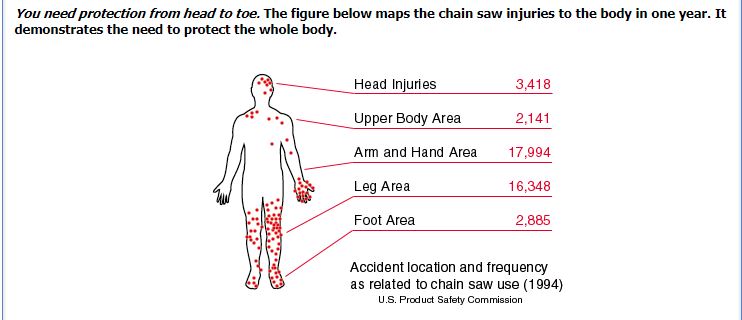
The CDC (Centers for Disease Control and Prevention) website states that “Each year, approximately 36,000 people are treated in hospital emergency departments for injuries from using chainsaws.” Please, be proactive and wear the proper safety gear. Here are additional pieces of chainsaw safety gear that will prove their weight in gold over time: Read More

10. September 2015 · Comments Off on 50 Back Country Survival Tips & Tricks · Categories: Around The Campfire, Tips, Tricks and Tid Bits

50tricks

07. September 2015 · Comments Off on Labor Day – Wilson Corral Trail · Categories: Around The Campfire, Work Parties and Projects

IMG_0291
By Rob Adams

Want to make a group of young girl’s day, pull into a trail head they are camping at with a couple of horse. That is exactly what happened to me on Sunday September 6, 2015. I wanted to get some trail time on my back up horse Tucker and I also wanted to finish up work I had started at Wilson Corral. Read More

27. August 2015 · Comments Off on Chain Saw Safety – Videos · Categories: Around The Campfire, Current Events

CSFUEL

Chainsaw Safety – National Interagency Fire Center

Danger! Chain Saw Safety – Training Video

Sharpen a Chainsaw Chain – Tool Tip #10 Making Sawdust? How to hand sharpen a chainsaw chain

26. July 2015 · Comments Off on Squaw Creek – TR 131 · Categories: Around The Campfire, Horse Camping

IMG_0190July 25, 2015 Rob Adams

Eight members of the Squaw Butte Chapter signed up for a trail project on TR-131 North (West Mountain Trail, or Squaw Creek as it is also known). New members Madison Seamans and his wife Annette had not been to West Mountain yet, and were a bit unsure of the driving directions. I needed to make this a day ride with other commitments on Sunday, so we planned to meet at the triangle at 08:00. Janine and Lou Ann also planned to go up Saturday morning, planned to meet up and go together. By 08:30 three trailers were cruising up the newly chip sealed Sweet Ola highway. All went well until we got to the hwy 618 turn off. Another truck and trailer had gotten between me and the group and was heading to Sage Hen. Janine and Lou Ann were talking and not navigating and followed him through the intersection. IMG_0183Janine quickly figured out they were on the wrong road, so they got their and Madison’s rigs turned around and we were off again. By 10:15 we were pulling up to the turn off to the trail head and Jon Seel flagged us down. He said the parking lot was pretty full up there. Janine and Lou Ann planned to camp so turned off into the camp ground and hooked up the Linda and Devon. Jon got his stock together and rode to the trail head, while Madison and I drove to the trail head and found a spot for our trailers. IMG_0181By 11:00 we were saddled and Jon had joined us, but no sign of the others. I expected quite a bit of work to do, so the four of us with the equipment started down the trail. It was not long before we hit the first of eighteen logs we removed from the trail. They ranged in size from six inches in diameter to one that was over twenty-eight inches. We were working on our sixth set of down fall when we heard Janine and Lou Ann talking as the rode up the trail. Devon said they could hear the saw running so knew we were not far ahead, and just took their time catching up. They caught up just in time as that is where we starting running into the bigger stuff. For the next three hours we kept three saws working steadily as the nipper crew cleared brush. The huckleberries are starting to ripen and there were a good number along the trail. Linda picked some so I expect they made it into Sunday breakfast.IMG_0184At 13:00 we stopped for lunch at one of the big granite out cropping and give the stock and ourselves a bit of a rest. We than continued up the trail until 15:30. We were where the trail crosses the creek from north to south where we give the stock a much deserved drink. We also stopped at Lou Ann’s waterfall, for a group picture, which has become a tradition when riding this trail. The trip back to the trail head was quicker than the ride up had been. The lead horse changed a number of times on the way down, often precipitated by a wrong turn, or a horse unsure about the section of trail to be crossed. By 18:00 the group was back at the camp ground, horses feed or in trailers for the trip back. Most of the group stayed for the night and planned to ride Poison Creek on Sunday. It was a successful project, that was enjoyed by all!

More Pictures
SCT131

24. July 2015 · Comments Off on Trail Organizations · Categories: Around The Campfire, Current Events

AT

July e-Newsletter


WTN

World Trails Network (WTN) http://worldtrailsnetwork.org/

The World Trails Network strives to connect the diverse trails of the world to promote the creation, enhancement, and protection of outstanding trail experiences. The World Trails Network brings trail associations, trail advocates, walkers, hikers and people passionate about the outdoors together from around the world to foster global collaboration and networking for the betterment of the world’s trails.

Vision and Philosophy

The World Trails Network envisions a globally active network of diverse, high quality, environmentally sustainable trails that work in their own regions to further the interests of the trails industry for the benefit of all.

The World Trails Network fosters global collaboration and networking among all trail types that serve to connect people with nature, the outdoors and cultural heritage around the world. The Network encourages: care for the environment; sustainable development practices; sharing best management practices and trail research; a commitment to quality experiences; connections with communities; accuracy of information; promotion of cross-marketing opportunities; and through sharing the common values of world trails, promoting active lifestyles in the outdoors and nature.
WTNM

19. July 2015 · Comments Off on BCHA News – July 2015 · Categories: Around The Campfire, Current Events

BCHA

Forest Trails Bill

We need your help. Now is a critical time for our “Forest Trails” bill. A hearing has been scheduled this week on the bill before the Senate Committee on Agriculture, Nutrition & Forestry.

The hearing is scheduled for 10:00 EST on Thursday, July 16, in Washington DC.

Please contact your senators today. You can call the Capitol Switchboard at 202.225.3121 and ask to be connected to the office of one of your senators. Or you can locate contact information for your senators here.

Once connected, ask to speak to a staff person who handles public land issues for the senator. Then describe your support for Senate Bill 1110, the National Forest System Trails Stewardship Act. Consider using some or all of the talking points, below.
1. I am a resident of (state) and a member of Back Country Horsemen of America;
2. I support Senate Bill 1110, the National Forest System Trails Stewardship Act;
3. The bill is important to trail riders and all trail users in the state;
4. The bill will improve trail maintenance without adding to the federal deficit;
5. The bill is bi-partisan and supported by a wide range of public land trail users; and
6. I would like the Senator to please co-sponsor Senate Bill 1110.

Background
You’ll recall from previous alerts that BCHA, along with partners American Horse Council and The Wilderness Society, are working diligently to persuade Congress to move forward on the National Forest System Trails Stewardship Act. In the House of Representatives the bill’s number is H.R. 845. Your earlier calls and letters have been effective, as the bill now has 52 co-sponsors in the House!

The Forest Trails bill was introduced in the Senate in late April. It was forwarded to the Committee on Agriculture, Nutrition & Forestry, whose membership is listed here.

It’s critical you call your senators prior to Thursday.

More information regarding the bill can be found on BCHA’s website, for your reference. Thank you for taking action to support forest trails!

—————————————————————————————–
Get to Know BCHA’s New Chairman

Click here to view a short article about BCHA’s new Chairman, Don Saner, who was voted in during BCHA’s National Board Meeting in late April. The article appeared last week in the Jackson Hole, Wyoming, News & Guide. We’re proud of the story this article conveys about BCHA, the chapter that Don founded, and the passion for volunteer service shared by Don and Karen!

Out-going BCHA Chairman, Jim McGarvey, was term-limited. But he happily signed up to serve as BCHA’s Executive Director–on a volunteer basis, no less–for up to two years. Jim and his wife, Cindy Mitchell, have accomplished much in terms of elevating the profile and professionalism of BCHA. We’re thrilled that this dynamite duo will remain heavily engaged in BCHA’s day-to-day affairs (Cindy maintains BCHA’s Facebook site, among things).
—————————————————————————————–
View Public Land Fact Sheets on BCHA’s Website

Take a look at BCHA’s website for new fact sheets on congressional actions that could affect your use and enjoyment of federal public lands. We recently added fact sheets regarding the need to promote:
• The Wildfire Disaster Funding Act,
• Reauthorization of the Land and Water Conservation Fund,
• Keeping public lands in public hands by opposing attempts for large-scale sales or transfers of federal public lands to the states.
Lastly, we added to our website an informative slideshow presented during BCHA’s National Board Meeting (April 2015) by Dr. Rob Atwill, University of California-Davis, titled “Science and Research on Packstock and Waterborne Pathogens: Misconceptions, Realities and the Way Forward.” Check it out.

Dr. Atwill’s presentation contains some eye-popping statistics that help us push back against the (largely baseless) accusations that horses and packstock serve as vectors for the introduction of waterborne pathogens.

Thank you! Please call your senators today in support of S.1110.

Randy Rasmussen, Advisor for Public Lands & Recreation
Back Country Horsemen of America

Back Country Horsemen of America | | peg@bcha.org |
P.O. Box 1367
Graham, WA 98338

17. July 2015 · Comments Off on Gravel Proof Hoofs · Categories: Around The Campfire

gphPosted by Lou Ann  –  July 2015

My farrier/equine podiatrist, Melissa Smith, pointed me to this article: http://www.gravelproofhoof.org/. She mentioned a woman in Emmett who had 3 minis that foundered (out of her 4). After a bunch of research and Melissa talking to the vet listed below, they are making a connection between diet/nutrients and hoof health (and health in general), specifically magnesium chloride. Magnesium chloride, among other things, seems to be one of the important links to healthy hooves. Read the article and if you have questions or questionable horse hoof issues, contact either Melissa or Madison and they may be able to help you. I know Melissa continually studies so she’s on top of the latest and greatest in the equine podiatry scene. If you have pasture, you can have your soil tested at Western Laboratories (Ellen and Charles have had this done) to see what may be missing in your soil.

Seamans, Madison MS DVM
Veterinarian
Cornerstone Equine Medical Services
Specialty: In Depth Podiatry
madisonseamans@gmail.com
208-365-4085
Kuna, ID

Smith, Melissa NT
Certified Equine Podiatrist,
Pathology Rehabilitation,
Instructor
barefoottrim@msn.com
208-880-1667
Wilder, ID

Soil testing (Parma): $50
http://www.westernlaboratories.com/
gph2

09. July 2015 · Comments Off on The Chronicles of King at his new home · Categories: Around The Campfire, Member Profiles

k2k1

By Marybeth Conger and King

After seeing Laurie’s email, I had a feeling King would be a great addition to the Conger herd plus help me to heal from the loss of our Fred horse.

So, while I was celebrating my Mom’s 90 birthday in New Hampshire, Bill brought King home. He immediately put his hoof down with our mules (good thing) as they quickly got and respected that he was now number 2 in our herd, after Bill’s Scout horse.

Bill packed King twice while I was gone. King only broke the pigging string once, and quickly learned the distance and the pressure of the pigging string. Actually, Bill was impressed with King and the job he did in our string as a pack animal. One time, Bill packed King with my saddle, breast collar etc. on, so King could get use to the sound, feel and smell of my stuff.

I have ridden King twice now. The first time, was just a short loop around our neighborhood and along the canal. On this maiden ride, I followed behind Bill and Scout, so I could get to know King a bit. The second time, we went in the lead which really helped him to focus on moving forward and build confidence. I learned that day, that King is willing and tries hard to do what is asked of him. After this ride, it was horse bath time with the hose and yep, there is more work to be done with horse bath time at the Conger’s.

Today Ron, our horse shoer was out. At one point King was all alone tied to our hitching with no problems. The plan is some ring work with King where I will focus on neck reining and leg aides, but I will always keep riding him in the hills. Several things I am impressed with, King knows whoa and is very sure footed. Plus, at my age, I find it so refreshing to get up on a shorter animal.

I am so happy to have King as an additional member of our four legged herd. More chronicles to follow, and even some from King. Stay tuned.