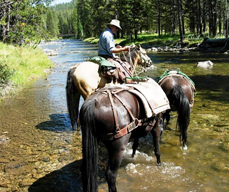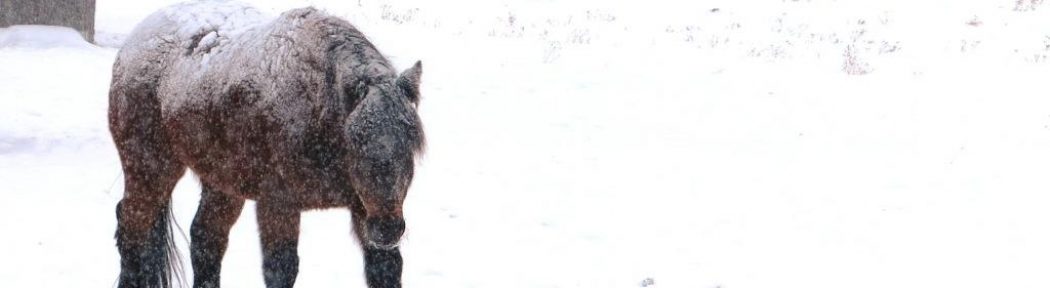
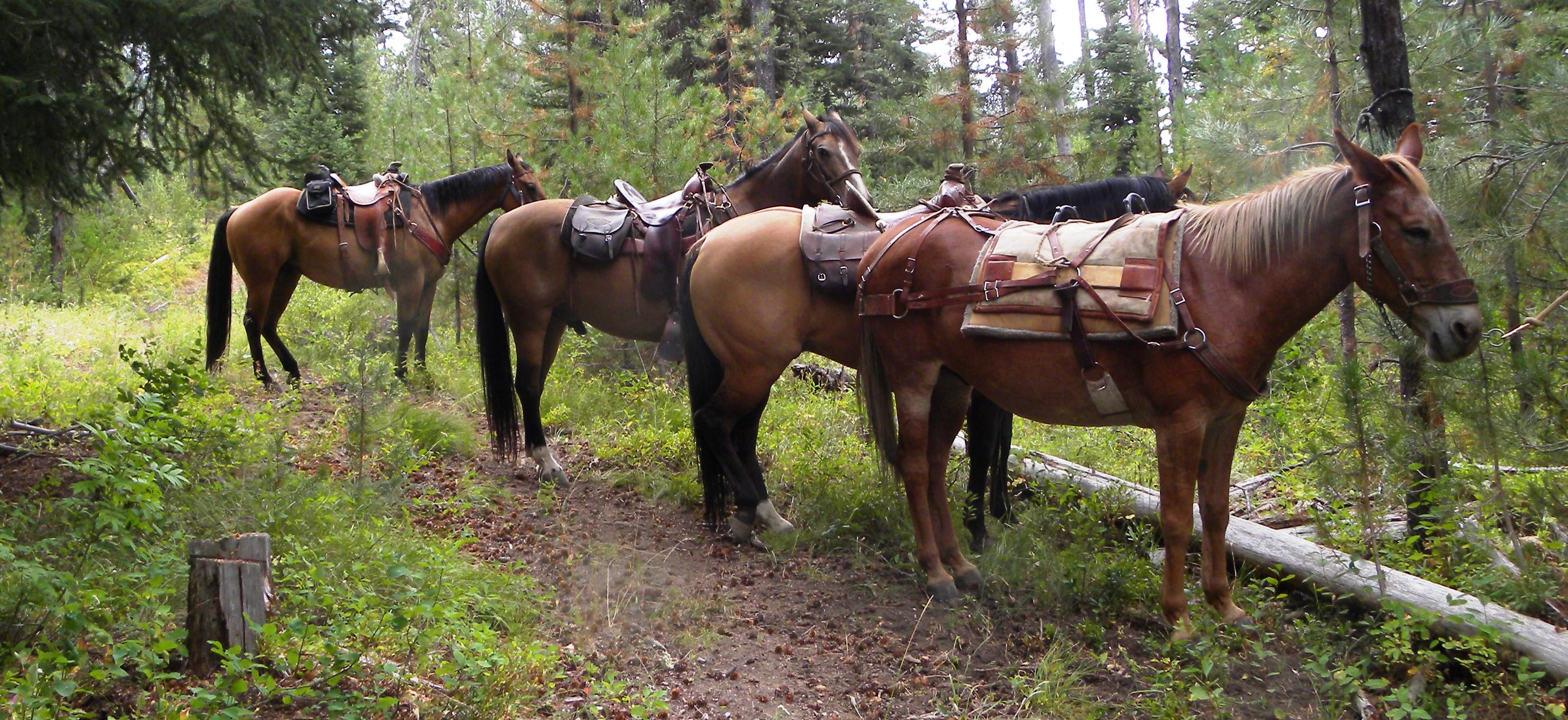
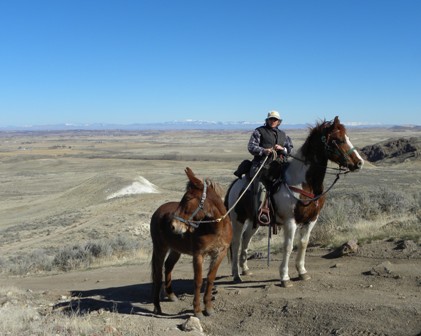
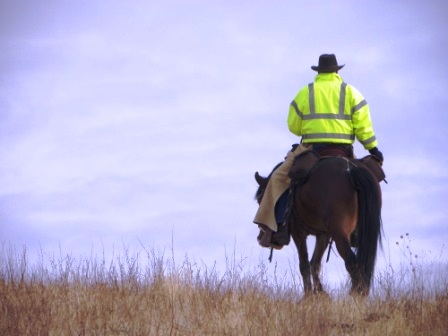
Trail riding does not offer the luxury of a confined arena within a controlled environment. A trial horse is expected to perform under extreme weather conditions from the searing sun to rain, snow and wind to thunder and lightning. What the wind wont throw at you your horse to scare them to death, a thunderstorm will.
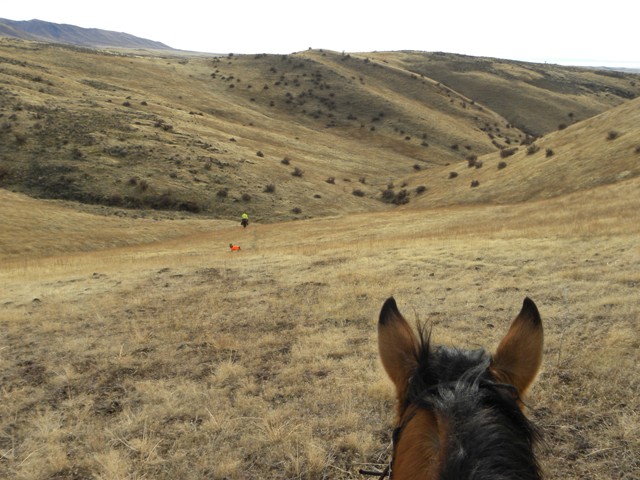
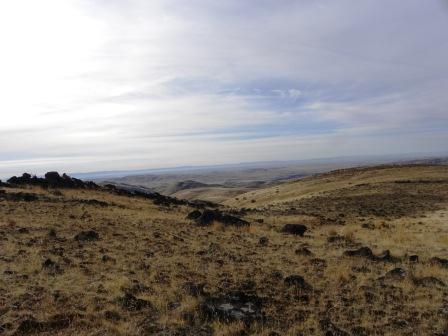
A trail horse is required to safely navigate miles of unforgiving terrain. Trail horses are asked to tread on sharp rock covered trails not much wider than a single hoof. There might be an insurmountable mountain on one side and a 60 foot vertical drop to a raging river on the other. The only thing keeping horse and rider from plummeting over the edge is a lot of trust and a little prayer.
At any given moment, a trail horse might encounter Elk crashing out of a tree-line, bushes coming alive with an explosive flight of birds, uncontained barking dogs and pissed off rattle snakes. What they cant see can be equally as terrifying for them. A trail horse must be able to handle the scent of bears, cougars and other predators while filtering out a host of unknown and equally spooky sounds lurking in the forest.
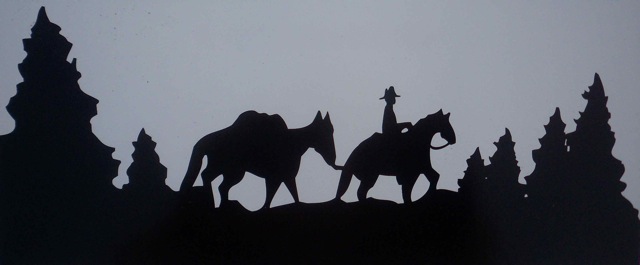
A trail horse never knows what might be coming at them or behind them from one turn to the next. Potential horse eating hikers with colorful backpacks piled high on their shoulders bikers with reflective spokes flashing with every spin of the tire. Roaring ATV engines and racing dirt bikes. My personal favorite: llamas. You have not truly experienced the fear threshold of a horse unless you have happened upon a pack string of Llamas coming at you. I dont blame my horse because frankly, llamas scare me too.
The trail horse doesnt get to run down to the end of an arena, do a few impressive spins and go home for the day. A trail horse hits the trail from sunup to sundown and is expected to carry a rider and/or gear ranging from medical supplies and food to chain saws – all the while being asked to navigate obstacles from river crossings to bogs, logs and bridges.
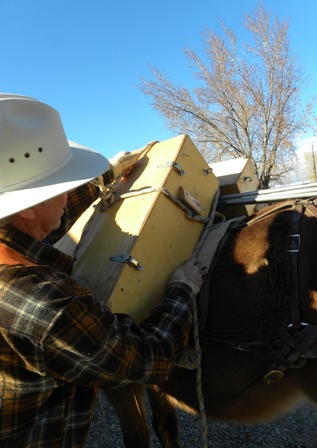
The working trail horse has been asked to drag logs and pack cumbersome loads up and down steep, slippery terrain. Hes willing to be tied, hobbled or high-lined in the most precarious of situations. At the end of a long day of service, she will be content to drink from any available water source and graze upon sometimes scarce mountain grass.
Check out the entire post on my blog: The Sage writer
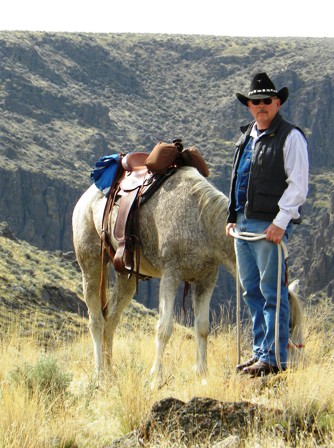 Back at the trailers, Janine discovered a broken taillight on her trailer. Chick, aka Mr. Boy Scout carry everything but the kitchen sink in his front pockets, just happened to have a spare tail light that fit. He assured us he carried the spare part in his tack room- not in his front pocket.
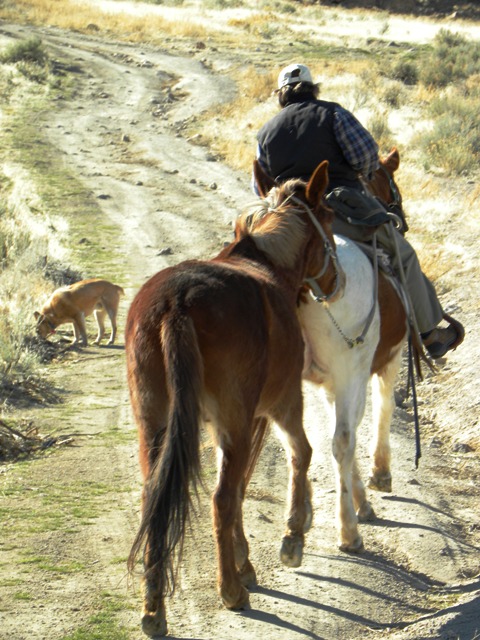 The Celebration Park fun ride was cancelled over the weekend due to pending storms and high winds. Janine, being retired from the US Postal service, was not about to let a little rain, nor sleet, nor gloom of ominous winds stop her.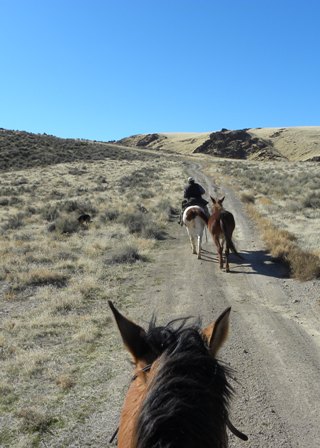



 BCHA loses one of its founding fathers with the passing of Charles Dulane Fulton, Jan 15, 2012, two days short of his 97th birthday. Dulane was one

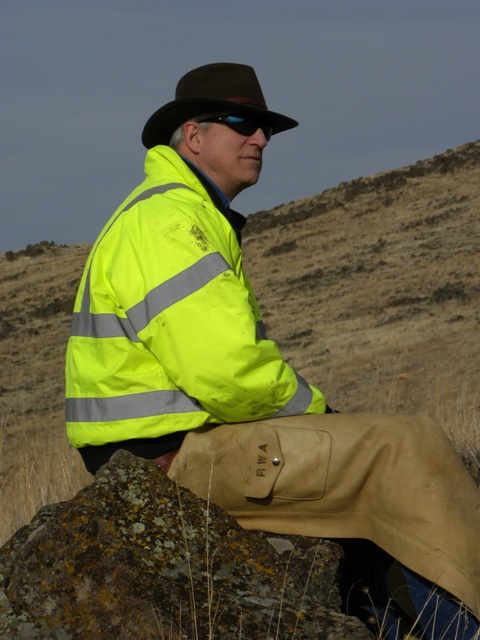 Rob and Linda Adams have been active members of the SBBCHI chapter since January of 2000. Rob was first introduced to the Back Country Horsemen during a horse show at the Nampa Center. “I talked to Dale Forester and liked the mission of the organization. This horse show was in the fall, as I went to a couple of meetings before I joined.” Mentions Rob.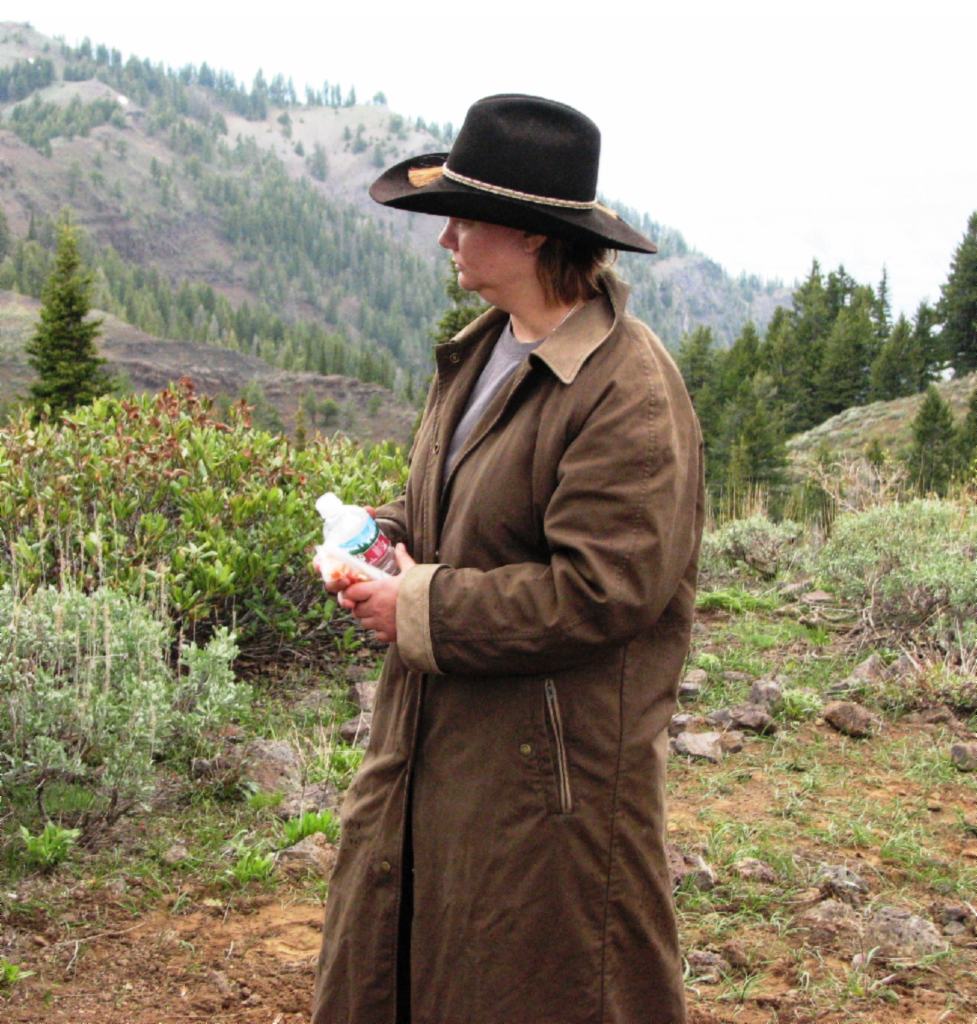
 The Life and Times of a Chapter President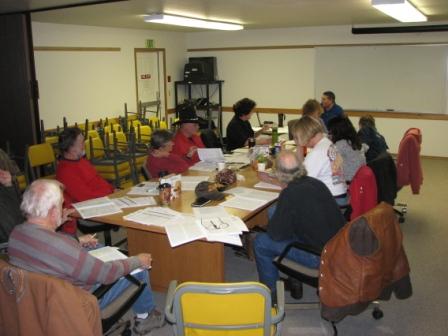
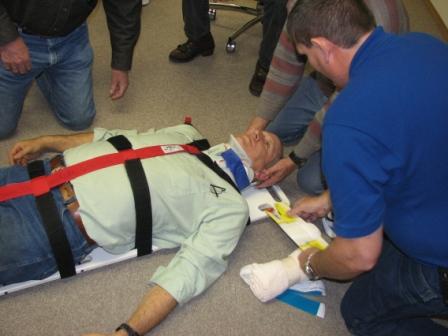 Types and severity of injury
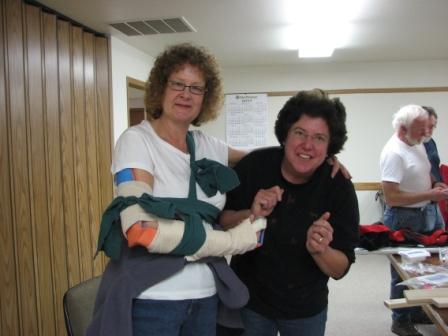 Riding in the Back Country
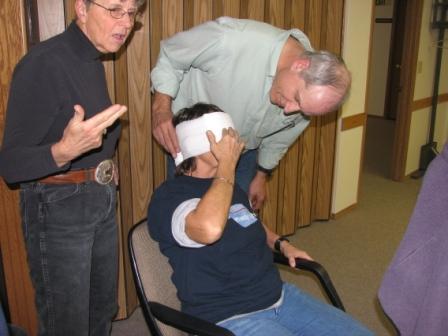 The course combined class room lectures and hands on training, with a heavy emphasis on what to do in typical situations that back country riders are likely to encounter in Idaho.