Watch VIDEO
On a quiet foothills trail, the hum of an electric bike is becoming a more common sound.
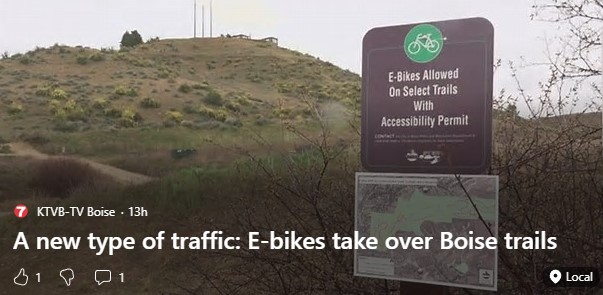
E-bikes are growing in popularity nationwide and are increasingly showing up across the Ridge to Rivers trail system in Boise. But Trail Manager David Gordon says many riders are using them in places where they are not allowed.
“E-bikes are an up-and-coming use across the country, really across the world, and on our trail system,” Gordon said.
Despite signage posted throughout the system, Gordon said riders continue to bring e-bikes onto nonmotorized trails.
“Even though we’ve got our trails signed everywhere, we’re finding people riding e-bikes all over the place,” Gordon said.
“They’re really still only allowed on our two motorized trails, because federally, they’re still classified as a motorized vehicle,” Gordon said.
Gordon said the technology allows riders to travel farther and access areas that may otherwise be difficult to reach, which can lead to unintended impacts.
“There is a possibility that that leads to more effects on wildlife,” Gordon said.
He said a growing concern goes beyond traditional e-bikes to include electric motorcycles, which are heavier and capable of higher speeds.
“They’re heavier, they go a lot faster,” Gordon said.
He said many of the riders using electric motorcycles are younger, including junior high and high school students. Some of the bikes can reach speeds of up to 30 miles per hour, creating safety risks on narrow, multi-use trails.
“There’s lots of people out there — little kids, dogs, older people — anyone that can be out there not expecting something coming around like a little motorcycle at a high rate of speed,” Gordon said.
In addition to safety concerns, officials say the vehicles can cause damage when riders leave designated trails.
“Thirty miles an hour is not uncommon, and they’re heavier, and those are really a safety concern, as well as the fact that they can easily travel off trail,” Gordon said.
As the busy trail season approaches, Ridge to Rivers officials say enforcement and signage will continue, but they emphasize that protecting the system ultimately depends on users.
“It takes the community to manage our trail system,” Gordon said.