This story is co-published with Public Domain.
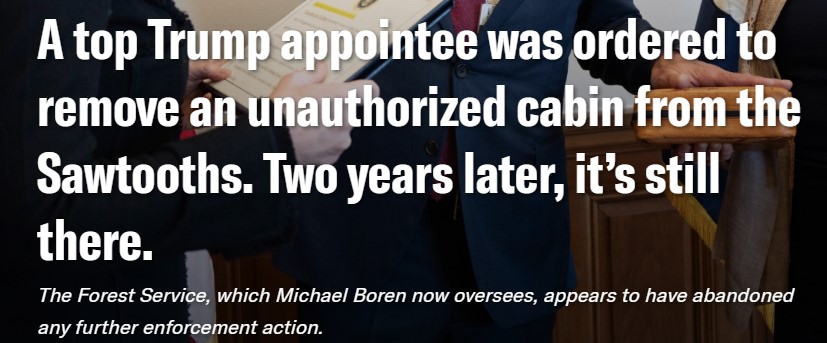
In November 2024, the U.S. Forest Service sent a cease-and-desist letter to Galena Mines LLC after discovering an unauthorized cabin had been built that fall in a remote area of the Sawtooth National Forest in Idaho.
At the time, tech megamillionaire Michael Boren was listed as the sole manager of Galena Mines LLC, a Boise-based company that was formed in 2020 and owns historic mining claims in the Sawtooths. It’s unclear who was responsible for the cabin’s construction, but one of Galena’s mining claims was nearby. After determining that the cabin was constructed nearly a mile north of where the company’s claims are located, the Forest Service ordered Galena Mines and Boren to not only remove the cabin by July 1, 2025, but also to submit a restoration plan within 45 days and follow through with it no later than Aug. 1, 2025.
“Because there is no authorization for the surface disturbance and construction of the cabin that has occurred on [ Forest Service] land, the cabin must be removed and the area restored to its natural condition,” Kirk Flannigan, the area ranger for the Sawtooth National Recreation Area, wrote in the letter. He warned that “failure to comply with this notice may result in referral of this matter to the United States Attorney for the District of Idaho for appropriate legal action or removal and impoundment of the improvements at your expense.”
Nearly two years later, the cabin still stands inside the Sawtooth National Recreation Area, a protected swath of the larger Sawtooth National Forest. Now the undersecretary of agriculture for natural resources and environment at the U.S. Department of Agriculture, Boren oversees the Forest Service and the approximately 193 million acres of public land it manages, including those in the Sawtooths.
Aaron Murphy, co-founder of the advocacy group American Hunters and Anglers, recently traveled to central Idaho and located the cabin — a seemingly unfinished log structure in a clearing along a Forest Service road in the Boulder Mountains. His organization posted footage of it to its social media accounts.
In an interview with Public Domain and High Country News, Murphy condemned the fact that the cabin has not been removed, despite clear orders from the Forest Service.
Records and internal communications that government watchdog group Campaign for Accountability obtained through a public records request and shared with Public Domain and High Country News show competing views about where Galena Mines’ relevant patented mining claims are located. In 2003, a previous owner of the claims hired a surveyor named Kim Leavitt to survey the patents, which include full ownership of both surface and mineral rights. Leavitt ultimately concluded that the claims were located along Germania Creek, approximately one mile north of where Bureau of Land Management maps showed them to be. The following year, however, Forest Service and BLM staff conducted their own survey and determined Leavitt’s findings were incorrect. READ MORE
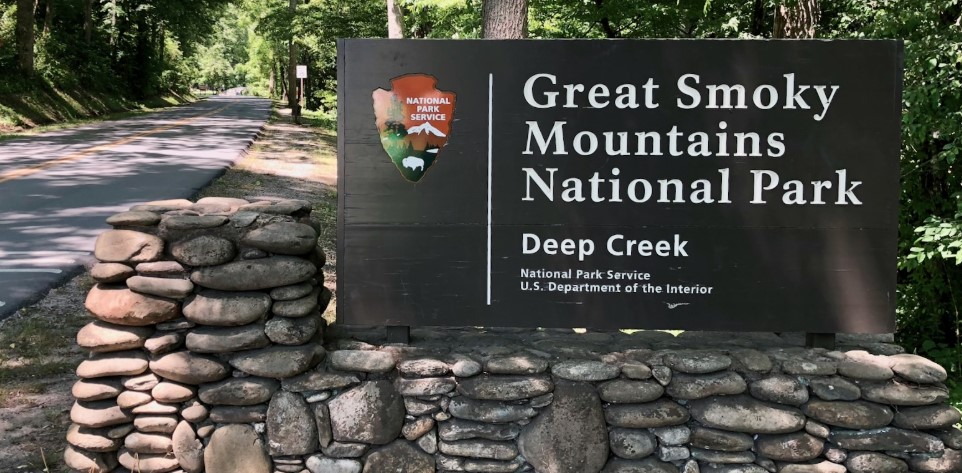
Opening an existing trail within a national park to mountain bikes is a complicated process, and perhaps as a result, there are very few parks with bike trails. Under rules the National Park Service adopted in 2012, a park needs a bike-specific planning document, an environmental assessment or impact statement, a written determination, a public comment period, and sign-off from a regional director, even if the trail is already built. Now the NPS wants to drop most of those steps, and the public has until November 2 to weigh in.
The proposed rule, published in the Federal Register on September 1, would have parks evaluate bike access the same way they evaluate other recreational uses. IMBA calls it “the biggest change to its bicycle rules since the current rule was adopted in 2012” and says it supports the proposal, with two important tweaks.
What’s being proposed
The NPS says the current bike rules “unnecessarily restrict recreation and access” and force parks to spend time and money on reviews that federal environmental law doesn’t require. In one example from the proposal, a park would need to prepare a planning document before allowing bikes on “a 20-foot paved path connecting a parking lot with a visitor center.”
Under the proposed rule, bikes and e-bikes would be allowed on park roads and in parking areas open to public vehicle traffic. That’s already true for traditional bikes, but it would be new for e-bikes, which currently need a superintendent’s designation. Some parks, like Zion National Park in Utah, already allow e-bikes on roads within the park.
Beyond roads, superintendents could open trails, administrative roads, and other locations to bikes and e-bikes after notifying the public, without the bike-specific planning document, written determination, or mandatory environmental assessment.
There are limits, though. A formal public review in the Federal Register would still be required if a designation is “highly controversial or otherwise significant,” or if the location has “never been improved by artificial or processed materials” like gravel, asphalt, or wood boards, which would apply to most natural-surface trails. Trails built on old rail lines wouldn’t need one, and bikes and e-bikes would remain banned in designated Wilderness.
In a press release, an agency representative said, “this proposal would create a simpler, more consistent approach to bicycle and e-bike access across the national park system.”
IMBA weighs in on the proposed rule change
IMBA, which worked with the NPS on the 2012 rule, calls the new proposal “a common-sense update.” The group points out that “a short segment of trail managed by the National Park Service can be critically important to a larger trail system,” but that the current process for making those connections has been “slow and costly.”
IMBA also stresses that “no trails would open automatically.” Each decision would still be made park by park, and would depend on park staff having the capacity to plan and manage it.
However, the group is recommending two changes to the proposal. First, IMBA says opening a trail to traditional bikes shouldn’t automatically open it to e-bikes; superintendents should manage e-bikes by class, and shared recreational trails should be limited to Class 1 e-bikes. Second, IMBA wants the rule to more clearly show how sustainable design will continue to be addressed, since the proposal drops the existing requirement that new trails follow NPS sustainable design principles.
IMBA says it isn’t trying to turn national parks into riding destinations. “IMBA does not envision National Park Service units as destination mountain biking locales,” the group wrote, adding that even with the rule change, many park trails will remain managed primarily for hiking.
Currently, it’s rare to find mountain bike trails in national parks, though a few do. Mammoth Cave National Park in Kentucky has the 9.1-mile Big Hollow singletrack, and Cuyahoga Valley National Park in Ohio has four mountain bike trails in its East Rim system. In 2020, trails were proposed in a portion of Great Smoky Mountains National Park along the Foothills Parkway corridor.
How to comment
Comments must be received by 11:59 pm ET on Monday, November 2, 2026, and you can use this online form. Keep in mind that comments may be posted publicly as submitted, including any of your personal information.
IMBA also offers a comment form on its website. The group says “generic opposition is often discounted” and that duplicate comments “will not count individually,” so specific, personal comments carry the most weight. IMBA suggests mentioning whether you also hike, camp, or visit parks for their history, and naming parks where bike access could improve your experience. According to IMBA, a revised rule and Draft Environmental Impact Statement are expected to follow, with a second opportunity for public comment.

By the time the three hikers called for help from a rocky face on Mount Shasta in Northern California, they’d made a series of bad decisions. They didn’t bring enough food, and they’d overestimated their fitness. Instead of turning back in late afternoon when they hadn’t yet reached the top, they summited at 7:30 p.m. and had to descend in the dark. Their lack of preparation and poor planning, as they admitted later, came partly from relying on Google’s artificial intelligence chatbot Gemini. By morning, they were lost on a gnarly part of the mountain, and one hiker had banged up his knee.
“We get plenty of people who come unprepared or don’t do any research at all. To these guys’ credit, they did try,” said Nick Meyers, U.S. Forest Service program manager of the Mount Shasta Wilderness Climbing and Avalanche Center, which responded to the call. “But I think they kind of turned their brains off.”
The three 20-year-olds aren’t the only ones making missteps in wild spaces with the help of artificial intelligence. Another Mount Shasta visitor pitched her tent near a “No Camping” sign, insisting she had a right to do so because AI told her she could, Meyers said. His team also encountered a man wandering around at a trailhead with an AI-generated map that showed prominent features on the wrong side of a nearby mountain. In British Columbia, a helicopter crew rescued a 16-year-old hiker from a ledge in the Widowmaker Arete on the back of Crown Mountain. The teen had used Anthropic’s chatbot Claude to help him plan his trip. News stories focused on that fact went viral across Canada and the U.S., though the hiker said later that he also consulted Google Maps and the popular hiking app, AllTrails.
Grand Teton National Park in Wyoming has also seen a marked uptick over the past year in the percentage of visitors who report using AI for travel information, said Park Superintendent Chip Jenkins. “It went from zero to 26%. And I’m guessing that curve is not going to flatten.” It remains to be seen whether increasing AI use will lead to an increase in backcountry accidents and search and rescues, Meyers said. His office, which oversees a massive wilderness area in Northern California, averages a dozen rescues each year, and 2026 is shaping up to be an average year. Calls to search and rescue in Wyoming have actually gone down compared to 2025, with only 312 calls so far in 2026 compared to a total of 466 in 2025 and 377 in 2024. READ MORE
“If you’re going to go into places that will kill you,” Meyers said, “you should take your planning seriously.”

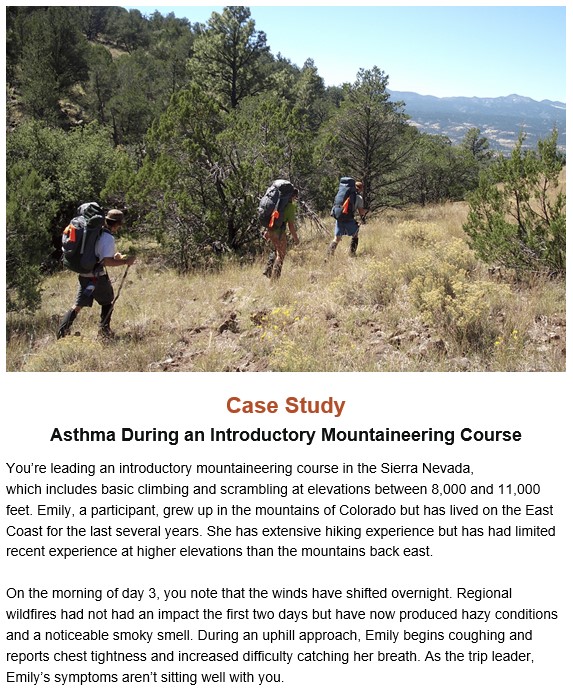
READ CASE STUDY – NOLS – Scenario – Asthma



USFS Reorganization Hold (PDF)
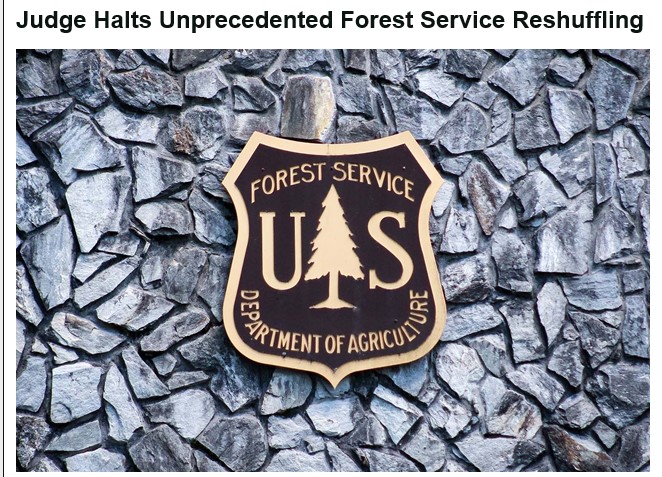
The federal judge is requiring the U.S. Department of Agriculture Secretary Brooke Rollins to notify all employees of the order within two days, and also post it to the Forest Service’s reorganization website. Within seven business days, the Trump administration must file a declaration verifying that they have complied with the order that outlines the steps they’re taking. Tom Schultz on the Reorganization
 October 25, 2026
BILLINGS, Mont. (AP) — Agriculture Secretary Brooke Rollins said Thursday that the Trump administration remains “full-bore ahead” with a sweeping reorganization of the Forest Service and other agencies after a judge blocked the changes last week.
The administration wants to move Forest Service headquarters from Washington to Salt Lake City, shutter 23 research stations, and close many regional offices and replace them with state offices. It’s part of a broader realignment at the Agriculture Department that also would change programs for food and nutrition, rural development and other services.
For now the plan is stalled under court order. But that’s already under appeal, and Rollins made clear Thursday that the administration hasn’t given up.
“We are full-bore ahead in the reorganization,” Rollins said during a conference call with reporters following an announcement on fertilizer production. “We believe in it more today than we ever have — taking the USDA to our constituents, which is rural America, the Forest Service out West.”
What are the priorities shaping cybersecurity across state and local government today? Find out in our new ebook, sponsored by WIZ.
Administration officials say the reorganization will trim costs and further concentrate resources in Western states that are home to nearly 90% of national forest lands.
Federal employee unions, environmental groups and local officials, including in California, Maryland and Washington state, are trying to quash the plan. They say the shuffling of employees is a ploy to achieve the administration’s goal of deep cuts in the workforce.
U.S. District Judge Vince Chhabria in California sided with those arguments in an Oct. 13 order halting the reorganization while a lawsuit from opponents works its way through the courts. READ MORE

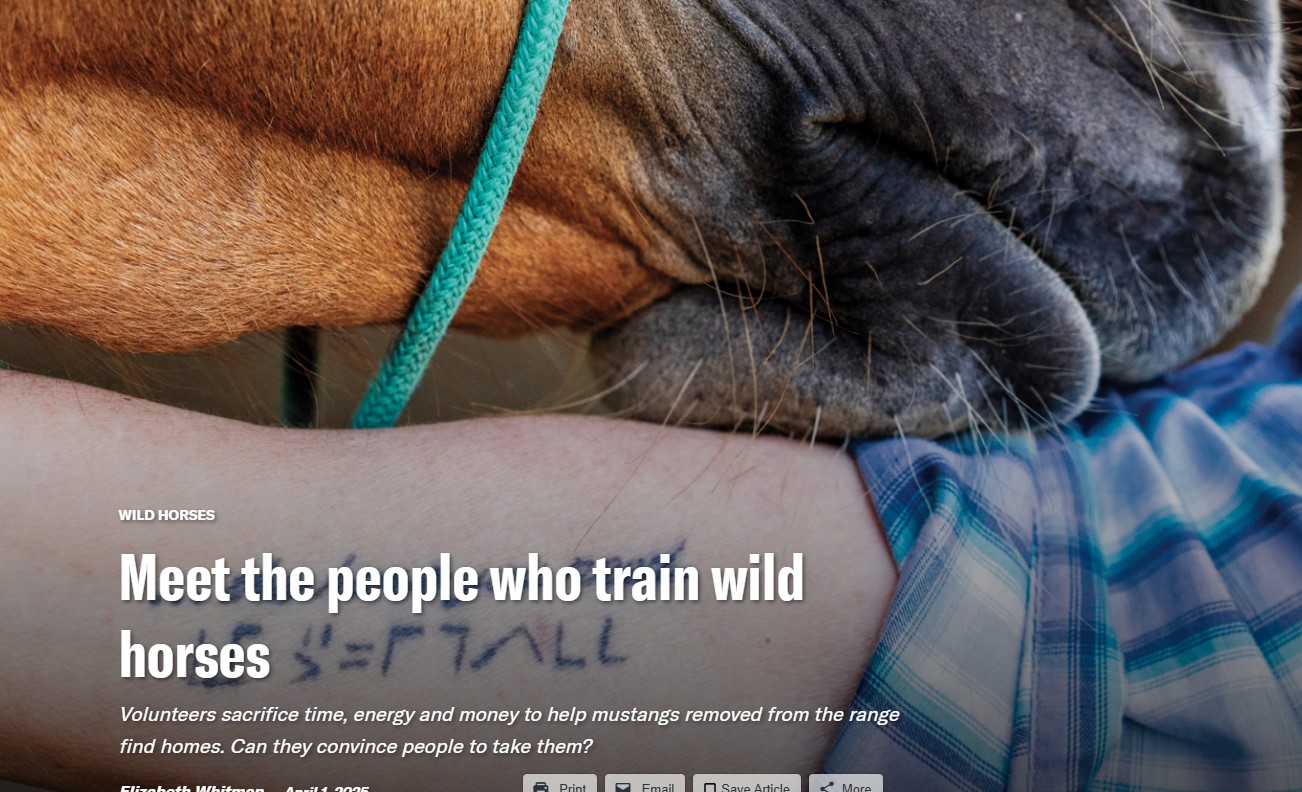
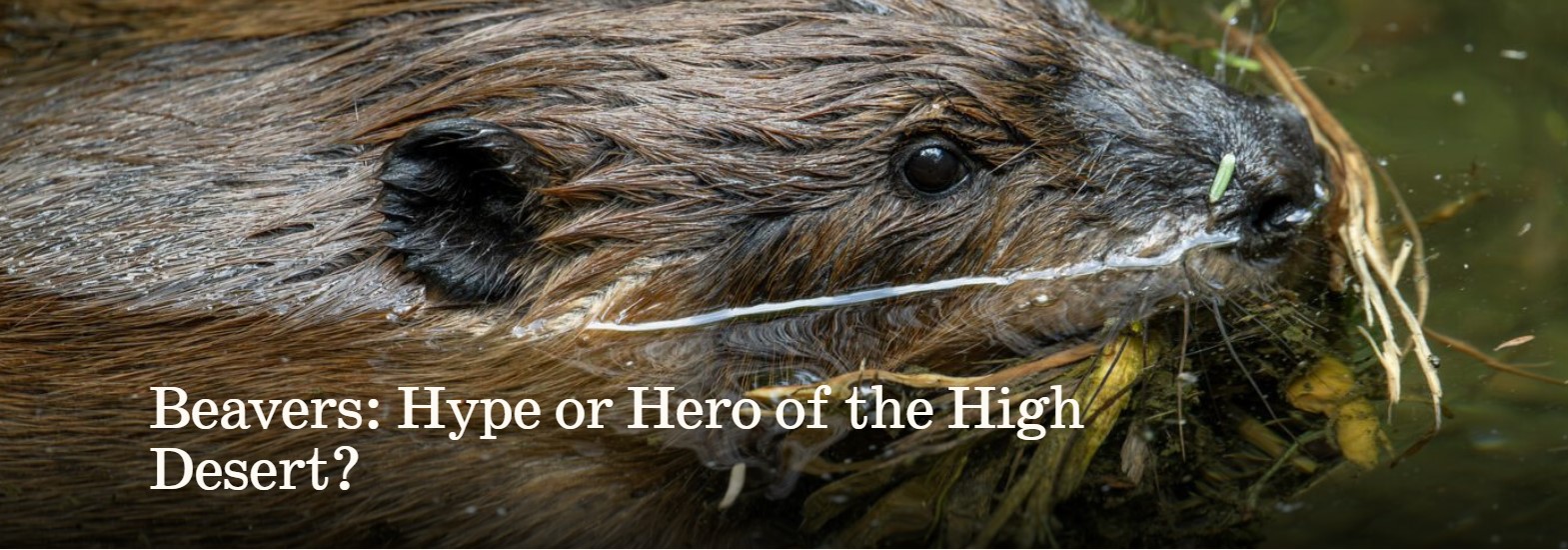

All of us non-profits need to help support each other. LINK TO FUNDRAISER
The Pet Adoption League of Gem County (PAL) major fundraiser for 2026 is a drawing for 2 e-bikes. Tickets are $20. Tickets can be purchased on-line. I can also provide tickets for sale.
Please see the attached flyer. PAL services all of Gem County. PAL also helps Boise and Payette Counties who have no or very limited services. PAL survives 99% on donations. PAL receives a very tiny bit of grant money from the Idaho Pet License Plates. This fund raiser helps keep the shelter open, help the shelter reunite pets with the owners and helps the shelter find loving homes for dogs and cats that have no home.
Thank you very much.
Regards – Ellen


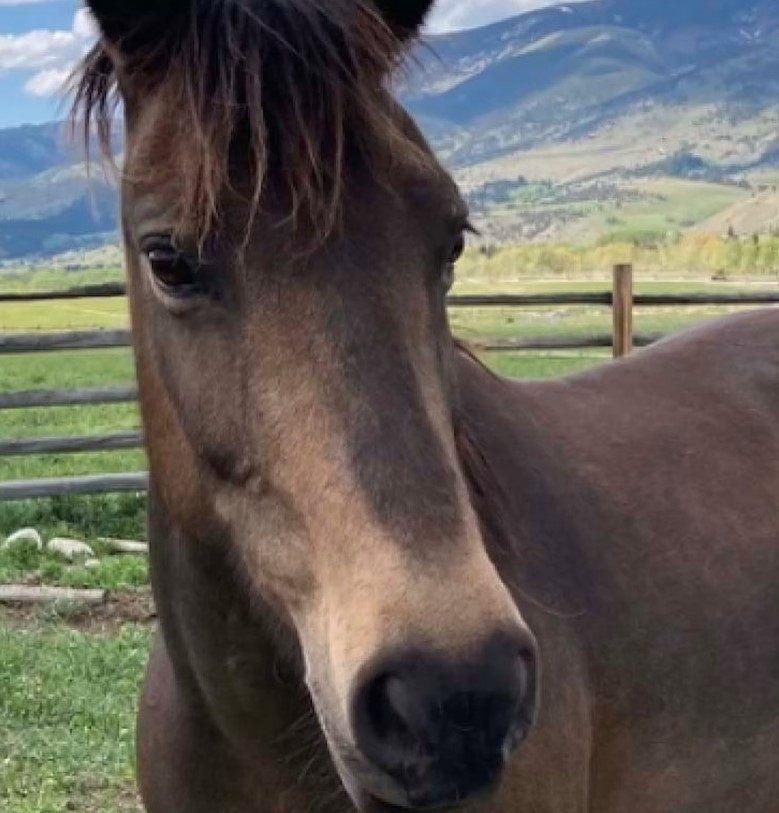
🐴 Horse Joins Yellowstone Bison Herd, Refuses to Return – A 6-year-old mustang named Evie has been on the lam all summer after shirking her duties as a Yellowstone pack horse and taking up residence with a herd of bison. A feral horse on the Navajo Reservation for the first five years of her life, Evie was purchased at auction last year and had just completed her first packing trip in the park. But after becoming entangled in an electric fence, she escaped and eventually joined the bison herd near the park’s northern boundary. The National Park Service wants her evicted from the park, but despite wranglers’ efforts over the last two months, she’s made it clear she’s not interested in going back. Read full story
BCHI Governing Documents Introduction 9-5
BCHI_Book_1_Bylaws (1)
BCHI_Book_2_Rules_of_Order (1)
FORMAL REQUEST FOR ADOPTION
From: BCHI Governance Review Committee
Subject: Request to Present Book 1 and Book 2 for Adoption at the March 2027 Convention
Dear BCHI Officers:
The BCHI Governance Review Committee respectfully requests that the officers establish and oversee a schedule for completing the review and finalization of Book 1 — Bylaws and Book 2 — Rules of Order in time for consideration at the BCHI Annual Convention in March 2027.
We further request that the officers present the final proposed documents to the BCHI Board of Directors at its meeting in March 2027, the day before the Convention, and ask the Board to recommend their adoption by the convention delegates.
Book 1 is intended to replace the existing BCHI Bylaws. Book 2 establishes the rules governing conventions, delegate proceedings, meetings, elections, voting, electronic participation, and other parliamentary matters authorized by Book 1. Book 2 is subordinate to Book 1, and Book 1 controls if a conflict exists.
note: there is a Book 3,4,5 and a How-To handbook. these are also governance manuals but only require the approval of the Board of Directors, not the Delegates. These can be voted on at a BOD meeting.
Final authority to adopt Book 1 and Book 2 rests with the duly certified convention delegates. The Board’s March review would allow the Board to confirm that the documents are ready for delegate consideration and decide whether to recommend their adoption.
Requested Actions
We respectfully request that the officers:
- Distribute the current drafts of Book 1 and Book 2 to BCHI directors, chapters, and other authorized reviewers.2. Establish firm deadlines for submitting comments and proposed corrections.3. Send all comments to the Governance Review Committee for review and resolution.4. Arrange for legal or other professional review if the officers determine that such review is necessary.
5. Ensure that clean final proposed versions of Book 1 and Book 2 are completed before the convention-notice deadline.
6. Direct the Secretary to provide proper notice and complete copies of the proposed documents to the chapters and delegates.
- Place Book 1 and Book 2 on the agenda for the March 2027 Annual Convention as separate adoption items.
- Present the final proposed documents to the Board in March 2027, with a request that the Board recommend their adoption.
- Prepare the motions, ballots, delegate records, and certification forms necessary for the Convention vote.Proposed Review and Adoption Schedule
This suggested schedule provides for document review and finalization without requiring intermediate Board meetings. The only proposed Board review meeting is the meeting in March, 2027.
September 30, 2026
Officers distribute the current drafts of Book 1 and Book 2 to directors, chapters, officers, committee members, and other authorized reviewers.
October 1–November 15, 2026
Directors, chapters, and reviewers examine both books and submit comments, questions, corrections, and proposed revisions in writing.
November 15, 2026
Formal review and comment period closes.
November 16–December 15, 2026
Governance Review Committee evaluates the comments, resolves inconsistencies, and prepares revised drafts.
December 16, 2026
Revised drafts are distributed to the officers, directors, and chapters for a final written review.
January 5, 2027
Final written comments and corrections are due. Comments after this date should be limited to material legal issues, internal conflicts, or clear errors.
January 6–15, 2027
Governance Review Committee completes the final proposed versions of Book 1 and Book 2 and prepares a summary of the principal changes.
January 15, 2027
Final proposed Book 1, Book 2, and supporting change summary are delivered to the officers and Secretary.
No later than January 20, 2027 Secretary distributes formal notice, the Convention agenda, Book 1, Book 2, and the change summary to all chapters and known delegates. This date must be moved earlier if the existing Bylaws require a longer notice period.
February 15, 2027
Officers and Secretary confirm that notice was properly provided and that the documents distributed are the final proposed versions.
March 1, 2027 .
Secretary confirms the delegate-certification process, voting procedures, proposed motions, and vote-recording forms
March 14, 2027
Board reviews the final proposed Book 1 and Book 2 and votes on whether to recommend their adoption by the convention delegates.
March 15, 2027
Convention delegates consider and vote separately on Book 1 and Book 2.
Immediately after adoption
Secretary records the vote, inserts the adoption and effective dates, certifies and publishes clean official copies, and archives the previous Bylaws and superseded rules as “SUPERSEDED — NOT CURRENT.”
The Secretary should immediately confirm the amendment-notice requirements in the existing Bylaws. If those requirements call for notice earlier than January 20, 2027, the schedule must be adjusted so that proper notice is provided.
Proposed Motion for the March 14, 2027 Board Meeting
I move that the BCHI Board of Directors approve presenting Book 1 — Bylaws and Book 2 — Rules of Order to the duly certified delegates at the March 15, 2027 Annual Convention and recommend their adoption, subject to the notice, quorum, and voting requirements of the existing BCHI Bylaws.
Proposed Convention Actions
Book 1 and Book 2 should be reviewed as a coordinated governance package but presented to the delegates as separate adoption questions.
Book 1 Motion
I move that the duly certified delegates of Back Country Horsemen of Idaho adopt Book 1 — Bylaws as the complete replacement for the existing BCHI Bylaws, effective ____________________.
Book 2 Motion
I move that the duly certified delegates of Back Country Horsemen of Idaho adopt Book 2 — Rules of Order as BCHI’s official Rules of Order, subordinate to Book 1 — Bylaws and effective upon the adoption and effective date of Book 1.
Book 1 must be adopted before Book 2 becomes effective.
Meeting the proposed deadlines will allow BCHI directors, chapters, and delegates adequate time to review the documents before the Convention. It will also allow the Board to make its recommendation on March 14 without requiring additional intermediate Board meetings.
We respectfully request that the officers begin this review process and ensure that Book 1 and Book 2 are properly noticed and placed before the delegates in March 2027.
Sincerely,
Carl Gates
Chairman, BCHI Governance Review Committee
9/7/2026
Upon your request, I will forward drafts of Book 3,4,5 and the How To manual (see Introduction to BCHI Governing Documents below).
Hello Directors,
As promised, I am working on the photo criteria for the 2028 Calendar Photo submissions. They will be due December 31st.
What I need from your chapters is the email for one person designated by your chapter for photos. This will be the only person with access to our Dropbox – where they will deposit photos from your chapter.
Please get this to me be Friday…or else one of the directors will be chosen at random 😉
Thank you,
Robin Pilkington
Secretary BCHI