 To find out about this area CLICK HERE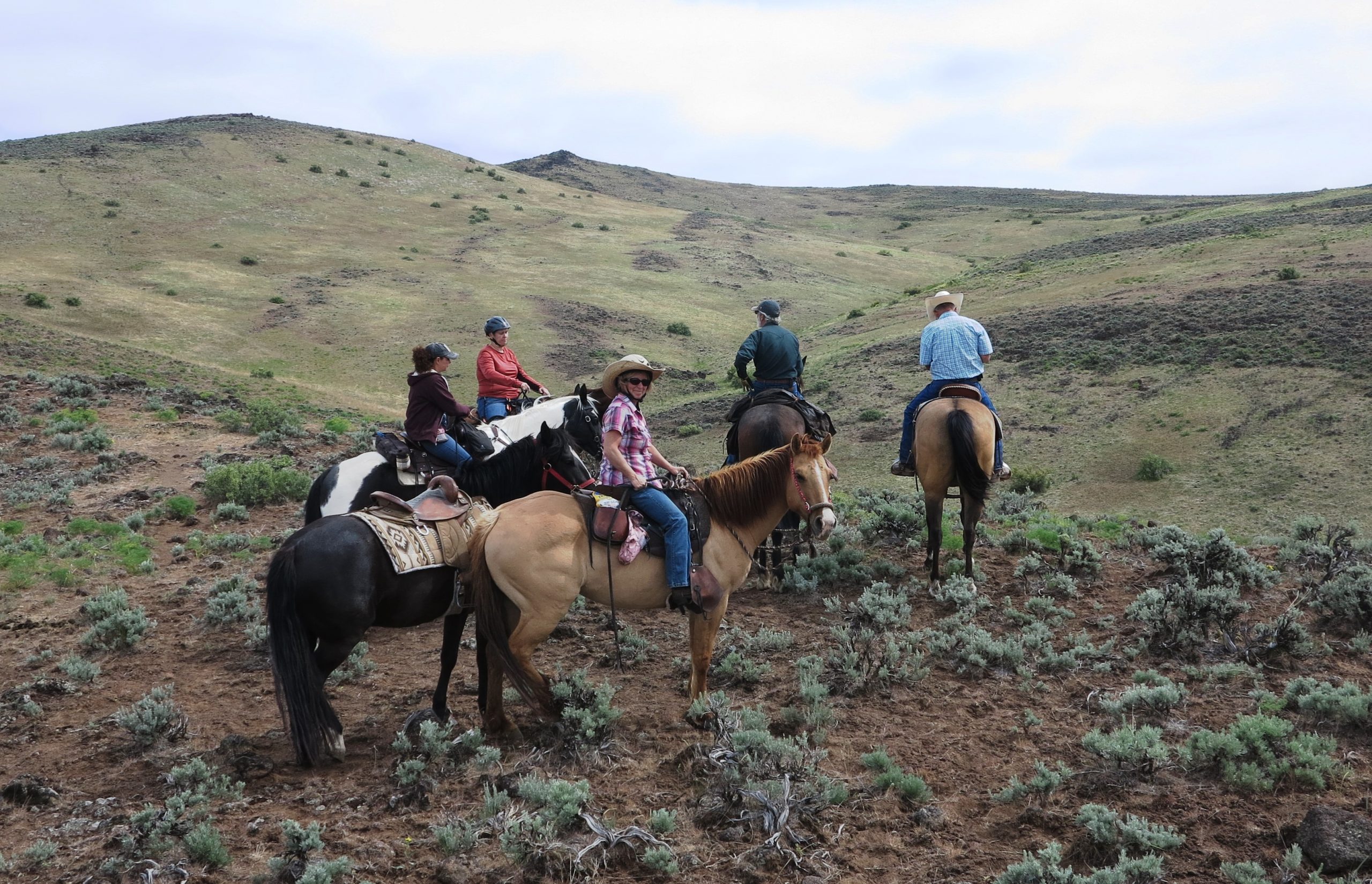
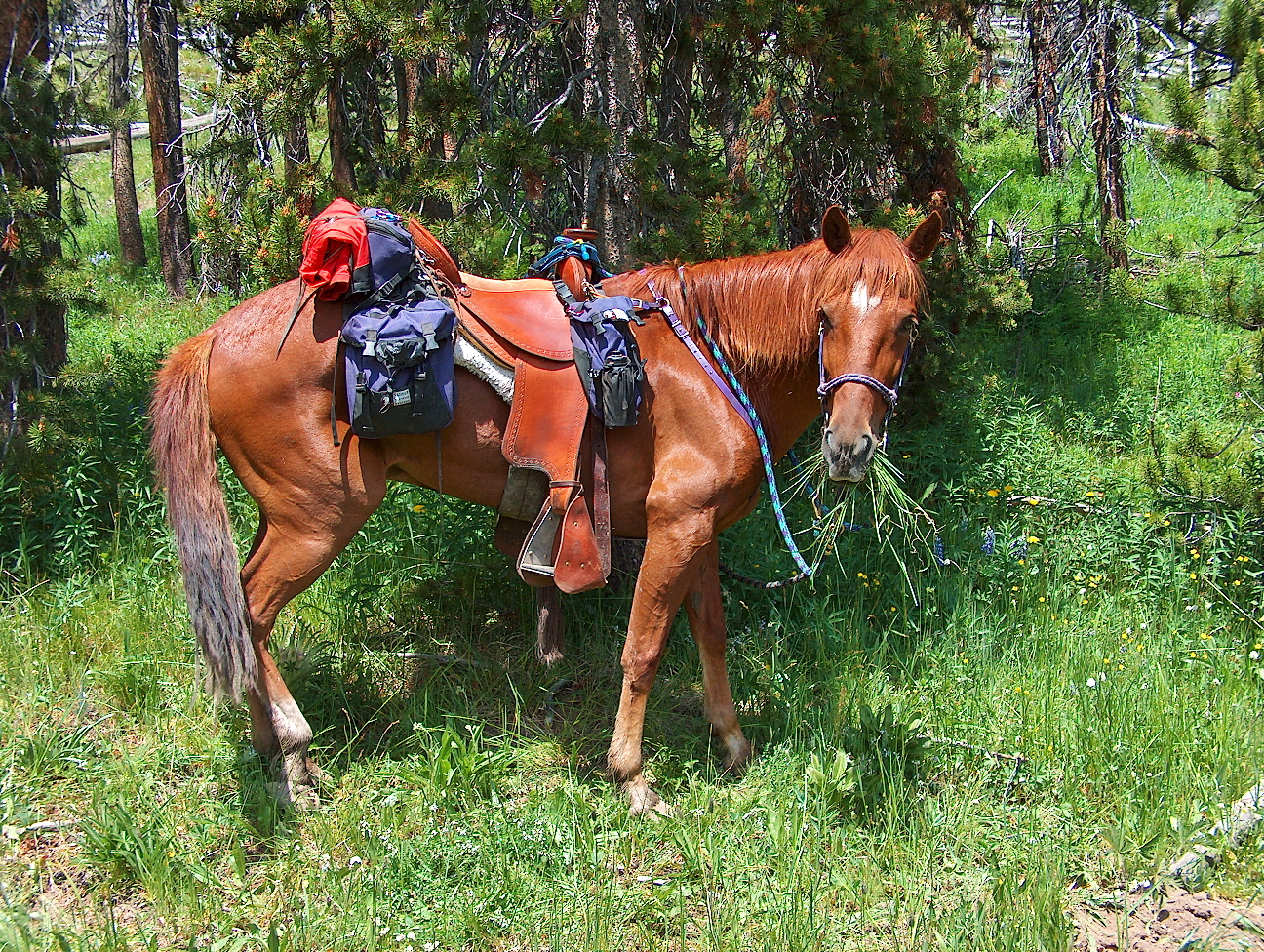
Ellen Knapp’s horse “Chet” (January)
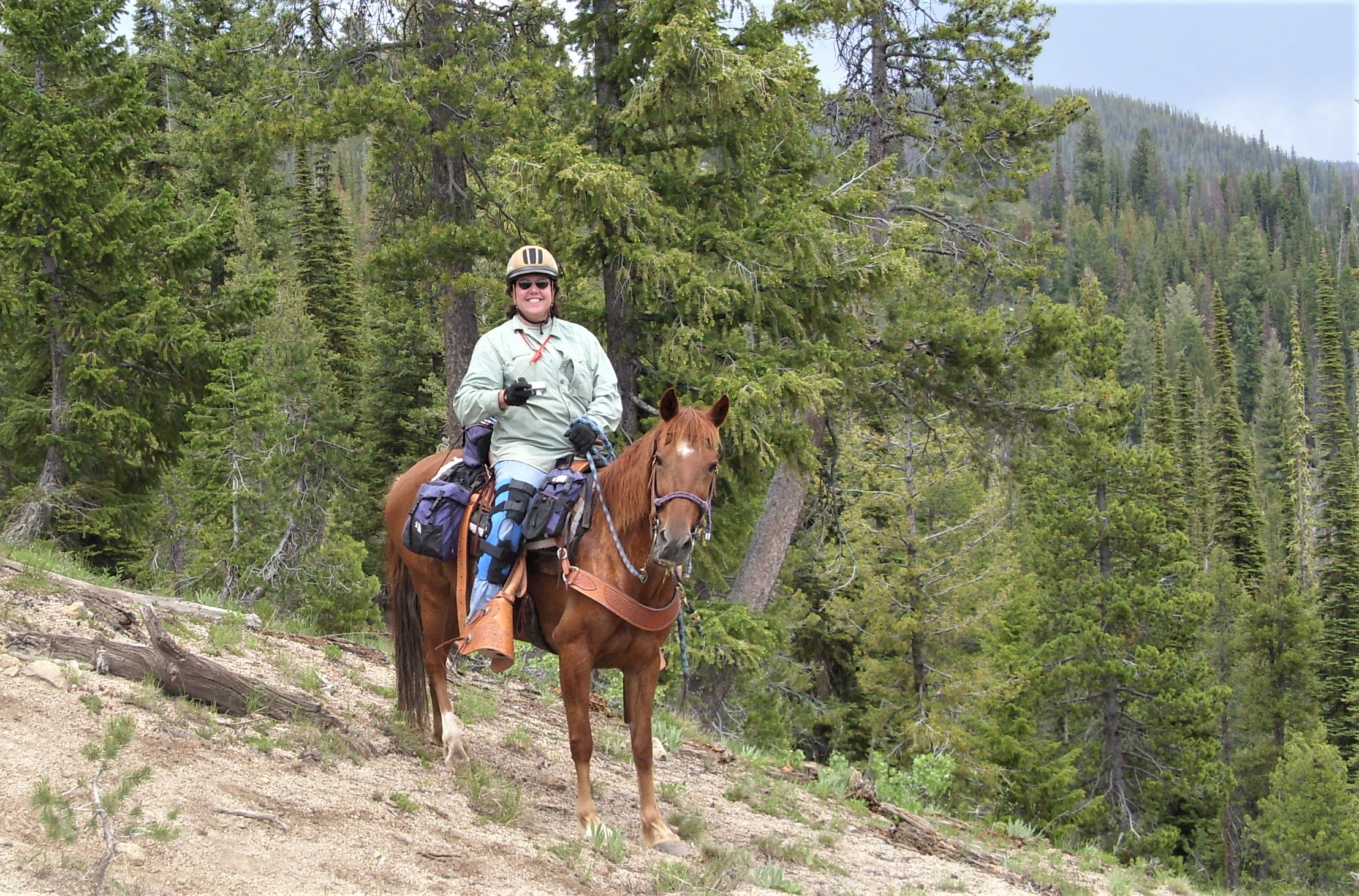
Terry MacDonald’s horse “Scout” (April)
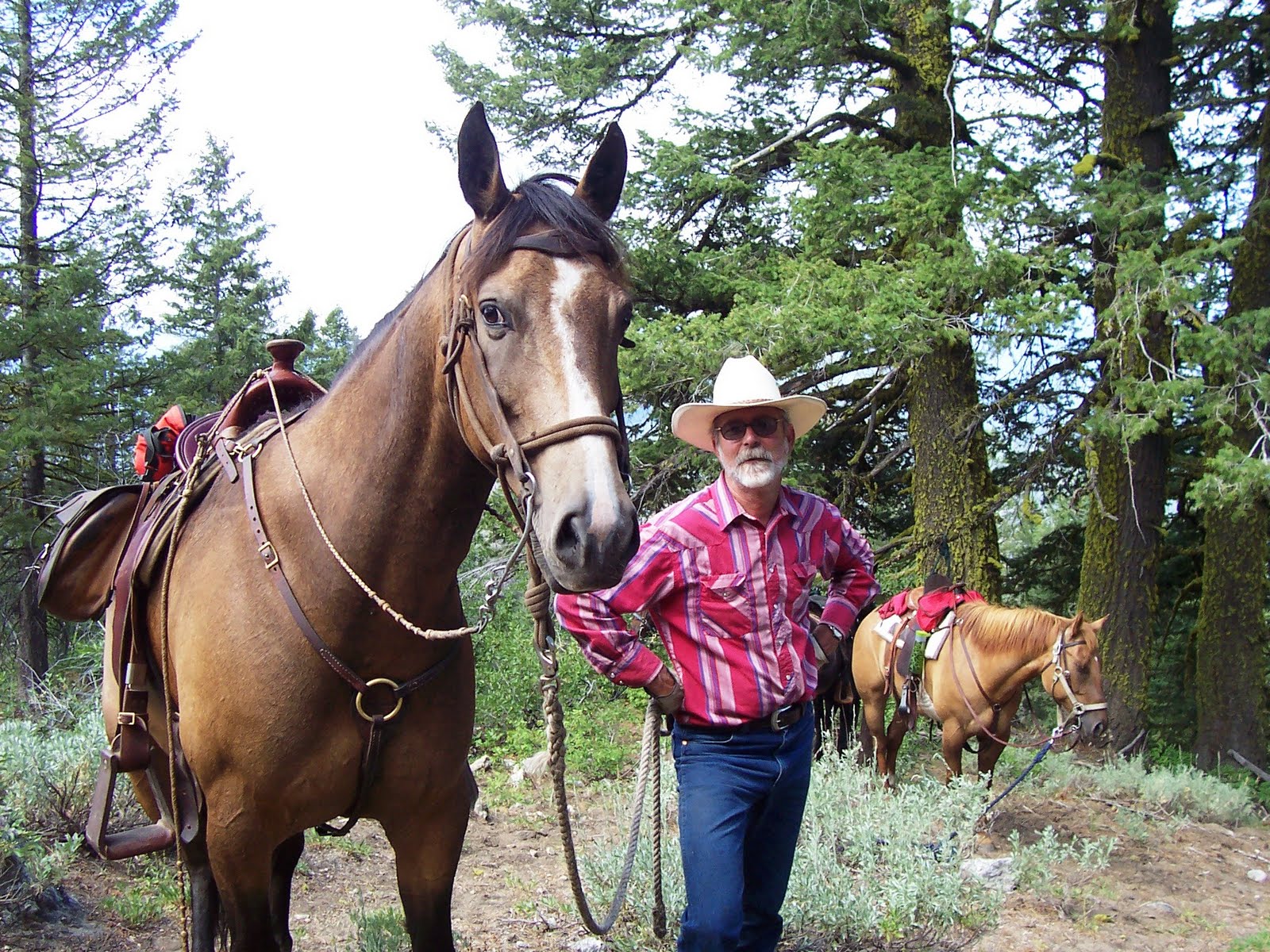

Bill Holt’s mule “Billy Bob” (May)
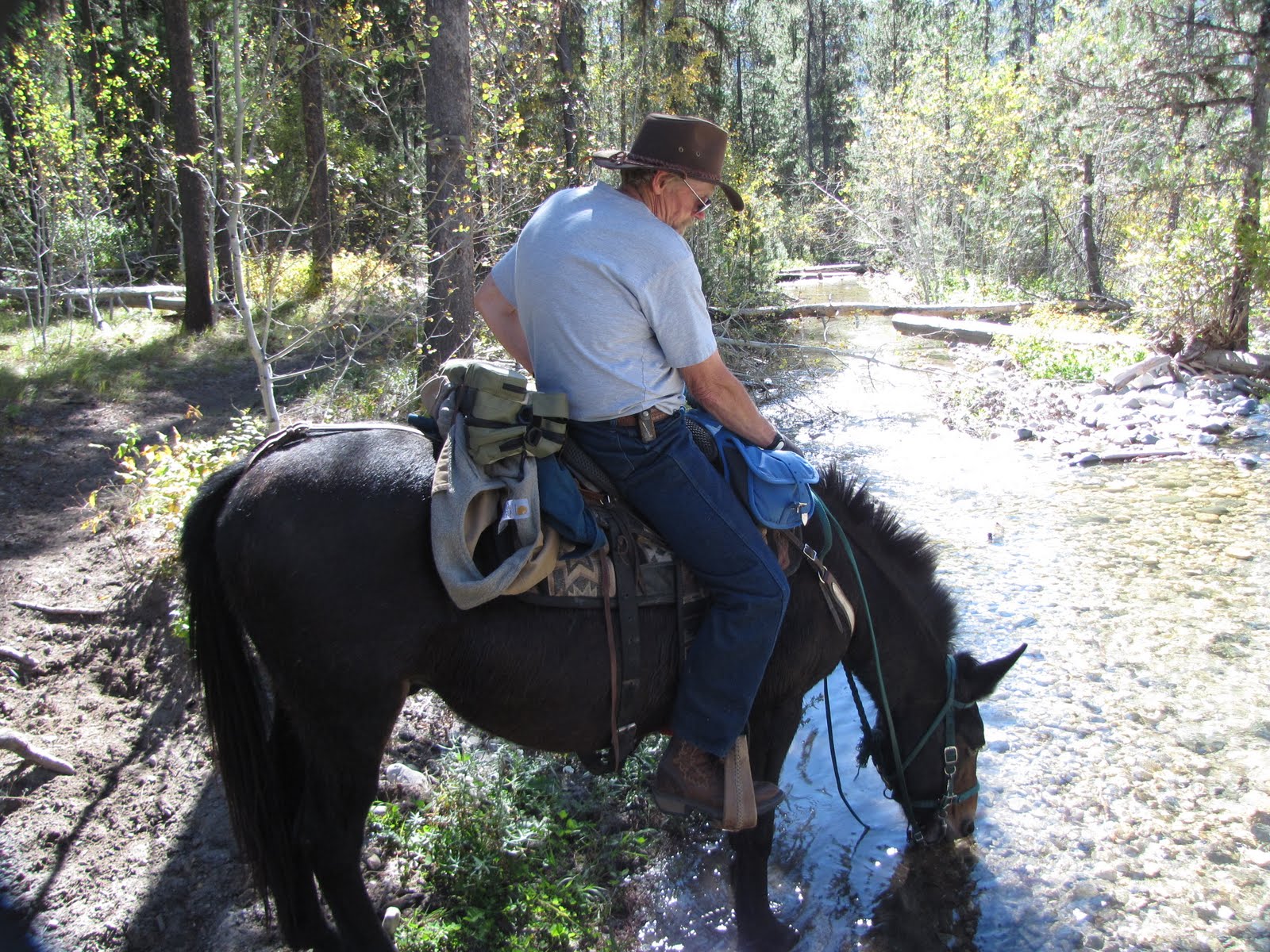
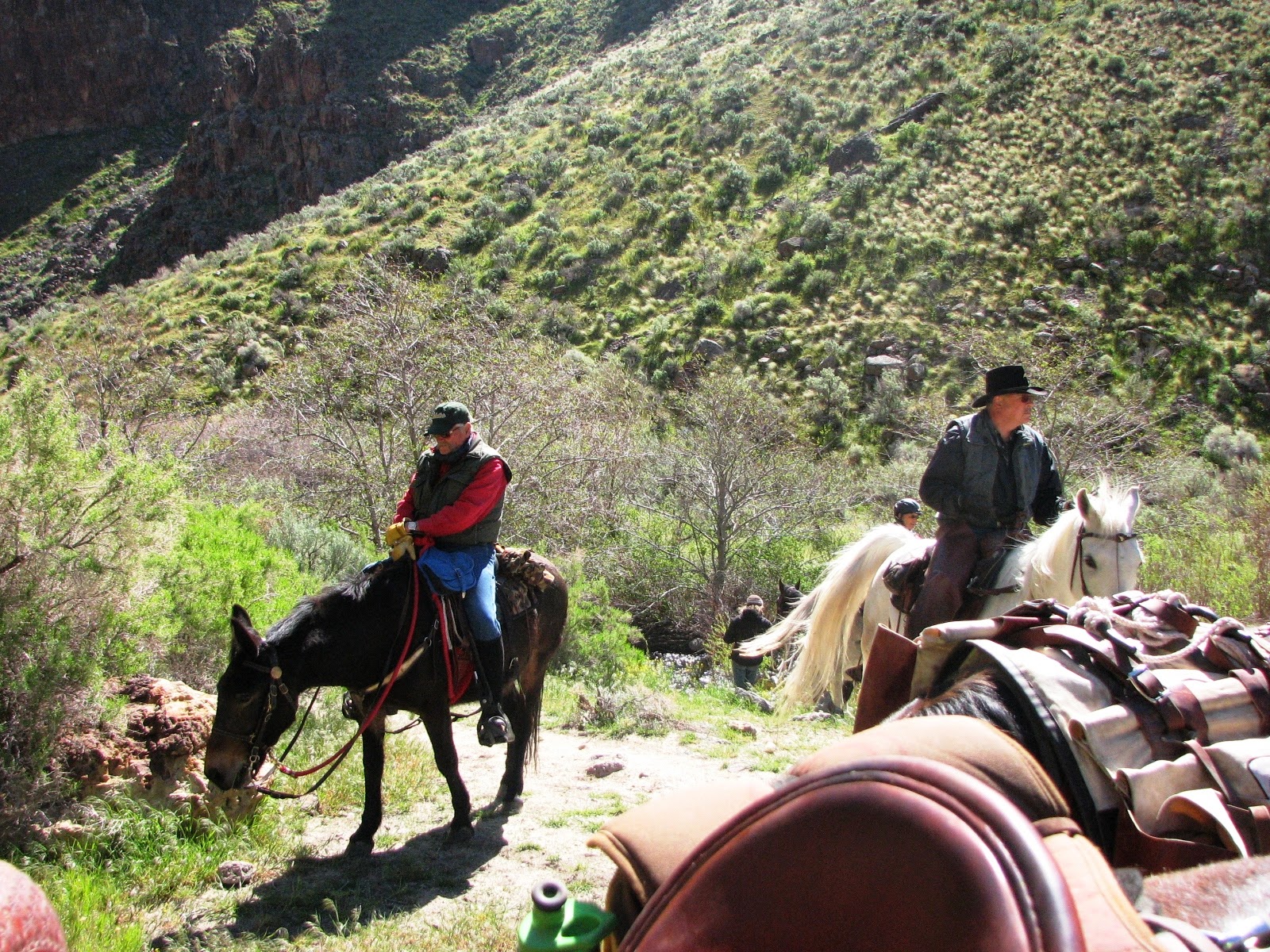
Rob Adams mustang “Kestrel” (May)
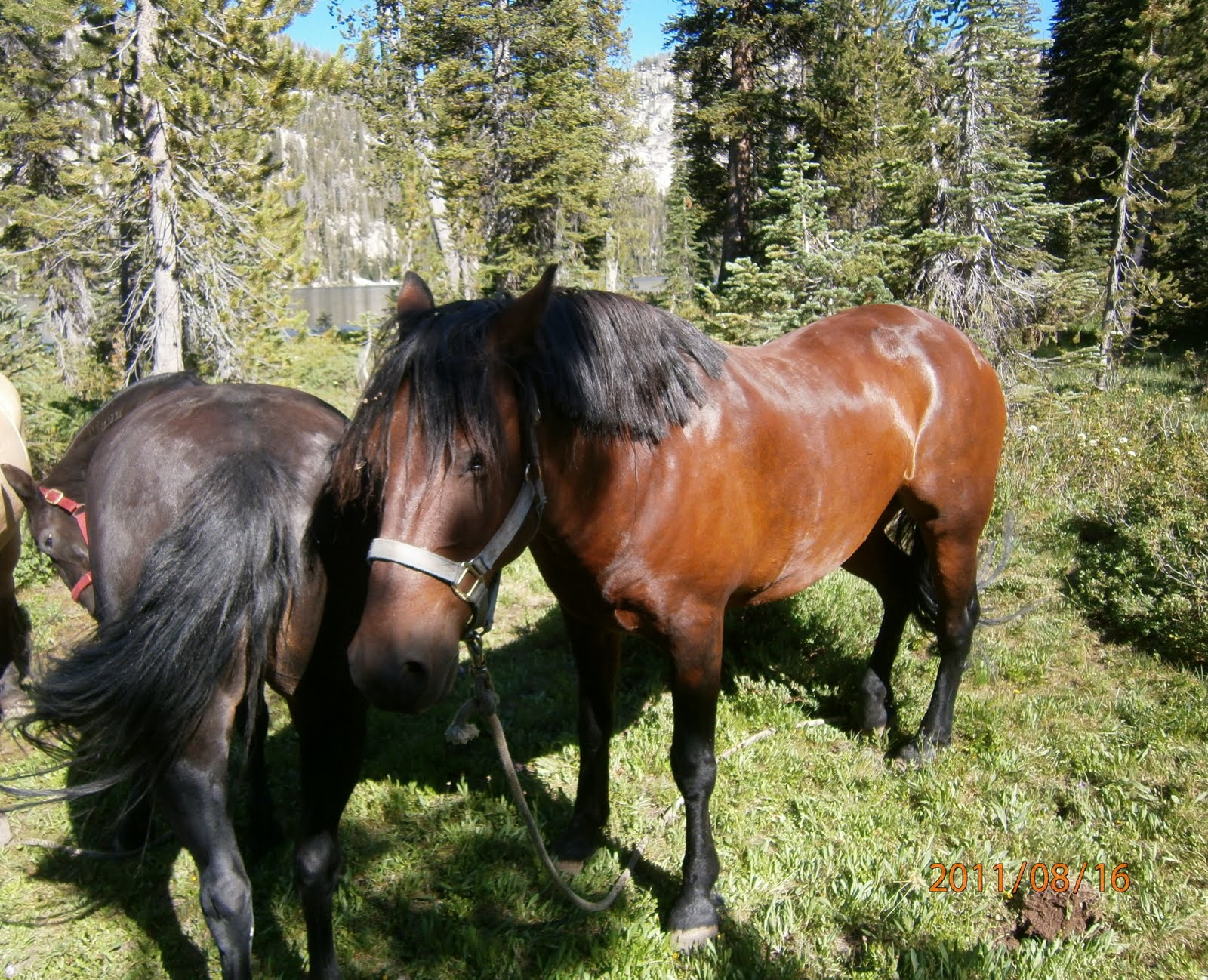
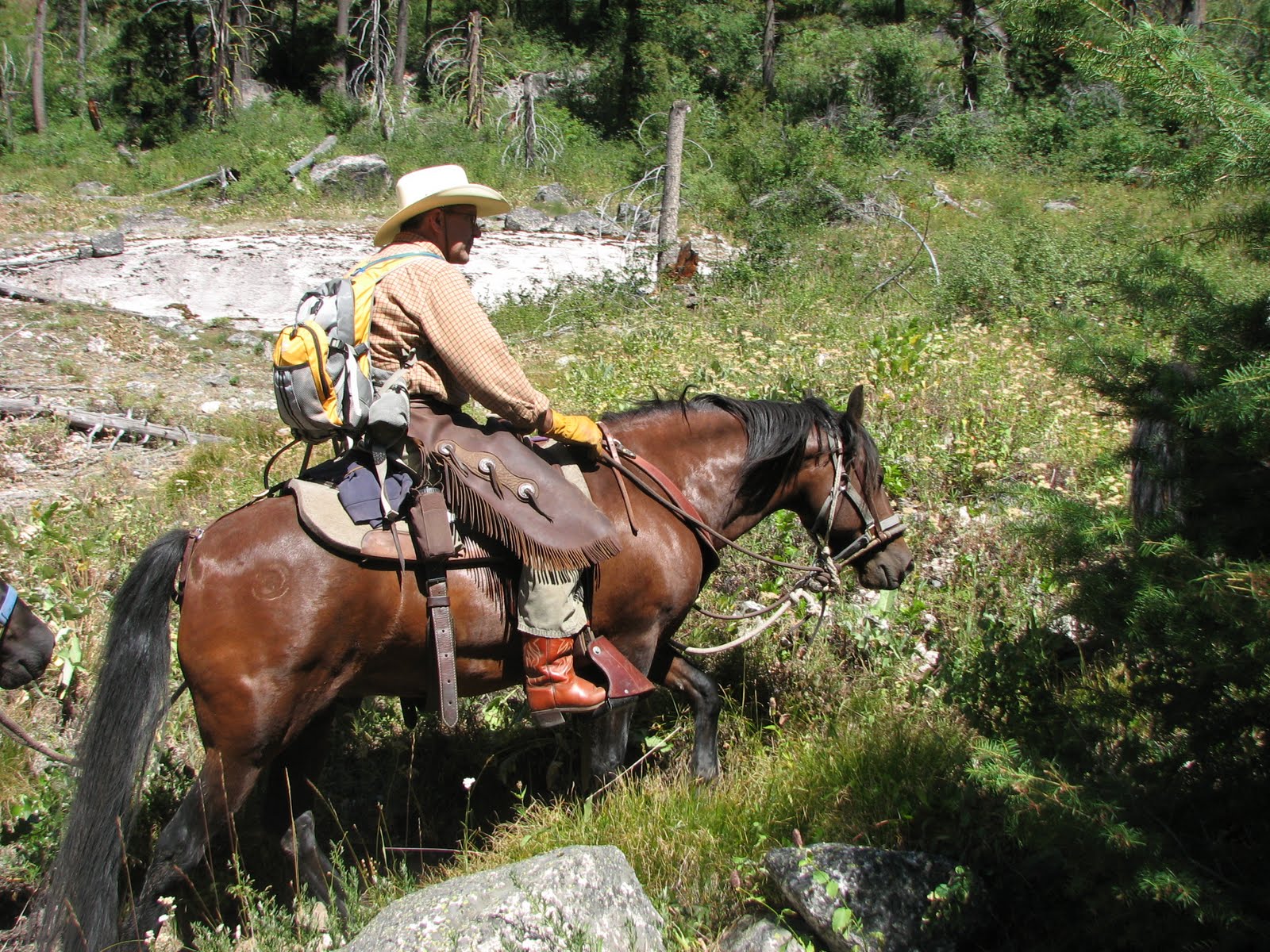
Charles Lox horse “Brio” (June)


 Humans have a long history of digging wells, but we’re not the only species to tap the earth for water: New research reveals wild horses and donkeys, also known as burros, can as well.
As described in a paper published April 29 in the journal Science, the animals use their hooves to dig more than six feet deep to reach groundwater for themselves, in turn creating oases that serve as a boon to wildlife—American badgers, black bears, and an array of birds, including some declining species such as elf owls.
Horses and burros, introduced into the wild over the centuries, have taken up residence in scattered populations throughout much of the American West. The wells they dig transform into “hotbeds of animal activity,” says Erick Lundgren, a postdoctoral researcher at Aarhus University in Denmark and the study’s first author. READ MORE
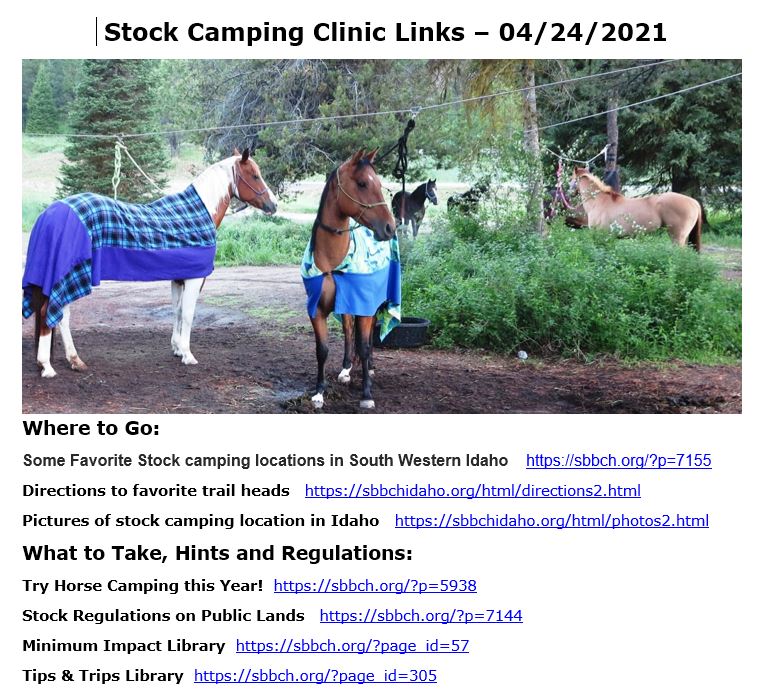
2021 Stock Camping Clinic Links
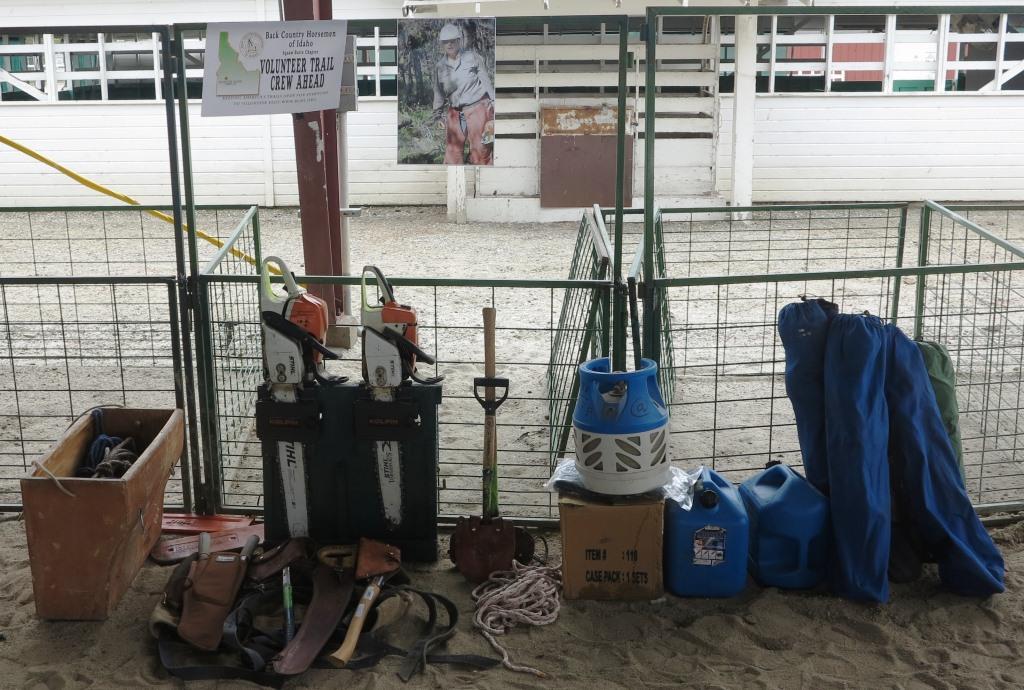
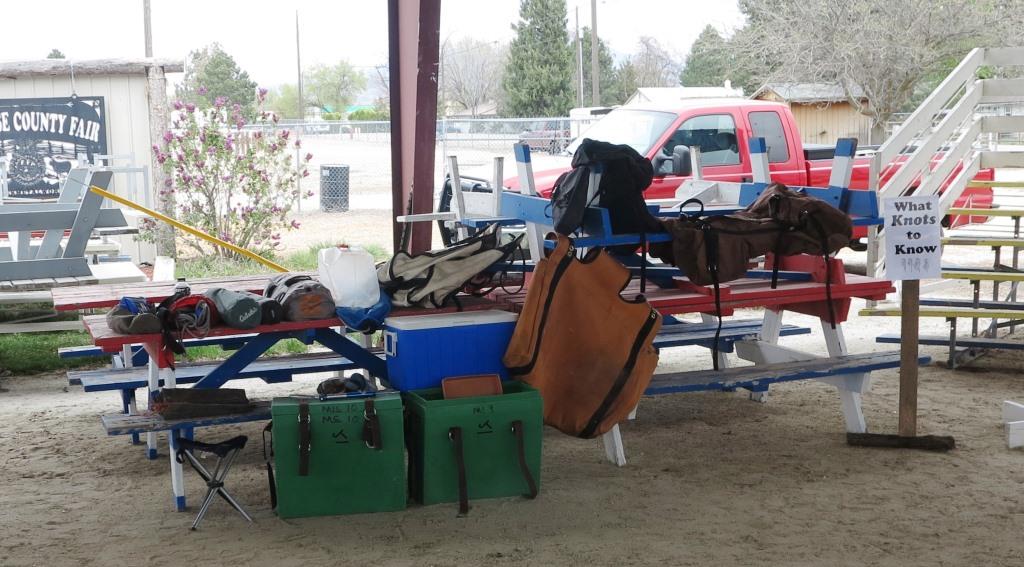
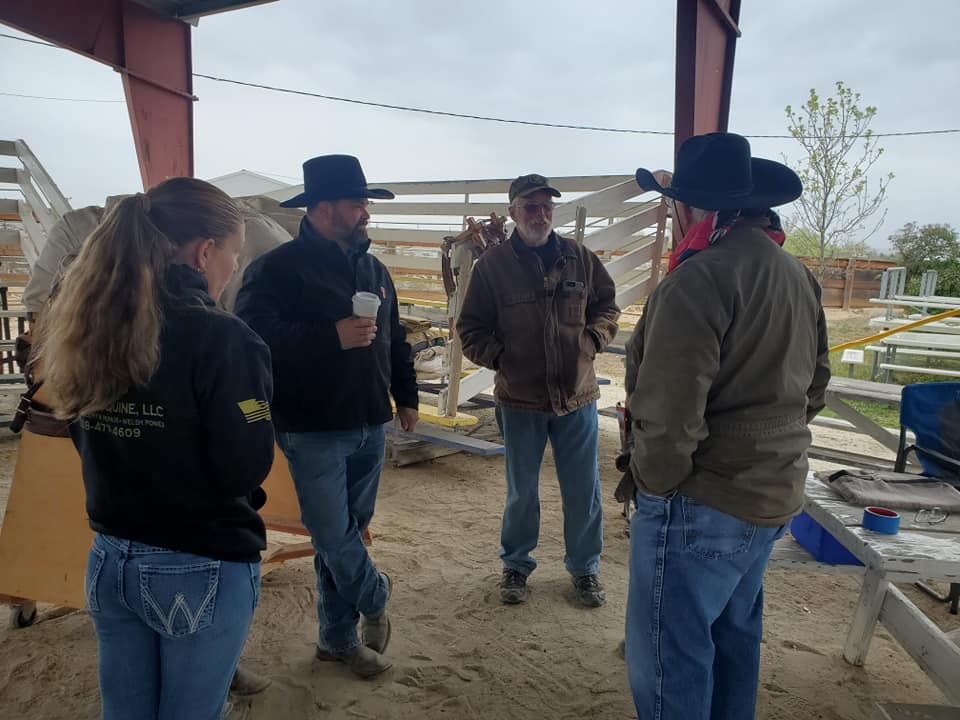
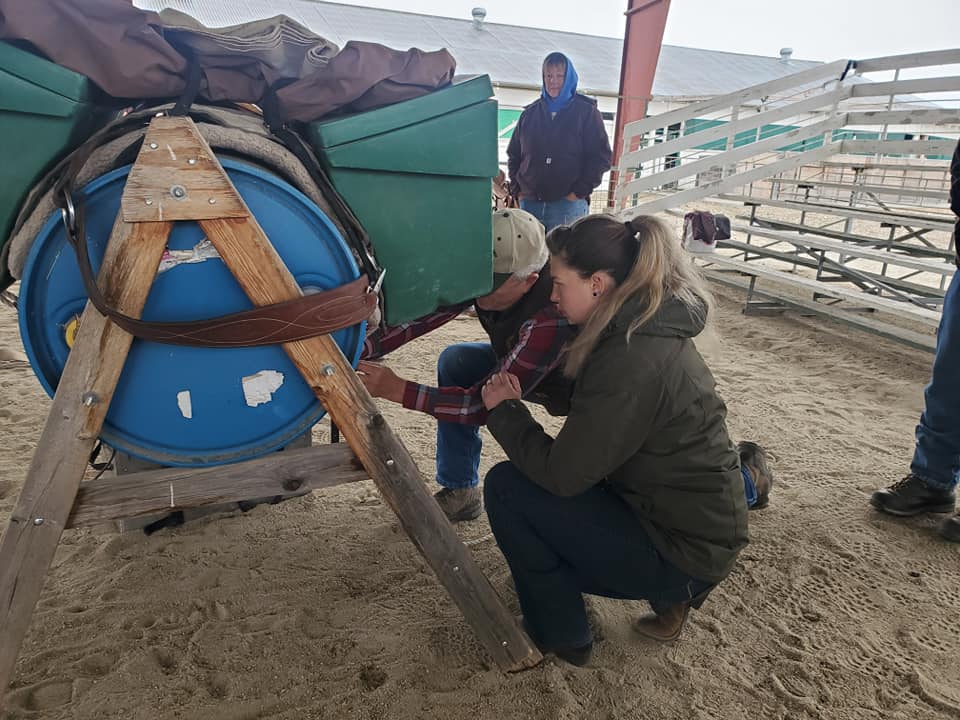
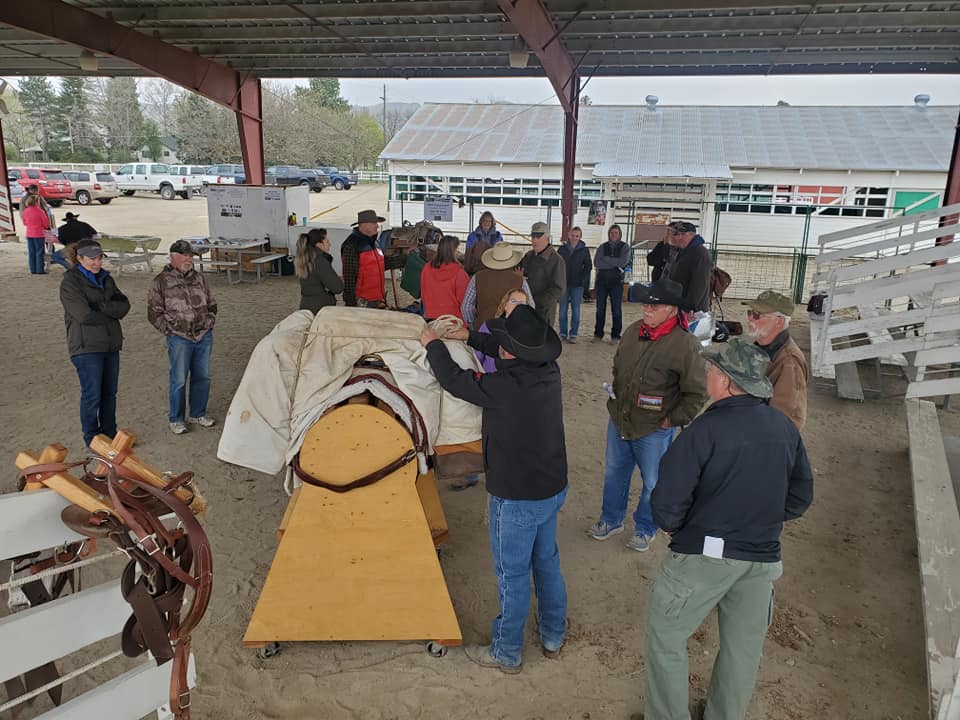
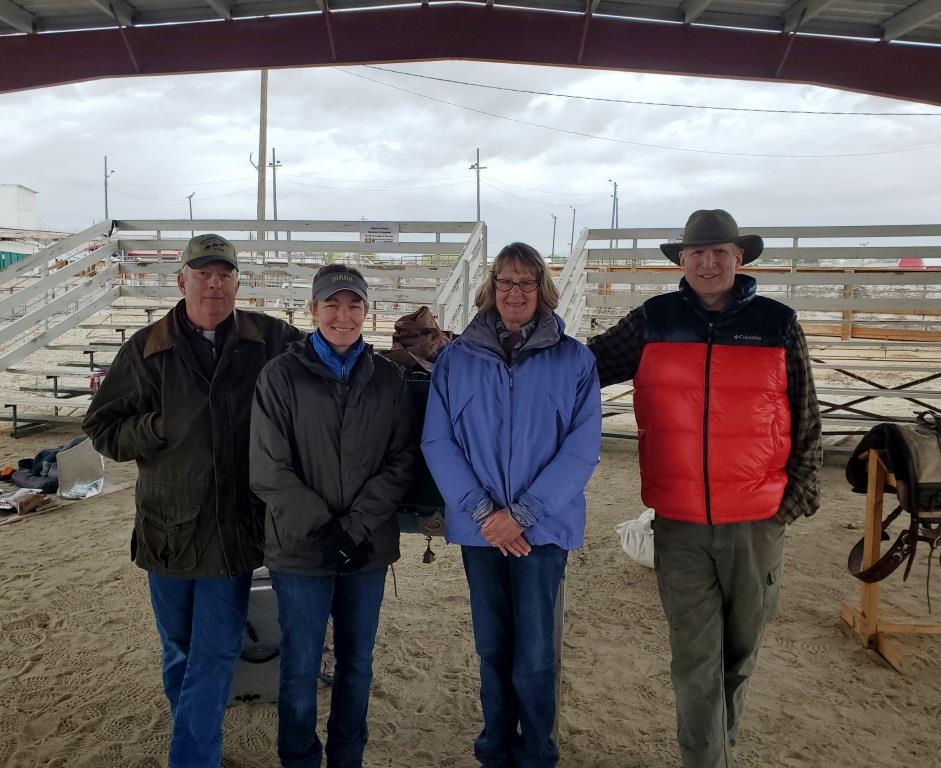
Twelve member and 26 guest spent, at times, a windy and rainy day under the 4-H shelter at the Gem Country Fair ground. The chapter had prepared over the last couple of months a number of information and hands on stations to pickup information and skills necessary to safely camp with stock both at a trail head and in the back country.
Lisa Griffith led this effort and all who participated put in a lot of hours getting ready before the first guest arrived. A majority of the pictures were taken before most of the guests arrived, because afterwards we were just to busy! We also picked up a number of new members who enjoyed the clinic and want to learn more and help with our mission. We also promised them some amazing food after a great day on the trail.
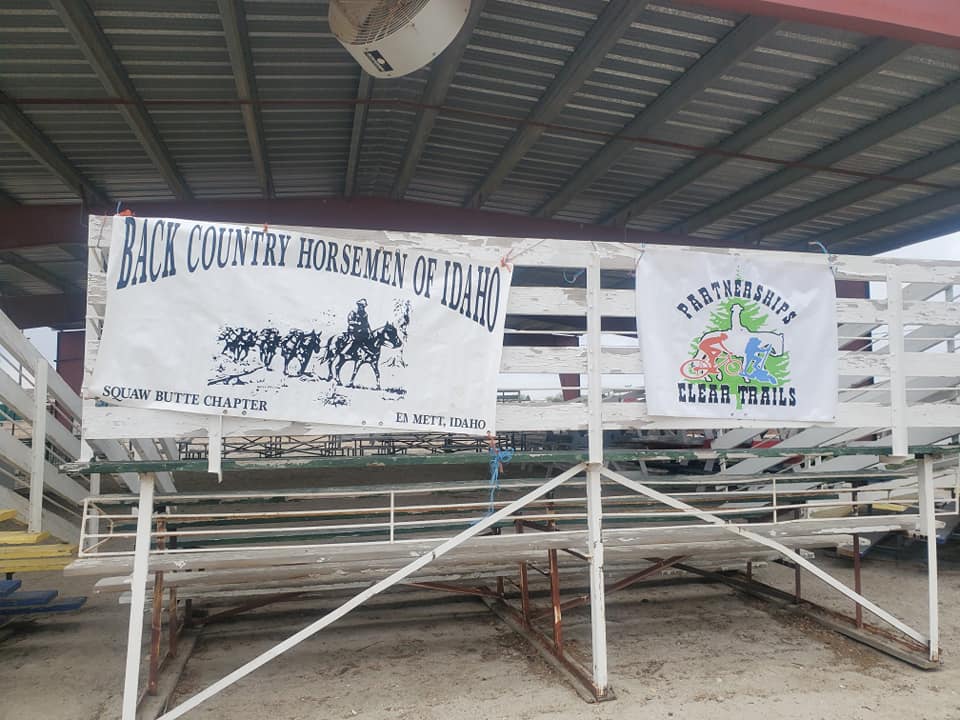


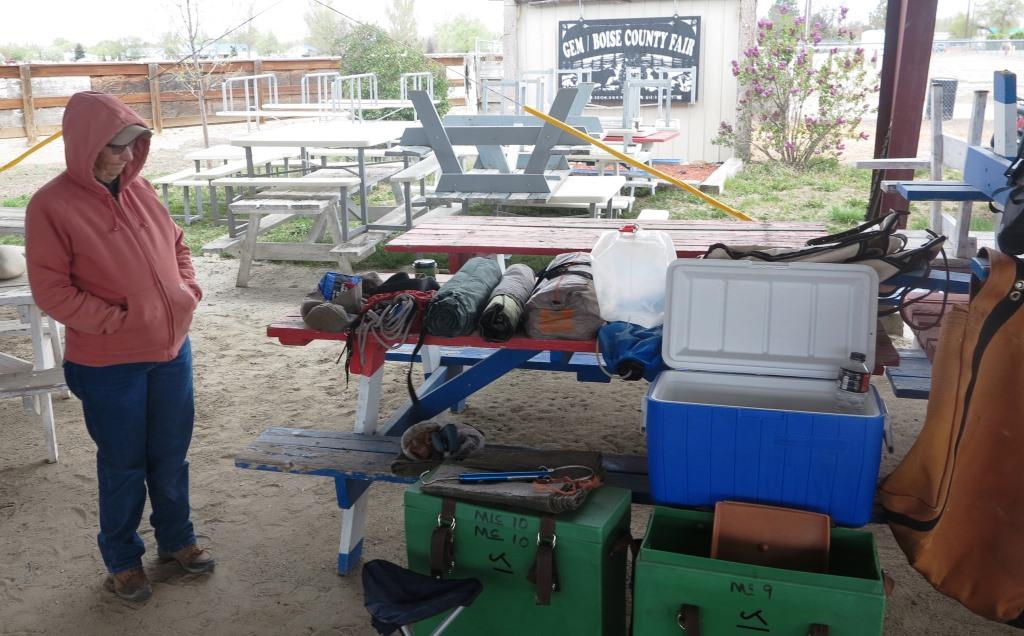
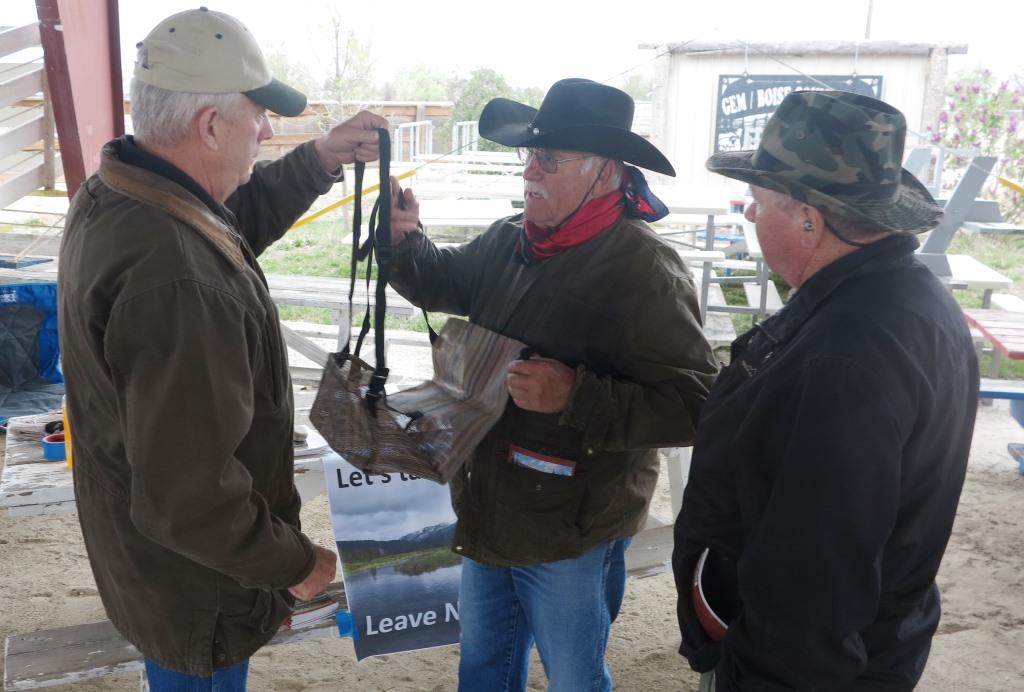
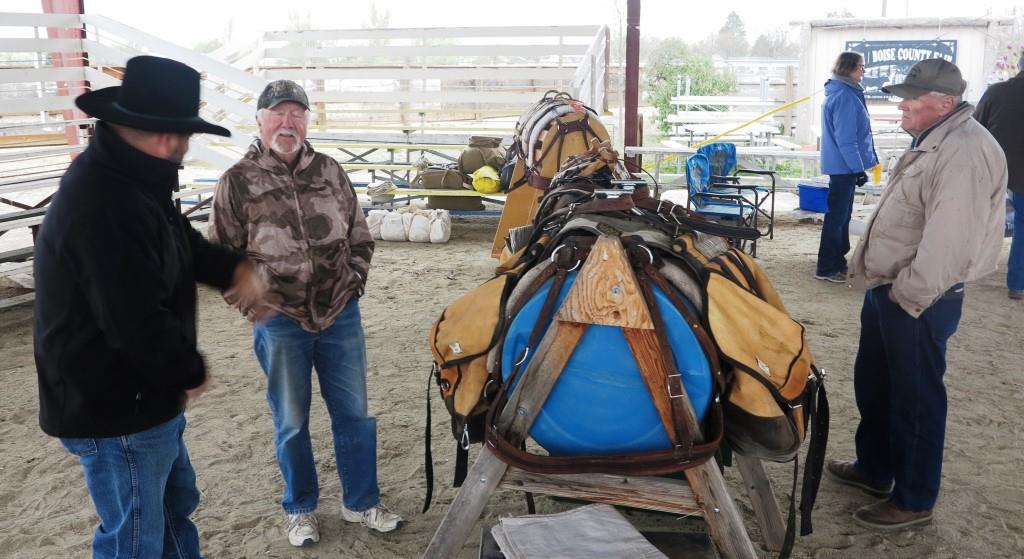




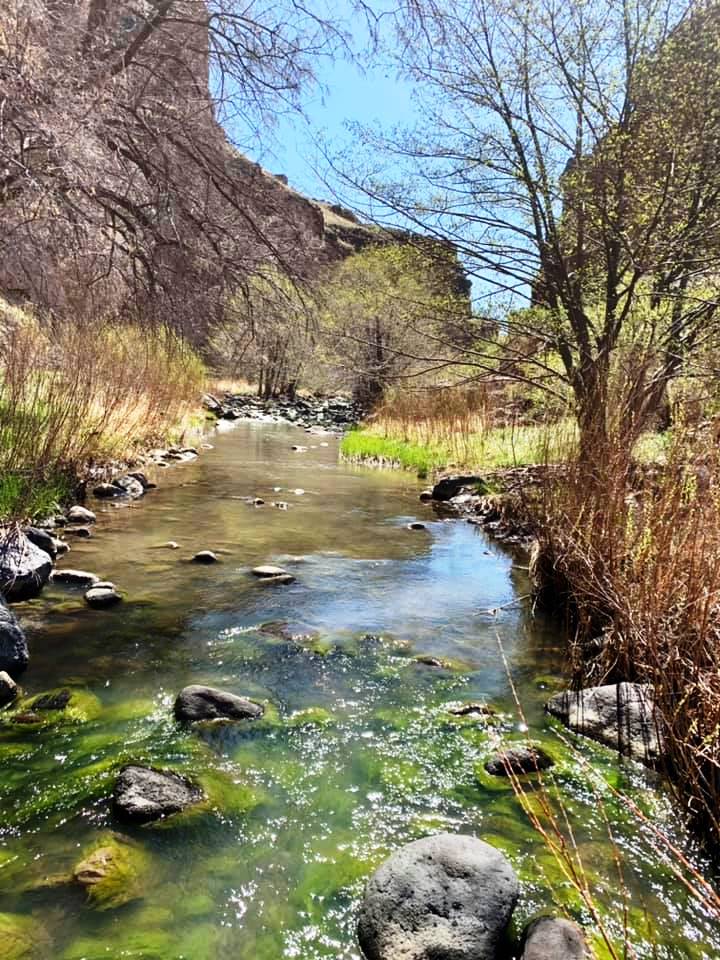
 Succor Creek State Natural Area lies in a deep, rocky canyon and is a remote haven for rock hounds and wildlife watchers. Limited souvenir collecting by rock hounds is permitted in the park. A rough 15 mile dirt road leads from Oregon 201 to the park, which has primitive camping and day-use areas along both side of the creek. No water is available.
The Succor Creek Bridge is open to vehicles for access to the campsites on the east side of the creek (right/south of the bridge). The road to the left/north of the bridge is not safe for vehicular travel. Staff and Staff Volunteers are not stationed at this site. This is a remote recreational experience, please prepare accordingly.
History
The land was obtained between 1966 and 1969 by a grant from the U. S. Government (Bureau of Land Management), and by purchase and litigation with private owners. The name Succor Creek is said to refer to early travelers in the Snake River Basin who, having been saved by the creek’s fresh water, applied the name as a corruption of the Spanish word socorro, meaning help or aid.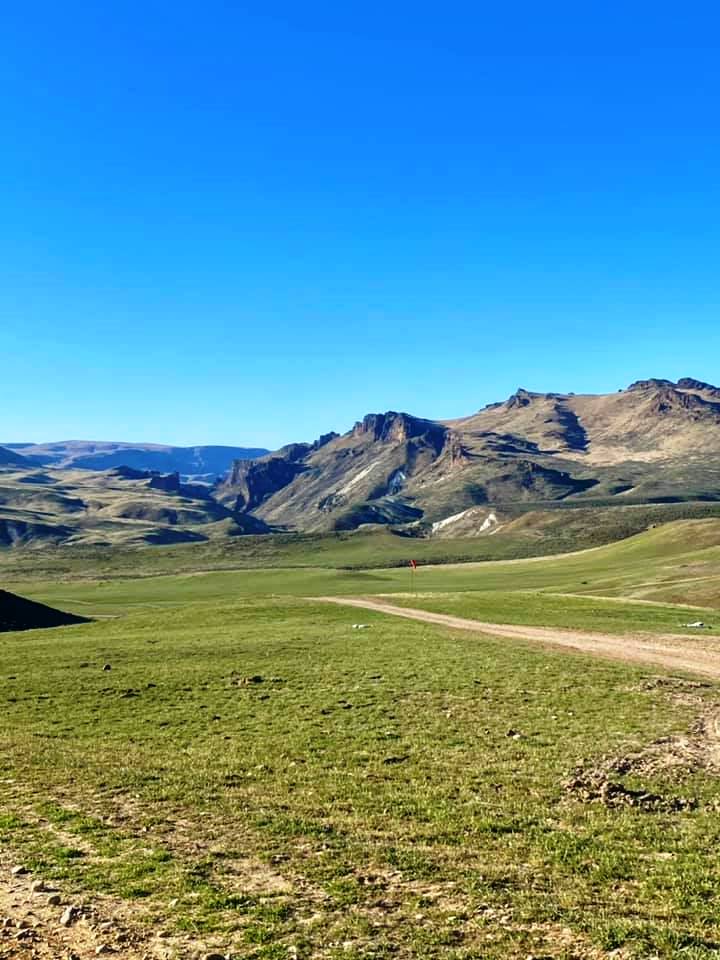
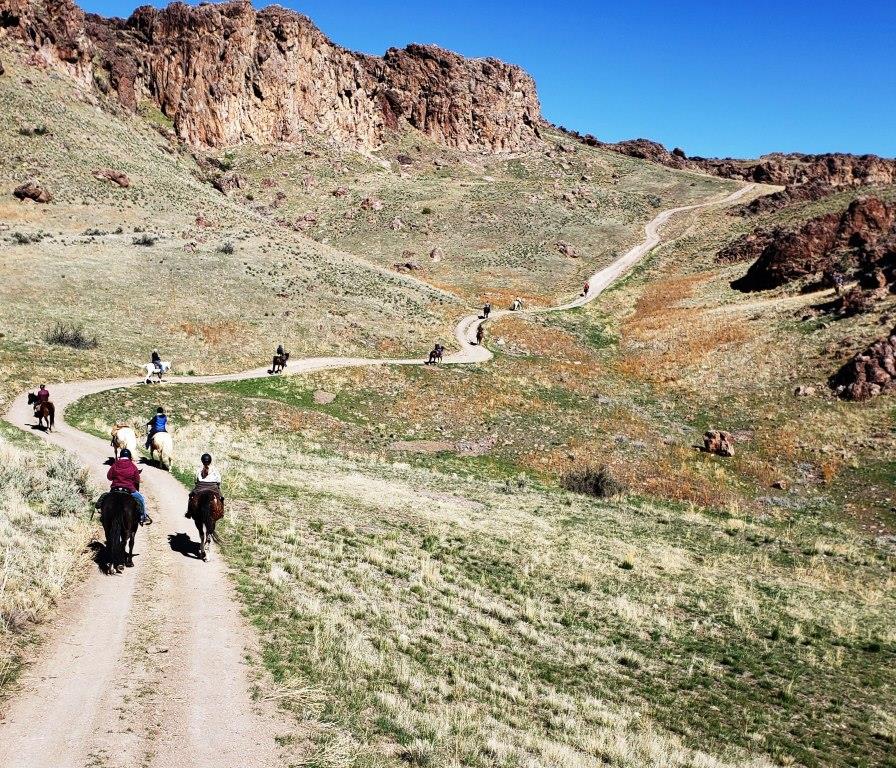
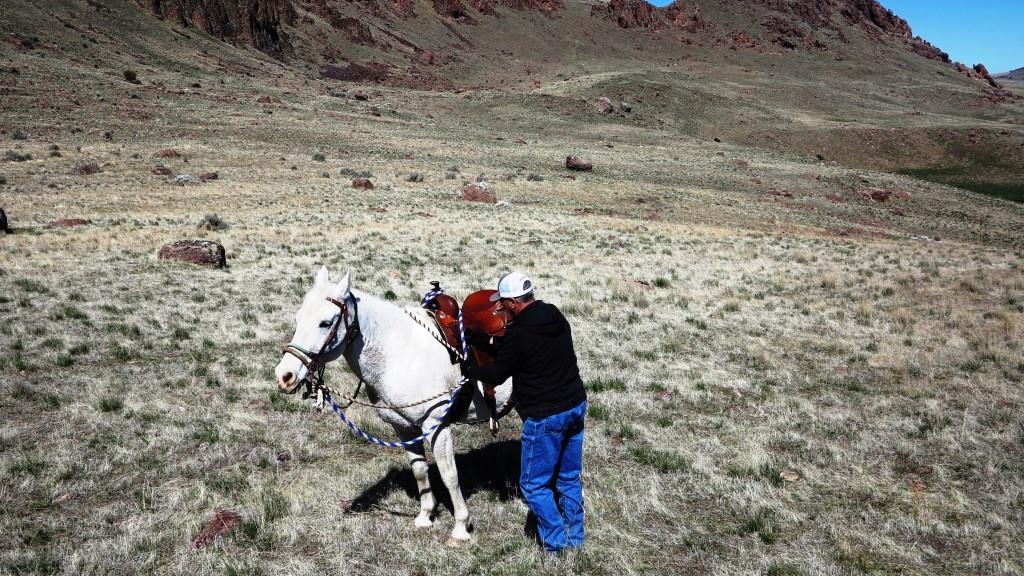
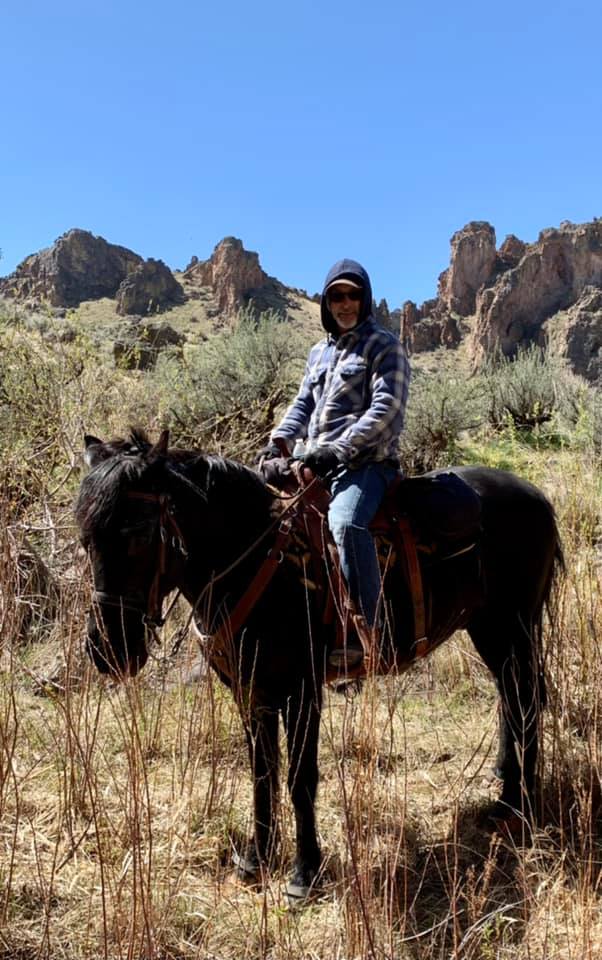
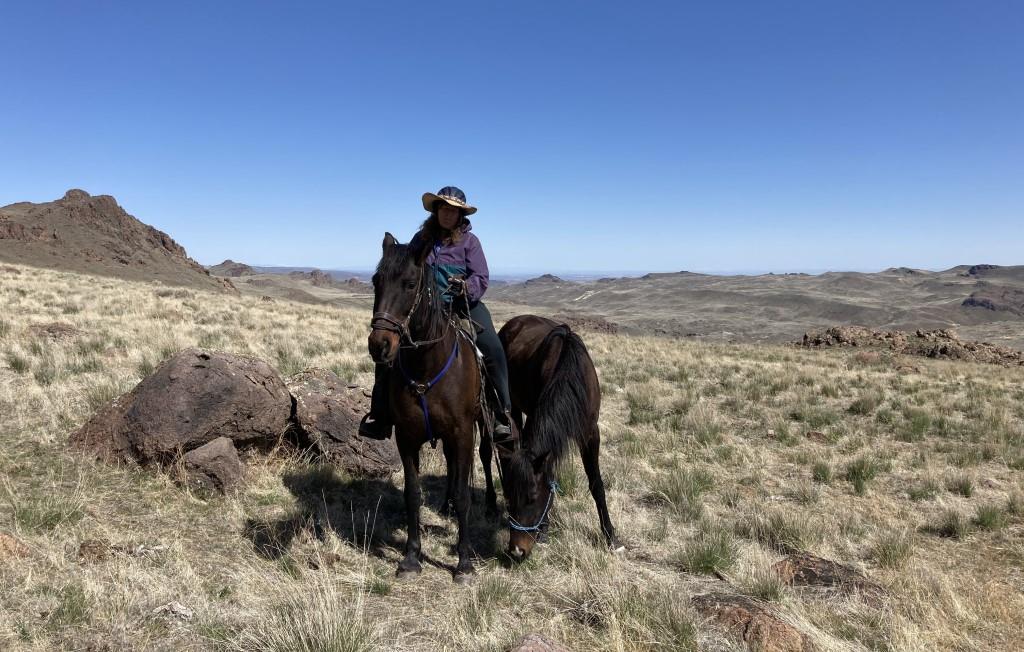
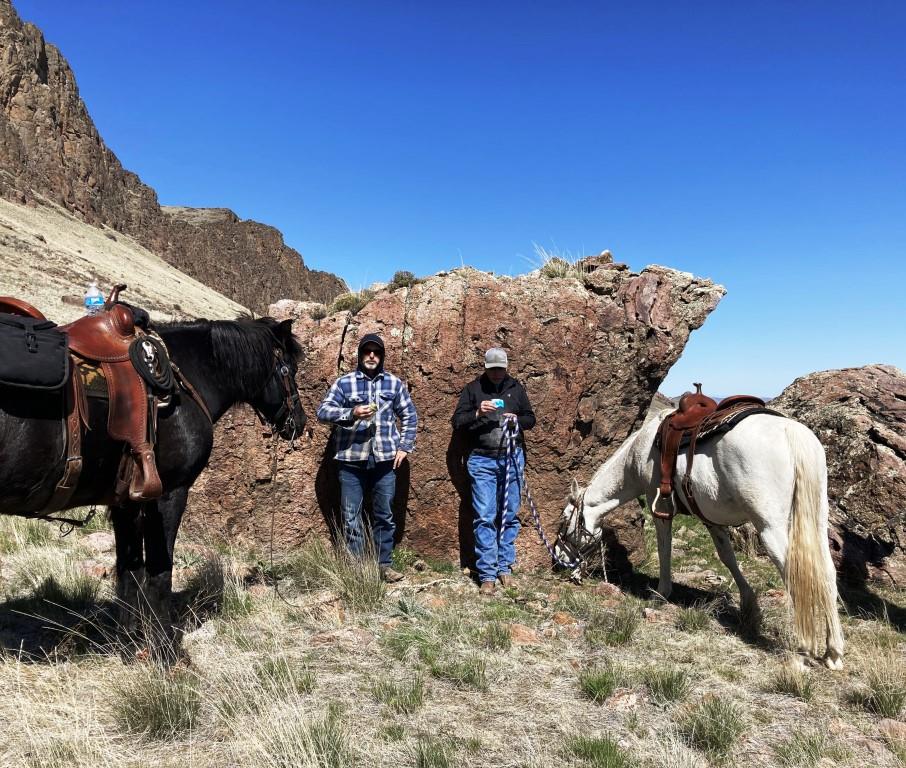
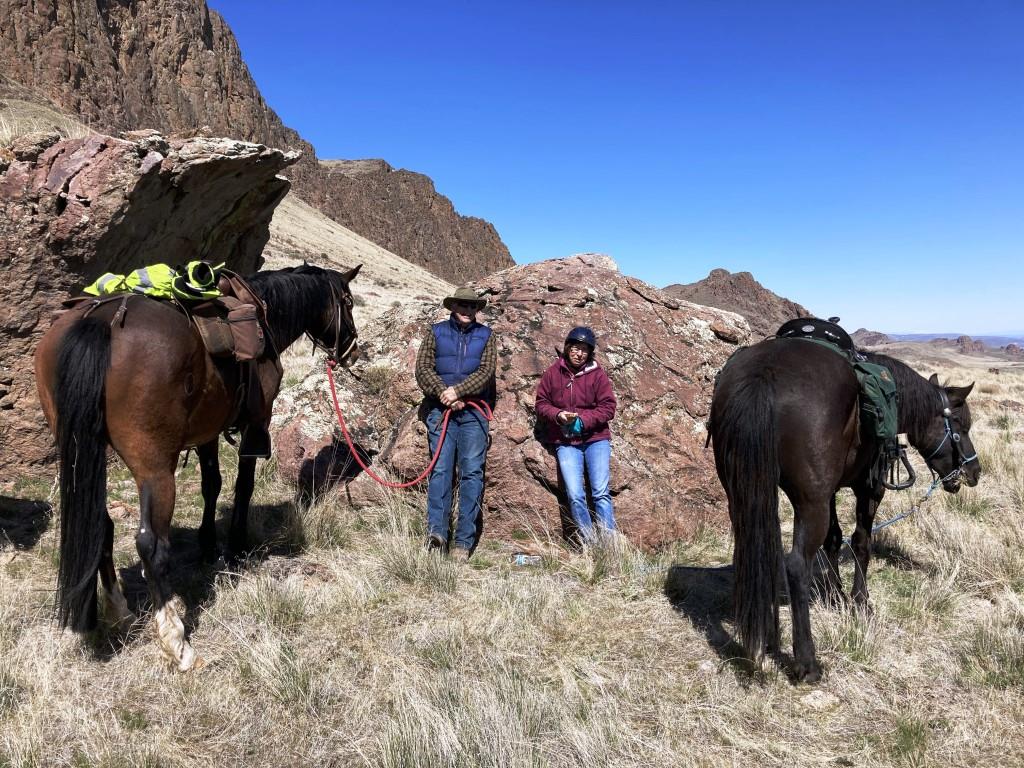
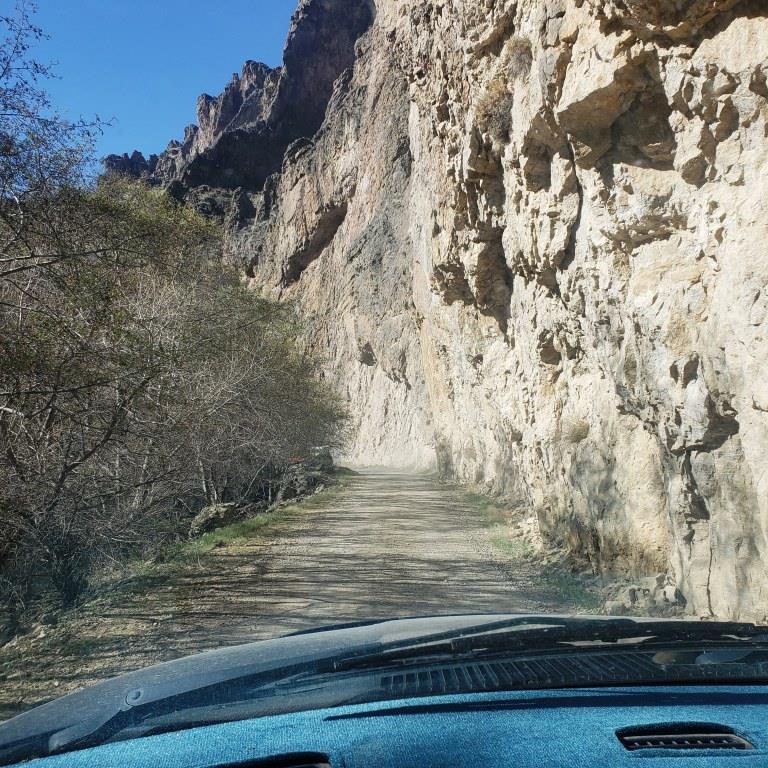 On a brisk and sunny Sunday Morning, 14 members met at the Homedale High School parking lot and then convoyed to the state park trail head. Succor Creek road is 15 miles of gravel that was for the most part in excellent shape with a few sections of washboard.
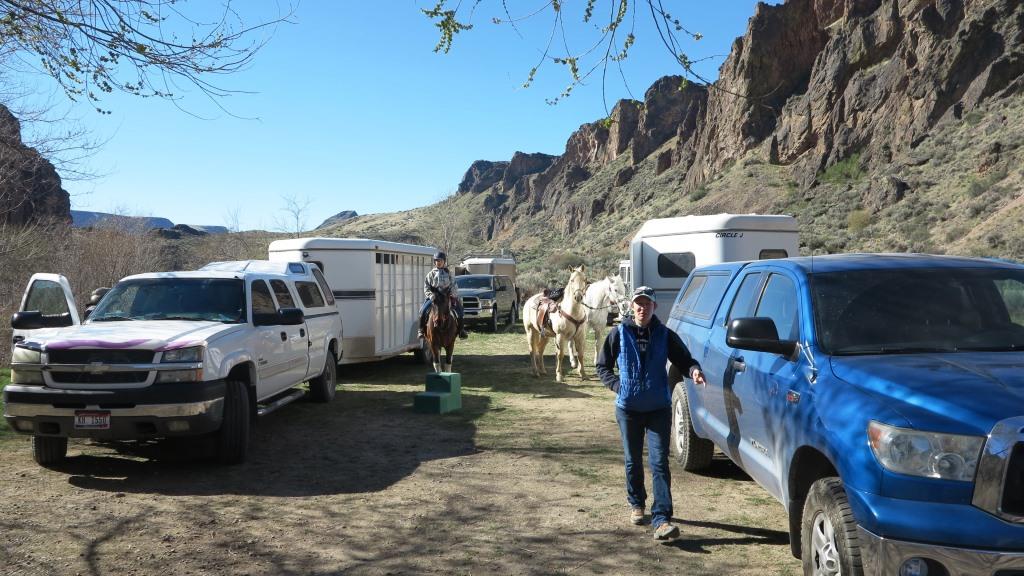

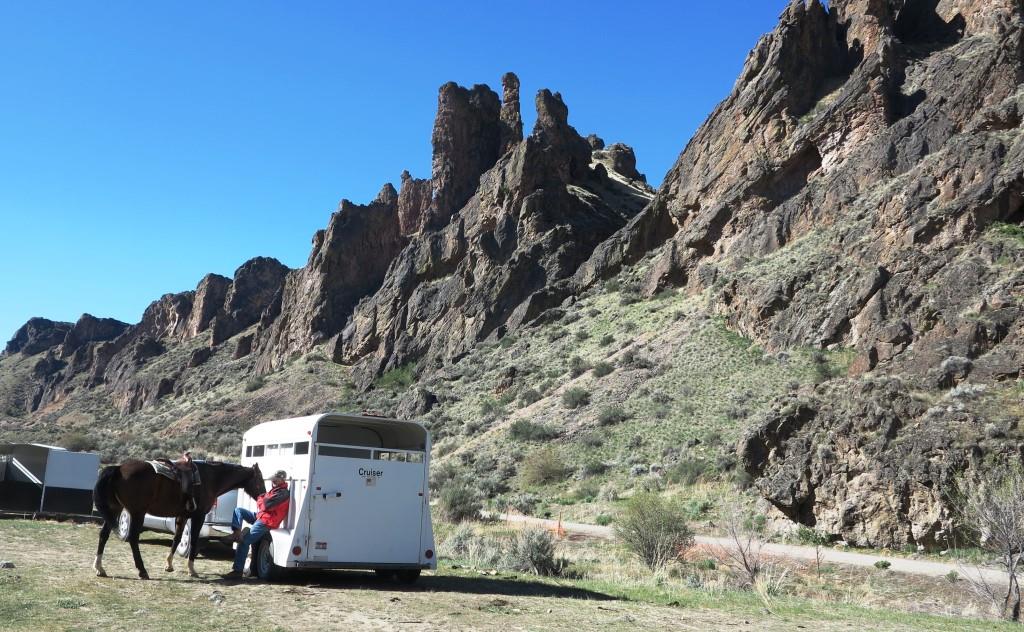
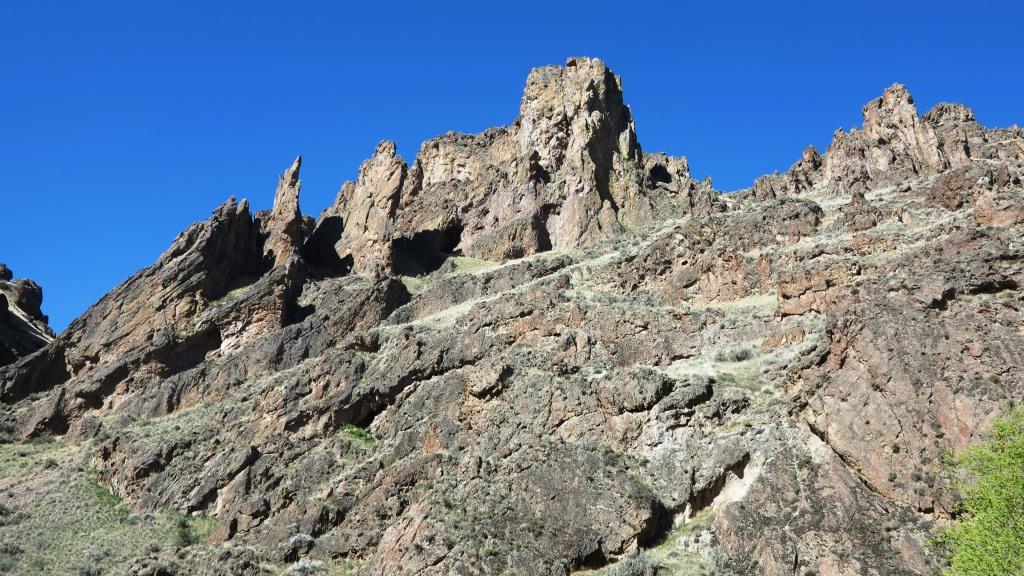 By 10:45 we were all saddled and ready to go, the air had warmed a bit and the wind was still lite.
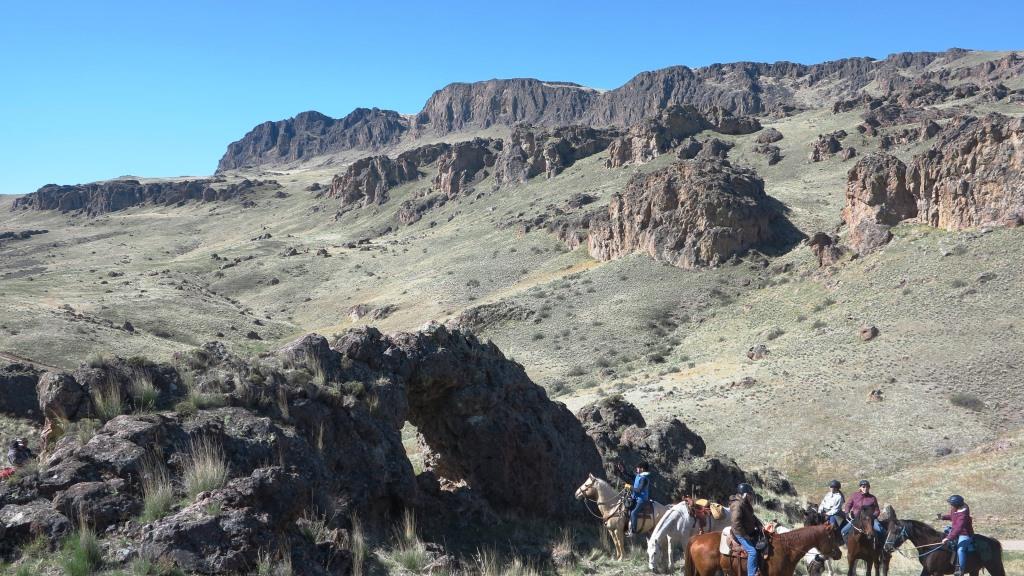
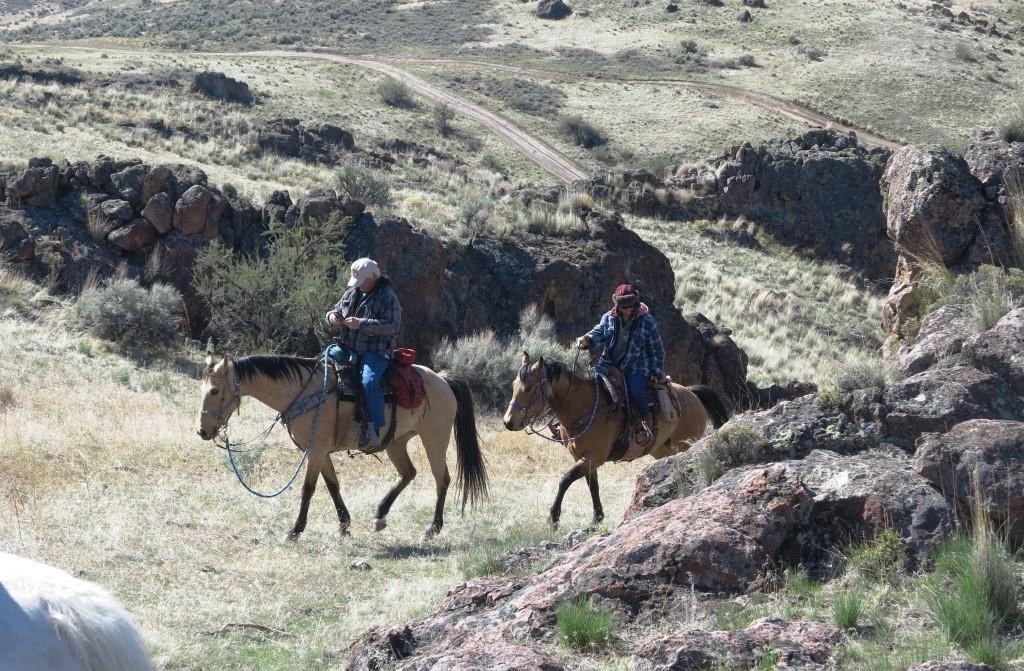

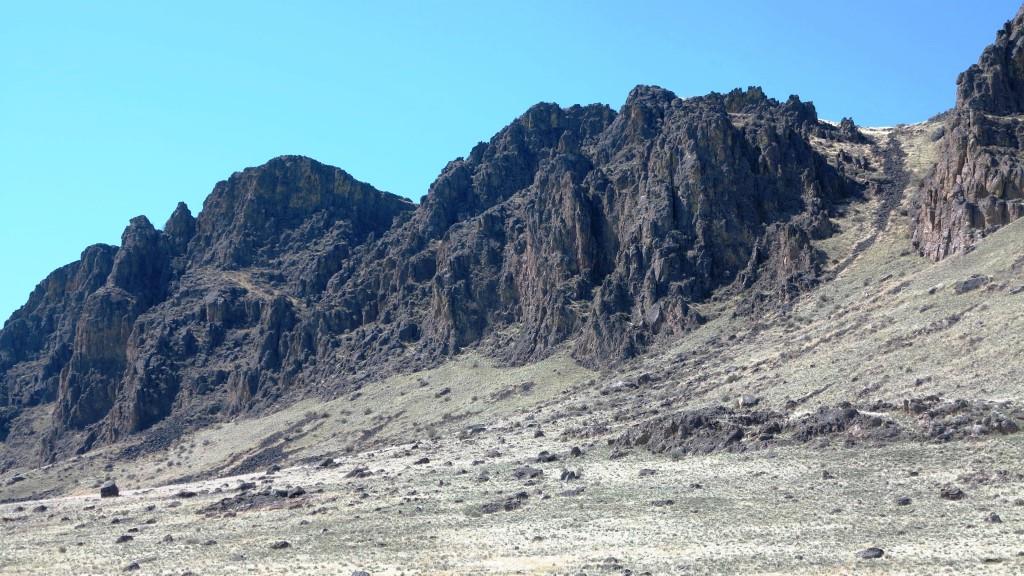
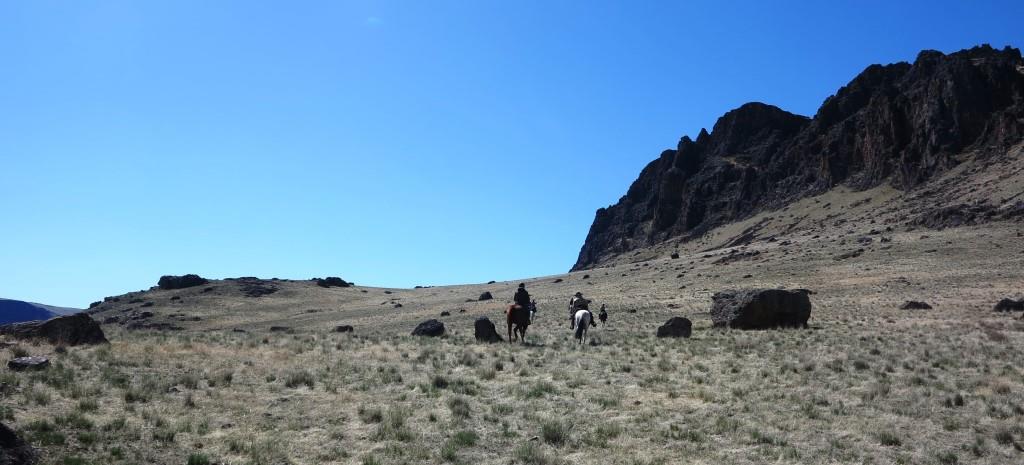
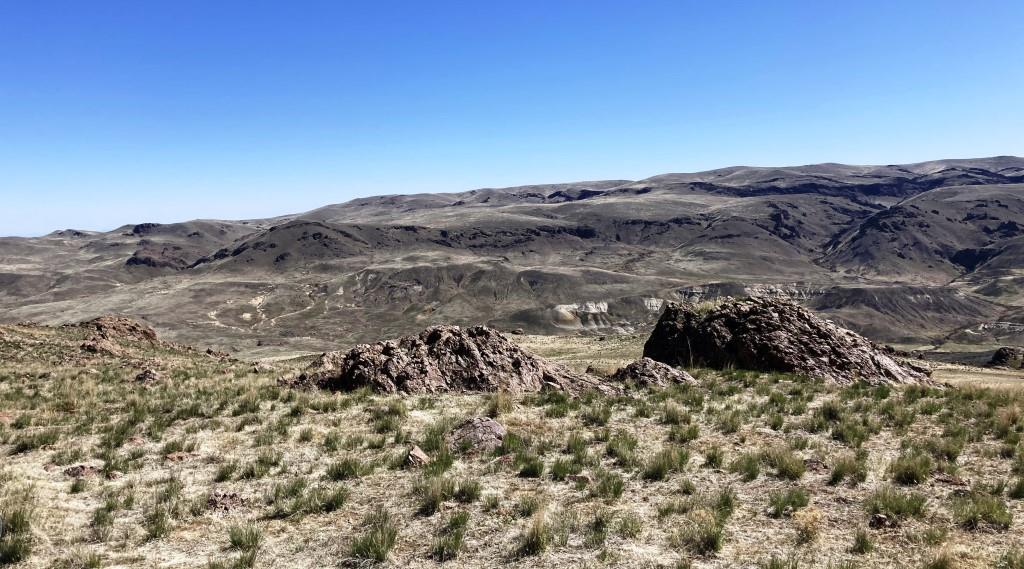
Tom and Sherry noticed a bridge rock formation that we all rode up a hill to view closer. After a number of pictures were taken we continued up to a bench. The wind was picking up so we rode near the rocked, which acted as a poor windbreak.

NYT – April 7, 2021 by Ali Watkins
Inexperienced adventurers have flooded remote areas like Wyoming’s Sublette County during the pandemic. When they call for help, the task is left to an overwhelmed network of volunteers. LINK to Audio
PINEDALE, Wyo. — Kenna Tanner and her team can list the cases from memory: There was the woman who got tired and did not feel like finishing her hike; the campers, in shorts during a blizzard; the base jumper, misjudging his leap from a treacherous granite cliff face; the ill-equipped snowmobiler, buried up to his neck in an avalanche.
All of them were pulled by Ms. Tanner and the Tip Top Search and Rescue crew from the rugged Wind River mountain range in the last year, in this sprawling, remote pocket of western Wyoming. And all of them, their rescuers said, were wildly unprepared for the brutal backcountry in which they were traveling.
“It is super frustrating,” said Ms. Tanner, Tip Top’s director. “We just wish that people respected the risk.”
Such operations within the parks are handled by the National Park Service. Outside those boundaries, search-and-rescue missions fall to volunteer groups like Tip Top, which since 1980 has policed the harrowing Wind River mountain range, about an hour southeast of Jackson. After decades as a well-kept wilderness secret, reserved for only the most experienced outdoor enthusiasts, a pandemic-era mainstream has now discovered this rugged stretch of Wyoming.
“They come here and they’re like, ‘It’s beautiful, it’s a big open space.’ And it is,” Lesta Erickson, a Tip Top volunteer, said. “But it’s also dangerous.” READ MORE
RSVP – Sign up for one or all of the events
April 15th 6:30PM – 7:30PM MST
CONGRESS, CONSERVATION, AND COMPROMISE: CHAMPIONS OF THE FRANK WITH SPECIAL GUESTS LARRY LAROCCO AND ROB MASON
Join SBFC as we talk with former Congressman Larry LaRocco and Central Idaho Representative for The Wilderness Society Rob Mason about the establishment of the Frank Church-River of No Return Wilderness. Many people know the Frank as a beloved wilderness area, but not as many know the history behind championing this Wilderness designation. Learn about the legislative leg work to advance the Wilderness proposal into law during the 1970’s and 80’s, and the compromises that were made to accomplish such a feat. Senator Frank Church’s legacy lives on in these wild lands, and it is thanks to the hard work of many to ensure that the legacy of Wilderness lives on for generations to come.
Larry LaRocco is the former Director of Senator Frank Church’s North Idaho office, former two-term US House representative (1991-1995), and board member of the Frank Church Institute.
Rob Mason joined The Wilderness Society in September 2013 as the Central Idaho Representative and works on land protection efforts with communities and local stakeholders in the state.
April 22nd 6:30PM – 7:30PM MST
PORTALS TO THE PAST FEATURING AUTHORS AND WILDLIFE BIOLOGISTS JIM & HOLLY AKENSON
Jim & Holly Akenson spent 21 years living in the remote wilds of the Frank Church Wilderness area at Taylor Ranch, and will give us an intimate view of the people who have lived, loved, and survived in the wild Frank. Hear firsthand about the Akenson’s experiences while living in this remote place and how their archaeological and biological research painted a rich tapestry of the deep and unyielding history of the Frank. From the Indigenous peoples who stewarded these lands for millennia, to homesteaders and modern research stations, learn something new about the ever-changing landscapes and communities that reside within these 2.3 million acres.
April 29th 6:30PM – 7:30PM MST
THRU-HIKING THE ICT: 982 MILES OF SOLITUDE
Lisa and Jeremy Johnson spent 51 days hiking the 982 miles of the Idaho Centennial Trail through some of the most remote terrain in the lower 48, including a 200-mile section of the Frank! Hear their tales from the trails—through the Frank and beyond—and learn how they survived trekking the length of Idaho. Throughout these 982 miles Lisa and Jeremy crossed through some of the most treacherous landscapes, including a challenging corridor called Marble Creek, a narrow canyon trail where trails disappear into the creek and bushwhacking is a fact of life. It also happens to be SBFC Executive Director Sally Ferguson’s favorite trail in the Frank, and a portion of the ICT that SBFC has worked to steward since 2012. Sally will give you the scoop on the work we do to protect and preserve these portions of the ICT for those brave enough to get out there!
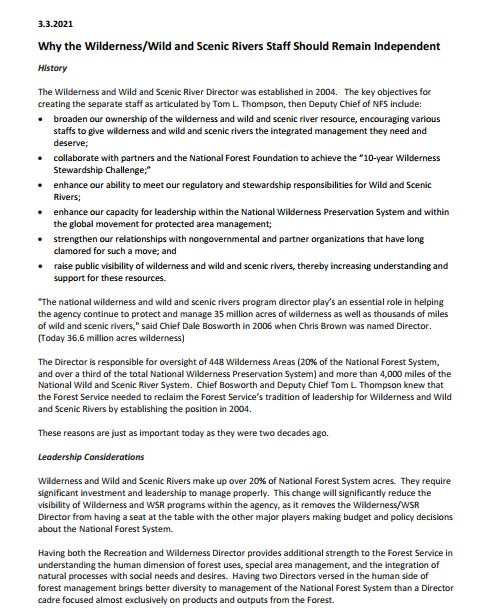
Heather Provencio will serve as acting Director, Wilderness and Wild and Scenic Rivers. She is currently the Forest Supervisor of the Kaibab National Forest in Kaibab, Arizona, serving in this capacity since 2015. Heather brings more than 15 years of leadership experience as a line officer serving as deputy forest supervisor of the White River National Forest in Colorado; district ranger on the Red Rock Ranger District, Coconino National Forest in Arizona; and various acting positions as deputy forest supervisor or district ranger. Heather works across boundaries and identifies opportunities thru improving and enhancing land management planning, promoting wild and scenic river stewardship, and cultivating wilderness ethic and leave no trace. Heather’s formalized training started as an archaeologist and she joined the Forest Service as a co-op student in 1999. Heather earned a Bachelor of Science and a Master of Science in Anthropology from Northern Arizona University.
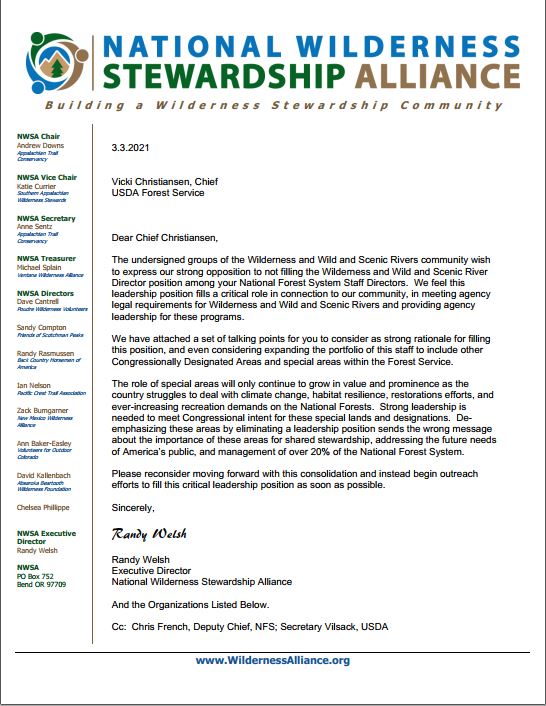
NWSA and other Wilderness, Wild and Scenic River Organizations Support Permanently Filling the Wilderness Director position
View our Letter of Support for permanently filling this critical position.
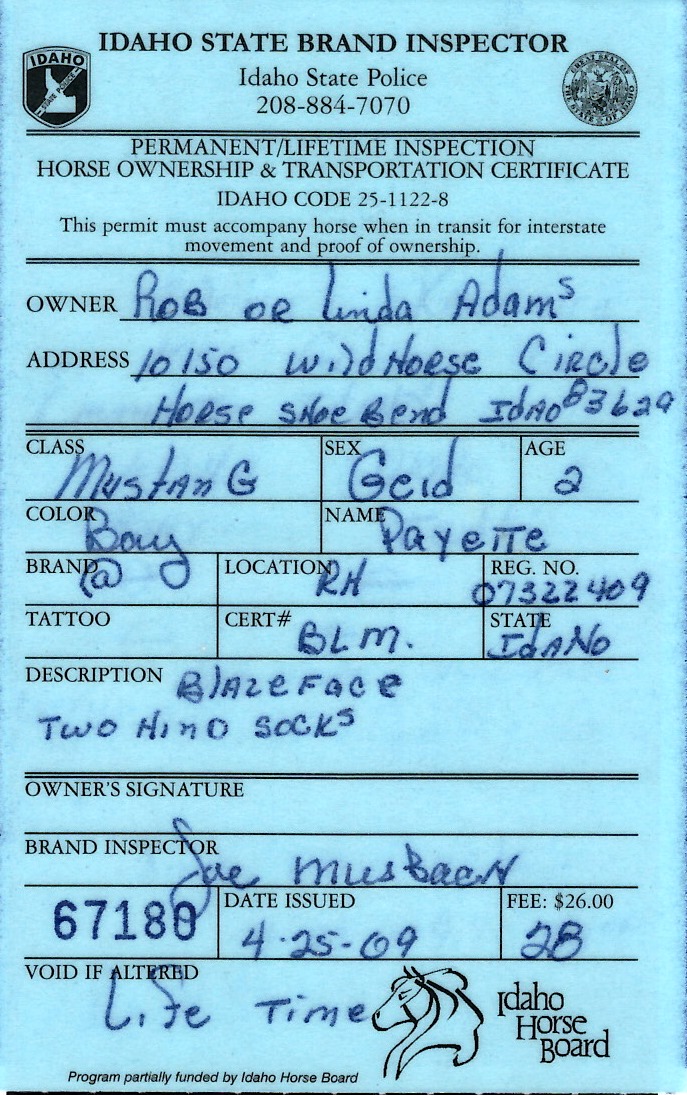

 A brand inspection is required when:
• Ownership changes in any manner
• Leaving the State of Idaho
• Going to slaughter
Generally, it is the responsibility of the “Seller” or “current owner” to obtain the brand inspection and pay the appropriate inspection fees.
Always ask for a brand inspection when buying livestock! If the seller issues you a “bill of sale” instead, make sure the bill of sale is valid, and you call for a brand inspection within 10 days from the date of sale. In this case, the buyer will also be responsible for getting a brand inspection within 10 days and paying the brand inspection fees.
If you accept a bill of sale in lieu of a brand inspection certificate, and the animal is carrying a brand not recorded to the person who issued the bill of sale, then you could very well have to clear that brand before a brand inspection could be done.
Not obtaining a brand inspection when required by the Idaho brand laws is considered an infraction for the first offense and a misdemeanor for the second offense, punishable by a fine not to exceed $300 and or six months in jail. https://isp.idaho.gov/brands/

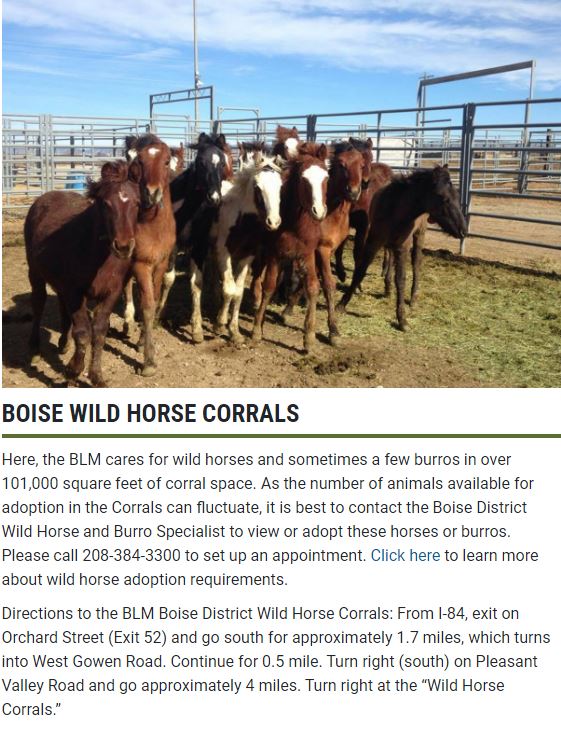
HOW TO ADOPT OR PURCHASE A WILD HORSE OR BURRO
The BLM maintains a network of permanent off-range corrals and hosts hundreds of off-site adoption events each year to find homes for excess animals. Qualified adopters must meet standard requirements for owning and caring for a wild horse and burro, including specific facility parameters to ensure the safety and health of the animals. Purchasers must meet other requirements as well and certify they will provide a good homes to their purchased animal. In general, whether adopting an animal at an off-site event or purchasing one from a permanent off-range corral, prospective owners should follow the steps outlined below. To adopt or purchase an animal over the Internet, visit the Wild Horse and Burro Online Corral.
1. Requirements: Ensure you meet the standard requirements for adopting or purchasing a wild horse or burro. You can find requirements in the Important Documents section of this webpage. Visit our Sales Program page for information on the process to purchase a sale-eligible wild horse or burro.
2. Find an event or location near you: Contact your preferred off-range corral location or make plans to visit an upcoming off-site adoption event near you. Each facility may have additional requirements beyond what is stated in the application; it is recommended that you contact your preferred corral and visit the facility’s website for more information. The BLM also hosts periodic adoption/sale opportunities on the Online Corral.
3. Application: Complete an adoption application or sales application and mail/fax it to your local BLM office, or bring it with you to the appointment or event. You will also be able to complete an application at the facility or onsite at the event or facility.
4. Appointment: Arrive at the facility for your appointment or visit the event during the stated hours for viewing and adopting/purchasing animals.
5. Pick-up: Arrange for payment and pick up of your wild horse or burro directly from the facility or event. Generally, the new owner is responsible for all transportation costs for the animal. If you are unable to provide transportation from the facility, consider adopting or purchasing an animal during a scheduled competitive bid event on the BLM’s Online Corral, which may have a drop-off location that is more conveniently located.
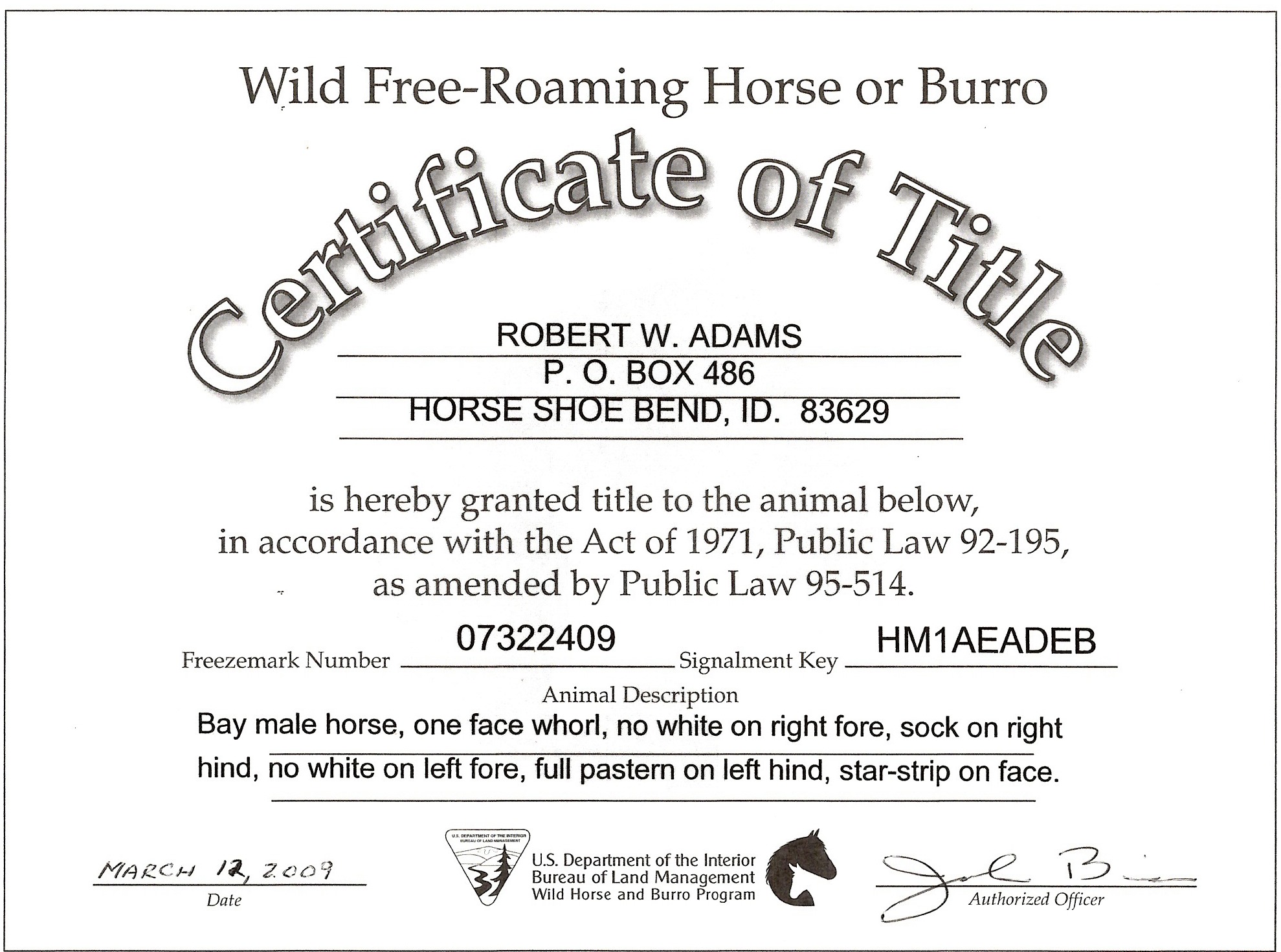
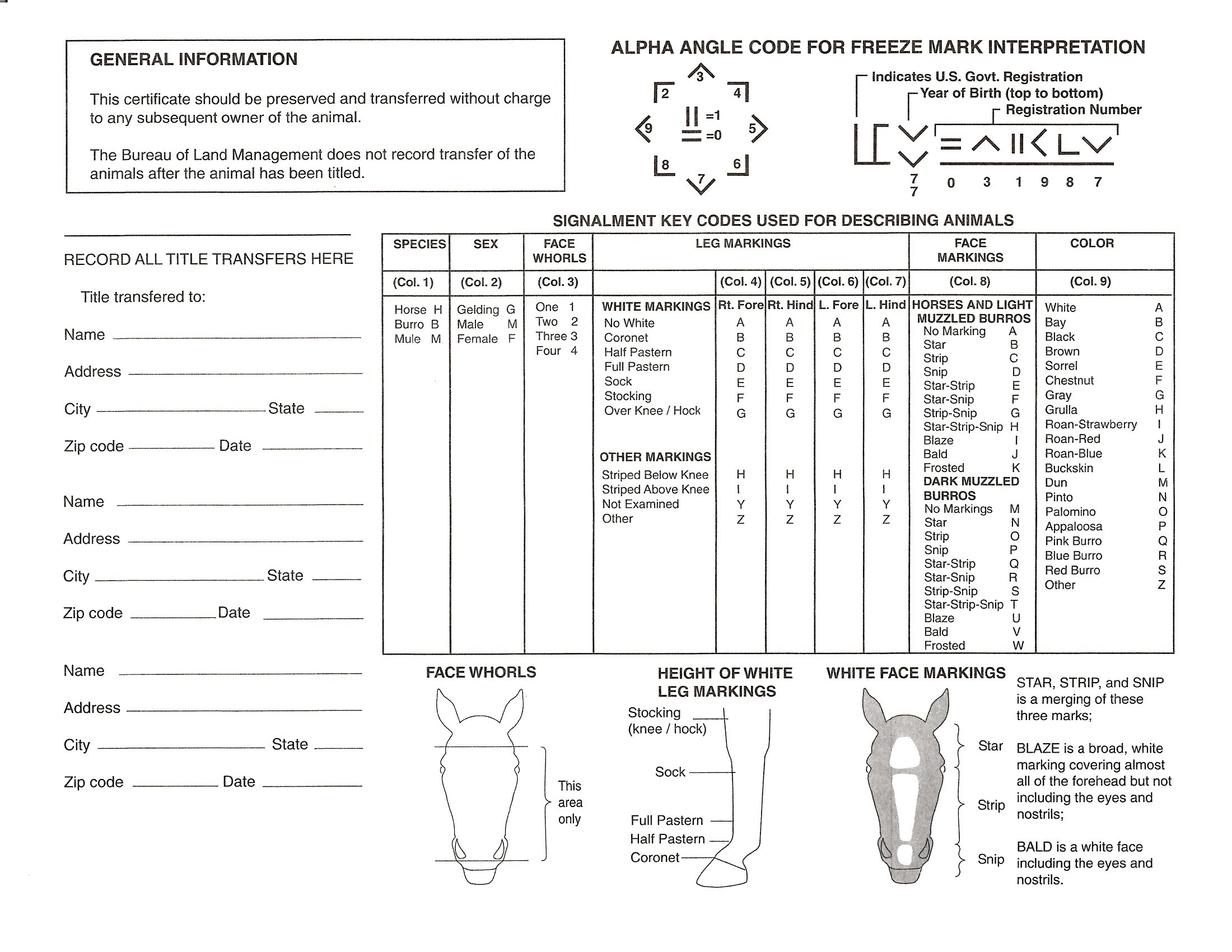
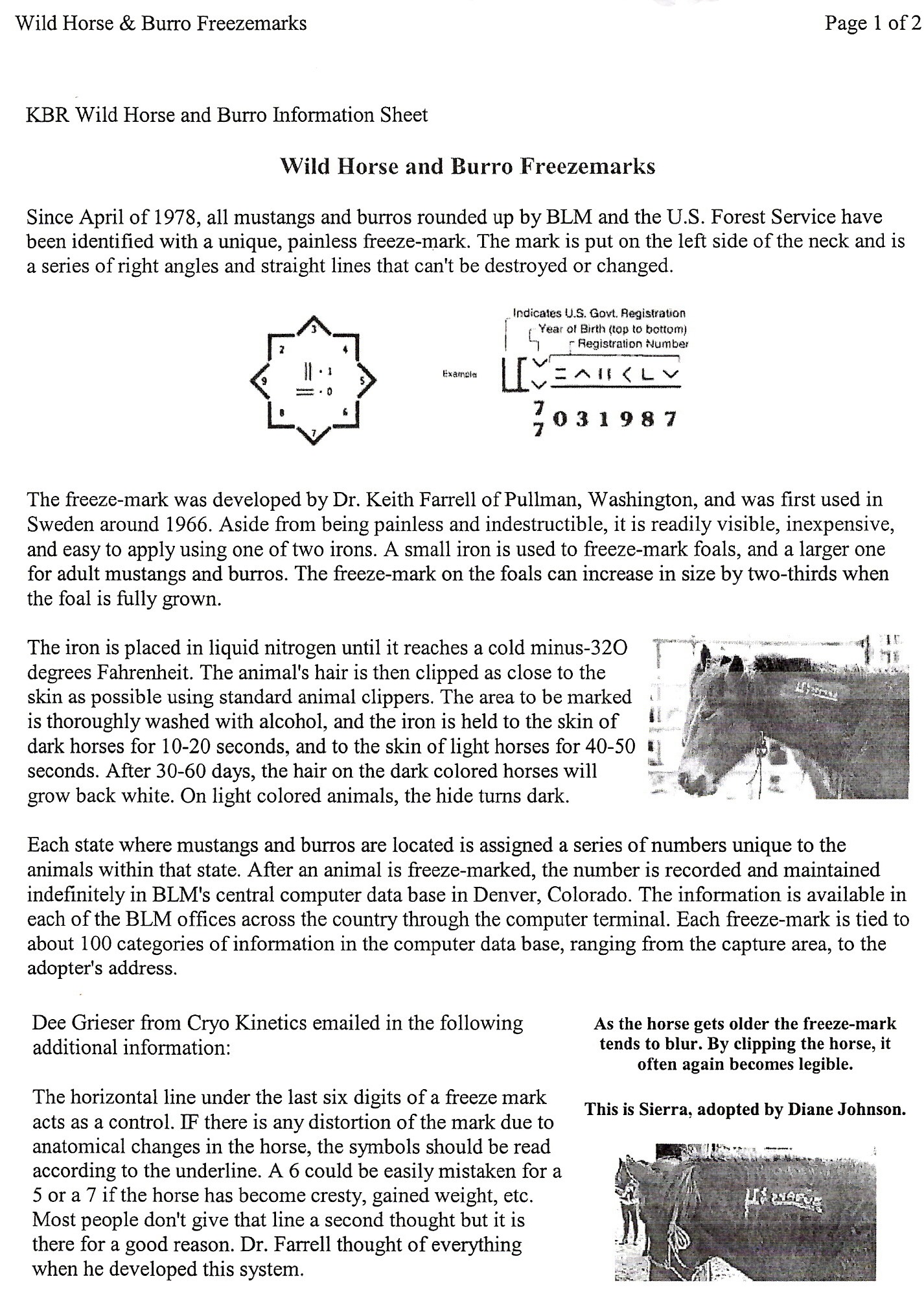

GENOTYPING AND BREED TESTING
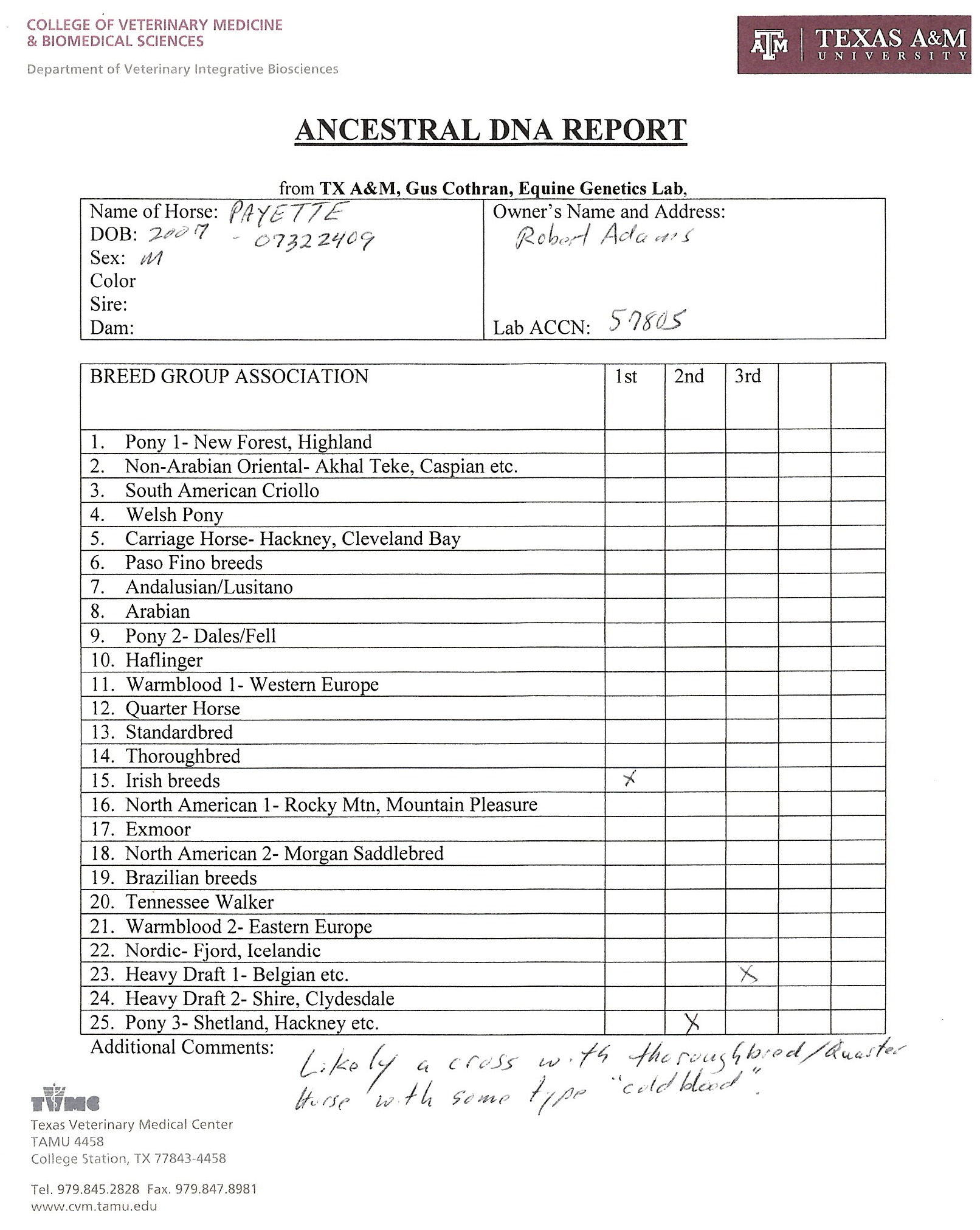
We do not offer ancestry testing for dogs, cats or any other species – just horse.
Ancestry testing is $50 per animal, payable by check/money order made out to Texas Agrilife Research – VTAN.
Our turnaround time is two weeks once the sample is received in the lab for testing.
Download the Horse ancestry submission form here.
The modern horse was re-introduced to the Americas by Spanish explorers. The earliest horses to reach North America were of Spanish origin. Although horses from other parts of the Europe were subsequently introduced, some New World populations maintain characteristics ascribed to their Spanish heritage. There are more than 58 million horses in the world, with more than 10 million horses in the United States of America (FAO 2013 data). It is difficult to calculate exactly how many horse breeds there are as the Domestic Animal Diversity System lists 1549 horse breeds, however many countries list same breeds like Arabian, Thoroughbred and etc. so that some breeds are counted more than one time. The Department of Animal Sciences – Oklahoma State University maintains a website that lists over 200 breeds alphabetically, International Encyclopedia of Horse Breeds by Hendricks (1995; 2007) describes nearly 400 breeds but estimates there are well over 600.
Throughout the years we collected and genotyped an extensive number of horse breeds and populations from around the world (see selected publications), however to represent our reference panel for ancestry testing we selected 50 breeds that are most common for the North America and also represent the major horse groups: draft horses; ponies; Oriental and Arabian breeds; Old World and New world Iberian breeds. Selected breeds are more probable to be the ancestors of current horses in North America and it would be unreasonable for us to use rare or endangered breeds like Waler (Australia), Timor pony (Timor Island), Cheju horse (a southern island of Korea), Namib horse (Africa), Tushuri horse (Georgia) or Pindos (Greece) and etc. Also some North American breeds are not on the list, – example: Appaloosa, American Paint horse, because registries are open or partially open and allow crossbreeding. Mustangs are also not on the breed list as it is now primarily a feral horse found in the western United States and managed by Bureau of Land Management (BLM). Originally mustangs were Spanish horses or their descendants, however throughout the years they had influence from many different horse breeds. There are several mustang registries, but overall there is just too much complexity to consider them in breed ancestry analysis.
Area bird lovers asked to temporarily remove and clean bird feeders due to a suspected outbreak of salmonellosis
Wild birds that frequent feeders in the winter can be especially susceptible to disease outbreaks of salmonellosis, due to the large numbers of birds coming to feeders.
Outbreaks associated with bird feeders may cause high mortality across large geographic areas. Currently, this outbreak is affecting wild birds in Idaho, Oregon, California, Washington, and even into British Columbia, Canada.
In an effort to reduce the potential transmission of salmonellosis locally, Idaho Fish and Game recommends that those who have bird feeders in their yards temporarily discontinue all feeding of wild birds for at least a few weeks.
 “Although stopping feeding may seem like it will harm birds, in reality, they use feeders as just one source of food and will quickly disperse to find other food sources and in so doing, reduce transmission of this disease at feeding sites,” says Idaho Fish and Game’s Regional Diversity Biologist Tempe Regan.
Even in years where disease outbreaks don’t occur, regular deep-cleaning of bird feeders is important to minimize any kind of disease spread.
“If you enjoy feeding birds, sanitation is critical and it is your responsibility to ensure your feeders are not facilitating disease transmission,” Regan says.
While bird feeders should always be cleaned on a regular basis with warm soapy water, a more rigorous cleaning is required during suspected outbreaks of salmonellosis.
Feeders should be cleaned with a 1 to 10 ratio of household bleach to water. After soaking in the bleach solution, feeders should be rinsed and dried before refilling with seed. Cleaning the area around and under feeders regularly by raking up discarded shells and droppings is also encouraged.
All birds that frequent bird feeders can be susceptible to salmonellosis, which is transmitted through the droppings and saliva of sick birds. Birds infected with salmonellosis can exhibit symptoms such as ruffled feathers, lethargy and diarrhea, and can appear very emaciated. Eventually, infected individuals will succumb to the disease and you may notice dead birds at or under feeders or under trees nearby.
“These disease outbreaks occur every few years, and 2021 just happens to be one of those years,” Regan says. “Salmonella exists at some baseline in the wild populations and when conditions are just right, the disease will flare up.”
This year in the Northwest, large flocks of Cassin’s Finches, Grosbeak species, Common Redpolls, American and Lesser Goldfinches, Pine Siskins and other members of the finch family, are wintering at lower, more southerly elevations and are frequenting backyard feeders. According to Regan, with this large influx of finches, a bird group notably susceptible to Salmonella, it is fairly natural that this outbreak would occur.
“And using bird feeders, while not directly causing the disease, can facilitate the spread,” Regan says.
Although uncommon, salmonella bacteria can be transmitted to humans through direct contact of sick birds or droppings. To avoid transmission to humans, people should take precautions when handling sick or dead wild birds, and when cleaning bird feeders or bird baths by wearing gloves and thoroughly washing their hands. Additionally, pet owners, especially those with cats, are encouraged to keep them inside to ensure they do not catch or consume sick birds.
For more information, contact the Salmon Fish and Game regional office at 208-756-2271.
BONNIE RICORD, 2013 WILDERNESS RANGER FELLOW
This article was first published in the Missoulian July 11, 2014 and was submitted to help mark the 50th anniversary of the Wilderness Act.
What comes to your mind when you think about college? Did your experience include large lecture halls, dining hall food, pulling all-nighters to prep for exams, or maybe one too many nights of partying? When you think of your college-aged self, what would you tell them?
Well, since I’m 21, I don’t have the advantage of having quite the distance or life experience away from my university years to give myself advice – heck, I’m still in the thick of navigating class registration, renting my first apartment, and learning how to balance my social and academic commitments and interests. Like many a college kid, I’ve spent time wondering whether or not I am in the right major, and how there can never quite be enough time in the day to go to class, do homework, visit with friends, exercise, find jobs and internships, and manage to keep my clothes in a closet rather than strewn across the floor (from what I’ve heard, the concept of time just gets shorter and shorter with age). READ MORE




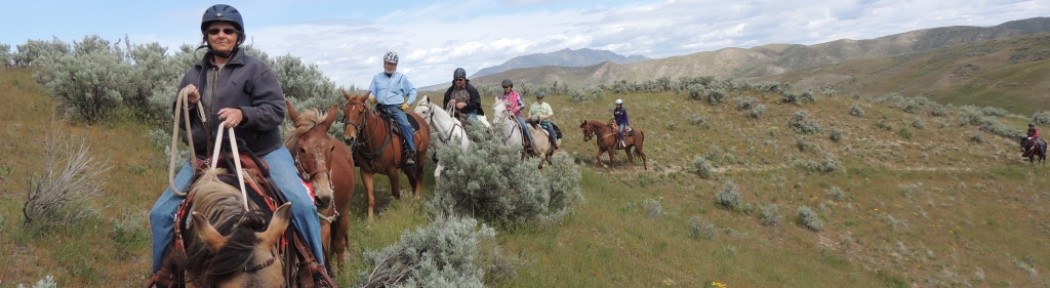
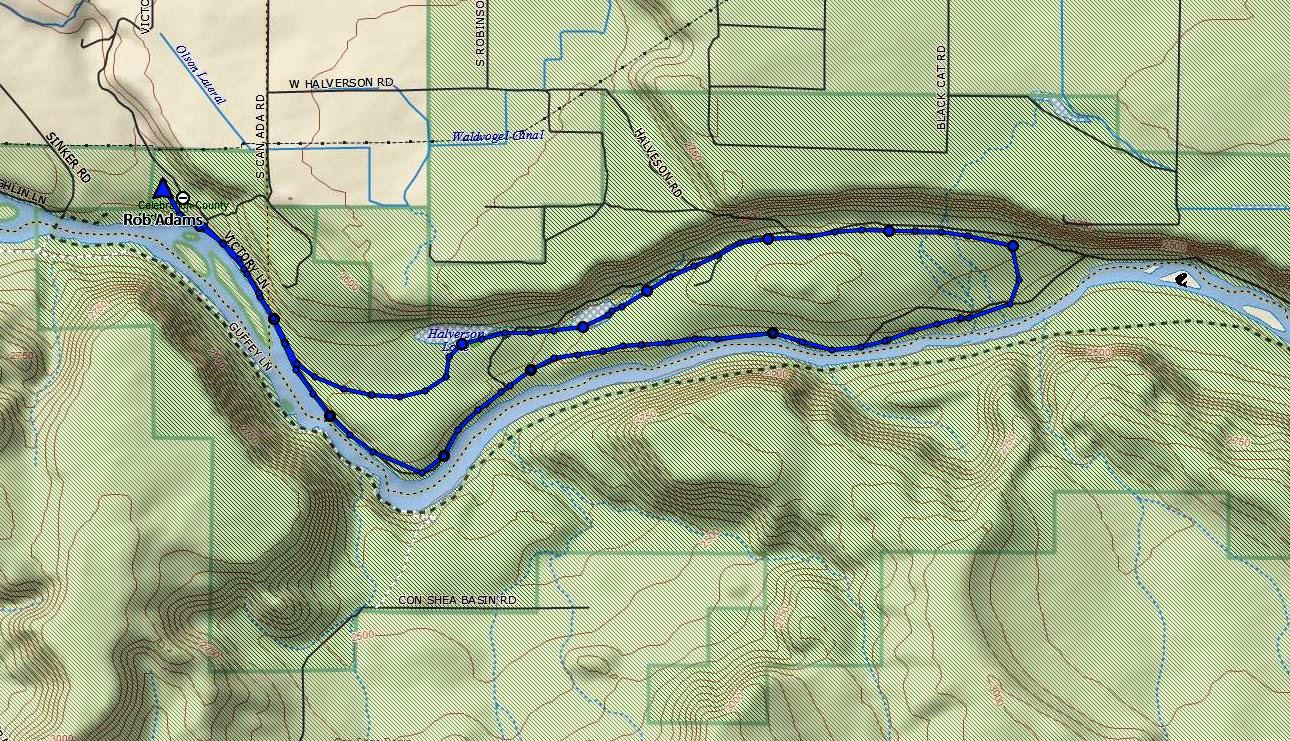 On a brisk and clear February 28th 18 members and guest from two chapters of Back Country Horsemen of Idaho met up in the trailer parking area of Celebration Park along the Snake River. As the morning warmed up riders tacked up and the first of the gnats started to show-up.
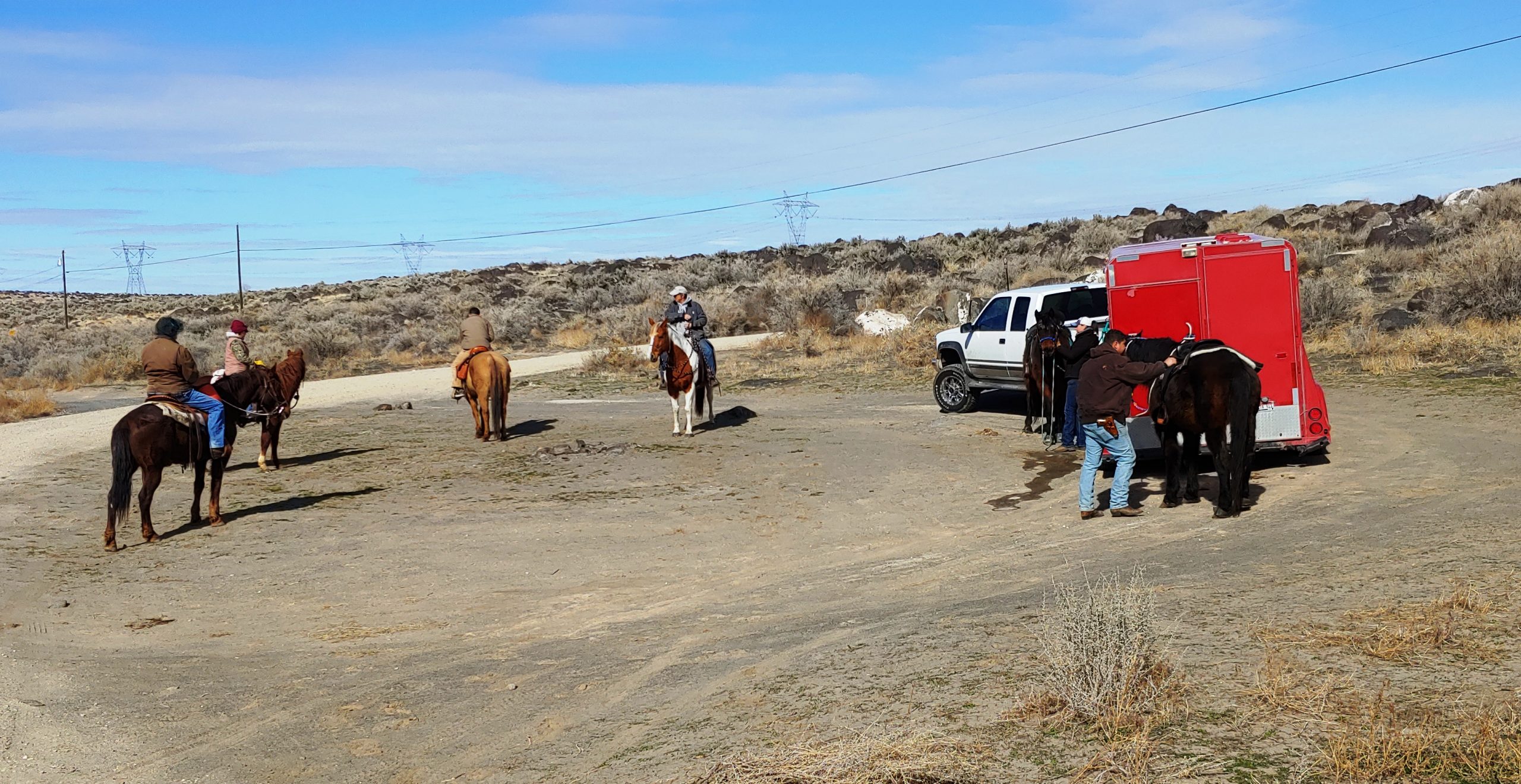
 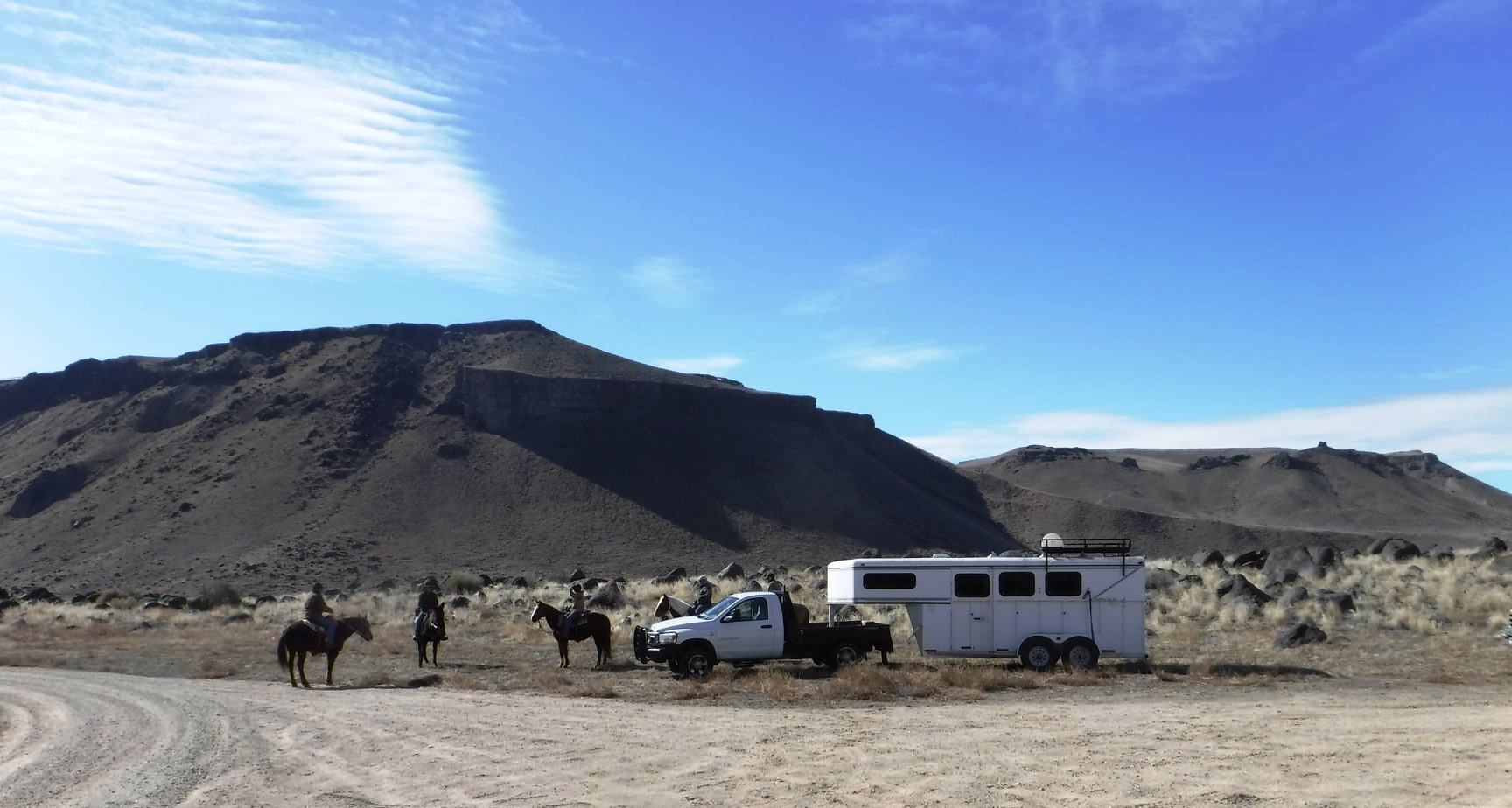 By 10:45 we were in the saddle and starting for the Birds of Prey area. New members Nikita Ward and Jeremy Matthews has parked their rig in the lower parking lot and some of the riders stopped while they got their stock ready, while other riders continued on. As it often the case in group fun rides like this one, the group quickly divides in to a number of smaller group and in this case chose different trails.
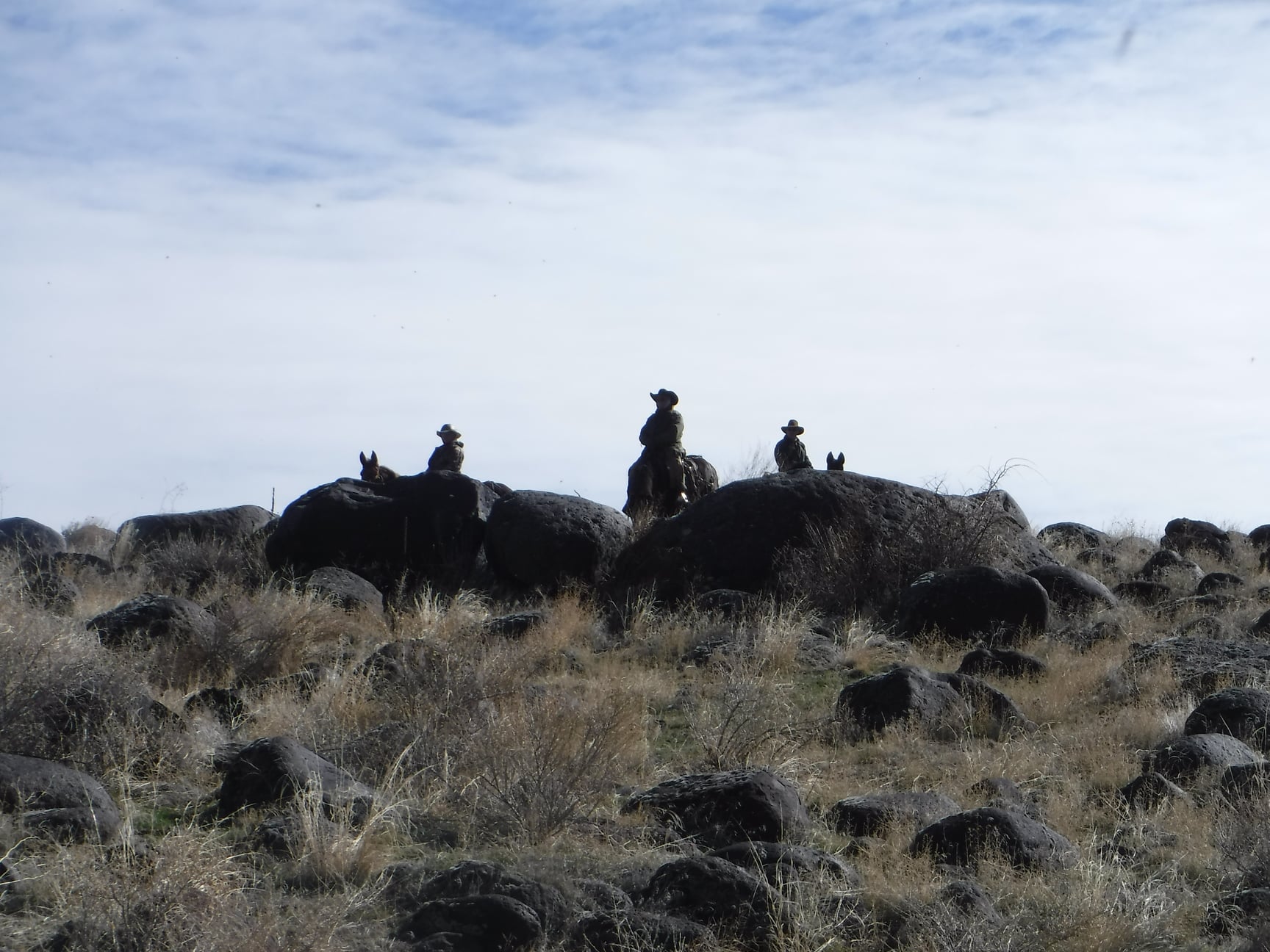
A group of mule riders from the Treasure Valley chapter chose a faint trail that headed up through some pretty large boulders along the cliff side of the park.
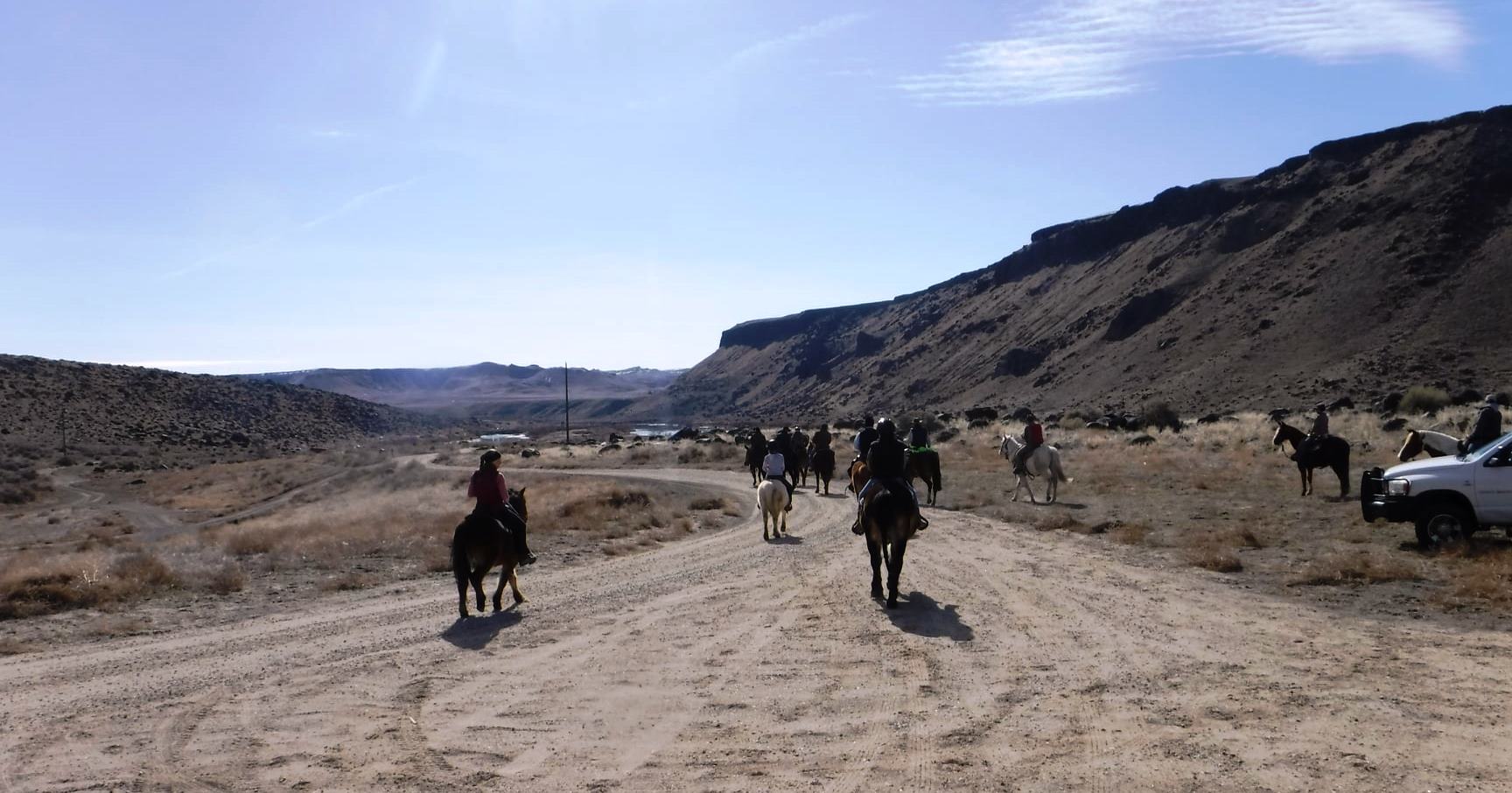
 While others chose the more traveled trails meeting a number of hikers.
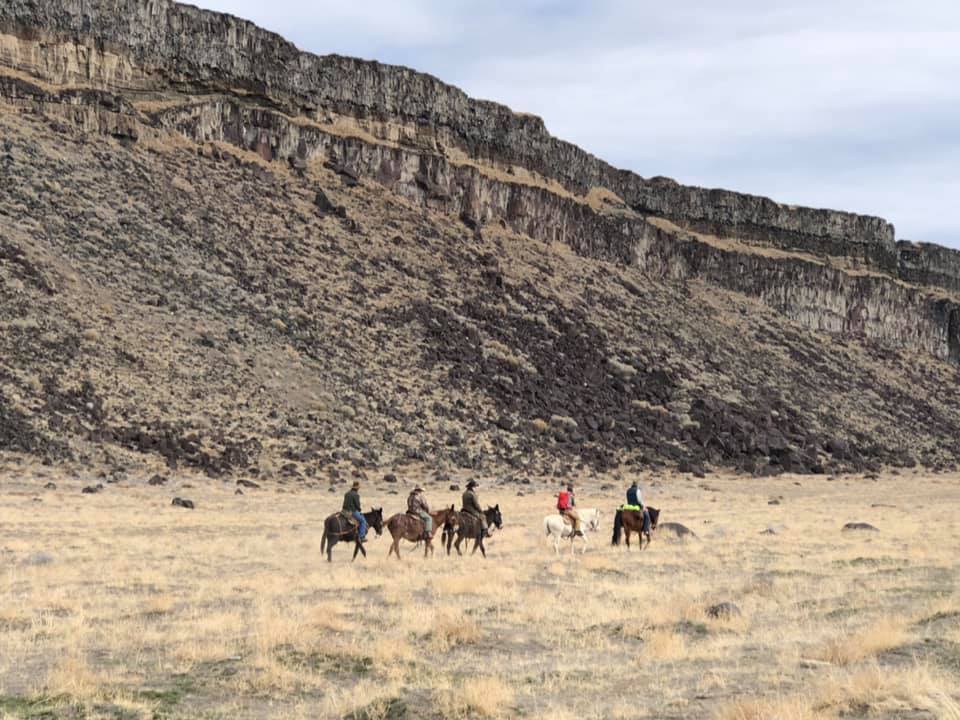
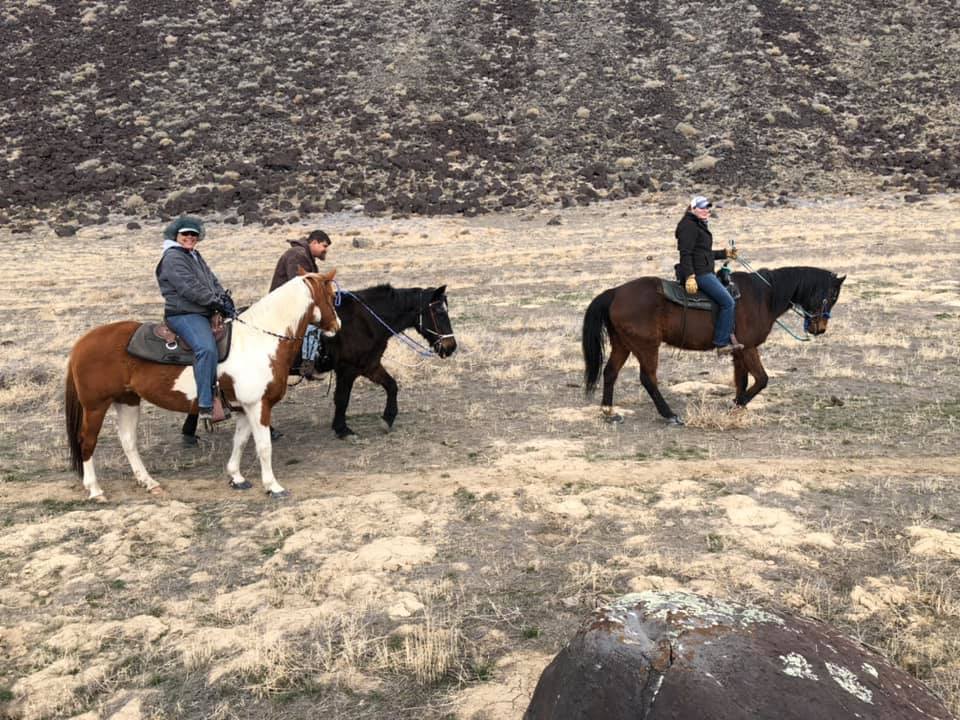 At the eastern end of the loop the group stopped at the old corrals for a stretch and a snake. A number of marmots were sunning on the rocks.
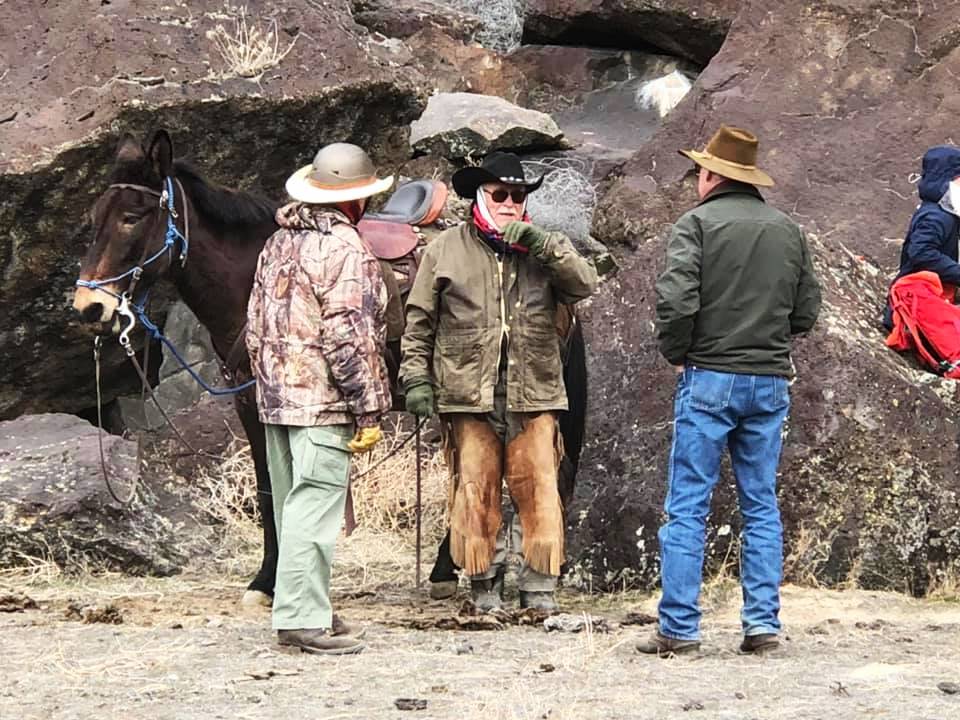
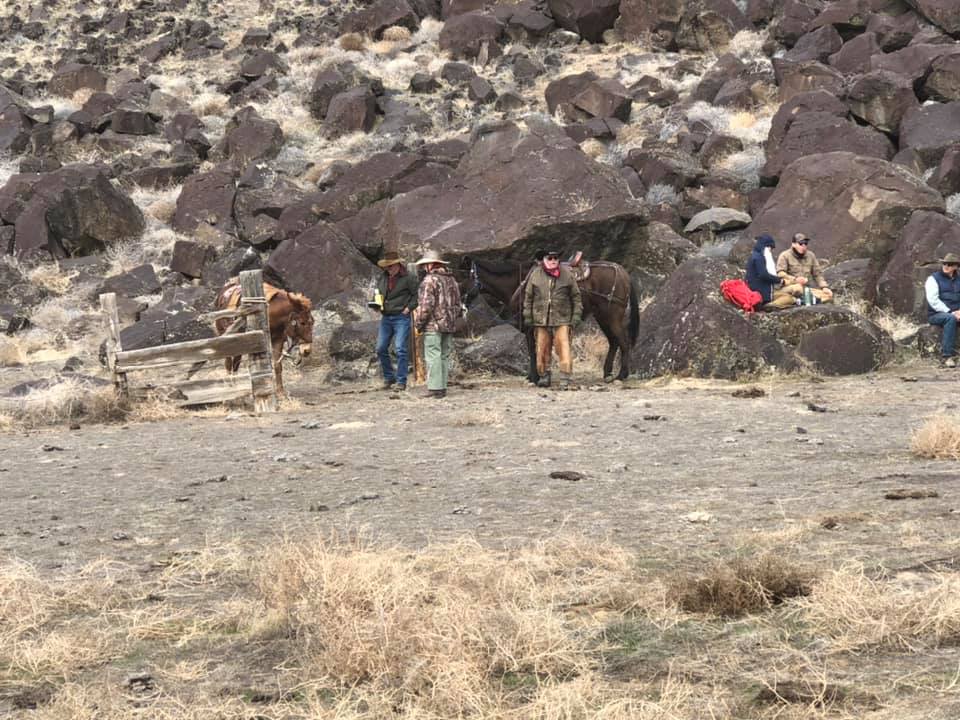
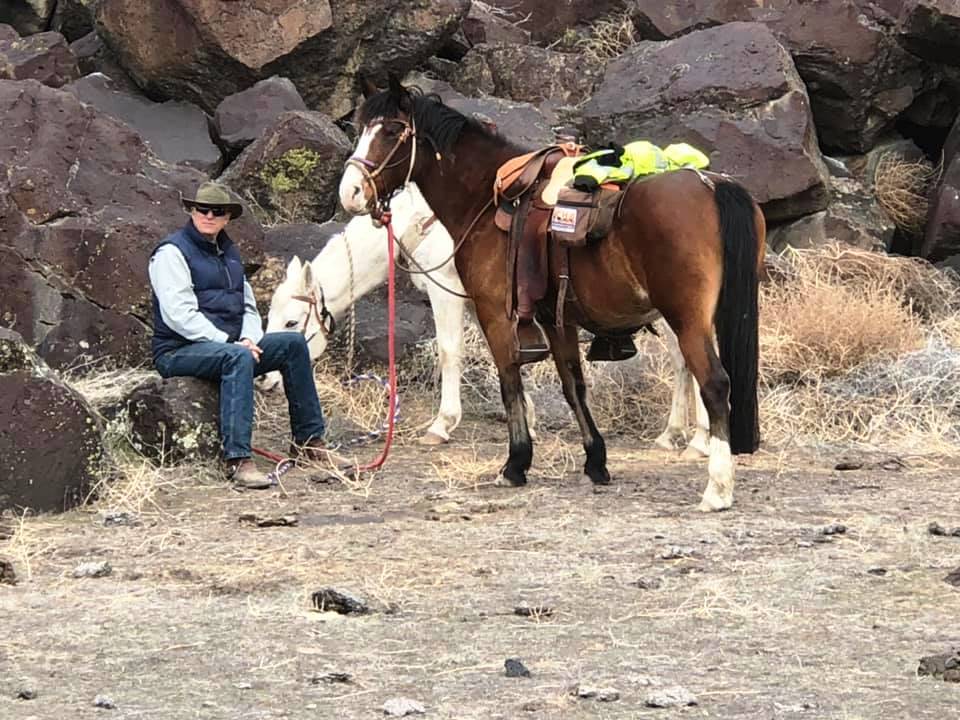 As the day progressed the sky became cloudy and a breeze picked up, which helped with the bugs. By 15:00 everyone was back to the trailers, stock was un-tacked and good bye said. All indicated that they enjoyed themselves and were looking forward to the next ride in March.
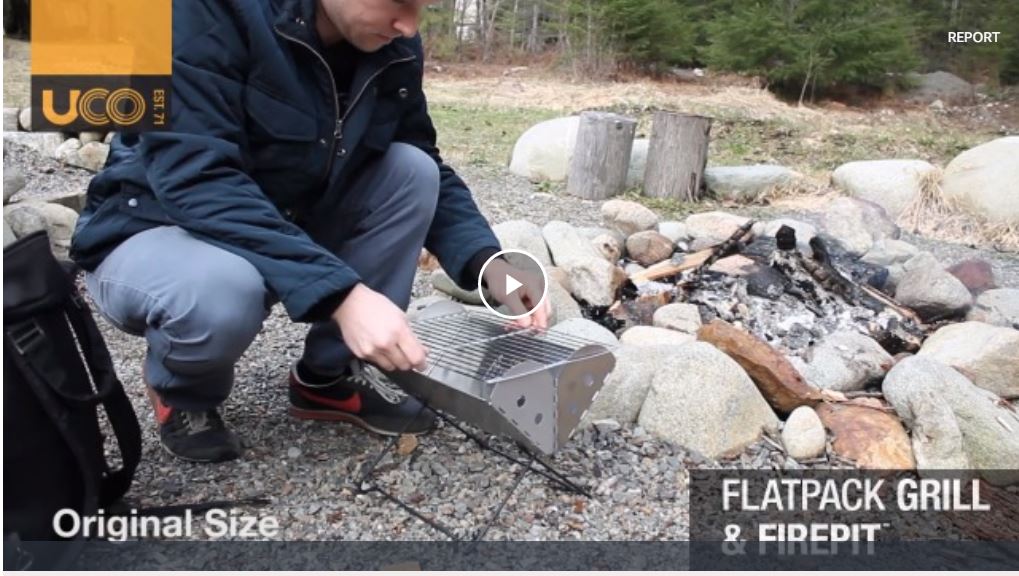
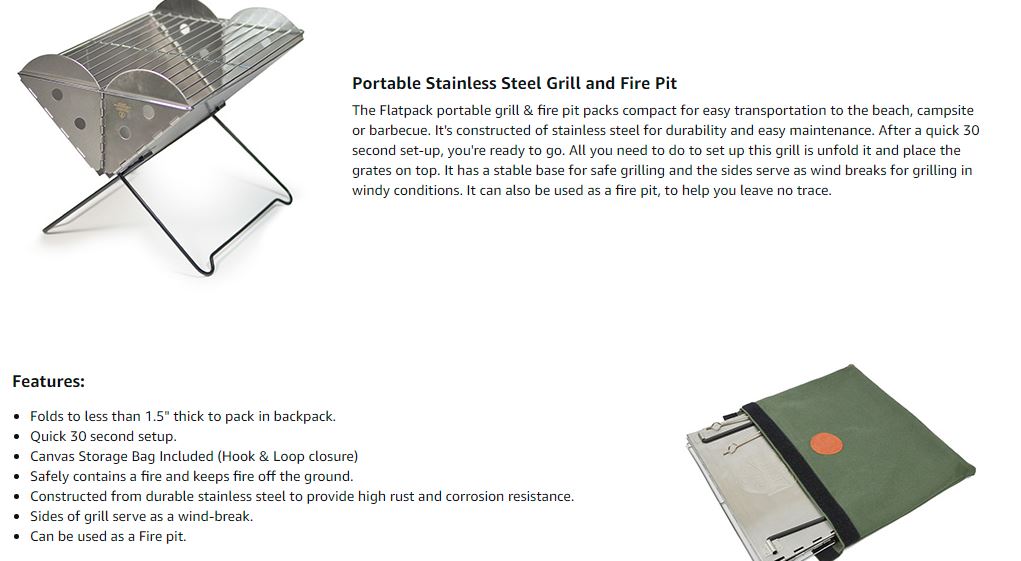
About this item
- Stainless steel grill folds to 1.5 inches thick and fits in a backpack; can be used as a fire pit; comes in regular or mini sizes (sold separately)
- Regular size features 13 x 10-inch grilling area for up to 6 servings; mini features 9 x 6.75-inch grilling area for up to 3 servings
- Stable base for safe grilling; quick 30-second setup; sides of grill serve as a wind-break
- Safely contains fire and keeps fire off the ground; constructed from durable stainless steel to provide high rust and corrosion resistance
- Dimensions: 13.5 x 10 x 1.5 inches; weight 3.2 pounds; 10 x 13 inch grilling area; 1 year manufacturer’s warranty
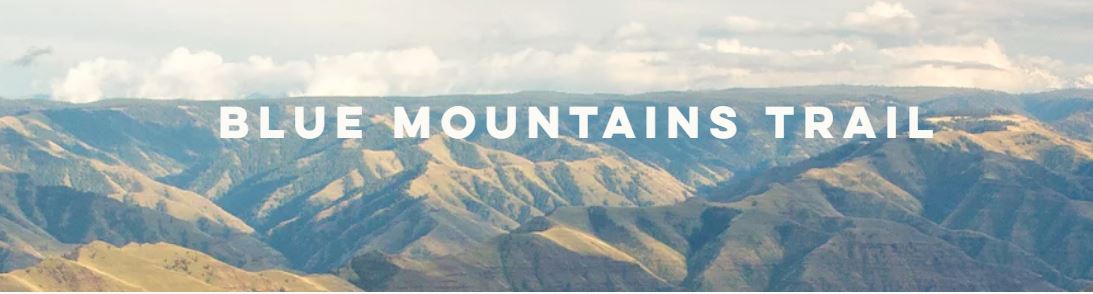 The Blue Mountains Trail is an immersive adventure through the diverse interconnected eco-regions that comprise the Greater Hells Canyon Region. The trail will take you deep into the mountains, forests, rivers, ecosystems, and communities of northeast Oregon. It shares the living history of why the Blue Mountains are ecologically unique and more parts of it deserve permanent protection. LINK PDF

The Blue Mountains Trail is an immersive adventure through the diverse interconnected eco-regions that comprise the Greater Hells Canyon Region. The trail will take you deep into the mountains, forests, rivers, ecosystems, and communities of northeast Oregon. It shares the living history of why the Blue Mountains are ecologically unique and more parts of it deserve permanent protection.
trail stats
566 miles through northeast Oregon from Wallowa Lake State Park near Joseph to John Day
7 Wilderness Areas and 1 National Recreation Area in 3 National Forests
Ancestral lands of the Nez Perce, Confederated Tribes of the Umatilla, and Confederated Tribes of Warm Springs
3 Oregon State Parks
Connects with the communities of Joseph, Troy, Tollgate, La Grande, Sumpter, Austin Junction and John Day, with connection opportunities to more nearby towns
Trail connects approaches to notable Blue Mountain summits: Eagle Cap (Wallowas): 9,573 ft – Rock Creek Butte (Elkhorns): 9,106 ft – Strawberry Mountain: 9,042 ft – Vinegar Hill (Greenhorns) 8,131 ft.
It’s official! In November, 2020, Greater Hells Canyon Council launched Oregon’s newest long-distance trail – forming a 566-mile spiral. Contemplated, mapped, and dreamed of for more than half a century by conservationists, the trail is now tangible.
The route links all seven of Northeast Oregon’s wilderness areas, requires no new trails to be built, limits road walks and bushwhacks, and connects hikers to the communities of Joseph, Troy, Tollgate, La Grande, Sumpter, Austin Junction, and John Day with ties to more nearby towns.
The pace of the past year’s work is as breathtaking as the speed of the first four thru-hikers covering rough terrain, bushwhacking alternative paths, and reporting on conditions. News of the trail’s brilliant peaks, rivers, forests, and wildlife is rippling among long distance hikers, tourism groups, communities, businesses, and conservationists.
 Watch Video


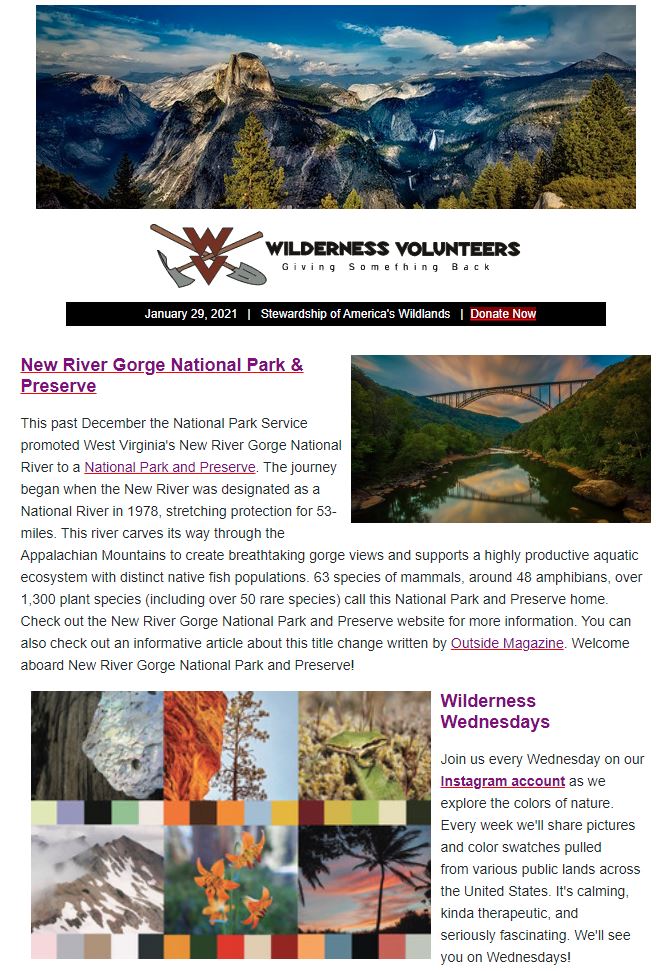
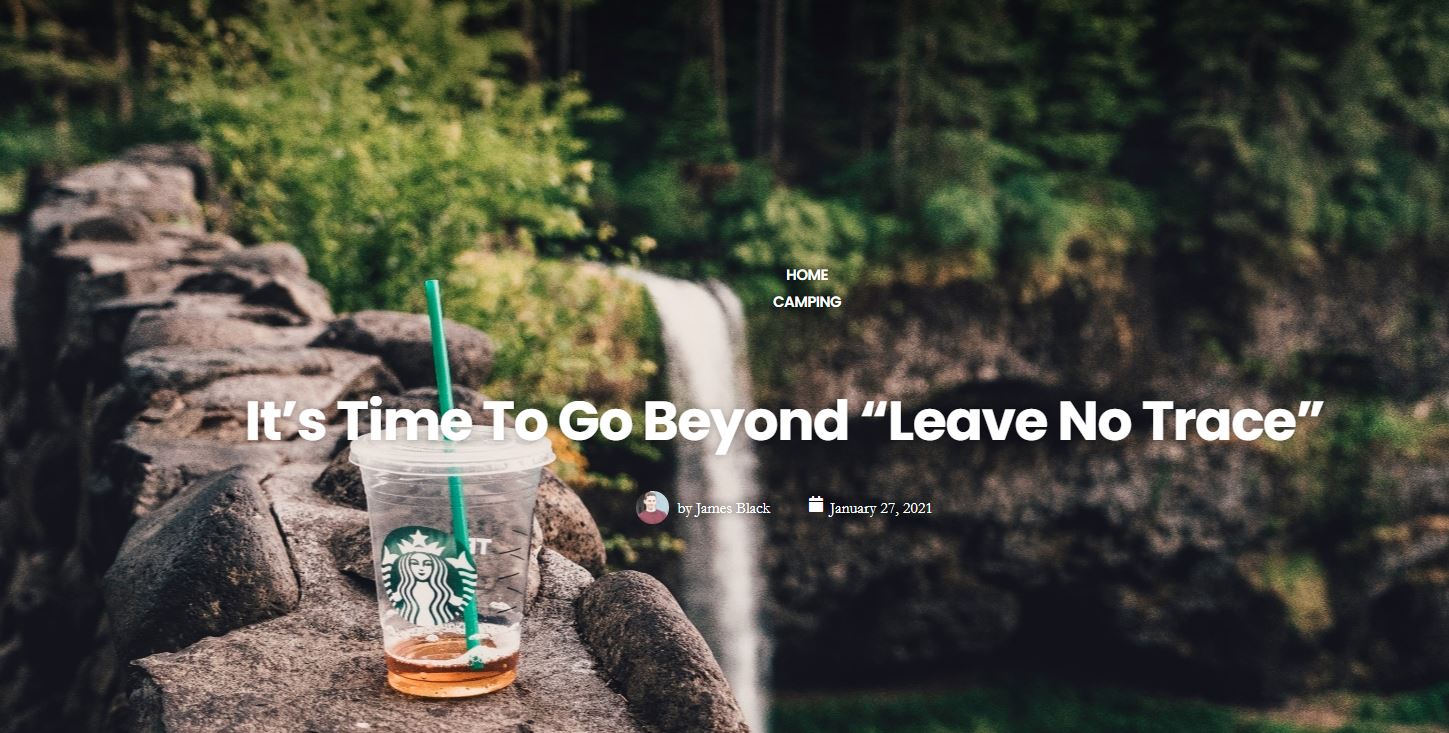
Nowadays you’ll struggle to find many outdoor enthusiasts who aren’t familiar with “Leave No Trace” and the ethics embodied by the motto.
Designed as a framework to minimize the impact humans have when visiting the great outdoors, Leave No Trace guidelines are applicable to almost every recreational activity.
It’s important to familiarise yourself with the principles no matter how you plan to enjoy adventuring out into the wild. We all can take something from them.
This guide will walk you through where the Leave No Trace (LNT) movement came from, outline the seven principles that make up LNT ethics, and question whether it does enough to encourage people to preserve the environment.
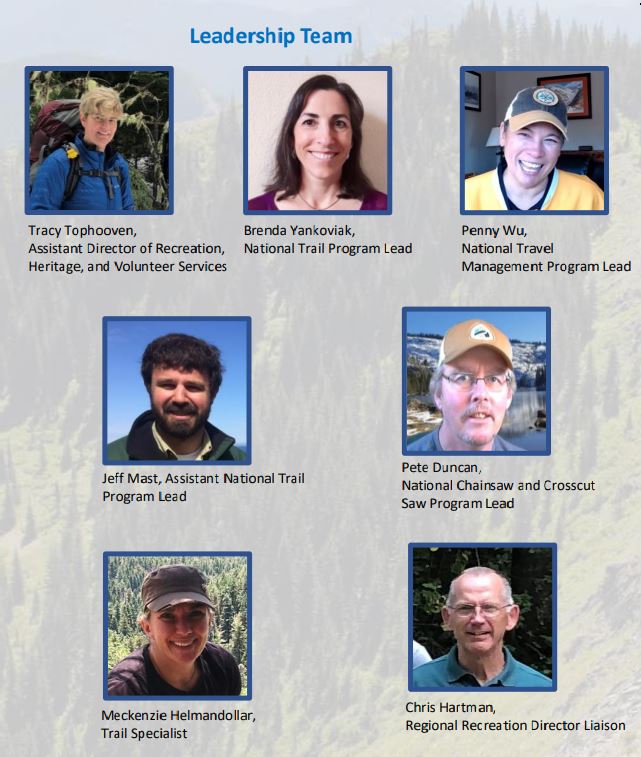
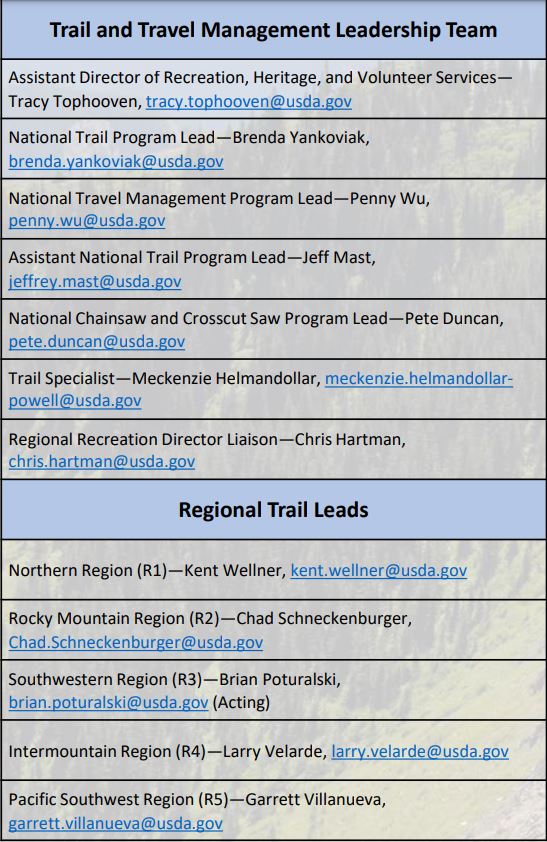
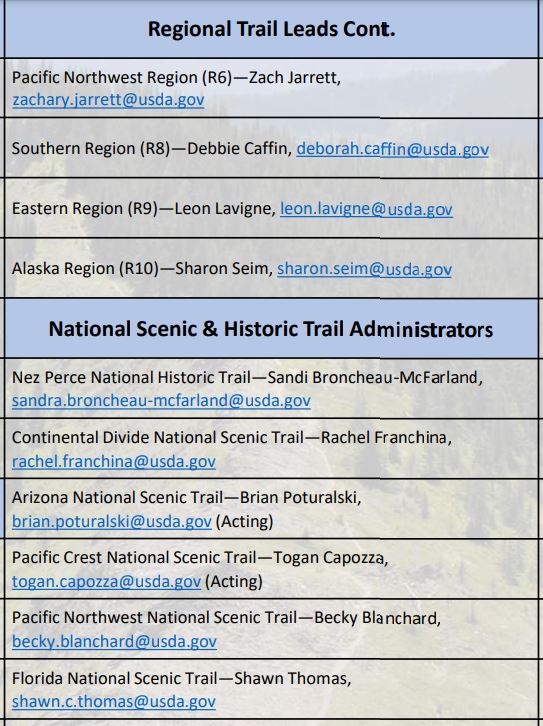
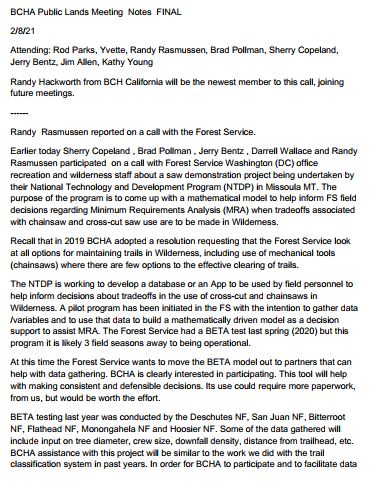
Forest Service Washington Office Trail and Travel Management Programs January 2021 We are a forward-thinking team of trail professionals who embrace innovation and collaboration. We take strategic actions to leverage resources and develop program efficiencies that increase capacity at the field level in order to best serve the public. We are collaborative and open communicators who strive to promote relevancy, efficiency, transparency, and equity throughout the national trail program.
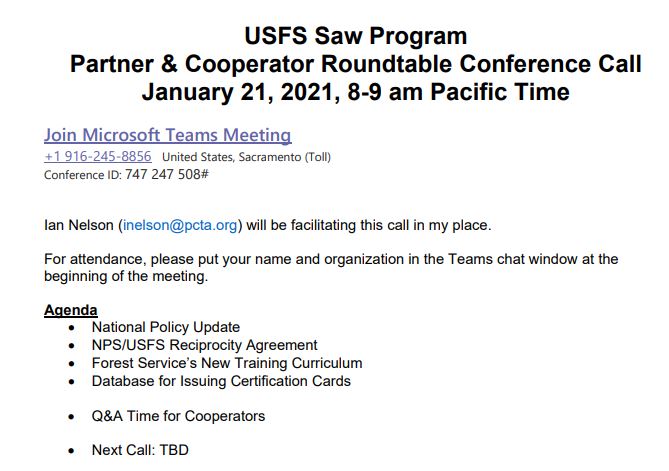
Forest Service Trail Program Partner Meeting
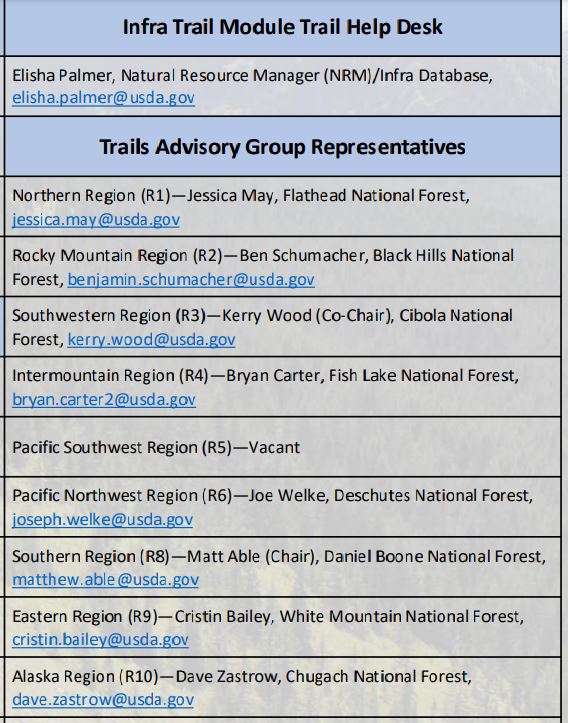
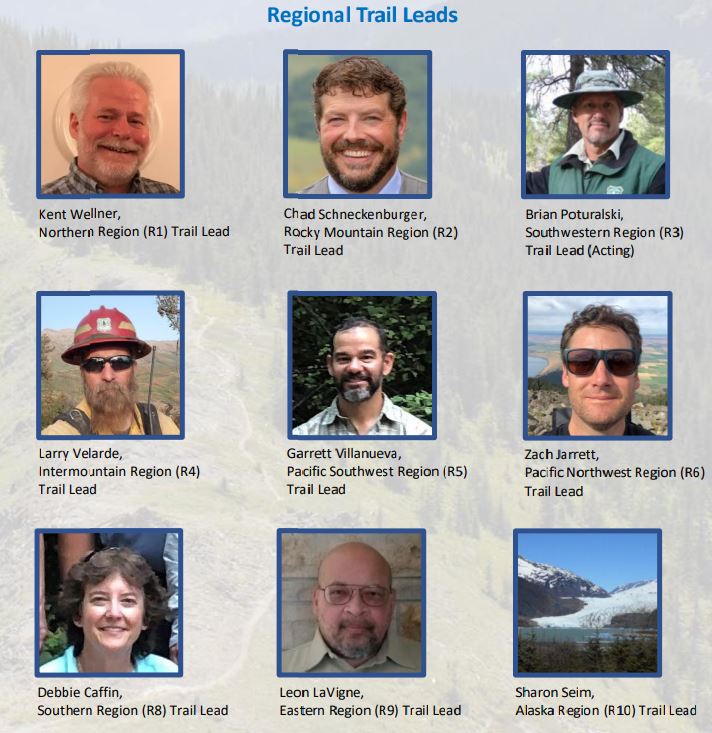
Brenda Yankoviak, the new Forest Service Trails program manager held a Partner meeting recently to introduce the current Trails Team and share trails information..
National Wilderness Skills Training Survey
The Forest Service is looking at ways to host a virtual National Wilderness Skills Training this spring. Here are the results of a survey to assess interest, topics, and issues with such a training.



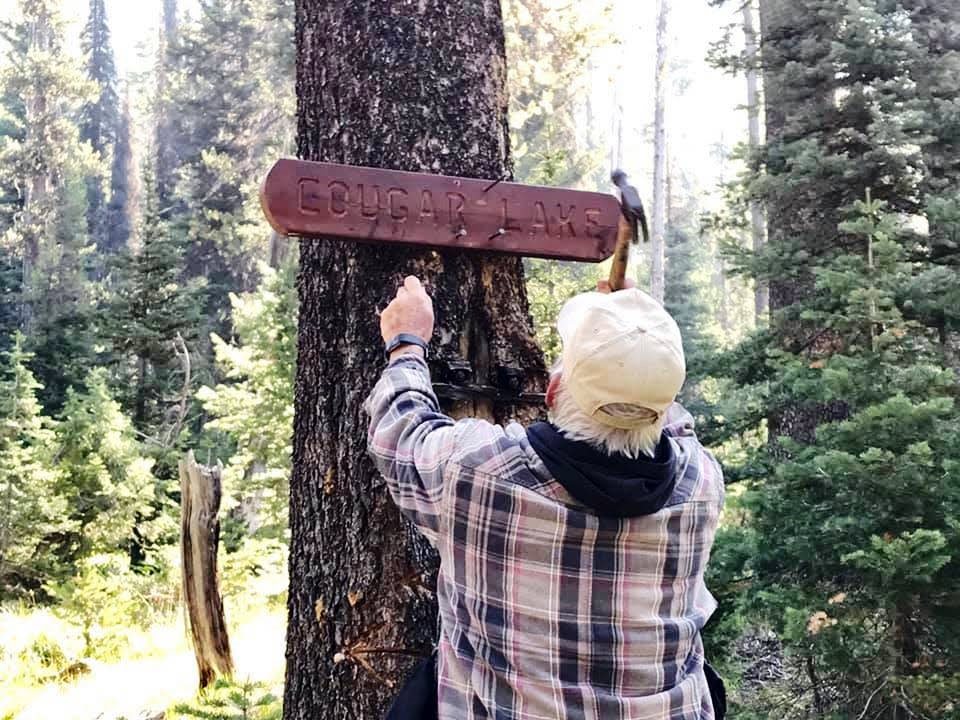
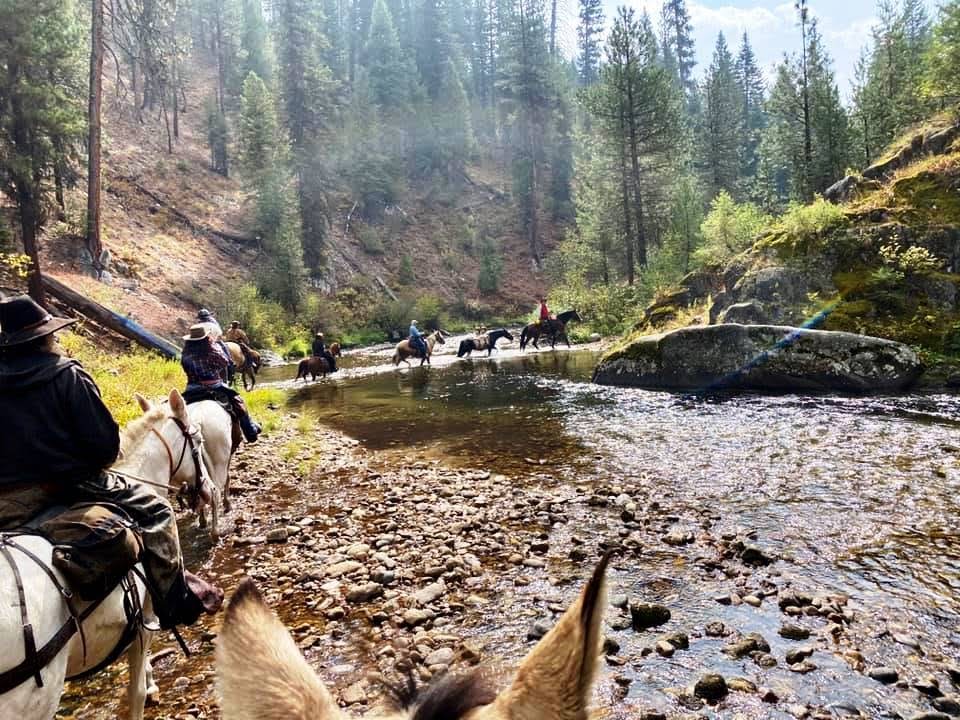
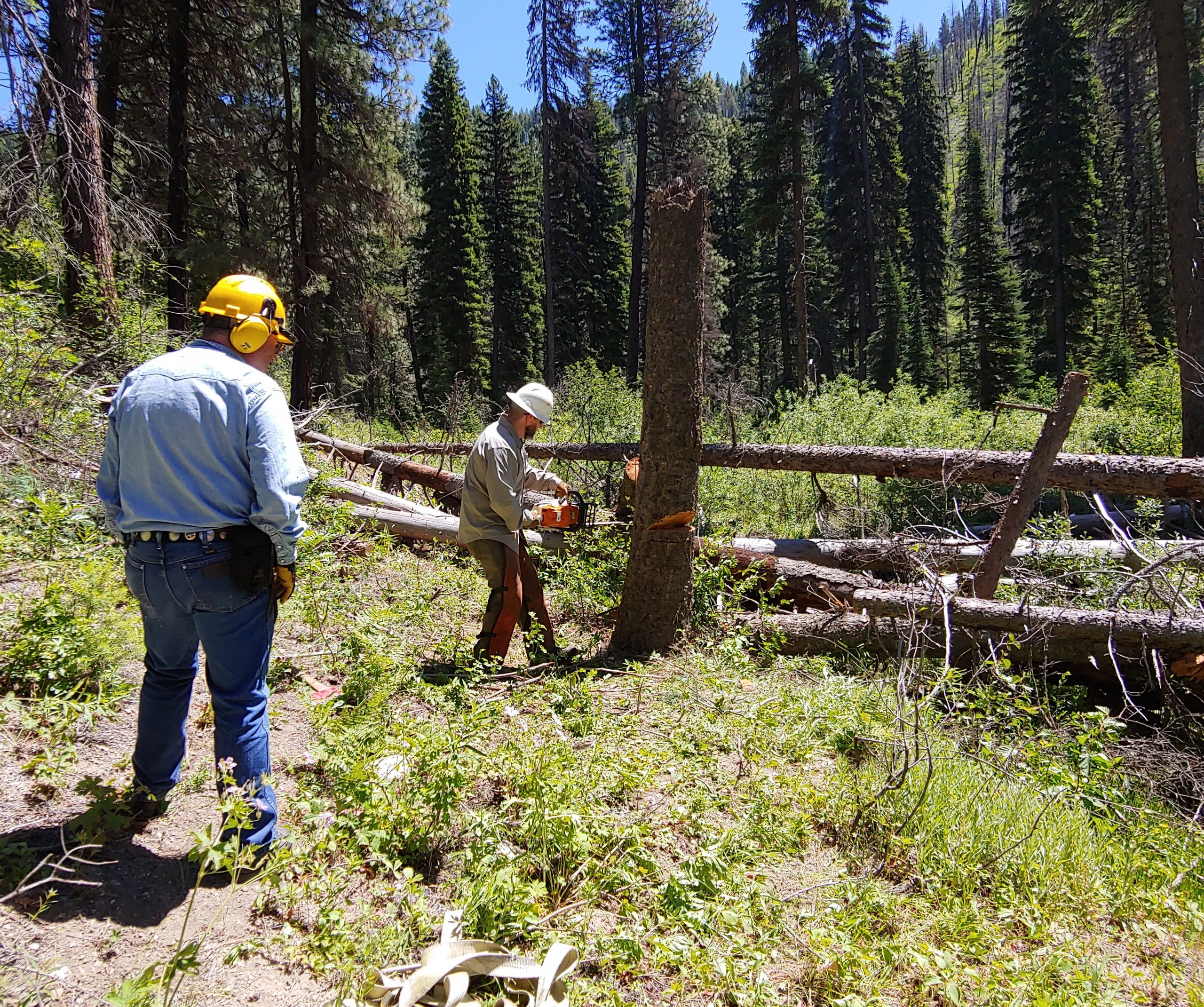

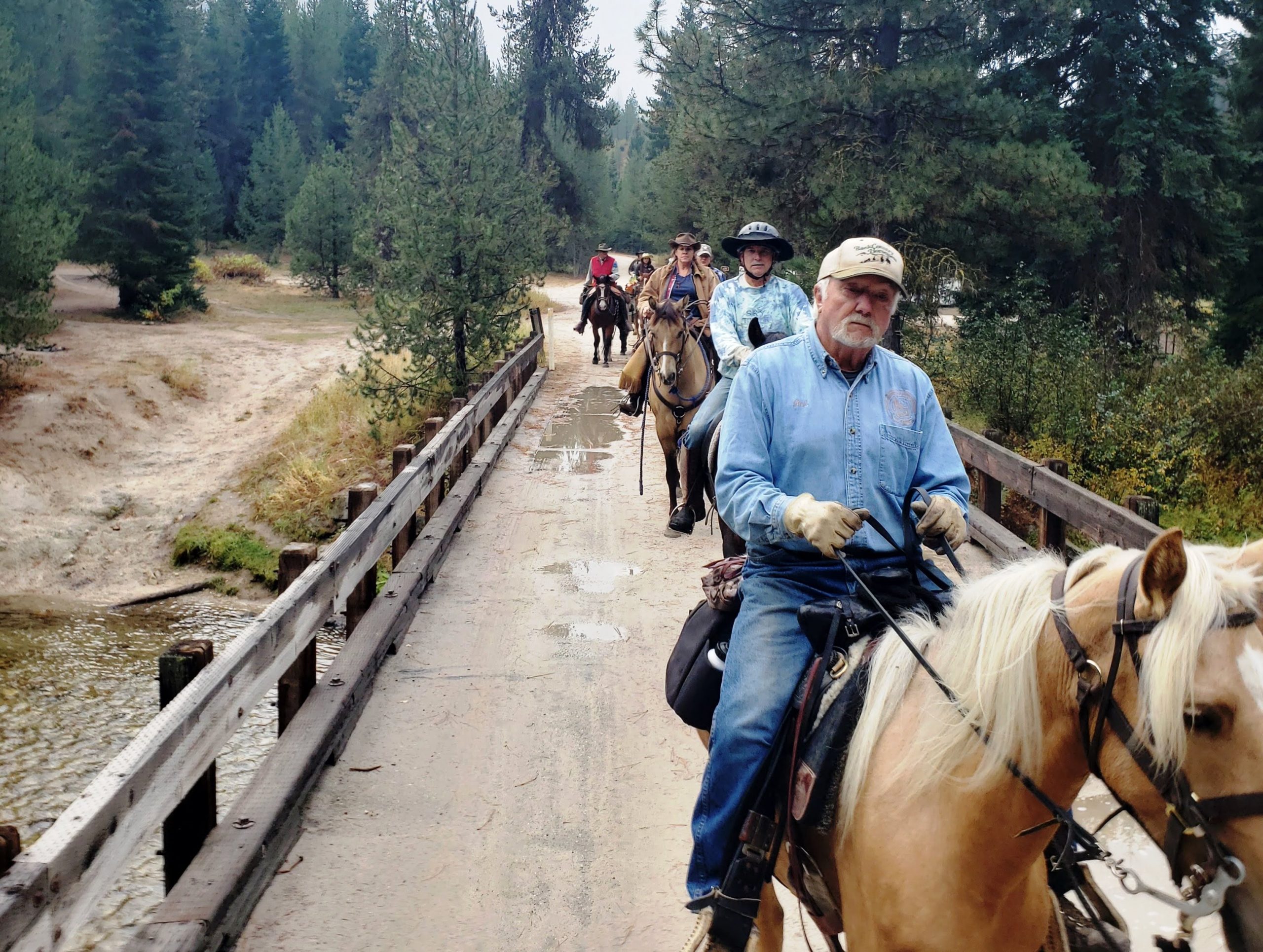
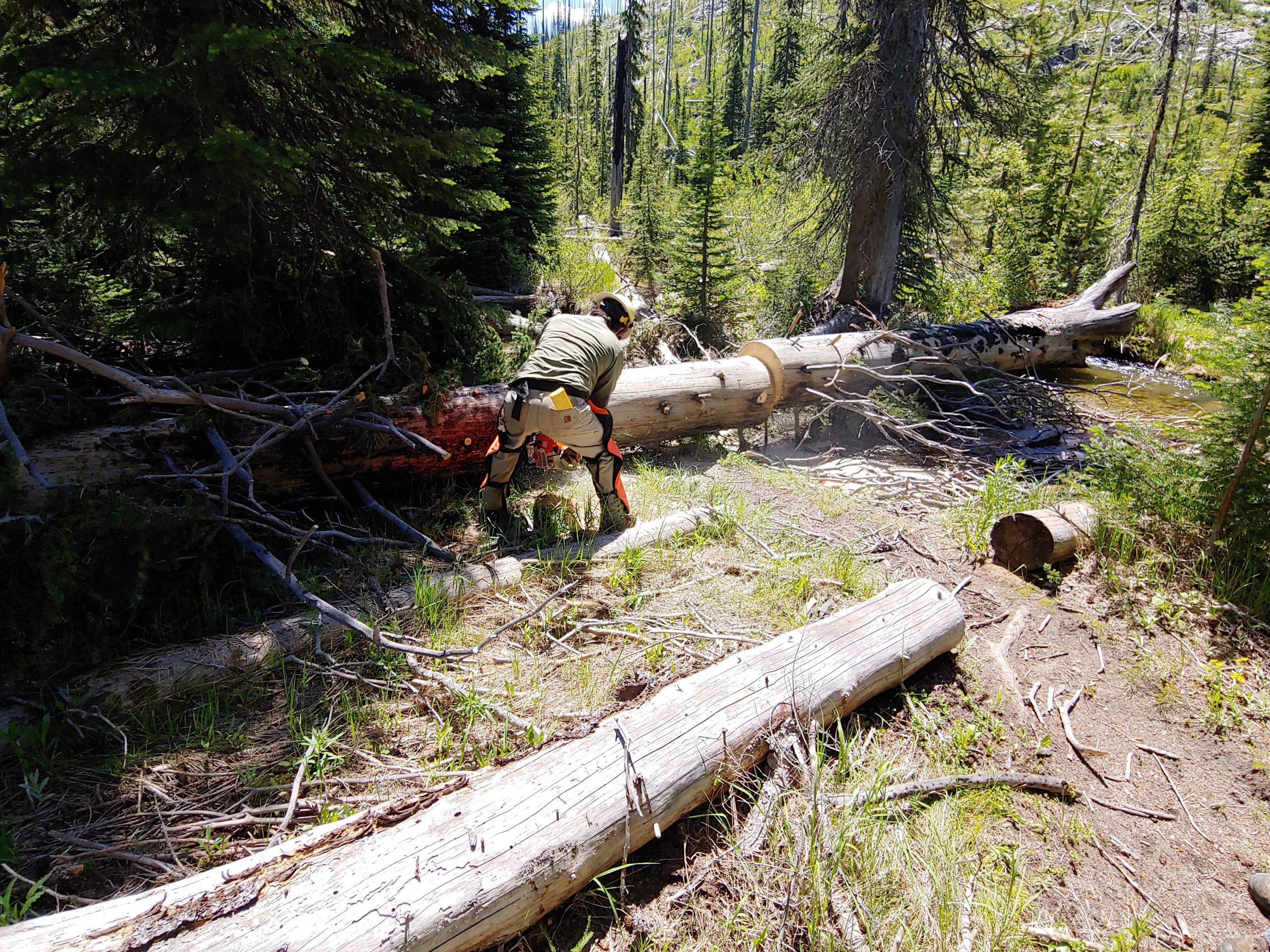
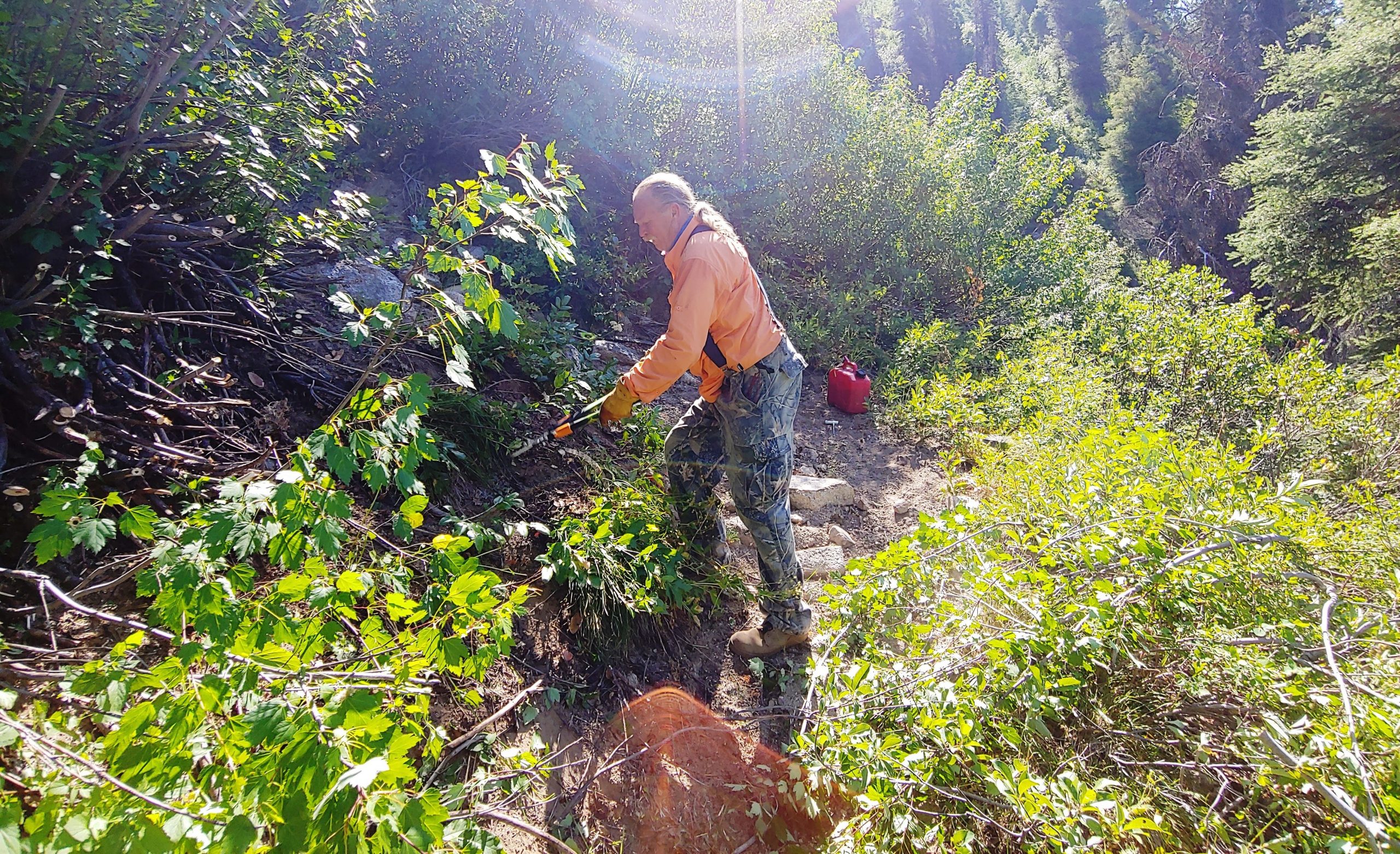
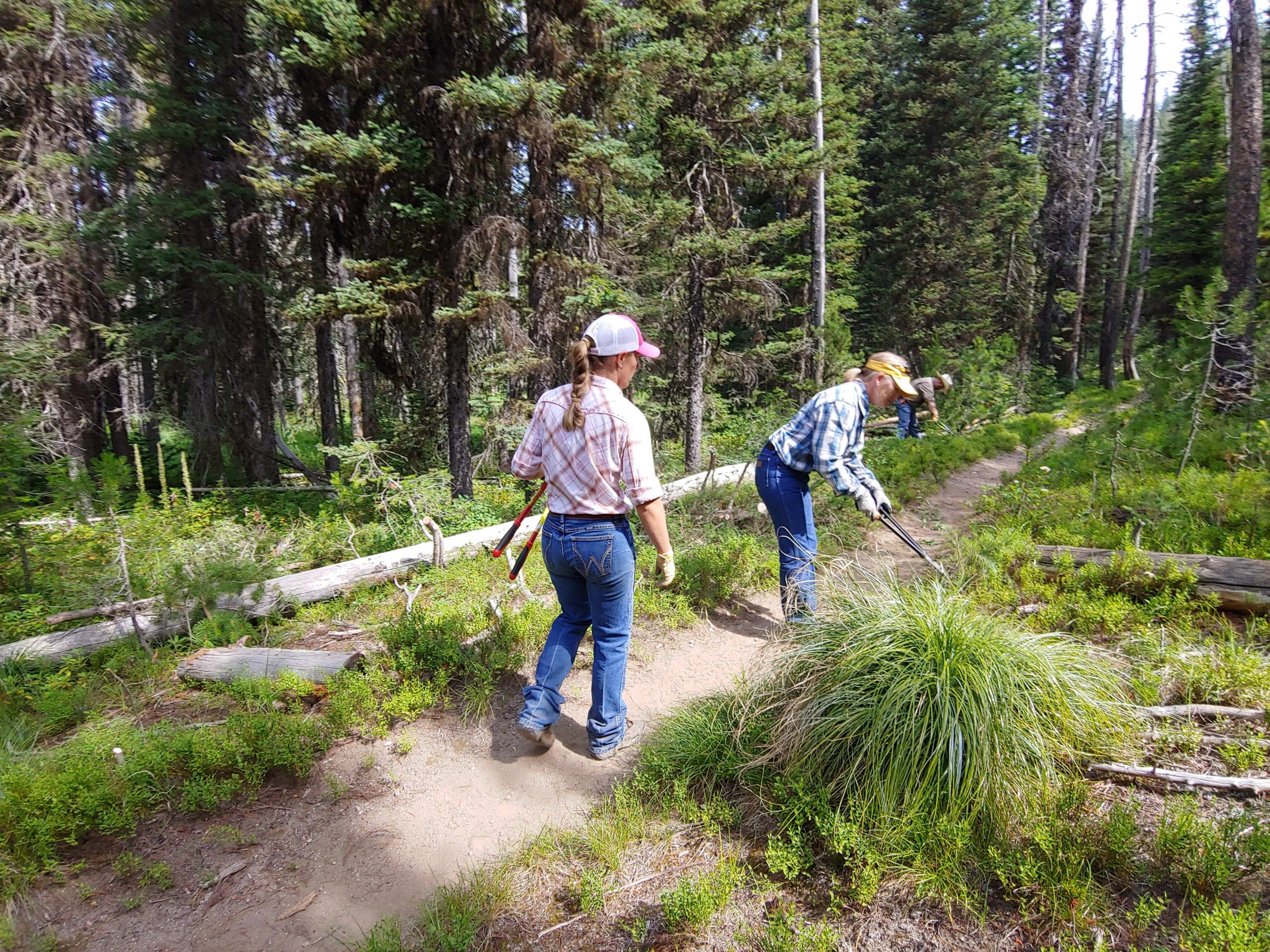
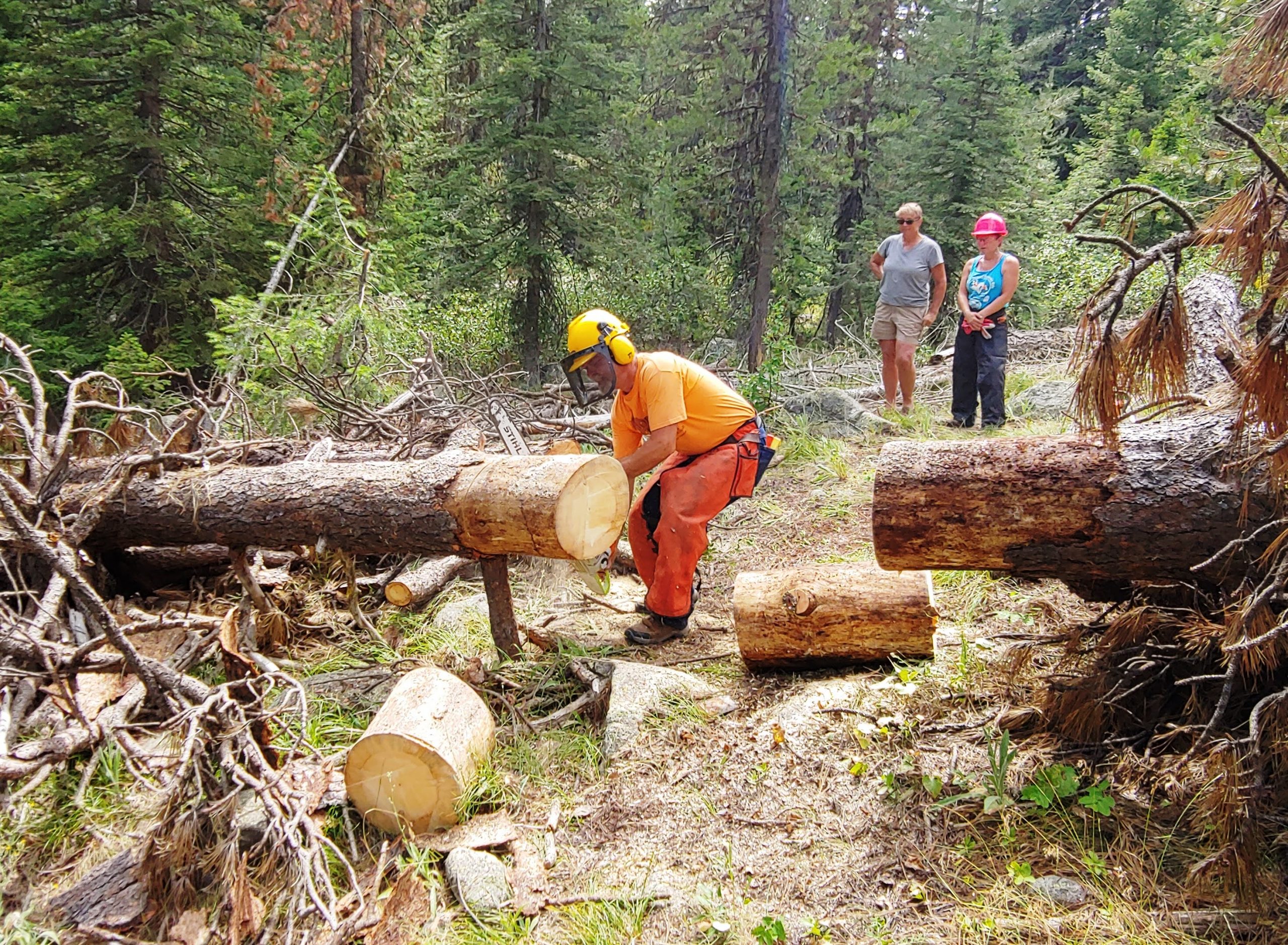
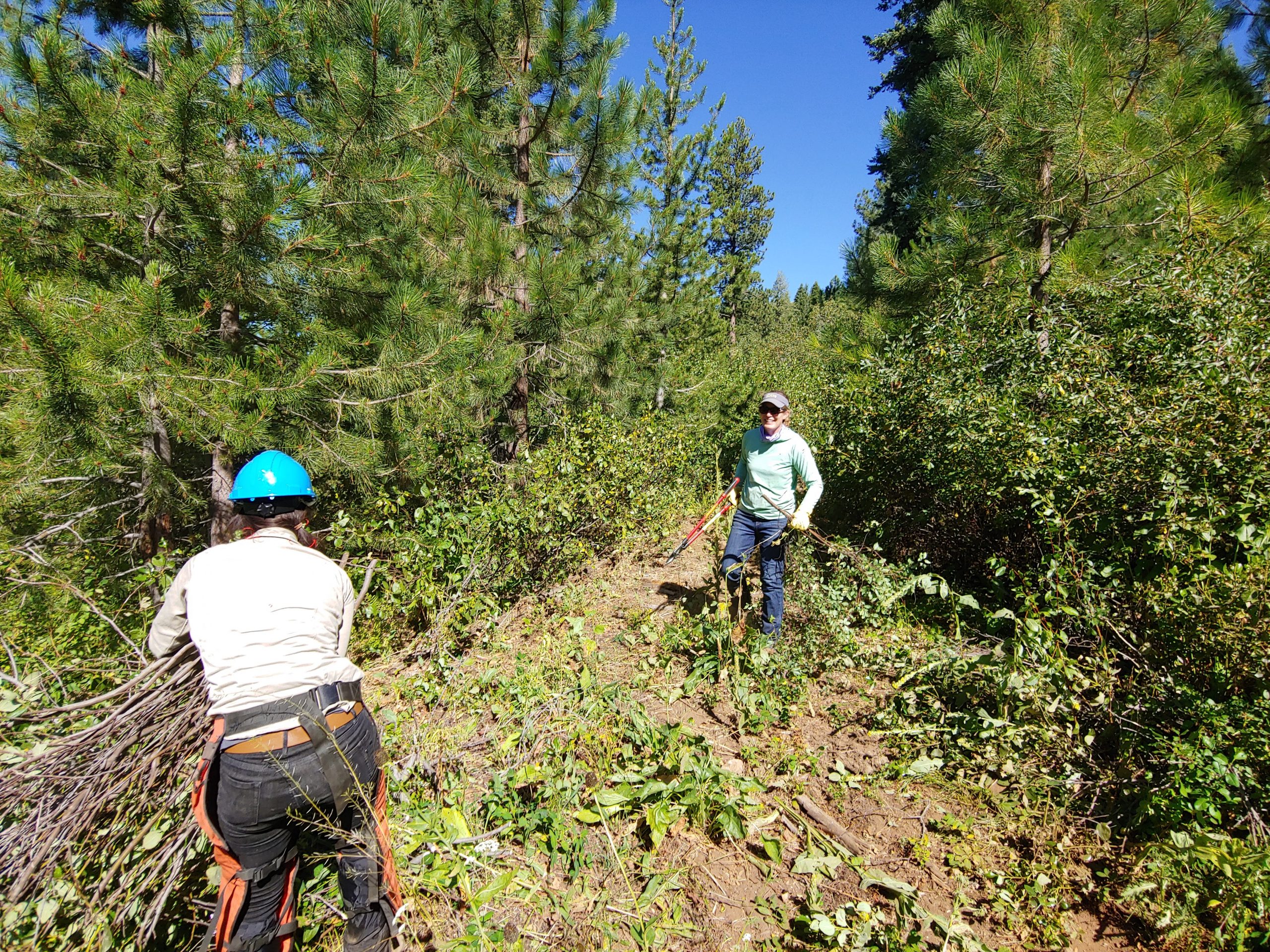
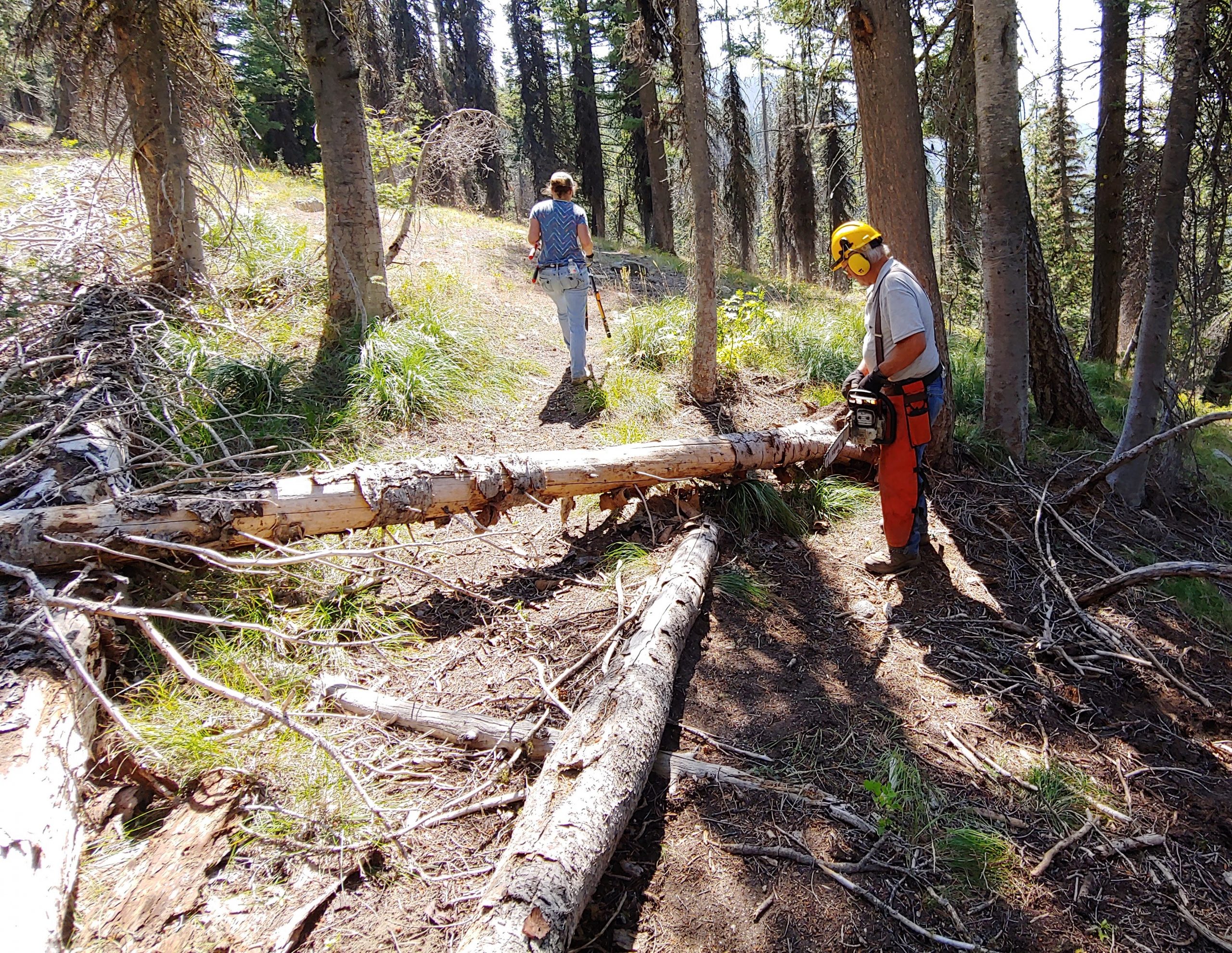
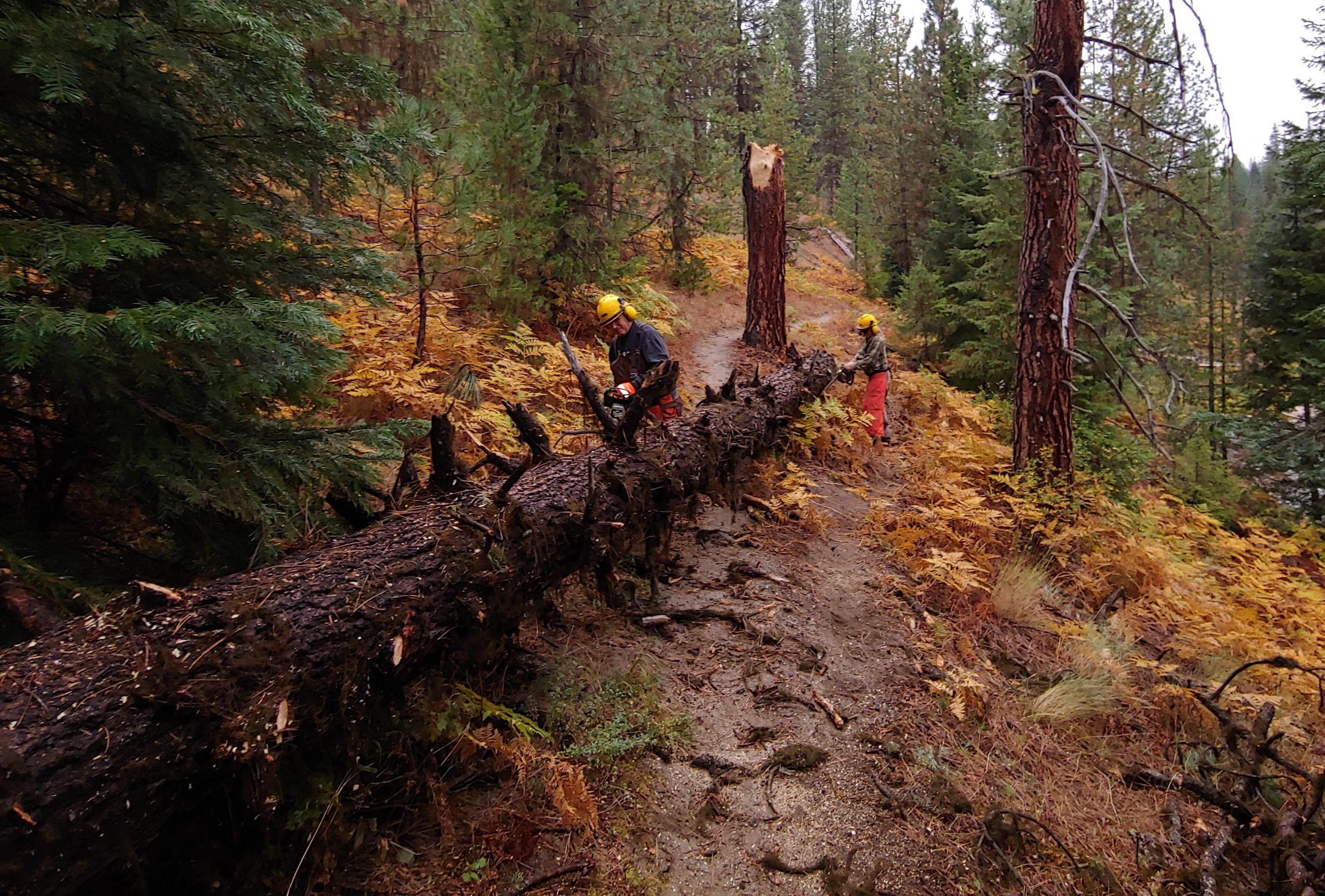
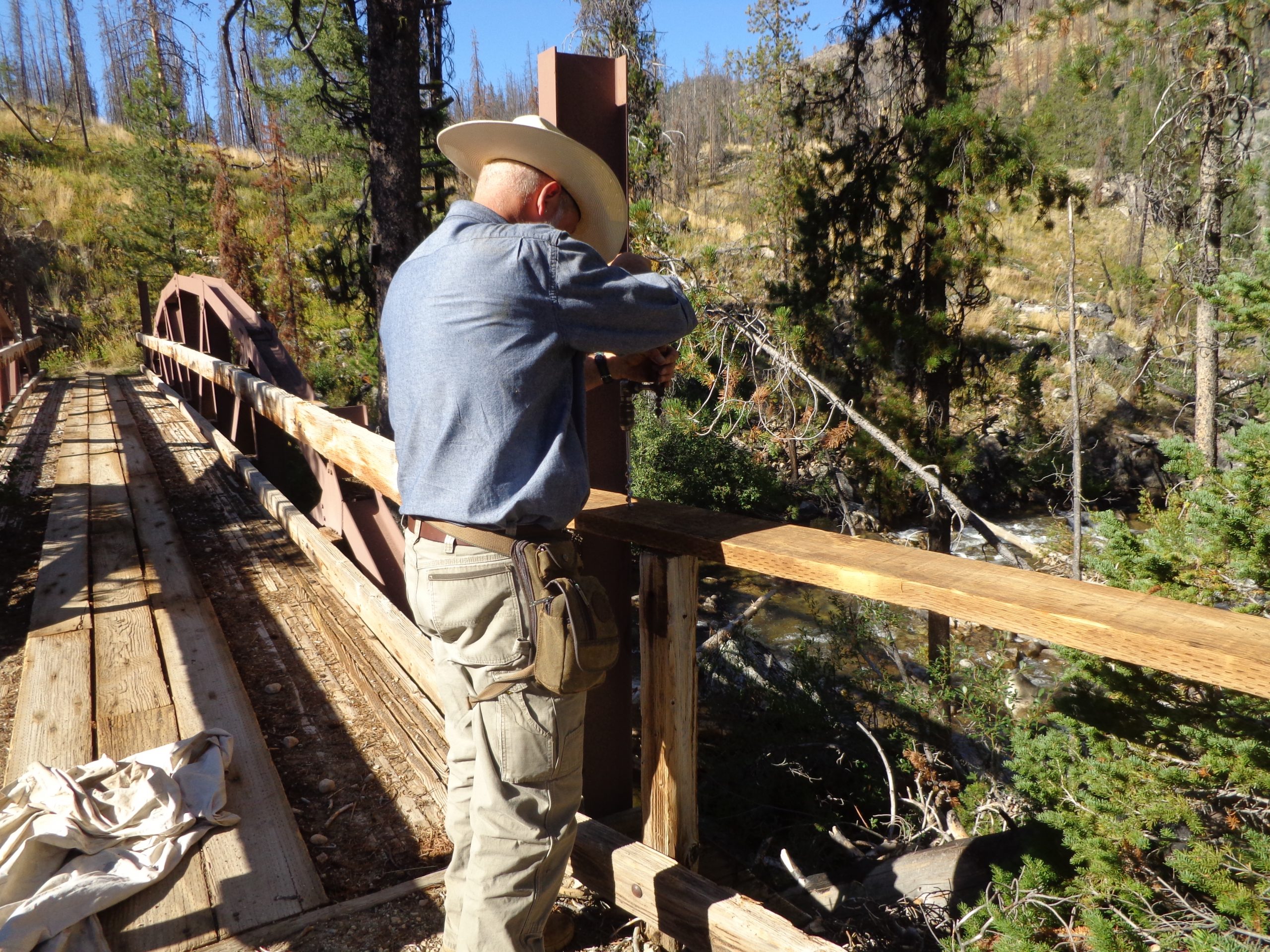
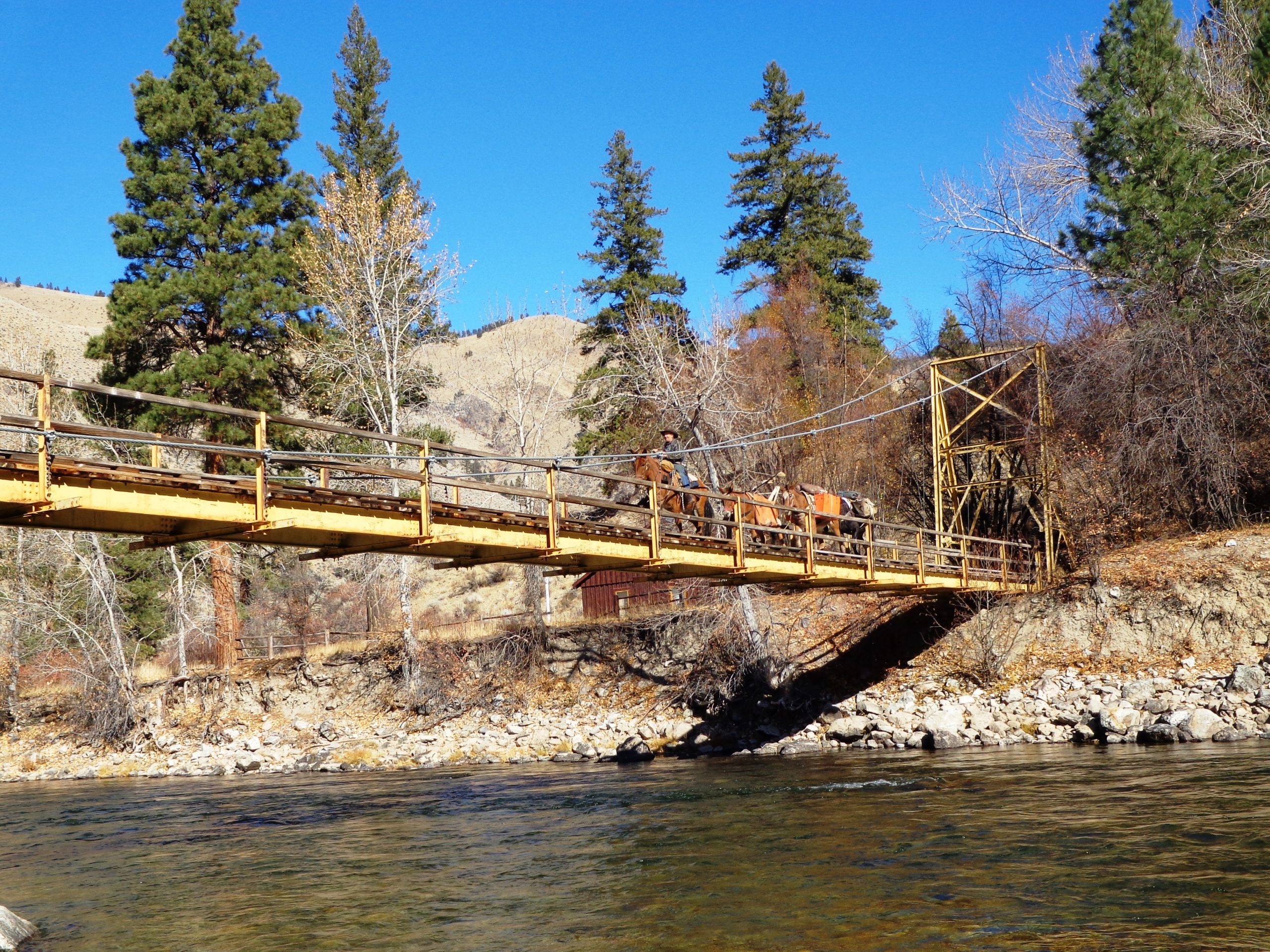

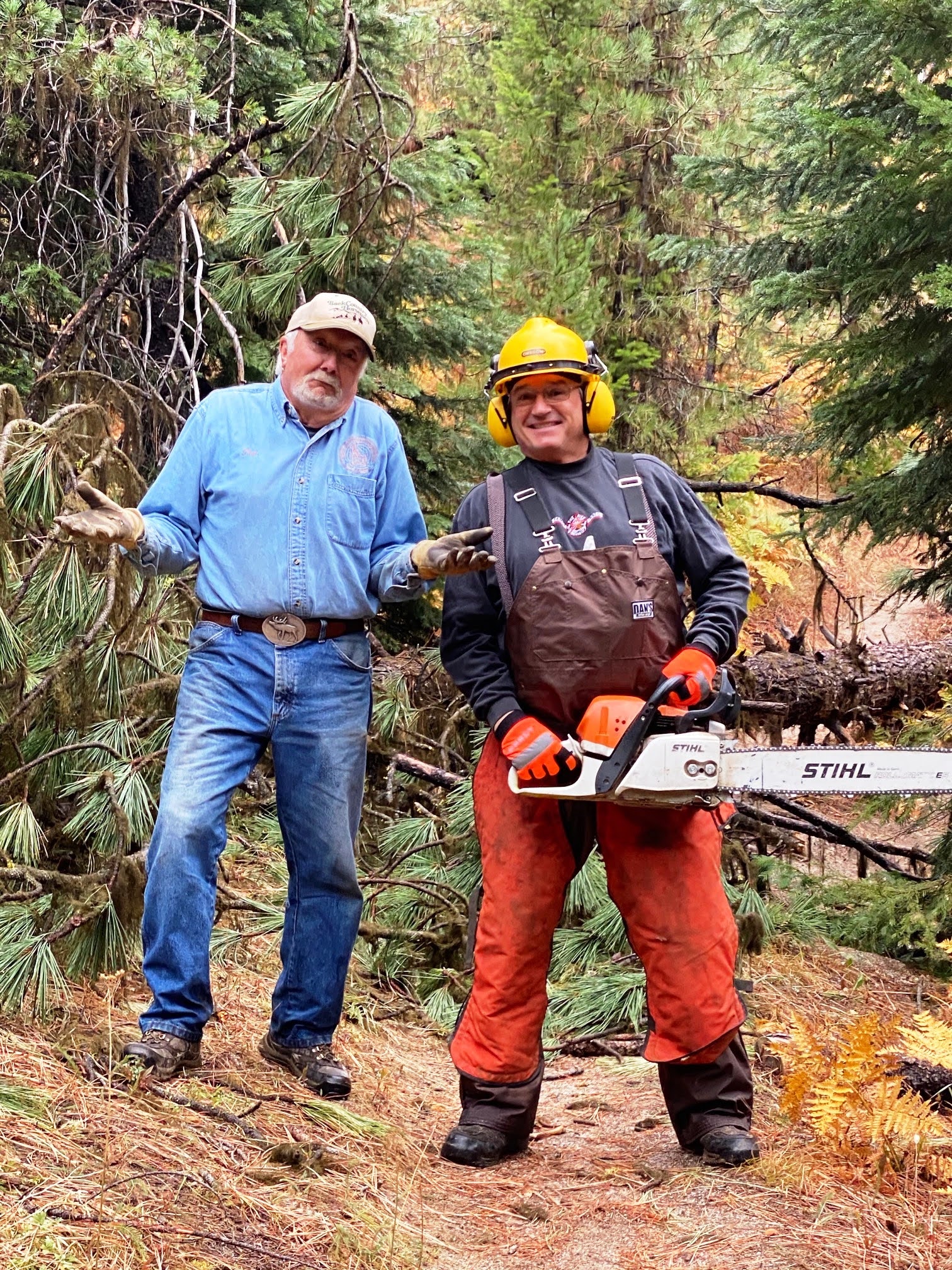
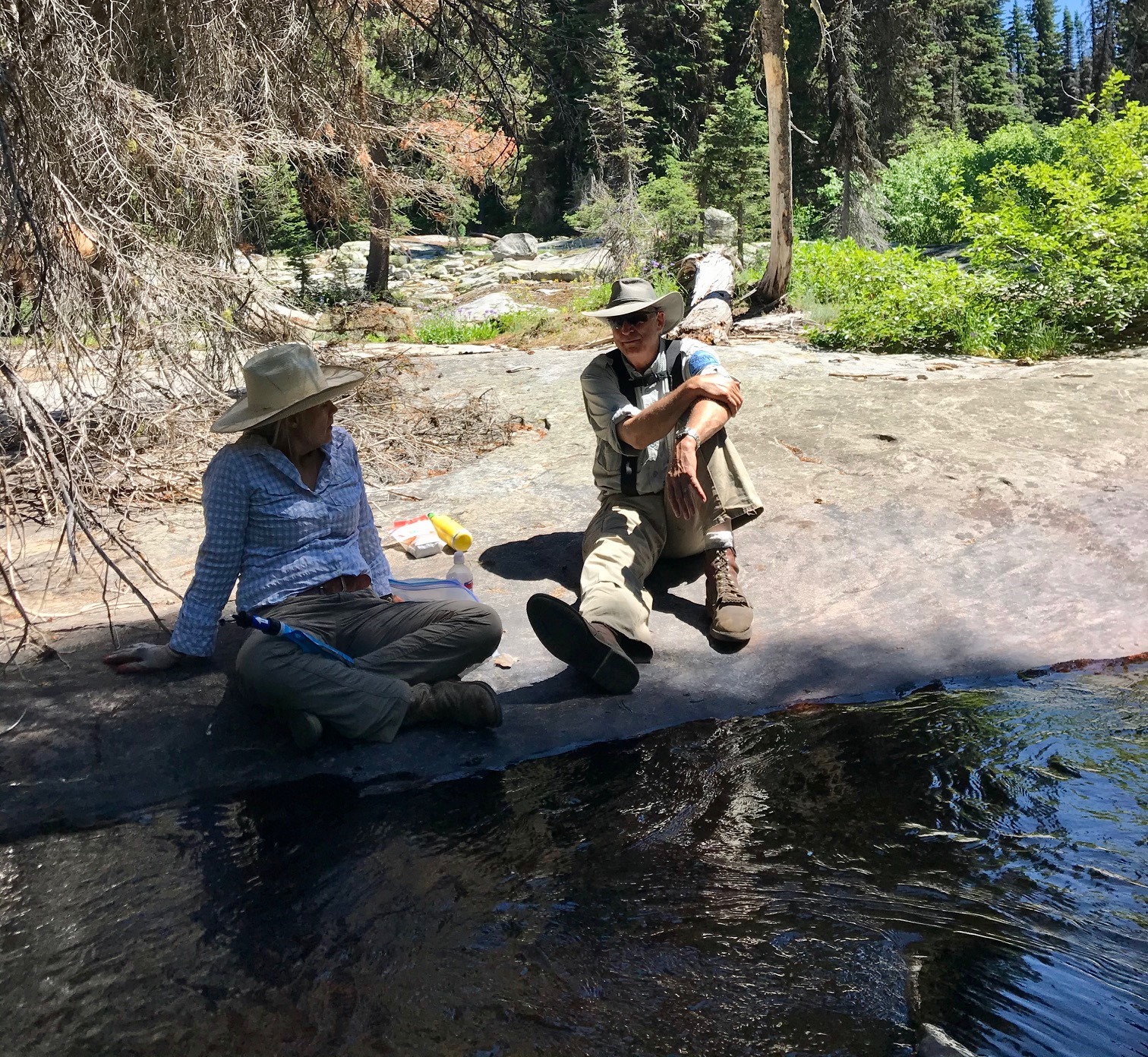

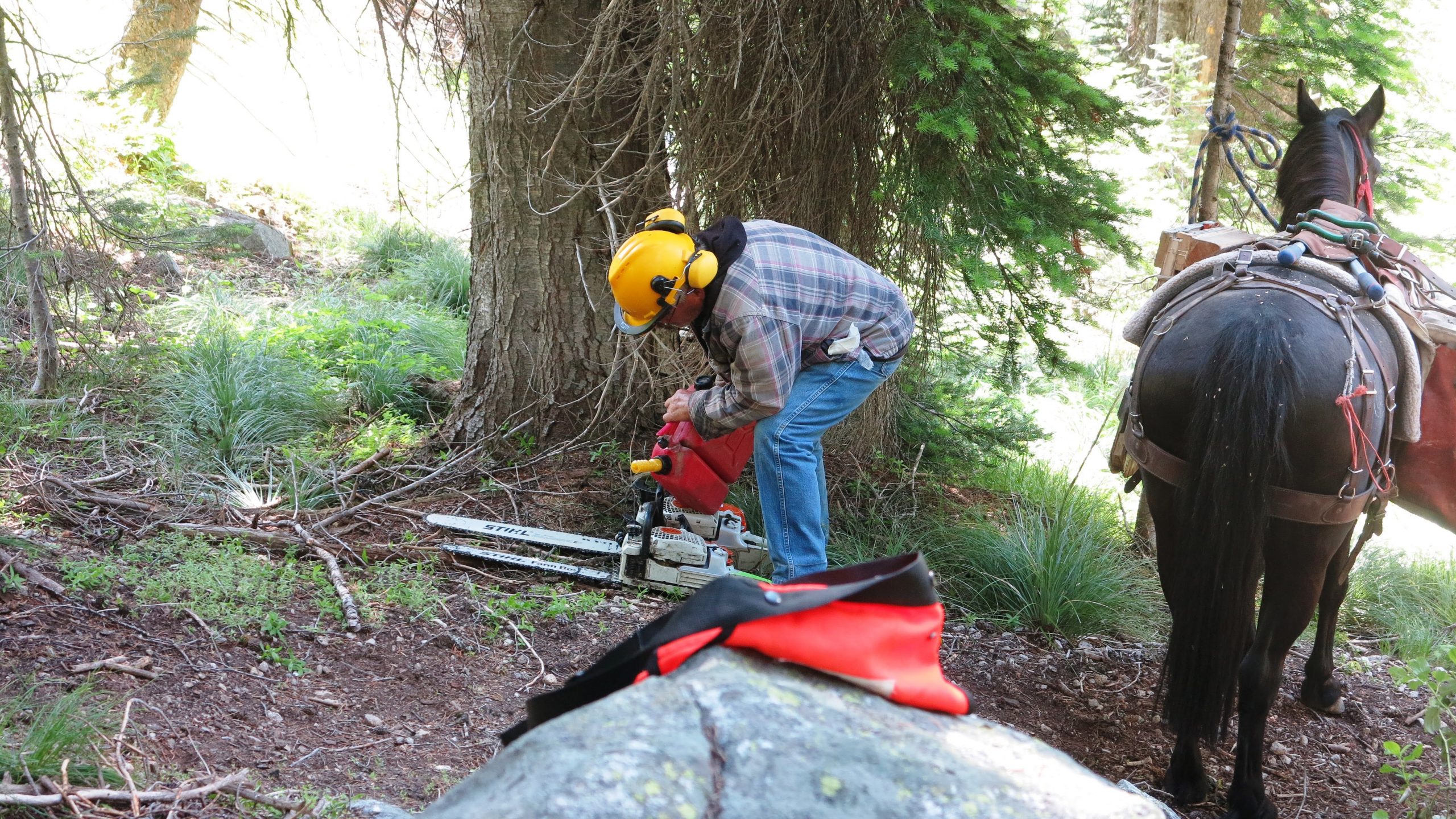
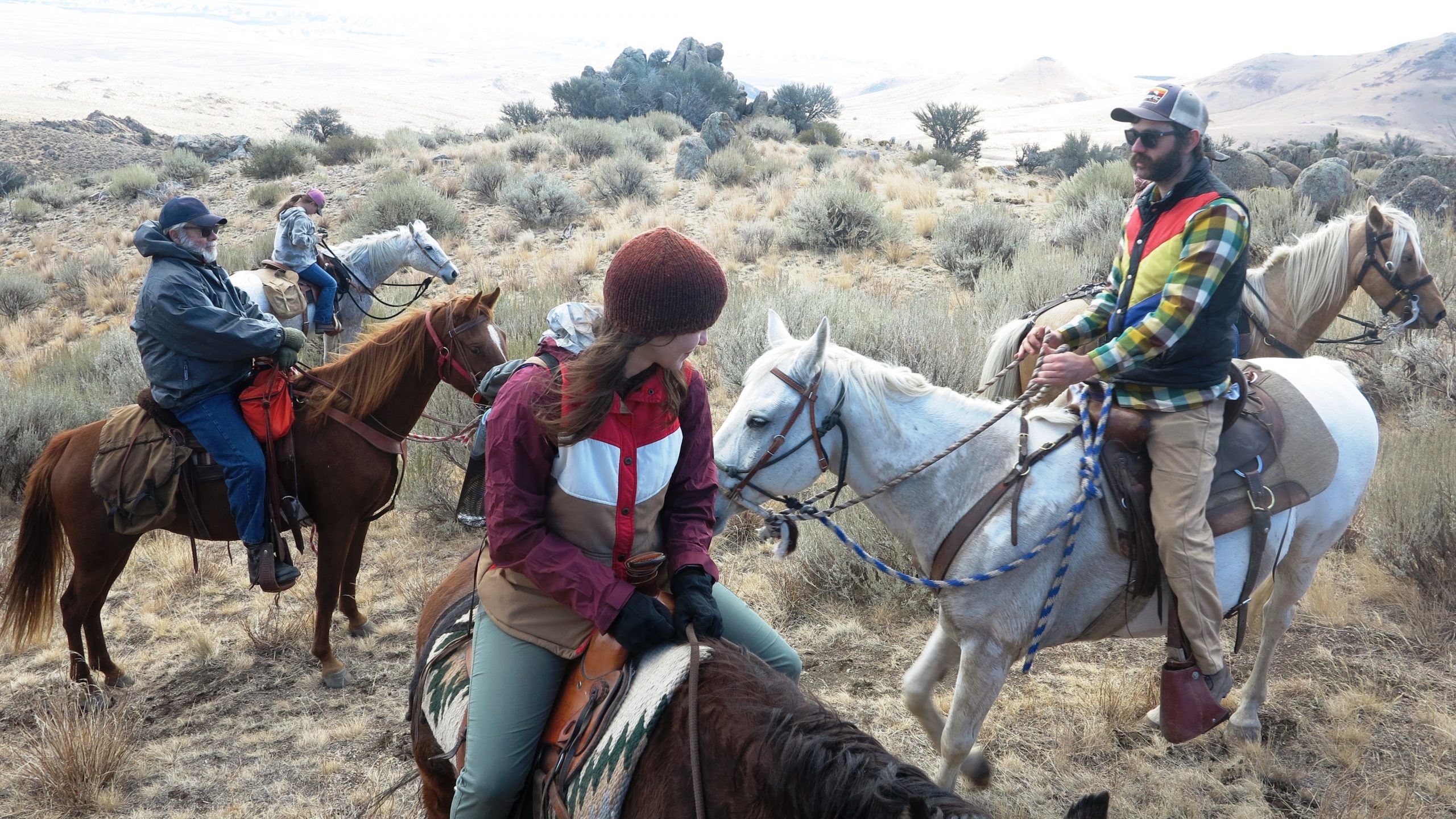
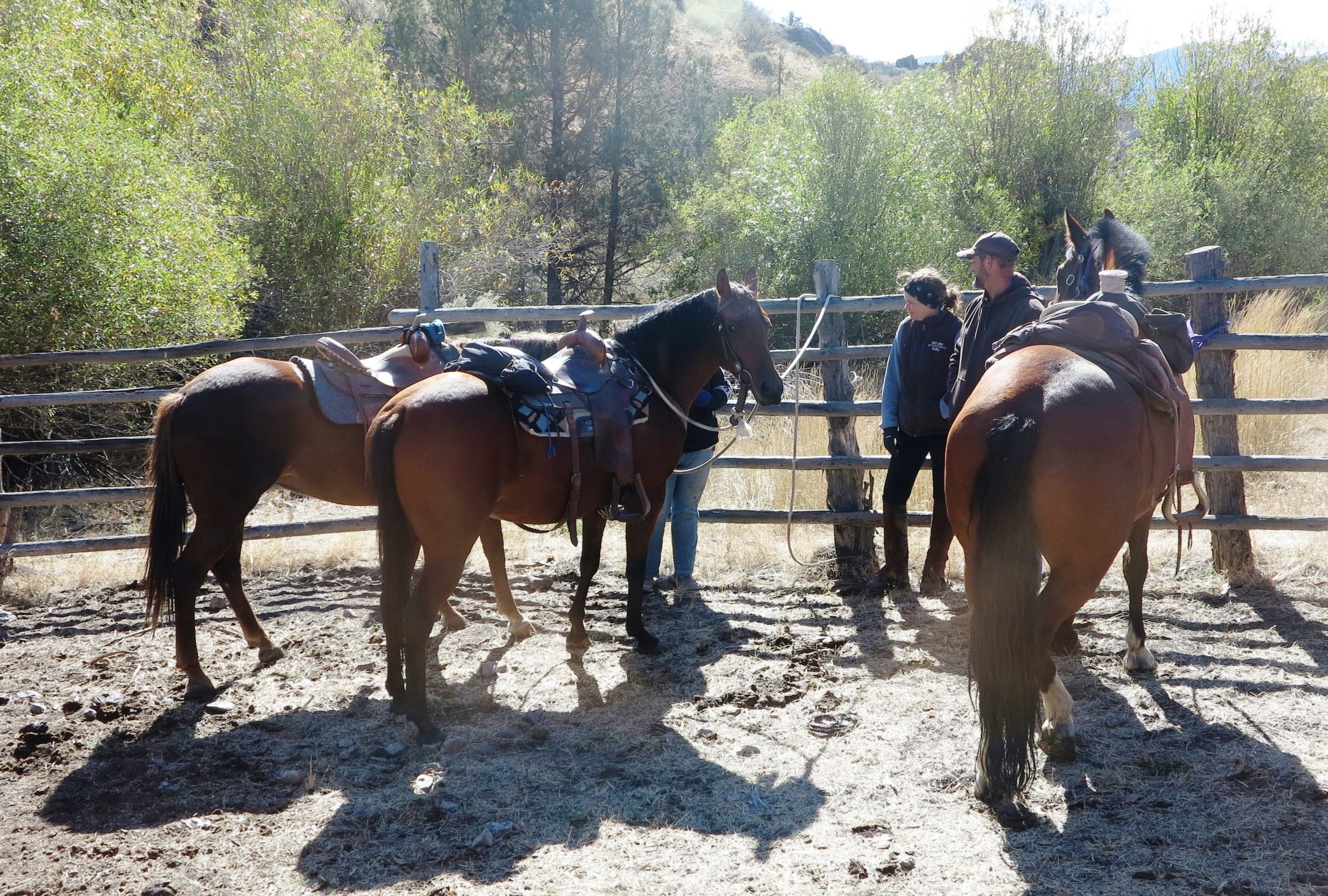
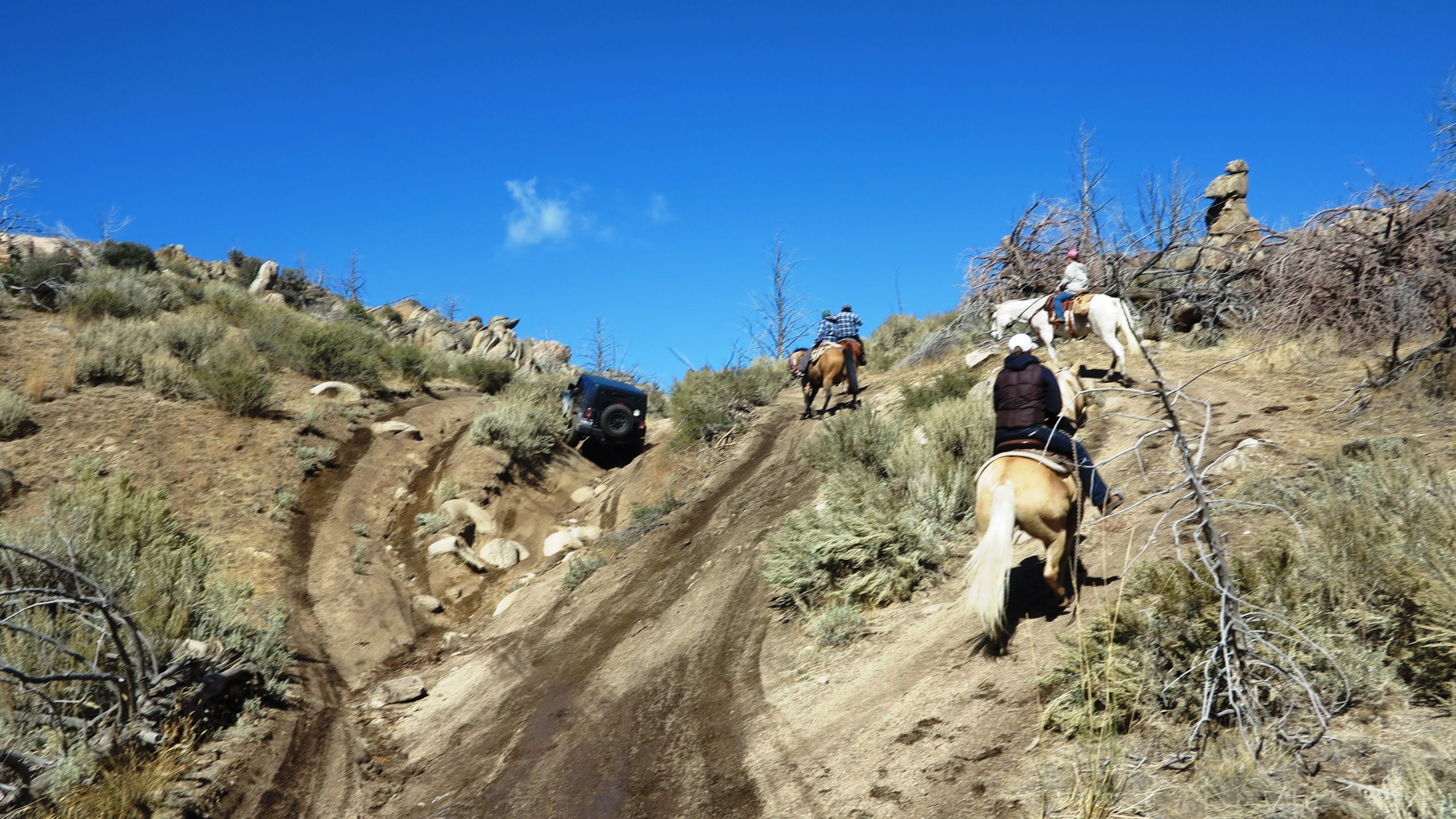
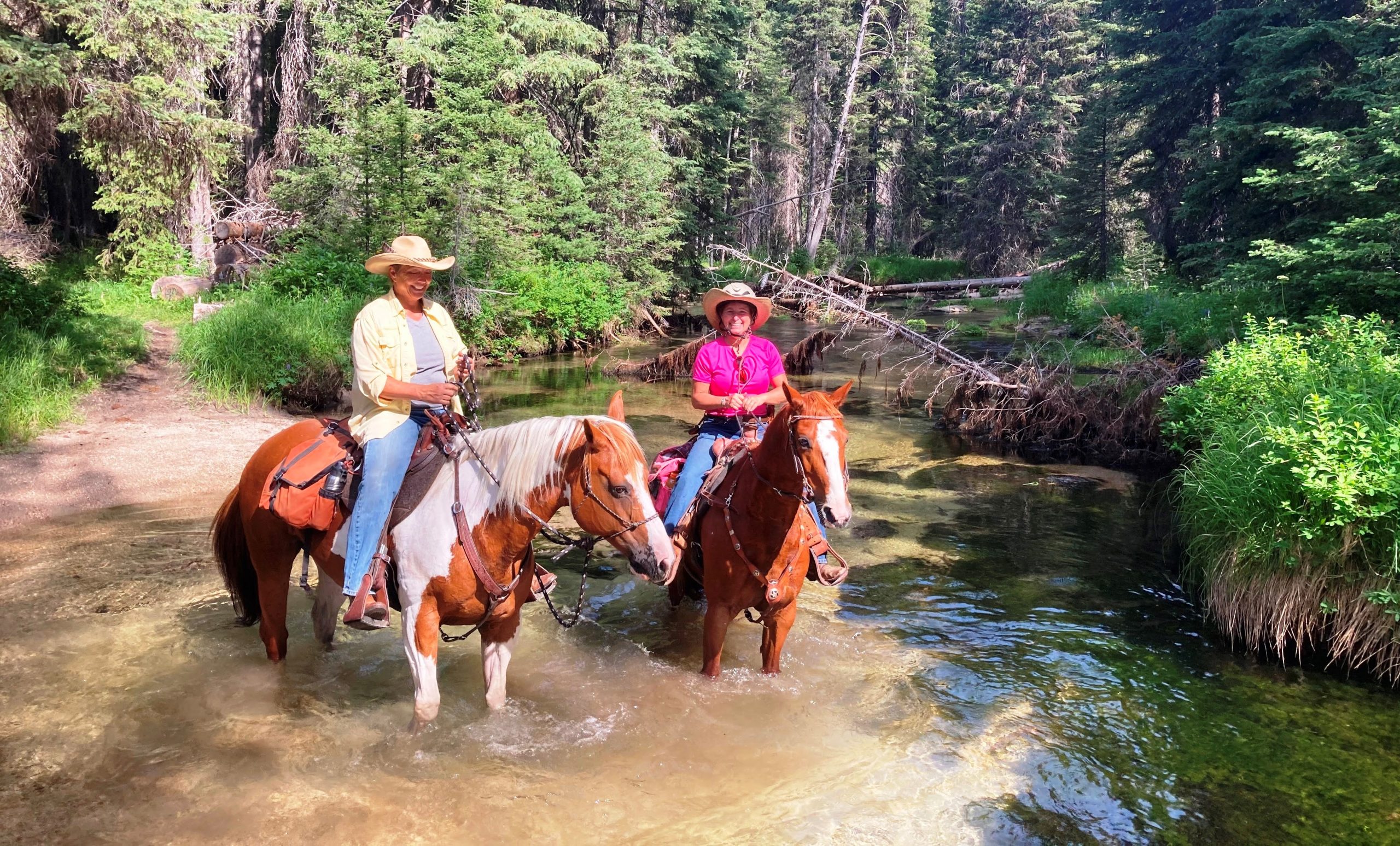
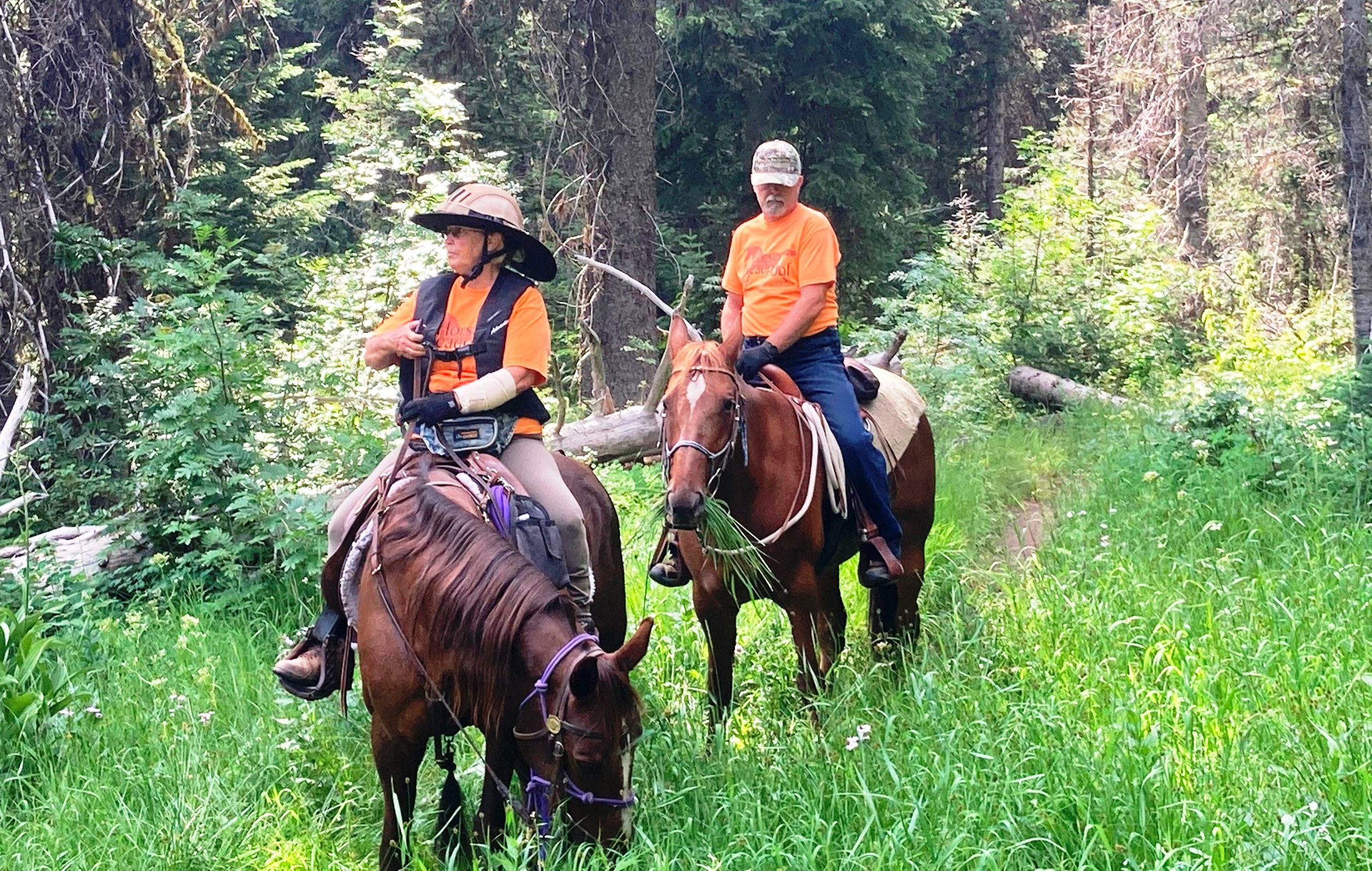
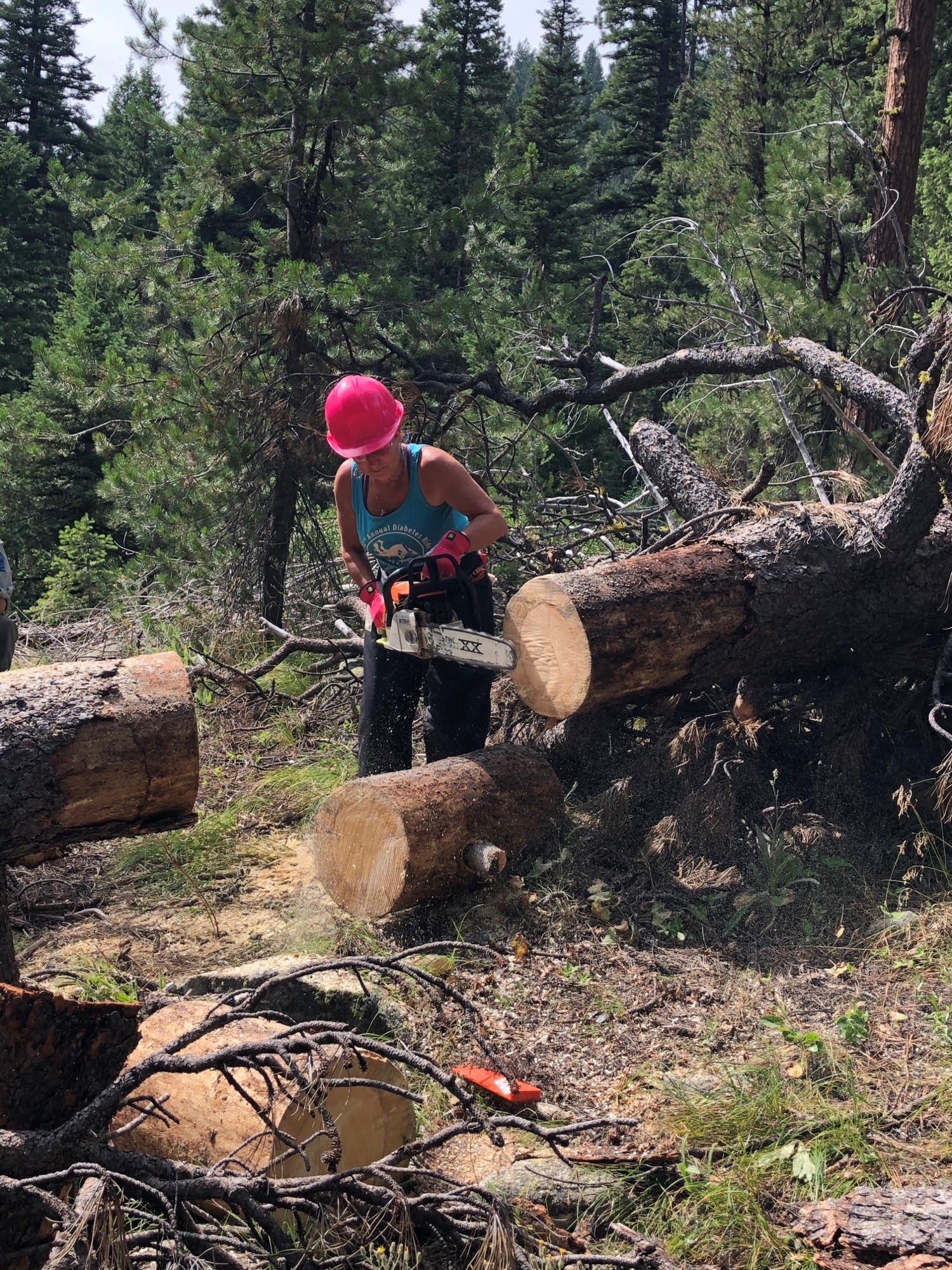
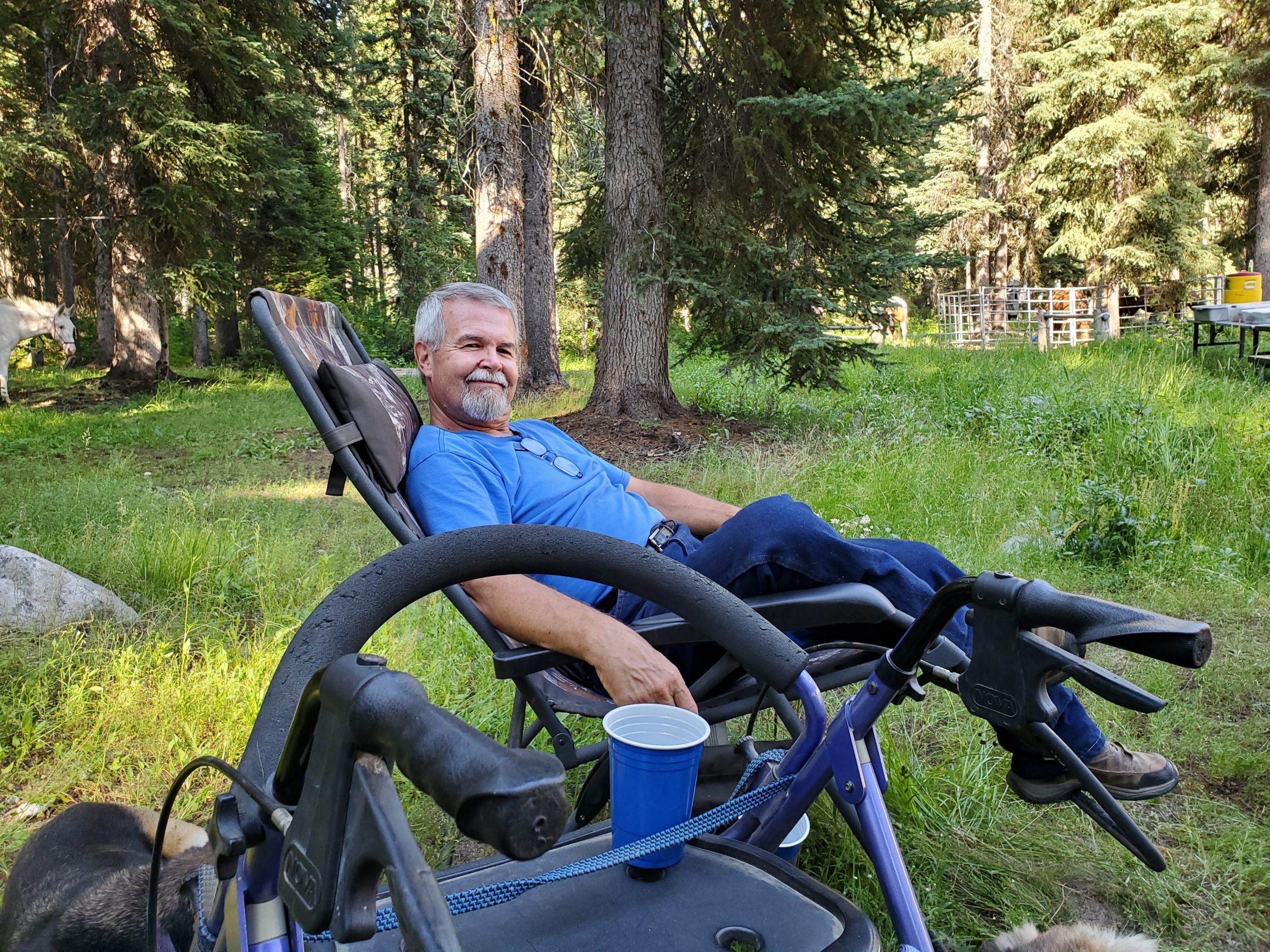

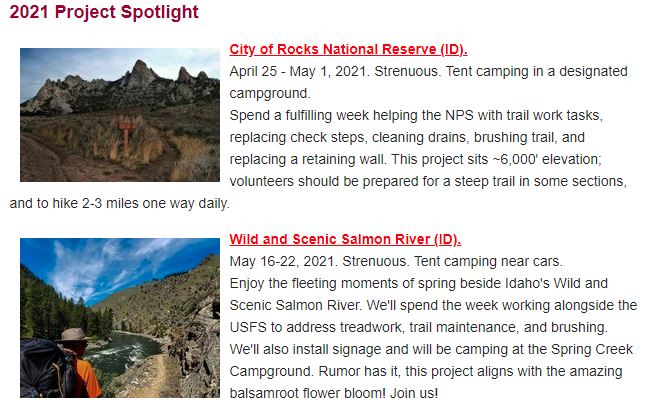
City Of Rocks Project
Wild & Scenic Salmon River Project
Imogene Lake, Sawtooth Wilderness Project (Squaw Butte will be doing pack support)
 2021 modified project protocols for volunteers

As part of our membership drive, we are bringing you weekly updates about some of the programs your donations are helping to make happen!
These tools are OLD!
Since our humble beginnings in 2010, ITA volunteers have spent a decade maintaining hundreds of miles of non-motorized trail in Idaho. This means that our trail work tools have spent 10 years in the field cutting brush, digging tread, mining rock, and sawing logs. Every season our tools travel across the state, from project to project, enabling our volunteers in their stewardship of Idaho’s hiking trails. The current ITA cache is a hodgepodge of Forest Service hand-me-downs, donations from our Board and members, and additional tools paid for by supplemental grants.
These tools have served us well! Our tools traverse the ridges of the Frank Church Wilderness, summit the Sawtooth peaks, boat the wild Salmon and Snake rivers. They brave the snow and sizzle in the heat of summer. Hundreds of volunteers have taken their first Pulaski swing with an ITA tool. Our seasoned equipment has gotten crew after crew of like-minded Idahoans out in the woods to enjoy the best of what Idaho has to offer.
As ITA has continued its steady growth, our tools have been tasked with more and more. They’ve been spread thin. They’ve grown tired. There have been casualties. Every season a few of our hard-working tools succumb to the abuse they receive in their mission to keep Idaho’s trails open. Wobbly shovel heads and wonky pulaskis become the norm when tools are pushed to their breaking point. 2021 will see a continued expansion of our trail program and an increased demand on our tool cache.
With the addition of six week-long youth projects and two Women Only Week-longs, ITA will have more projects running concurrently than ever before. That’s why we are seeking to raise an additional $2,500 this year to fully outfit a 12-person crew with new tools. These tools will ensure that every volunteer that wants to help maintain Idaho’s trails has access to the tools to do so. This cache will allow us to retire some of our older tools that have served many seasons beyond their prime and help us avoid excessive tool-trailer shuttling. These tools will set up ITA for success in 2021!
Will you join us in supporting Idaho’s trails by becoming a member and helping us purchase the tools we need for a strong 2021 season? JOIN or RENEW your Membership


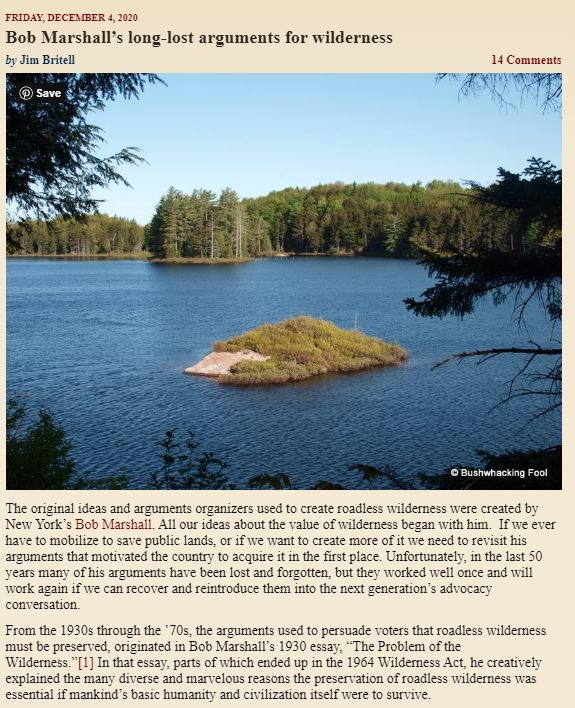
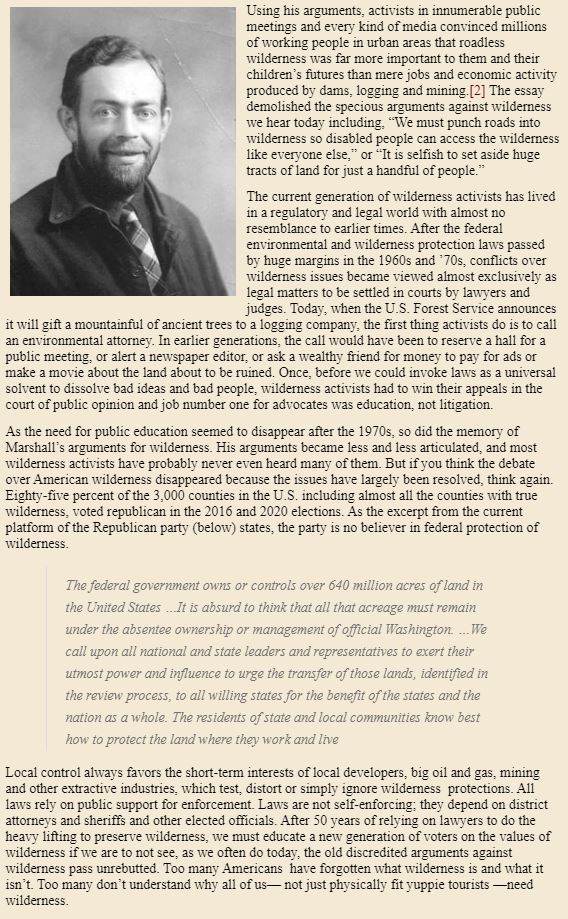
Bob Marshall: https://www.adirondackalmanack.com/2020/12/bob-marshalls-long-lost-arguments-for-wilderness.html
Boundary Waters: https://www.minnpost.com/community-voices/2020/12/saving-the-boundary-waters-is-key-to-solving-the-climate-and-extinction-crisis/
 Millions of Americans breathed a deep sigh of relief in early November when Joe Biden was elected the 46th president of the United States — not only because he signified a return to order and normalcy from the lawlessness of the Trump administration, but also because of his focus on tackling the climate change crisis. It is a gigantic task — as large an undertaking as any that mankind has faced. Opportunities have been missed and progress delayed because of political intransigence. One opportunity that we must not miss, which is before us right now, is the opportunity to protect the Boundary Waters Canoe Area Wilderness (BWCA) from the danger posed by sulfide-ore copper mining.
Banning this destructive mining from the headwaters of the Boundary Waters would deliver multiple benefits of the kind critical to addressing the climate and extinction crisis, including preserving carbon sequestration; avoiding the massive energy demand of large sulfide-ore copper mines and thus eliminating major new greenhouse gas sources; and preserving a 4.3-million-acre ecosystem that provides a refuge for species threatened by climate change.
The Boundary Waters region is vital for carbon sequestration.
The 4.3 million-acre Quetico-Superior region is primarily boreal forest. Boreal forests store more carbon than any other terrestrial ecosystem — almost twice as much per acre as tropical forests. Keeping carbon locked in these forests and out of the atmosphere is a vital part of the fight to keep warming below 2 degrees Celsius. According to a federal government report prepared for members and committees of Congress, each acre of terrestrial boreal forest stores on average about 180 tons of carbon in its vegetation and soils. Destruction of boreal forest for industrial mining is a double whammy — the release of much of that carbon into the atmosphere and the loss of the capacity of the land to take up carbon in the future. The loss is even greater if wetlands are destroyed. Soil carbon levels in wetlands are nearly double the level in the terrestrial boreal forest.
Mechanical destruction of vegetation and soil is not the only harm that would result from permitting copper mining; the carbon storage assets of the Boundary Waters region (surface vegetation, soils, wetlands, and peatlands) are incredibly vulnerable to acid mine drainage – the water pollution that inevitably results from sulfide-ore mining.
Protecting the Boundary Waters is critical for greenhouse gas emission avoidance.
A leading ally of Chilean mining conglomerate Antofagasta, which seeks to develop the Twin Metals copper mine, is Minnesota Power, a local utility that feeds a group of energy-devouring industrial customers. According to MinnPost, 74 percent of Minnesota Power’s electricity is sold to six taconite mines and four paper and pulp mills. Just one taconite mine alone needs roughly the same amount of energy as the City of Minneapolis. Minnesota Power is aggressively seeking to grow its industrial customer base with a Twin Metals copper mine next to the Boundary Waters. Although Minnesota Power has started to shift away from carbon, it has two coal-fired generators (Boswell plant), is seeking to build a $700 million gas plant, and may re-commission a coal-fired plant on the North Shore of Lake Superior.

An estimate of greenhouse gas emissions, based on a 2014 Prefeasibility Report for the proposed Twin Metals mine, is 23,444,730 metric tons of CO2 over a 20-year life of the mine. This is equal to greenhouse gas emissions from adding nearly 5 million passenger vehicles to the roads for one year.
The Boundary Waters is crucial for climate adaptation and resilience.
The Wilderness Society identified 74 places in the United States that are crucial to our ability to sustain biodiversity in the face of a changing climate. These areas have three essential characteristics: (1) an especially high degree of wildness; (2) connectivity to existing protected areas; and (3) diversity of unprotected species and ecosystem types. The analysis found that the Quetico-Superior region is one of the top places in the nation with this “Wildland Conservation Value.”
A recent study by The Nature Conservancy with similar findings underscores the necessity of keeping these areas intact and undeveloped. Consistent with this, The Nature Conservancy, The Conservation Fund, and The Trust for Public Land have acquired large swaths of land across northern Minnesota to keep them protected. Allowing the creation of an industrial mining zone in the watershed of the Boundary Waters would undermine the work that these and other organizations are doing to prepare us for the future.
The Boundary Waters — the heart of the Quetico-Superior region — is a vitally important regional and national asset. It is the most visited wilderness area in the United States. It is the largest wilderness area east of the Rocky Mountains and north of the Everglades. Sacrificing this unique and vital region to sulfide-ore copper mining would destroy not only an irreplaceable recreational and economic treasure, but what is also one of our best natural assets in the fight against climate change.
Becky Rom of Ely, Minnesota, is the national chair of the Campaign to Save the Boundary Waters.
OVERWHELMING SPORTSMAN OPPOSITION TO LUCKY PEAK TRAIL
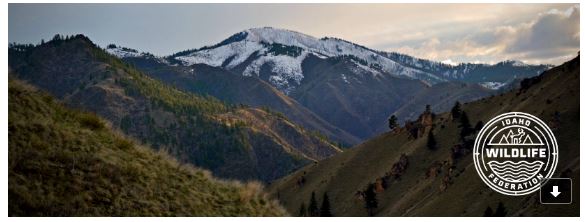
This summer, sportsmen and women rallied together to oppose the Army Corps of Engineers’ plan to construct the Lake View Trail near Lucky Peak Reservoir and within the Boise River Wildlife Management Area. IWF led the charge the organize our community push back on a project that punches through critical mule deer wintering habitat. Of the total comments received, 92% voiced opposition to the construction of the 15-mile multi-use trail.
IWF and many of our affiliate organizations expressed substantial concern about the trail proposal, including the lack of analysis of impacts to the largest migrating mule deer herd in the state and their winter habitat, increased fire risk, and the lack of enforcement during seasonal closures.
The Idaho Department of Fish & Game and the Idaho Fish & Game Commission also strongly voiced these concerns and deserve our continued support. This landscape was set aside decades prior specifically for wintering ungulates and is managed under a specific Wildlife Management Area Plan. Sportsmen and women, the Department, and the Commission are standing together to protect these investments, and the future viability of the land, wildlife, and sporting opportunities.
Last week, IWF staff welcomed the release of additional scientific data that further validates these positions. The map below was published by the USGS as part of their Ungulate Migrations of the Western United States report and outlines migration routes and stopovers of Idaho’s Blacks Creek-Danskin mule deer herd, the largest migrating herd of mule deer in the state. The Army Corps’ proposed Lake View Trail would bisect the western edge of this critical habitat.
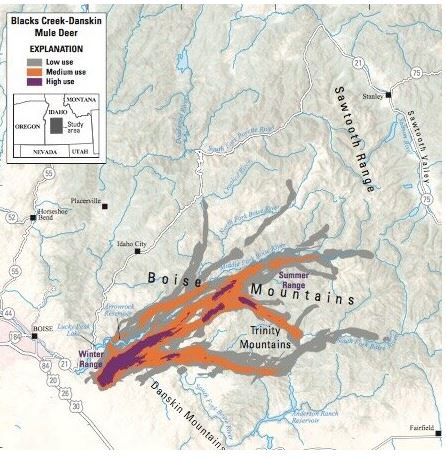
To further highlight the importance of the greater landscape, tack on this additional migration identified just on the other side Lucky Peak Reservoir, as seen in the map below.
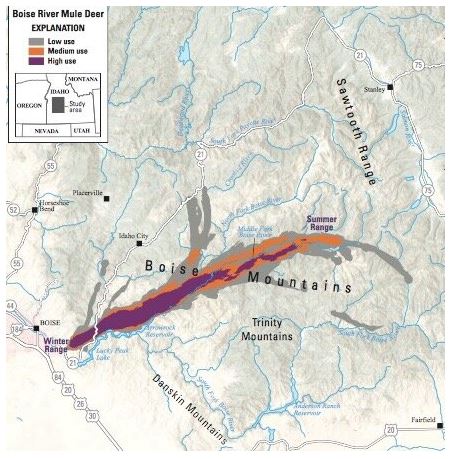
Hunters have shown that we turn heads if we unify and speak as one voice – often it is uncomfortable and unfamiliar, but this is what determines the future of our wildlife and sporting heritage. While reports like the newly released USGS publication should impact land management decisions, it is still essential that we, as hunters, raise our voices of the value of these landscapes to decision makers. As the Army Corps inches closer to a decision, IWF will continue to closely monitor this process.
To read our original blog on this issue, click here. Be sure to check out the full USGS Report to view more of Idaho’s important migrations!
BREAKING: ARMY CORPS DECIDES “NO ACTION” ON LUCKY PEAK TRAIL
The Army Corps of Engineers has just issued a “No Action” decision for the proposed Lake View Trail in critical big game wintering habitat near Boise. The No Action alternative decision is a tremendous win in the eyes of sportsmen and women who have fought for generations to protect Idaho’s largest migrating mule deer herd from encroachment of development.
The Army Corps’ proposed Lake View Trail was a 15-mile multi-use trail near the shores of Lucky Peak Lake and in the Boise River Wildlife Management Area. Idaho Wildlife Federation opposed the trail and expressed significant concerns over the trail proposal’s location, lack of enforceable seasonal closures, fire risk, and direct conflicts with Boise River Wildlife Management Plan’s management directions. IWF, along with our conservation partners, including the Upper Snake River Tribes Foundation, Idaho Department of Fish & Game, and the Idaho Fish & Game Commission raised these points to the Corps over several months- and the Corps’ Lt. Col. Childers listened. The Corps cited that the decision to take no action at this time was due to “the very high value some stakeholders place on the ecosystem outputs provided by the existing habitat conditions and traditional significance of the area.”
“Idaho Wildlife Federation welcomes the Corps’ decision to forgo plans to construct the Lake View Trail. The trail, as proposed, brought significant risks to the landscape utilized by our state’s largest migrating mule deer herd and would have undermined generations of conservation efforts dating back to the 1940s” said Brian Brooks, Executive Director of Idaho Wildlife Federation. “We will continue leading efforts to address the needs of wildlife amidst a rapidly expanding population in Idaho.”
The hills just beyond Boise to the East make up the Boise River Wildlife Management Area; highlighted in this USGS report of major ungulate migrations of the Western US. From as early as 1943, this landscape has been set aside specifically to protect the last remaining wintering grounds for mule deer and elk that migrate upwards of 100 miles to summer feeding grounds near the Sawtooths. This data is critical to showcase the value of conserving winter range at the terminal end of these annual migrations.
“IWF owes a huge thank you to the sportsmen and women who spoke up in opposition during the public comment period,” said Garret Visser, IWF’s Conservation Program Coordinator. “Conservation wins don’t come easy. It takes a lot of work to educate folks on an issue and organize them to take action, but it’s all for nothing if no one takes the step to voice their values. This decision was made possible by our voices echoing all the way to the Army Corps’ desks in Walla Walla.”
92% of submitted public comments opposed the construction of the trail. “Those numbers are remarkable,” concluded Visser. “Wildlife conservation is still such a uniting issue.”
Check out the Army Corps’ decision here.



The Board of Directors is excited to announce that Melanie Vining has accepted the position as ITA’s new Executive Director! Melanie is a backcountry enthusiast with a strong passion for hiking, Idaho’s public lands, and helping to keep our trails open. She lives in Council with her husband Dave and two sons Wyatt and Wade. Her diverse background includes serving as a high school teacher, working for the Forest Service early on as a smokejumper and later as a zone hydrologist. She was instrumental in creating the Council High School Youth Crew, teaching youth life skills while helping assist the forest on projects. Melanie has also served on several Boards of non-profits. She began working with ITA in 2019 as a crew leader for our first Youth Trail Crew trip and has been an active ITA volunteer since then. Melanie brings a solid set of leadership skills to the job and the Board and Staff are looking forward to working with her starting in early January. Welcome to the ITA family, Melanie!
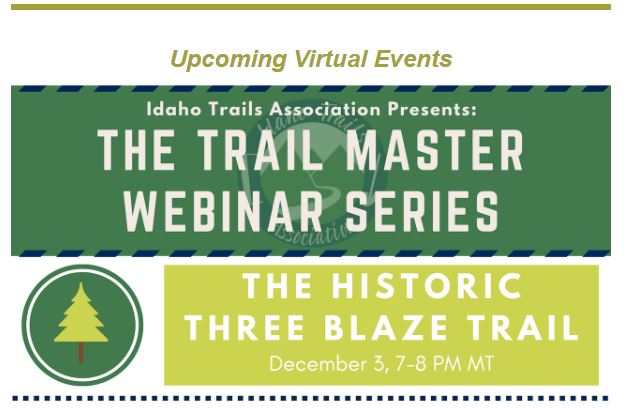
Three Blaze Trail
December 3, 6pm PST/ 7pm MST
Join the Payette National Forest Heritage Program for a virtual presentation on the Three Blaze Trail. Built in 1902 by homesteaders and horsemen, the trail delivered miners to the town of Roosevelt and the Thunder Mountain mines. ITA volunteers from the Three Blaze Trail survey project will also share stories and photos from their recent survey trip. Learn more about this historic trail by signing up here.
Jeff Halligan Virtual Retirement Party
December 17, 6pm PST/ 7pm MST
Join us for an evening of celebrating Executive Director Jeff Halligan and sending him off into a happy retirement. Sign up to join this Zoom event here.

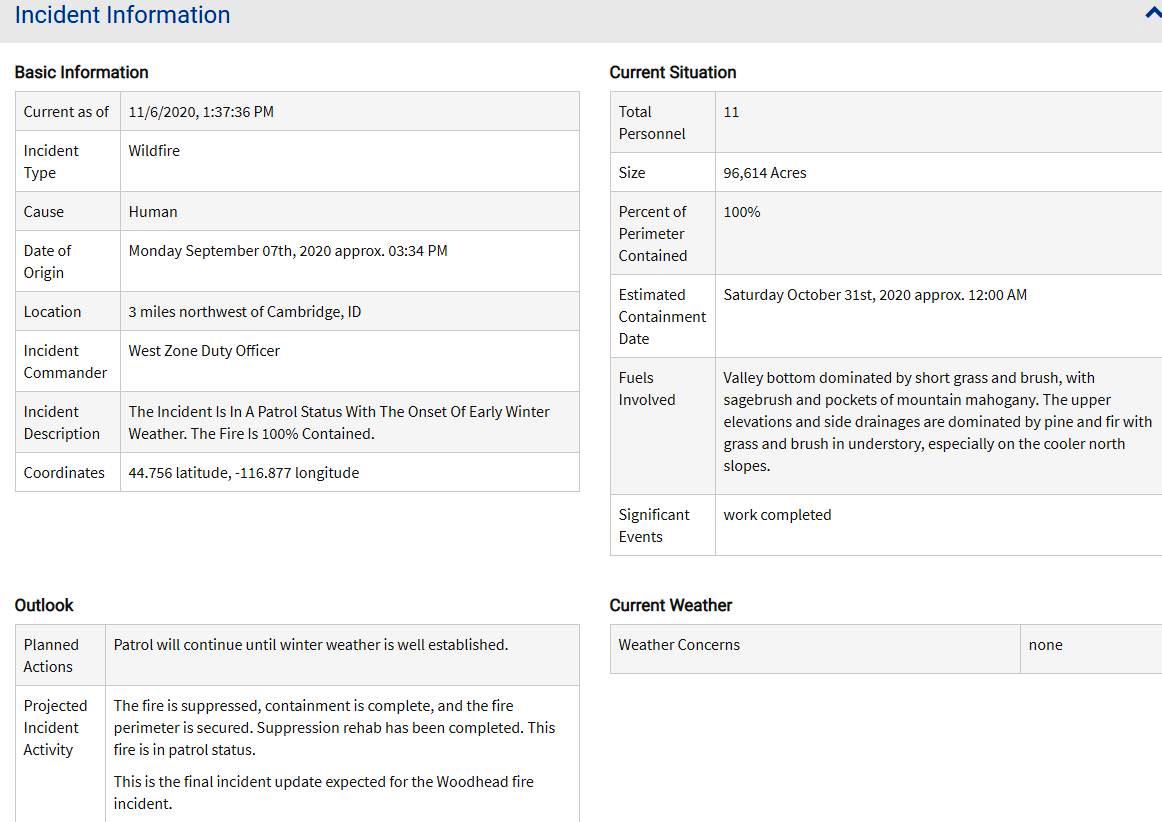
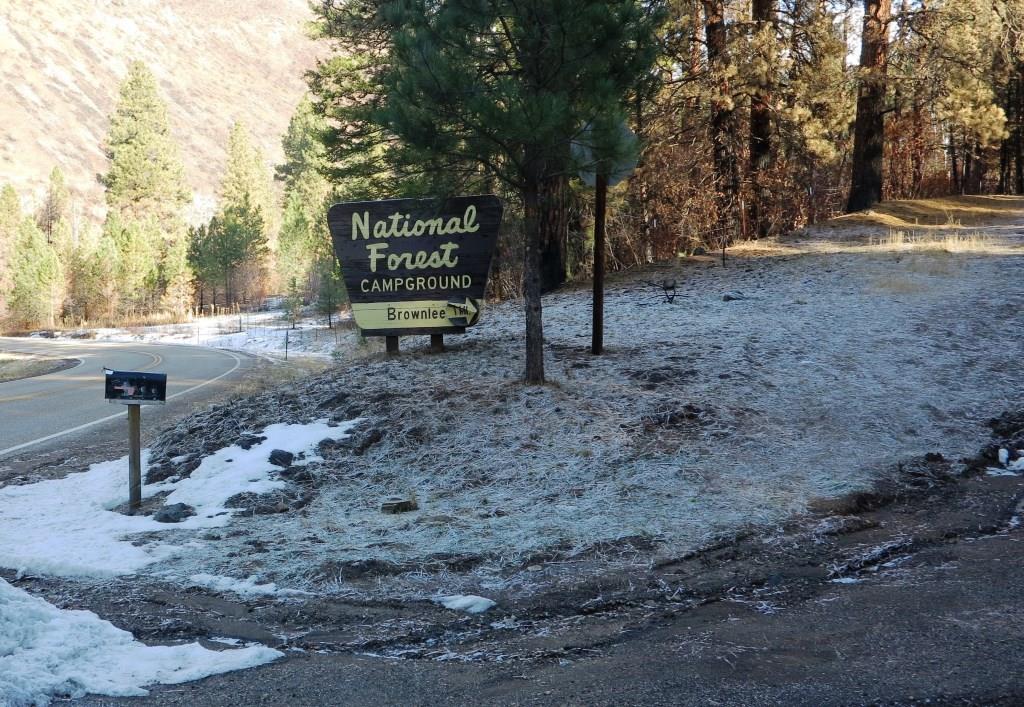
November 21, 2020 was a blue bird day for penguins, at 10:00 it was 33 degrees at my home, but the urge to get in one last ride while the roads are not snow covered was too great. I was curious about the Woodland Fire near Cambridge, so I dress for cold riding and headed for the Brownlee campground to see what damage was done on Cuddy Mountain. There is fire damage on both sides of Highway 71, but most was on the north side. There are still hot spots that the rain and snow have not completely put out yet, but it is very unlikely they can spread. No building along the road were damaged, but the black goes right to the edge of some of them. Cuddy is a patch work, black areas but also a lot of unburned areas.
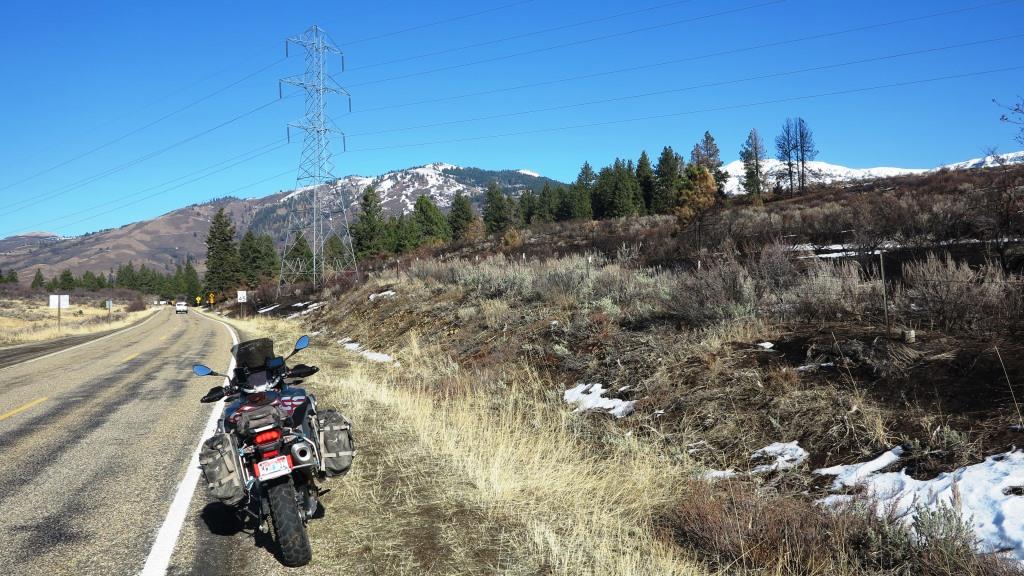
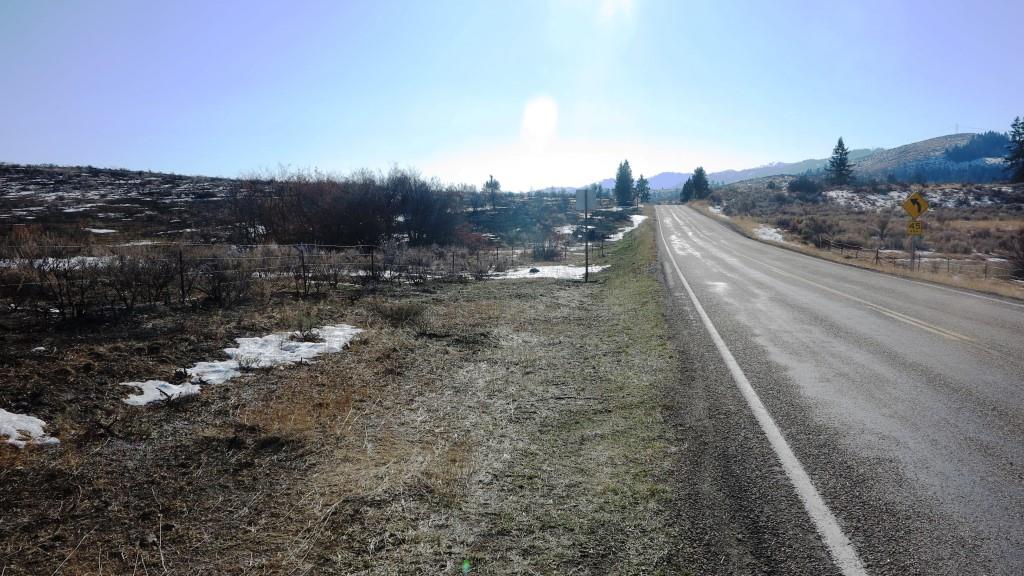
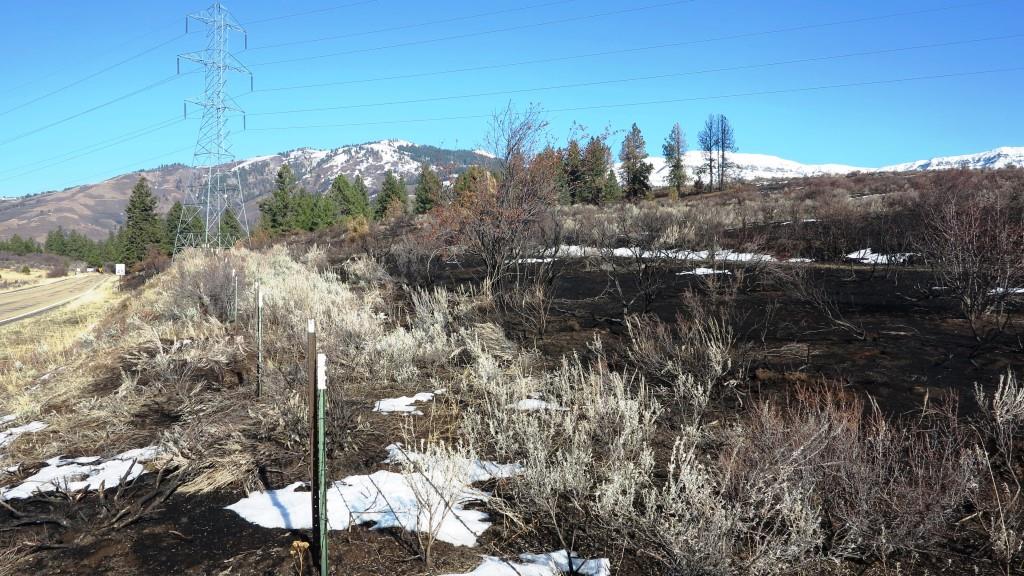

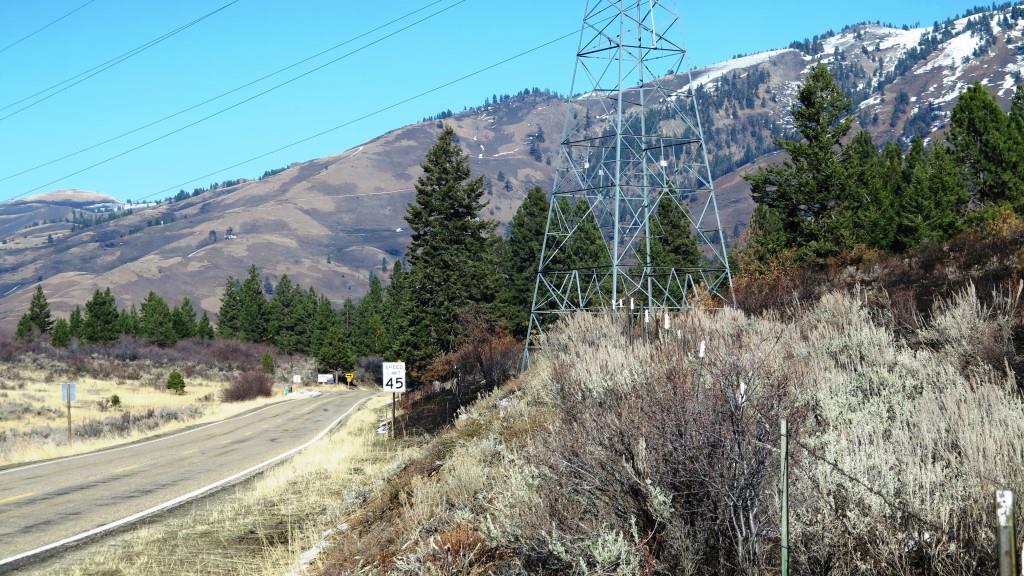 Brownlee Camp ground did burn, but most of the big trees should be ok, in that area it mostly burned the brush. No idea what the condition of the trail on that part of the mountain are like, something to check out next summer.
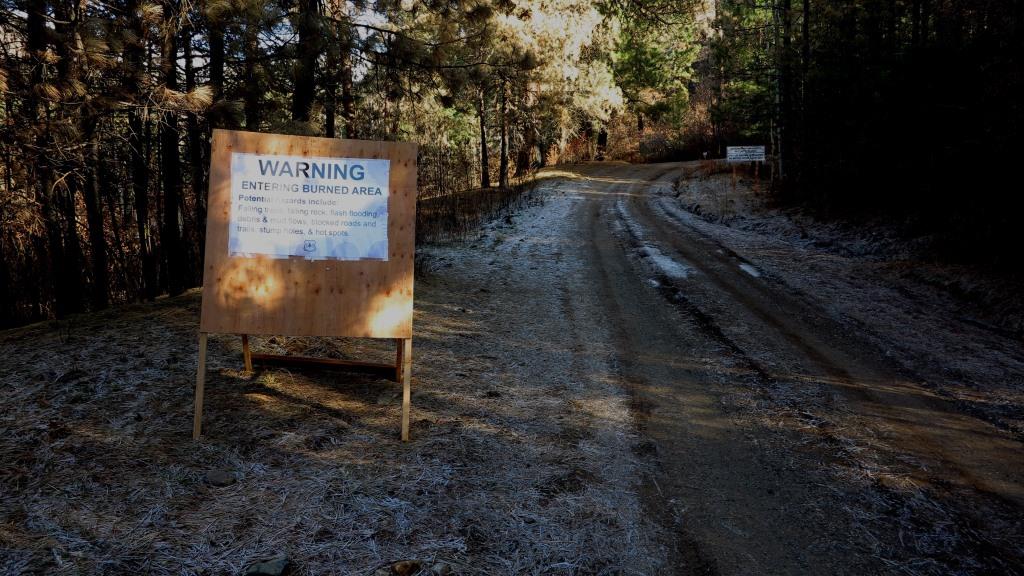
The Woodhead Fire burned almost 100,000 acres to date and is now 100% contained. The burned area is located east of Council, Idaho including lands in the Payette National Forest. Starting September 28, a team of Forest Service specialists conducted field assessments to determine the need for burned area emergency response (BAER) treatments. Specialists included hydrology, soils, engineering, botany, range, recreation, fisheries, archeology, and wildlife. BAER is a specific effort to reduce further damage due to the land being temporarily exposed in a fragile condition. Loss of vegetation exposes soil to erosion; water runoff may increase and cause flooding; sediment may move downstream and damage houses or fill reservoirs, putting habitat and community water supplies at risk. The BAER program is designed to address these situations through the key goals of protecting life, property, water quality, and deteriorated ecosystems.
Led by West Zone Hydrologist Melanie Vining, the Woodhead Fire BAER Team uses satellite imagery of the burned area to classify the landscape into low, moderate, and high soil burn severity. The fire on the forest burned in a mosaic pattern with most of the burned area classified as unburned, low severity, or moderate severity. The burned area was initially classified using the satellite imagery and adjustments in classification were made based on ground surveys to yield a final soil burn severity map.
The entire burned area is mapped, though the field work and treatments identified by the Forest Service BAER Team are limited to only the acres of burned area on the Payette National Forest. A BAER Plan summarizing the assessment results and describing the proposed treatments has been prepared and is pending approval. Approved treatments will be implemented over the next 12 months using federal dollars on federal lands. Areas of concern for watershed impacts are in places that experienced higher burn severity, namely in Crooked River, No Business Basin, and Brownlee Creek.
After the fire burn severity map is completed and the BAER treatment plan is approved additional information will be provided to the public. While the BAER program does not prescribe treatments on non-federal lands, the assessment and hydrologic risk analysis can be useful to adjacent and downstream landowners to inform their own range of possible treatments. The Woodhead BAER team continues to share information with County officials and other agencies who in turn coordinate with affected landowners.
The company owned by a pair of Texas Billionaires who bought up significant land holdings in Idaho in recent years – listed a big chunk of it for sale.
The property listing comes to light as another for-profit company hopes to convince State of Idaho leaders to transfer control of a similarly-sized piece of property nearby.
Dan and Farris Wilks’ Wilks Ranch Brokers listed a 48-square-mile piece of property to the west of McCall for sale last year. The property, which the Wilks’ call McCall Red River Ranch, is the largest piece of property for sale by the firm. Last year, the Idaho Statesman estimated the Wilks’ own more than 300 square miles of land across the state.
“At over 30,000 contiguous deeded acres, McCall Red Ridge Ranch is a scenic mountain timber ranch nestled in the stunning Payette National Forest,” Wilks Ranch Brokers says of the offering on its website. “Overlooking and adjacent to the major tourist town of McCall, Idaho, the ranch has uniquely positioned mountain ranges… A unique and rare first time offering, this recreational and productive ranch is full of water, timber, big game, and endless division and subdivision possibilities.”

 WATCH VIDEO
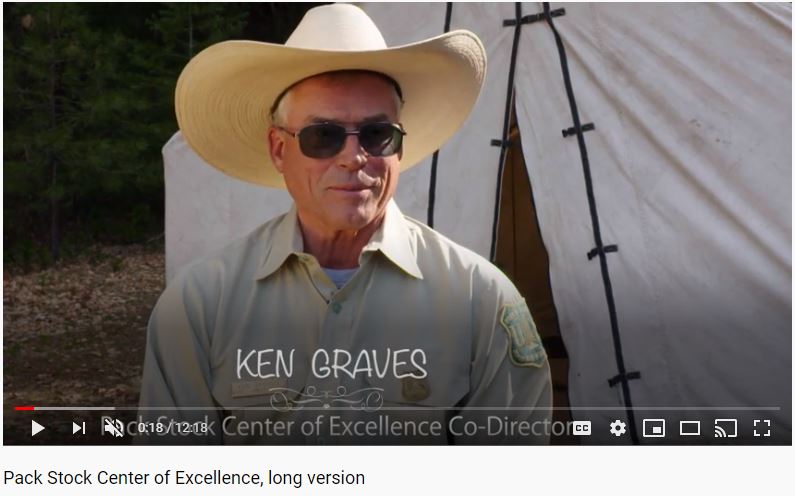
The Pacific Southwest Region’s Pack Stock Center of Excellence is an innovative program that honors Forest Service tradition while addressing current and future needs. This 12-minute video shows how horses and mules have been used in the agency since its inception. With the passage of the 1964 Wilderness Act, which generally prohibits motorized equipment and mechanized transport in these areas, packing has become the key method of transportation for both people and supplies into the backcountry for increasingly important work.

 This summer a member of the chapter mentioned that in the past he had participated in packing in fish to a mountain lake and suggested that we might want to contact Fish & Game about getting some of their left over fish fingerlings in the fall after they had finished with their planned stocking. Calls were made and Malia Galloher 208-305-7822 in McCall agreed to call us if fish were available and we could agree on suitable lakes that could use them. At the end of September Malia called and said they had some Grayling that they would like to stock in lakes on the south western side of the Frank Church. The lakes being considered were Pistol and 44 lake near Landmark.

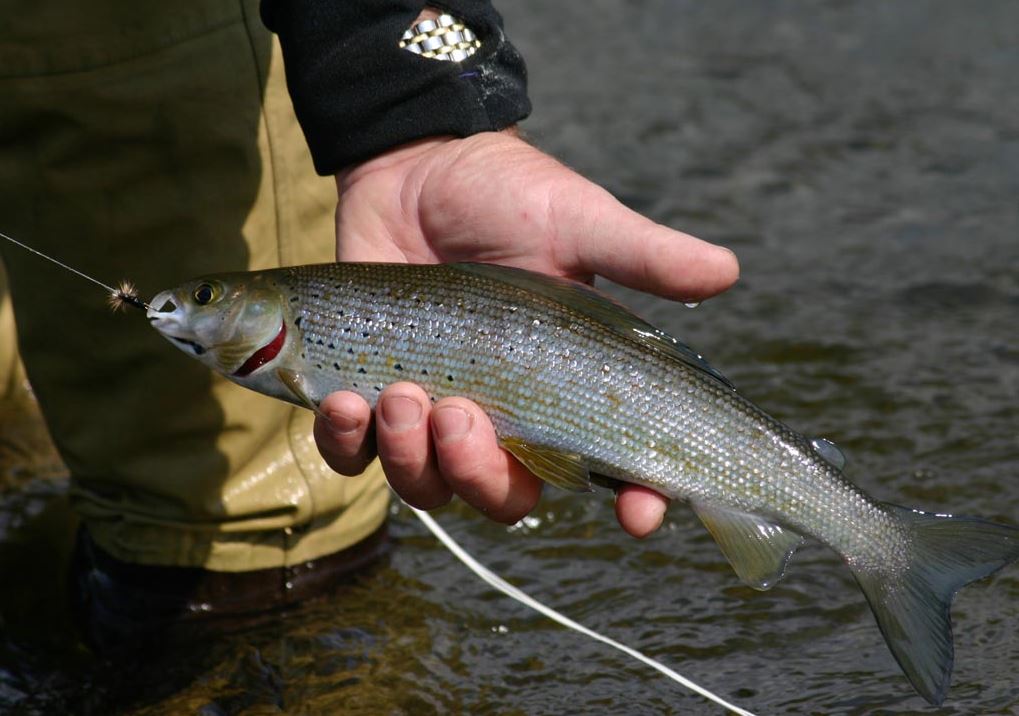
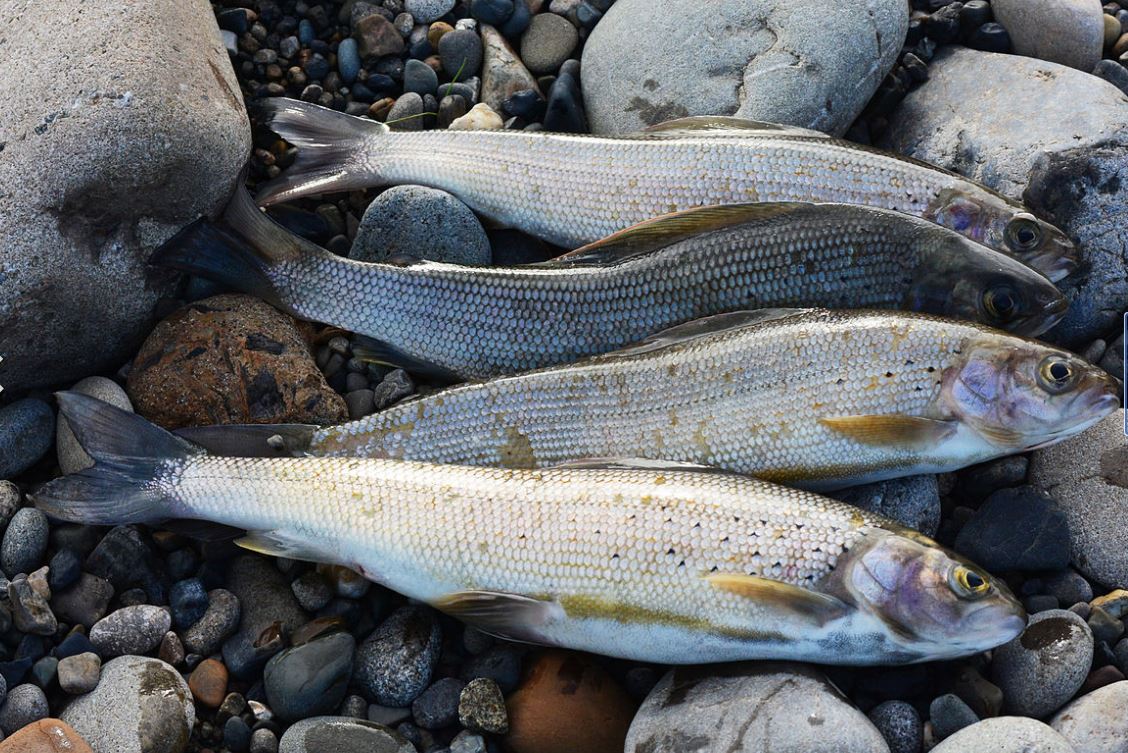
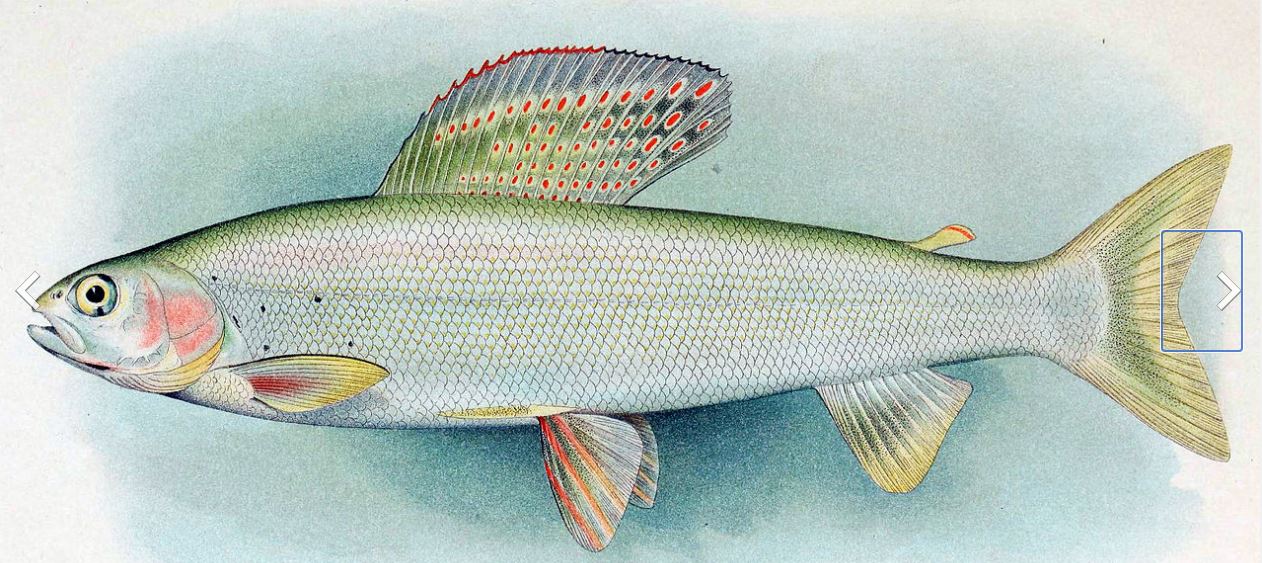
 Arctic grayling grow to a maximum recorded length of 76 cm (30 in) and a maximum recorded weight of 3.8 kg (8.4 lb). Of typical thymalline appearance, the Arctic grayling is distinguished from the similar grayling (T. thymallus) by the absence of dorsal and anal spines and by the presence of a larger number of soft rays in these fins. There is a dark midlateral band between the pectoral and pelvic fins, and the flanks may possess a pink iridescence. T. a. arcticus has been recorded as reaching an age of 18 years.
Where are grayling found?
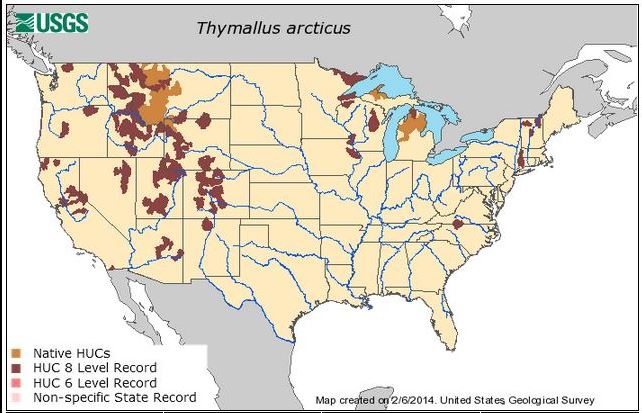
RANGE: Arctic grayling are native to drainages of the Arctic Ocean, Hudson Bay and Northern Pacific Ocean in North America and in Asia. Two distinct populations historically inhabited waters in Michigan and Montana. The distinct population of Arctic grayling in Michigan is now extinct.
The arctic grayling is not native to Idho or Utah, but it has been introduced into several high elevation lakes in the Mountains. The arctic grayling eats primarily invertebrates, including insects, insect larvae, and zooplankton. … Grayling are related to trout and can be caught using familiar techniques.
How do you catch a grayling in a lake?
Arctic grayling can be caught in mountain lakes and streams. Grayling are typically caught with artificial baits including small spinners, lightweight jigs, wet flies and dry flies. They can be easily caught using a spinning rod and spinning reel.
Are Grayling good to eat?
Alaskan Arctic Grayling are a delight to catch as they readily hit dry flies and are a darn good fight for their size. … It is debated that the Alaska grayling is one of the best eating freshwater fish in the world. Their flesh is white and flaky when cooked over an open fire for a tasty shore lunch.
Life cycle
Several life history forms of Arctic grayling occur: fluvial populations that live and spawn in rivers; lacustrine populations that live and spawn in lakes; and potamodromous populations that live in lakes and spawn in tributary streams.
The Arctic grayling occurs primarily in cold waters of mid-sized to large rivers and lakes, returning to rocky streams to breed. The various subspecies are omnivorous. Crustaceans, insects and insect larvae, and fish eggs form the most important food items. Larger specimens of T. arcticus become piscivorous and the immature fish feed on zooplankton and insect larvae.
Spawning takes place in the spring. Adult fish seek shallow areas of rivers with fine, sand substrate and moderate current. Males are territorial and court females by flashing their colourful dorsal fins; the fins are also used to brace receptive females during the vibratory release of milt and roe. The fish are nonguarders: the eggs are left to mix with the substrate. Although the Arctic grayling does not excavate a nest, the highly energetic courtship and mating tends to kick up fine material which covers the zygotes. The zygote is small (approximately 3 mm or 0.1 in in diameter) and the embryo will hatch after two to three weeks. The newly hatched embryo remains in the substrate until all the yolk has been absorbed. They emerge at a length of around 12 to 18 mm (0.5 to 0.7 in), at which time they form shoals at the river margins. The juveniles grow quickly during their first two years of life.
Idaho Fish & Game McCall Hatchery
Species Production – Summer Chinook salmon is the primary species produced at McCall hatchery. A resident species program operates during the summer months, producing small fish for statewide mountain lake stocking, and redistributing catchable size rainbow into local area waters. https://idfg.idaho.gov/fish-identification
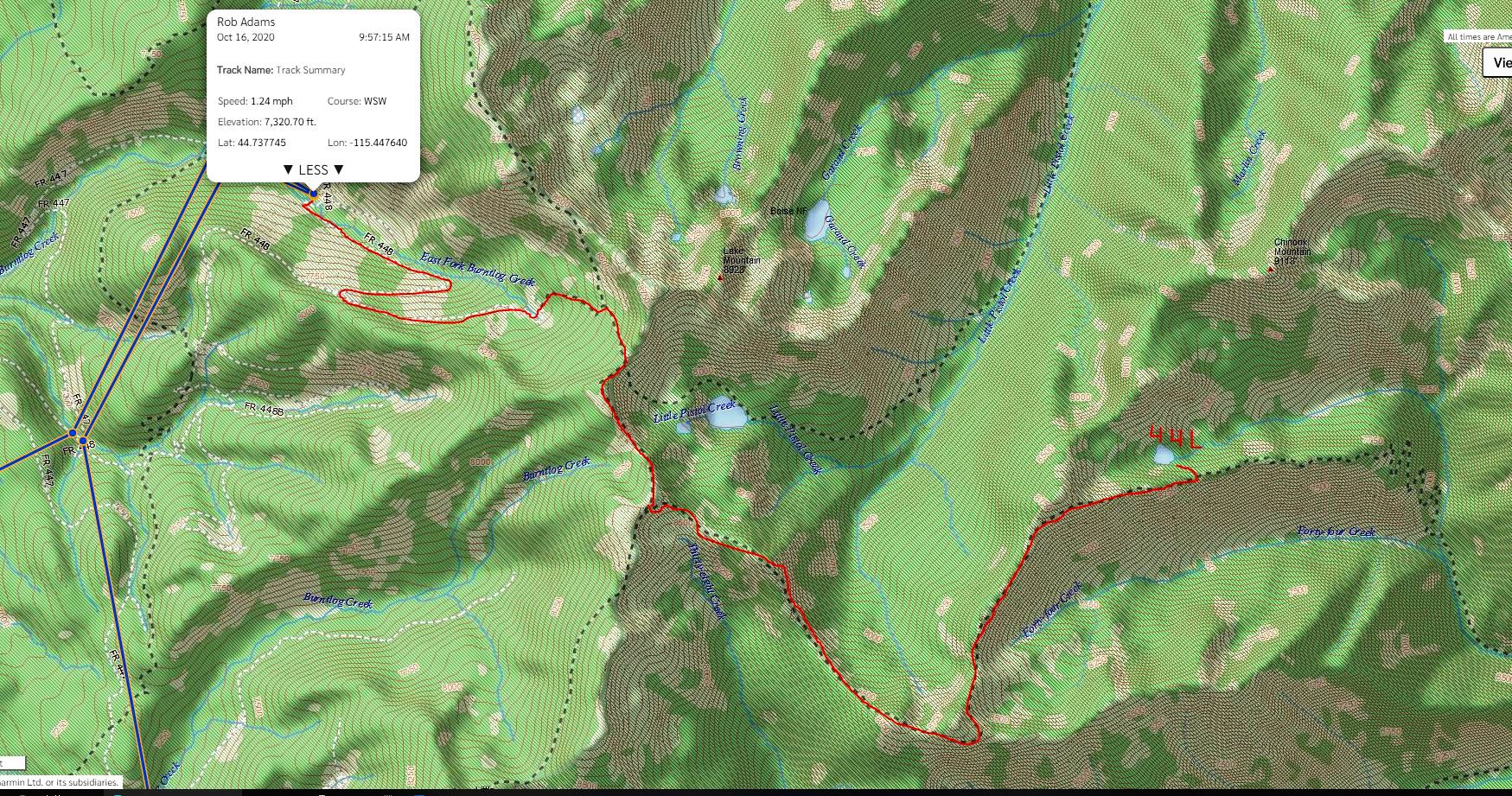
The Plan was for Joe Williams with his stock to drive up to the Pistol Lake trail head north east of Landmark on FR – 447 on Thursday October 15, and Rob Adams to meet Fish and Game on Friday the 16 to shuttle the fish to the trail head. Arrangements were made to meet F&G in Cascade on Friday morning at 08:00 at Grandma’s dinner. At 07:50 the F&G truck arrived and eight 3 gallon bags of fish were quickly loaded into coolers in Rob’s truck. The drive from Cascade to the trail head takes around 90 minutes and when Rob Arrived Joe was just finishing saddling his stock.
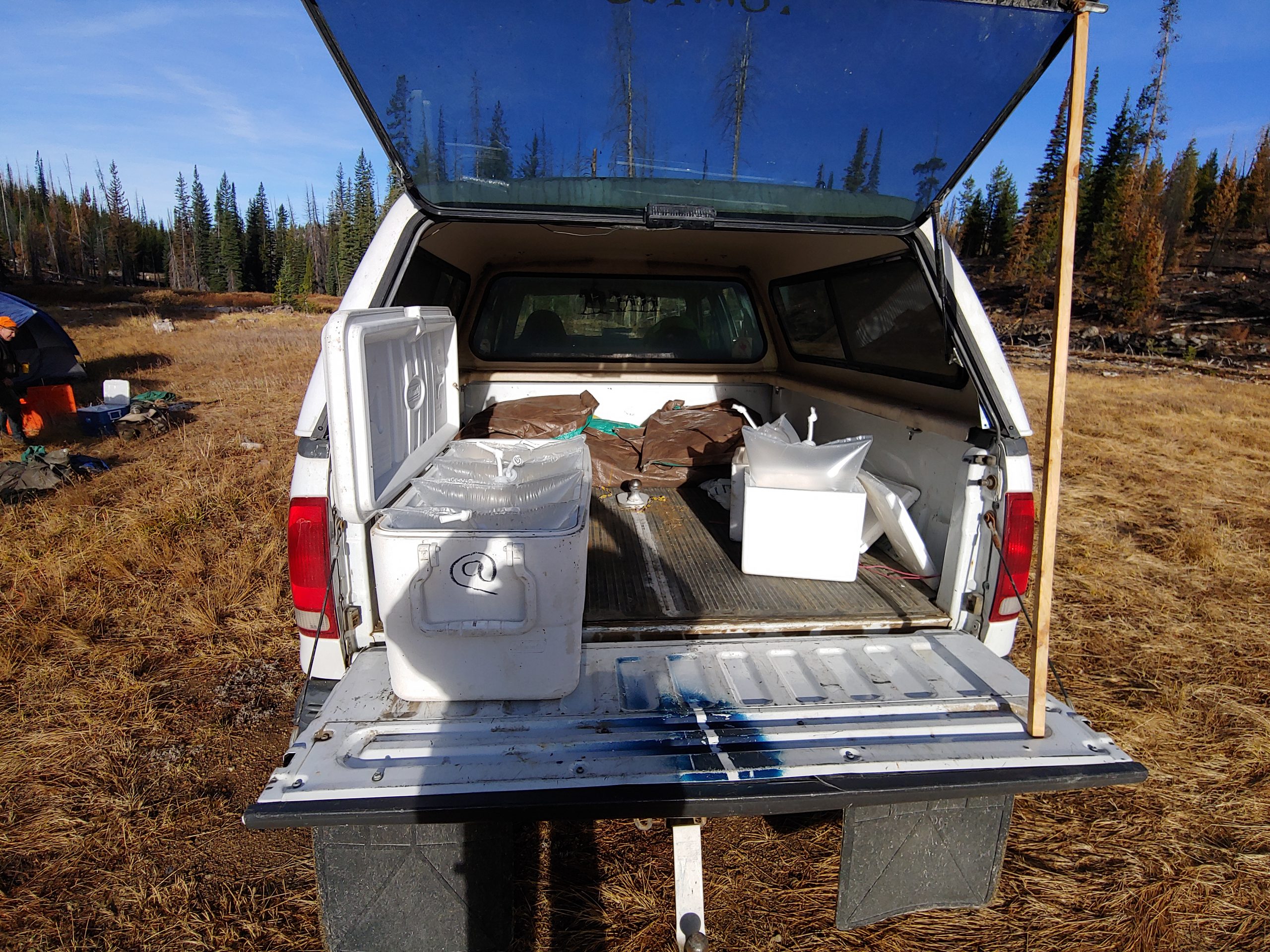
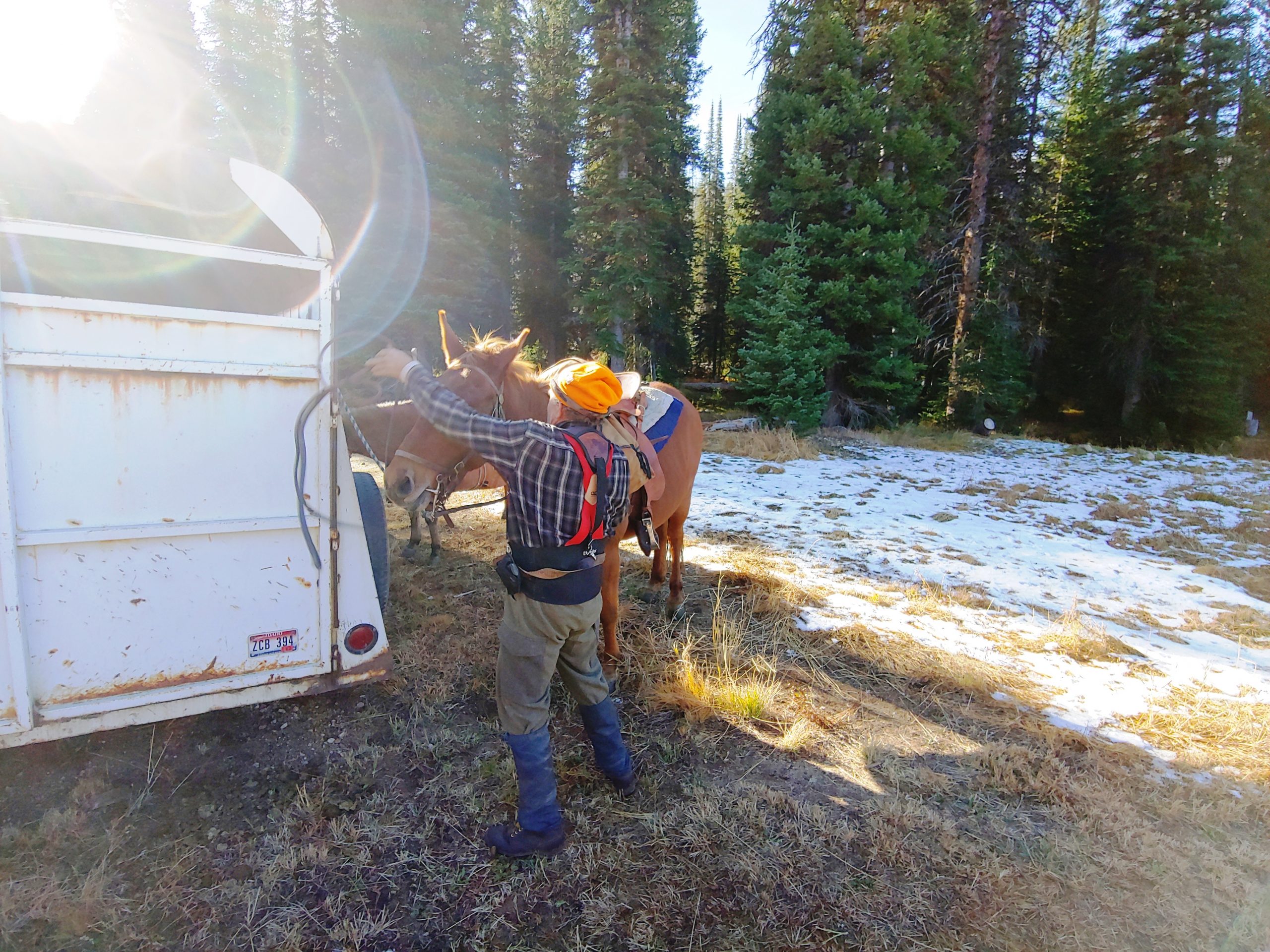 A bit of air was removed from each bag and the fish were loaded into some ridged pack boxes and the rest of the loads were hung and within 60 minutes of Rob’s arrival Joe was loaded and heading down the trail for the 7 mile ride into 44 Lake.
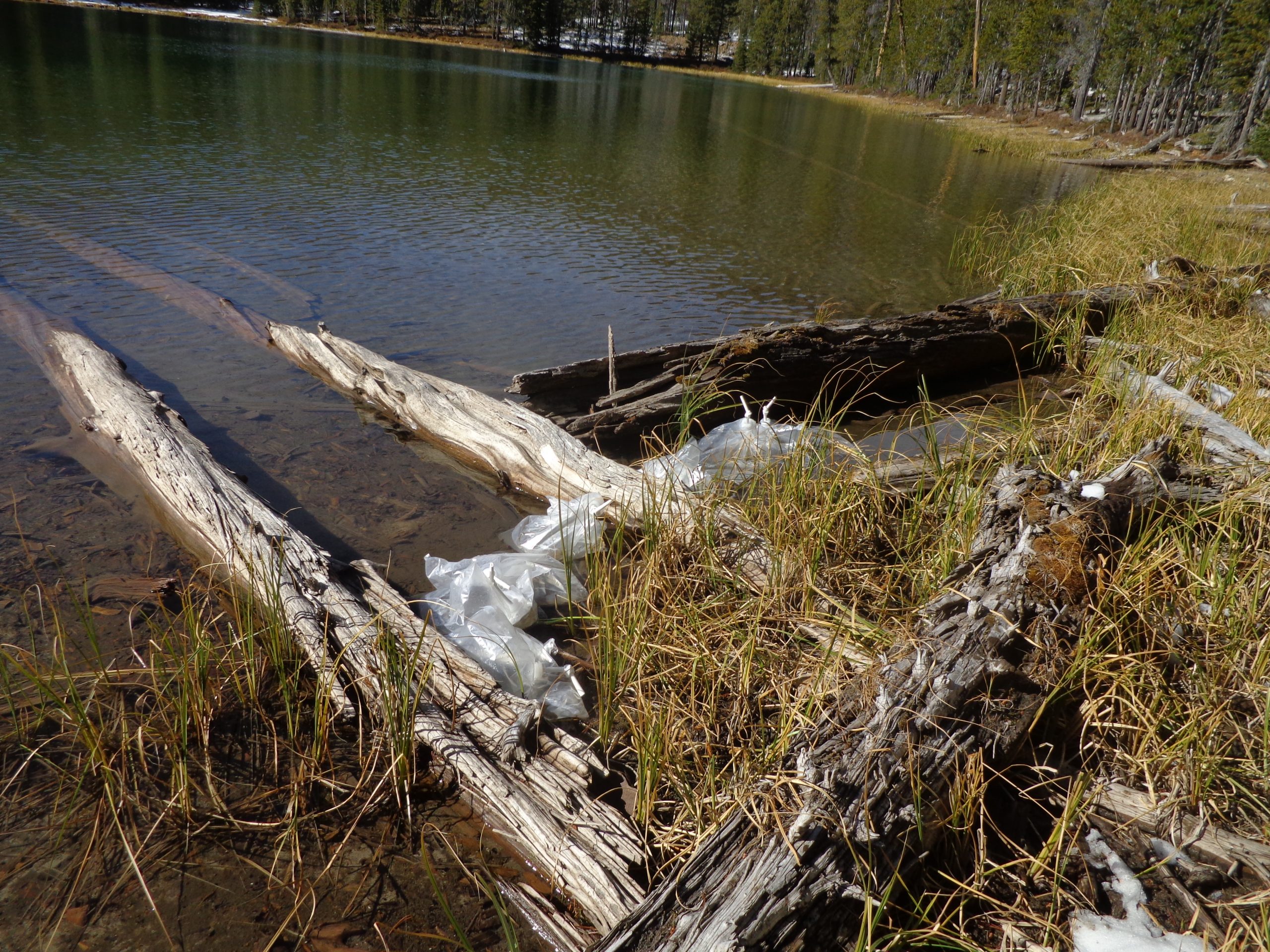
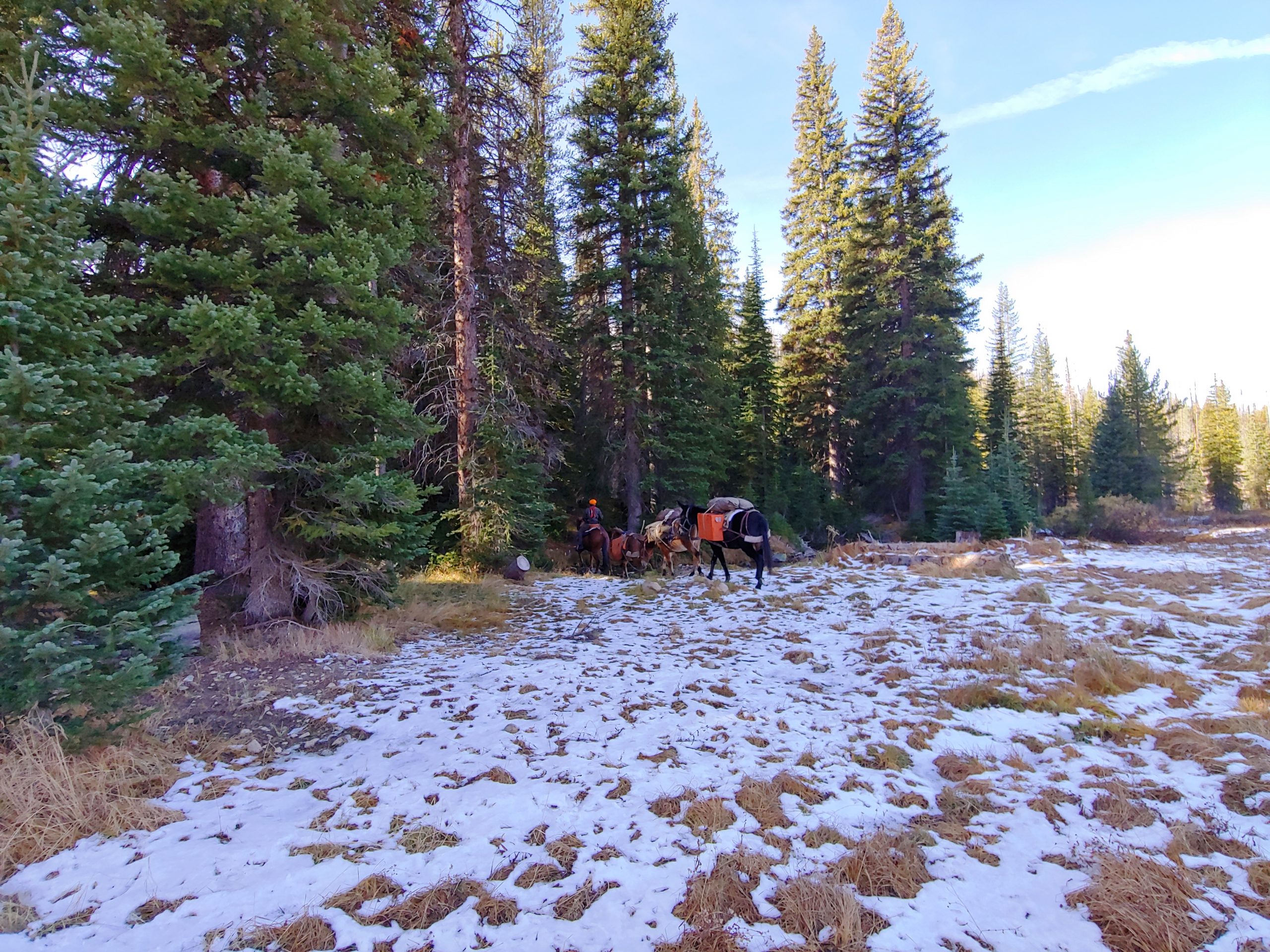 Joe reported on Sunday, that the fish did well and only a few didn’t hit the lake water and quickly disappeared into its depths. In a couple of years there should be some good Grayling fishing in this remote mountain lake.
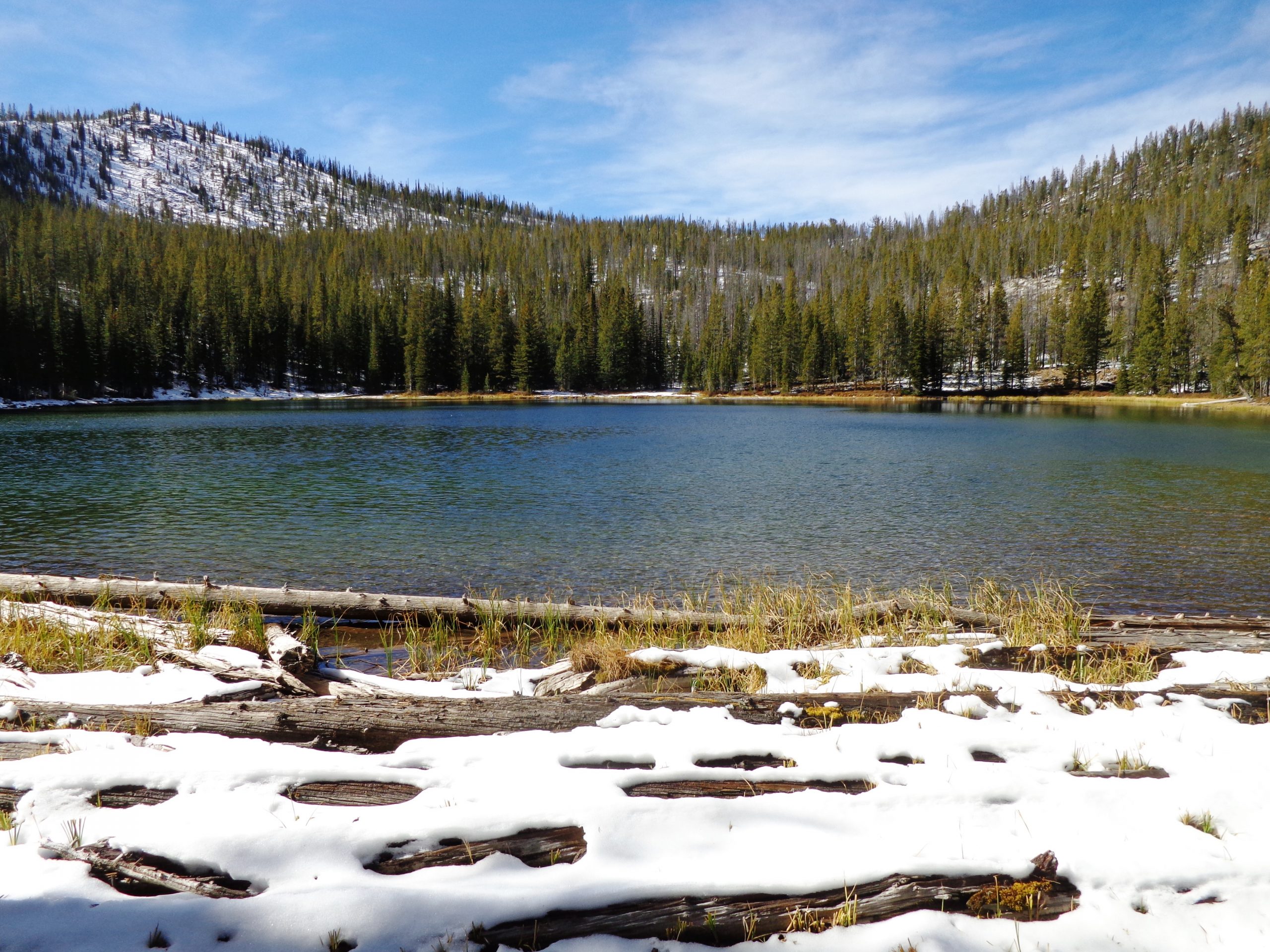
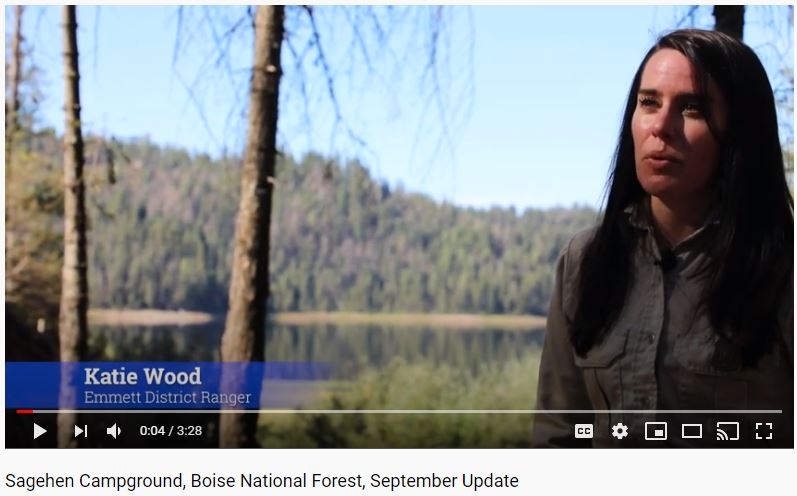 The culmination of 2020 Field season; showcasing the timber harvest and restoration of the Sagehen area including roadside hazard and removal of hazard trees in campgrounds for public health and safety.
WATCH VIDEO
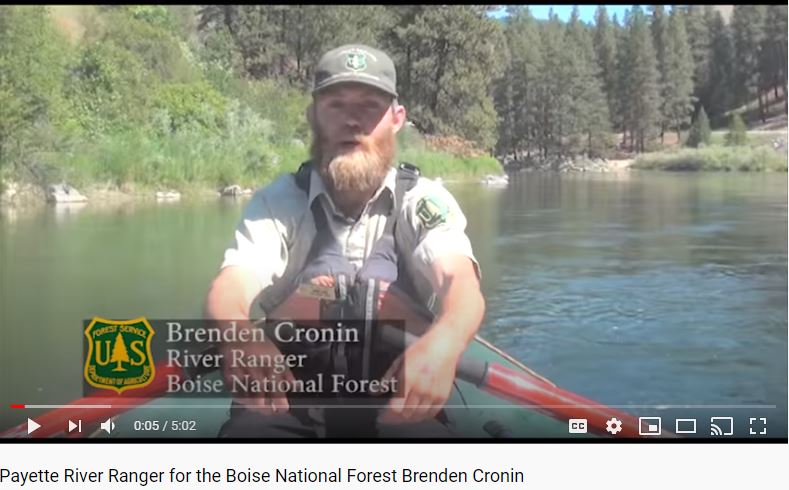 Brenden Cronin is the River Ranger on the Payette River on the Boise National Forest. Brenden describes his job and his work duties on the river. Brenden spends time floating the river, picking up trash, cleaning toilets, and he helps people load and unload their boats from the river. There are seven river sites along the Main Payette River and Brenden maintains those by stopping at those sites and picking up trash and cleaning those toilets at the sites. Brenden spends time talking to people on the river and informing them about the use of the river and any hazards that might exist. Filmed and edited by Charity Parks. WATCH VIDEO
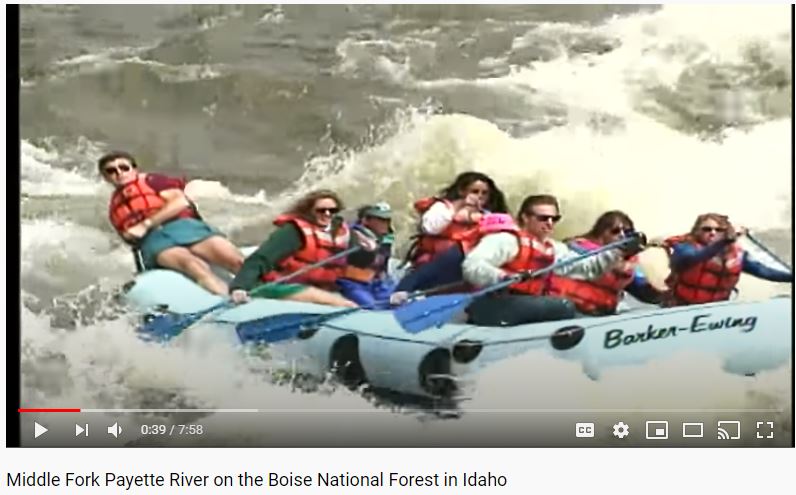
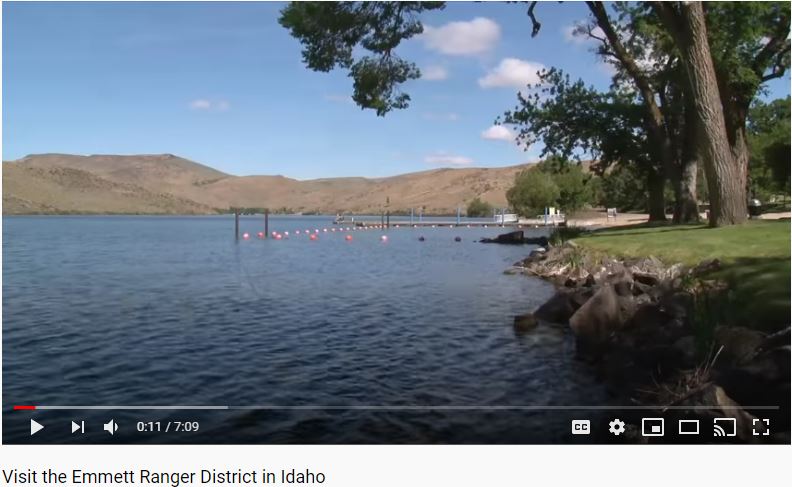





Today we’re relaunching #VotePublicLands, American Hiking’s nonpartisan voter education and engagement effort.
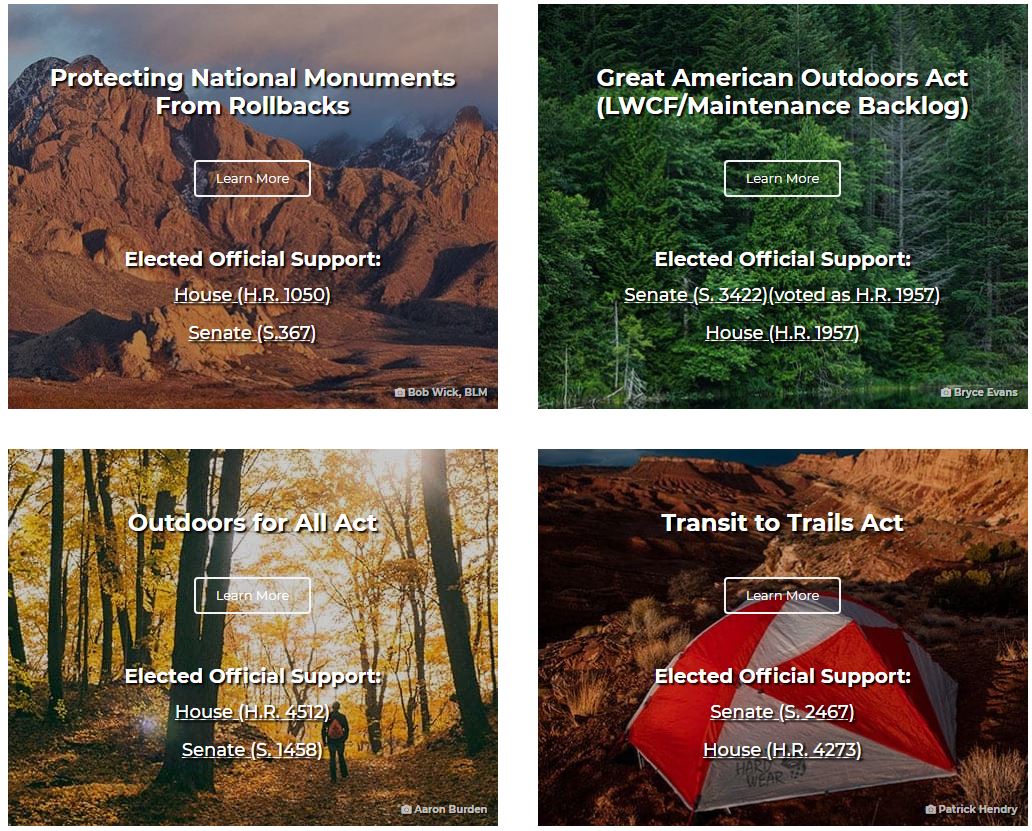
2020 has been a big year for public lands, and we’ve seen that when the hiking community uses its collective voice we can advance public land priorities. We worked hard for the Great American Outdoors Act to become law with overwhelming bipartisan support, but the work doesn’t stop there. We as hikers need to work towards equitable access to the outdoors for all.
One of the most important ways to make our voices heard is to VOTE. Through #VotePublicLands, American Hiking provides our members and supporters easy to use resources to register to vote, check registration status, and request an absentee ballot/vote by mail.