Author Archive

Into the Wild West

cc

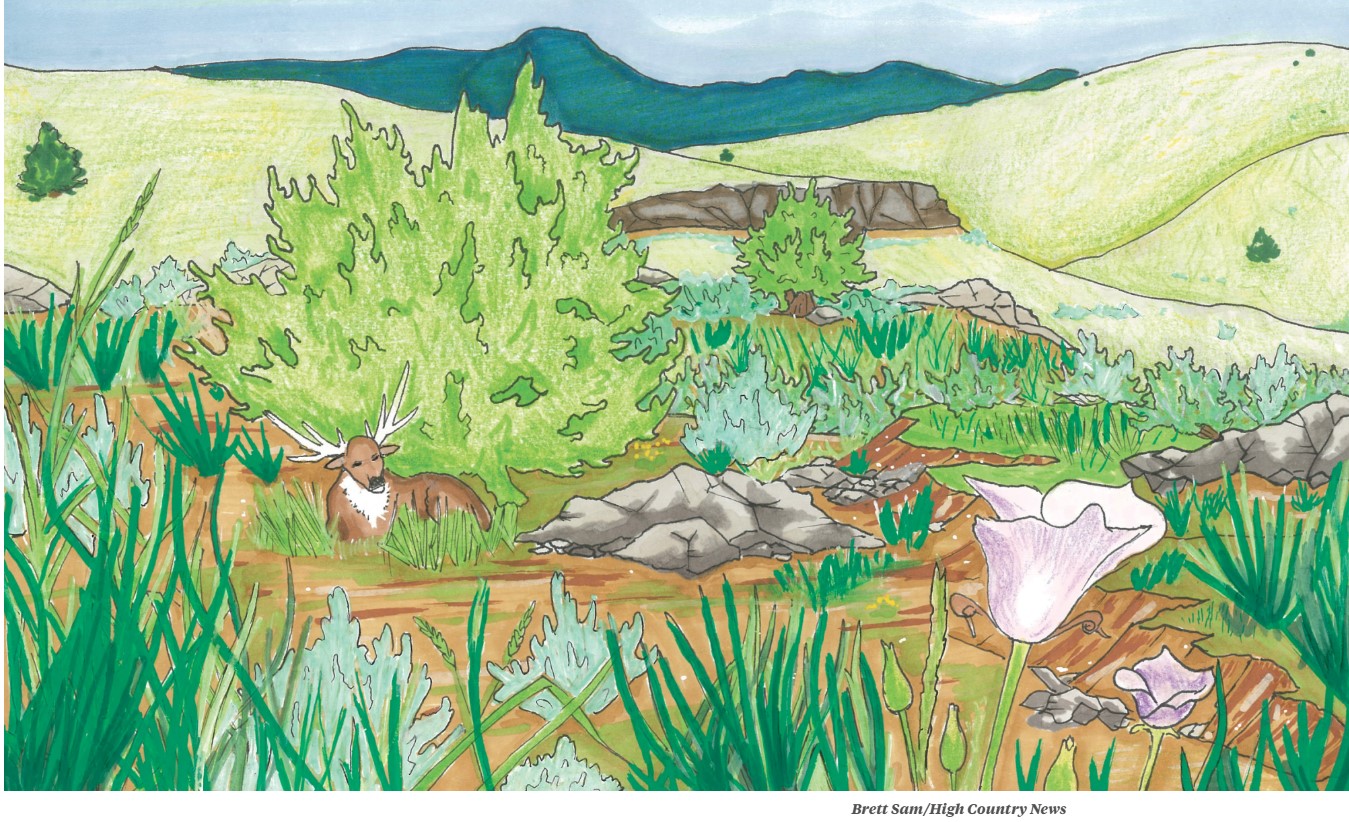
A suburban family’s thrilling, chilling, life-changing trip through the beyonds of the Sierra Nevada

It wasn’t until we reached the summit of Mono Pass, a spectacular trail carved 12,150 feet up in California’s Sierra Nevada, that my maternal alarm bells went off.

Ahead of me, my husband and three children were about to descend a series of steep, narrow switchback trails littered with loose granite rocks—on horseback.

Suddenly, hazards seemed to be everywhere. The altitude was winding the horses. Bears lurked in the vast forest below. Mountain lions obviously lay in wait. The words of Craig London, the owner of Rock Creek Pack Station who’d sent us on our six-day trip that morning, echoed in my head. “You’re completely dependent on your stock,” he said, looking us in the eye. “If a horse trips and falls, you die.”
Terror was not what I had envisioned when my husband, an intrepid traveler, proposed taking our suburban New Jersey children on an outdoor adventure. Ages 12, 9 and 9, the kids were growing up much more “indoors-y” than out—to them, “the wilderness” might as well have been a sequel to “Angry Birds.” George wanted to give them a memorable experience and teach them some basic survival skills before they became completely alienated from the natural world. He assured me that they would be more than fine without the antibacterial wipes, helmets and location-tracking iPhone apps that we had come to rely on at home. The physical discomforts, he argued, would be worth it
Read the rest of the story

Upgrading my truck for more load capacity!

knots


My 1999 F250 is starting to show it age.  With over 210 thousand miles the leaf springs in the back have lost some of their bounce.  Also the trailers I am towing today have a higher  weight then when I started.  Last summer I noticed that handling was getting soggy and I had to be careful not to get the trailer swaying.  I briefly considered replacing it with a newer F350, but as the truck is otherwise in good condition, choose instead to upgrade the load capacity to around what a new F350 would have.

Read how I did it.

Knots for Horse Riders

knots

Knowing how to tie useful knots is an important skill for horse riders. Learn how to tie the knots below to make your rides more enjoyable and perhaps even safer.  To lean how  < Click Here>

Wild Riders

Wild Riders

Wild Riders is a partnership between the Back Country Horsemen of America and The Wilderness Society to “insure that traditional, historical and responsible pack and saddle stock use in wilderness areas is recognized, protected, supported and sustained consistent with the capabilities of the land.” We believe that trails are a critical way to connect Americans to the outdoors and to insure our wild heritage remains cherished and protected.

Boise & Payette Forest Coalitions

IFRP

The Idaho Forest Restoration Partnership connects, informs, and supports collaborative groups working to restore the resilience of Idaho forests.  The Partnership is a coalition of six 501(3)(c) organizations; SAF Snake River Chapter serves as fiscal agent.

The partnership was formed to help strengthen collaborative forest restoration efforts across Idaho.  The partners have agreed to support four principles in a common vision for our forests:

1.In Idaho’s forests, strategic forest restoration is essential to address the current challenges posed by uncharacteristic wildfire, insects, disease and climate change.

2.Active management is needed in some areas of public forests to restore their resiliency.

3.A healthy forest industry is an important and necessary part of a restoration strategy to offset restoration costs and to provide jobs and economic stability in rural communities throughout Idaho.

4.Collaborative groups can provide useful advice and recommendations on forest restoration projects, through cooperation between citizens, including interest groups, elected officials, and pubic land managers

Boise Forest  Coalition & Payette Forest Coalition both accomplished a lot in 2011 and are forming working groups for 2012.

Boise NF  Map  2011 recommendations,  2012 collaboration team forming

Payette NF  2010 recommendations2011 recommendations

Bob Rainville, 

Mediator and Facilitator Boise Forest

(208) 830-1444

rrainville1015@gmail.com

Meet Joe Starr - USFS National Volunteer of the Year

 joe starr

In recognition of his efforts, the U.S. Forest Service has named Joe Starr its national individual volunteer of the year - as well as its individual volunteer of the year on Region 6, which covers Oregon and Washington.  Jennifer Velez, a spokesperson with the Willamette National Forest, said that Starr recently was honored for his Region 6 contributions at Willamette’s Sweet Home Ranger Station. Plans still are in the works for his national recognition award ceremony.  Read the rest of the story.

National Trails Day

national trails day

What is national trails day?

What does Squaw Butte have planned?

How do I get to the trail head? 

My first novel - JoAnna Lamb

Former Squaw Butte member JoAnna Lamb is excited to share news of her first novel. After a long struggle with myself and this novel I wrote, I decided to self publish it and move on to the next three novels I have stirring ’round in my head!  Read more!

joanna

2012 Sportsman Show - March 1-4

Southwester Idaho BCHI chapters Boise, Squaw Butte and Treasure Valley will be manning an booth at the Idaho Sportsman show Thursday March 1st through Sunday March 4th.  Click here to see the sign up sheet.  Rules of Engagement:  Limit of 4 in booth per shift.   

Sportsman show

Email what day and times you would like to man the booth to president@sbbchidaho.org

PASSES- 4 passes are provided by the vendor to be used by the booth staff. Additional passes can be bought for $5/pass by the clubs and left at the “Will Call Desk” at the entrance to be used by club members. When done they can be returned to the Will Call desk for others use. A list of booth works MUST be provided to the “Will Call Desk” of those who are eligible to use the available passes.  If not on the list they will not get a pass!  

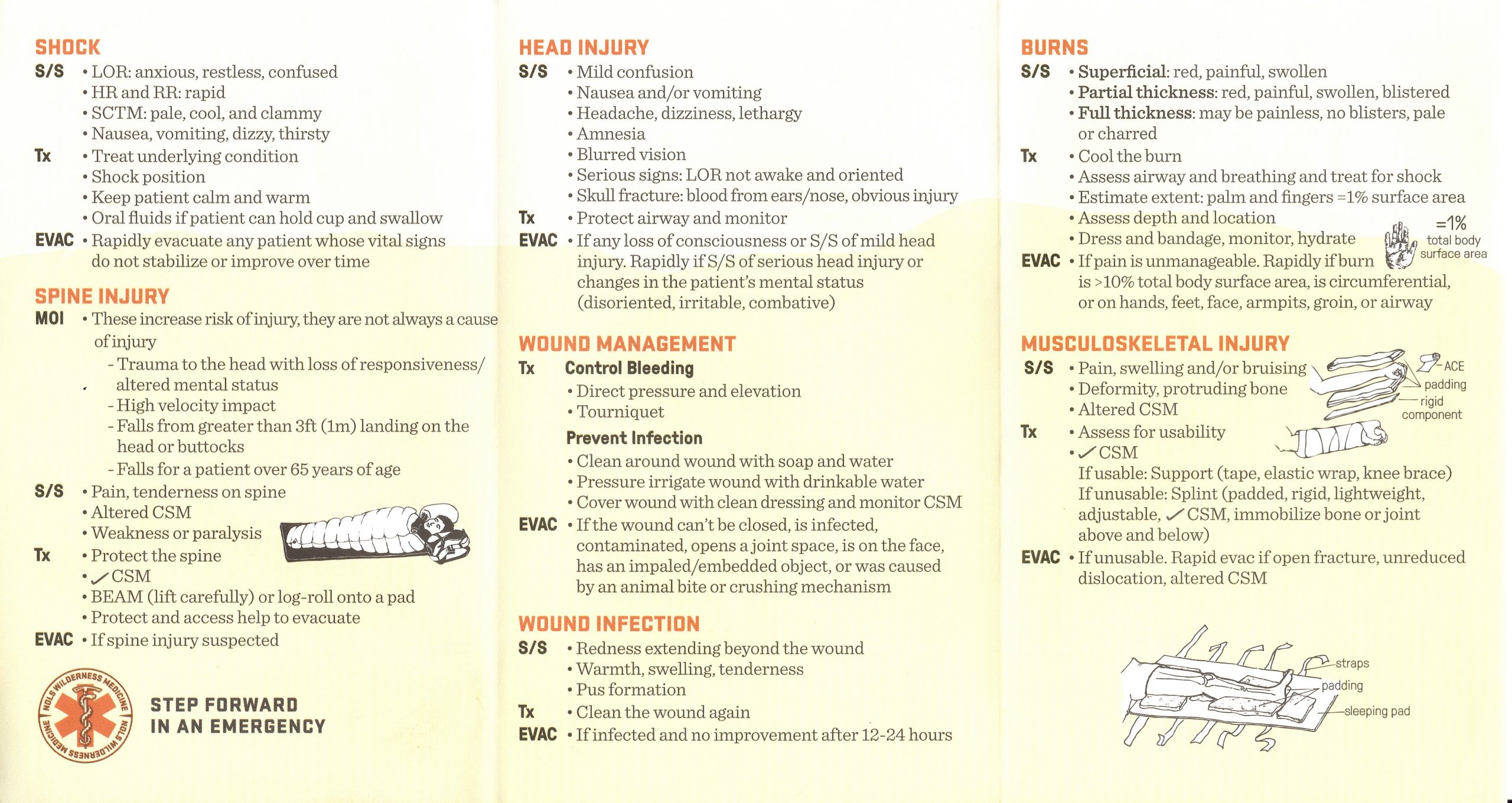
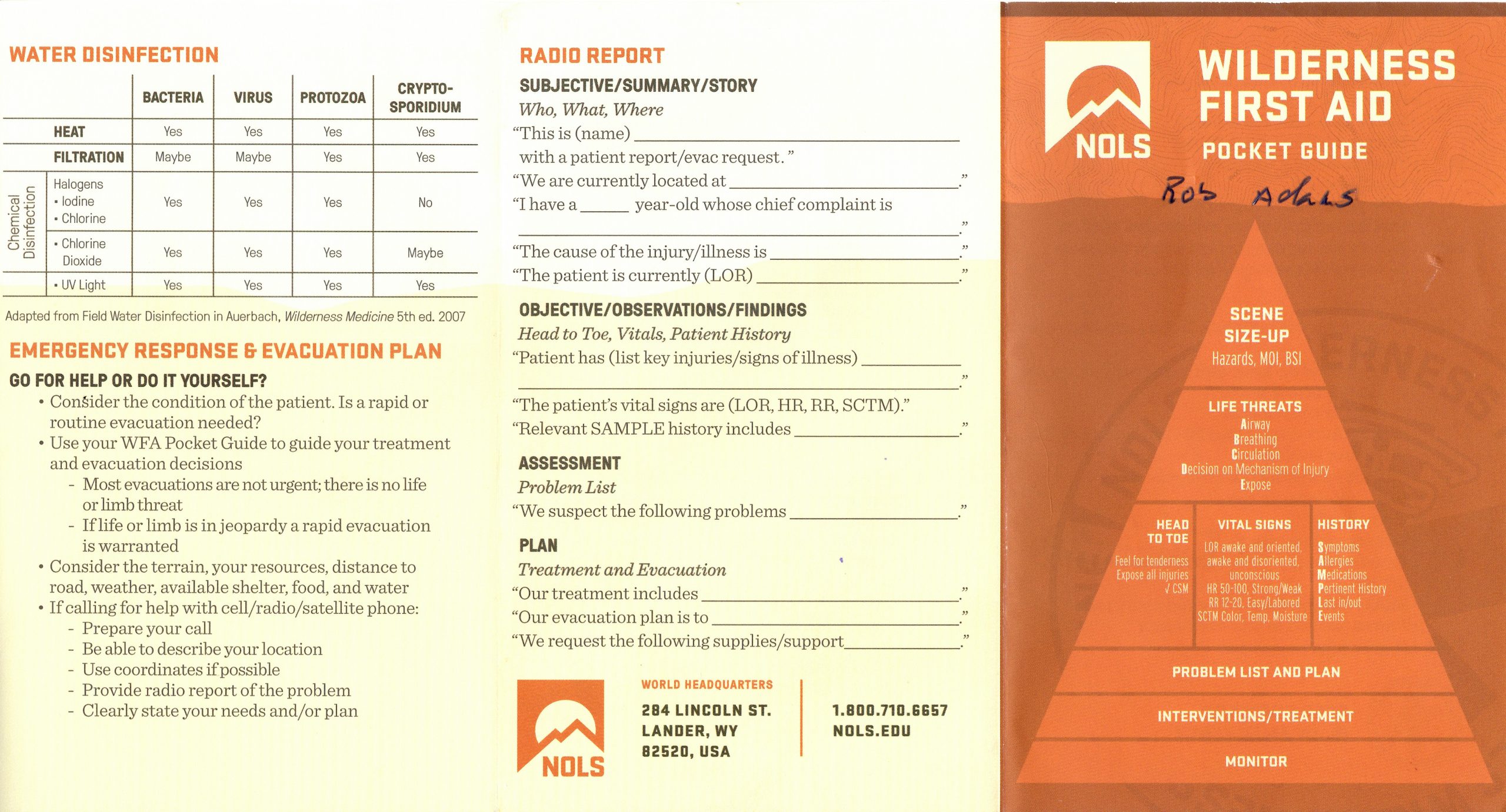
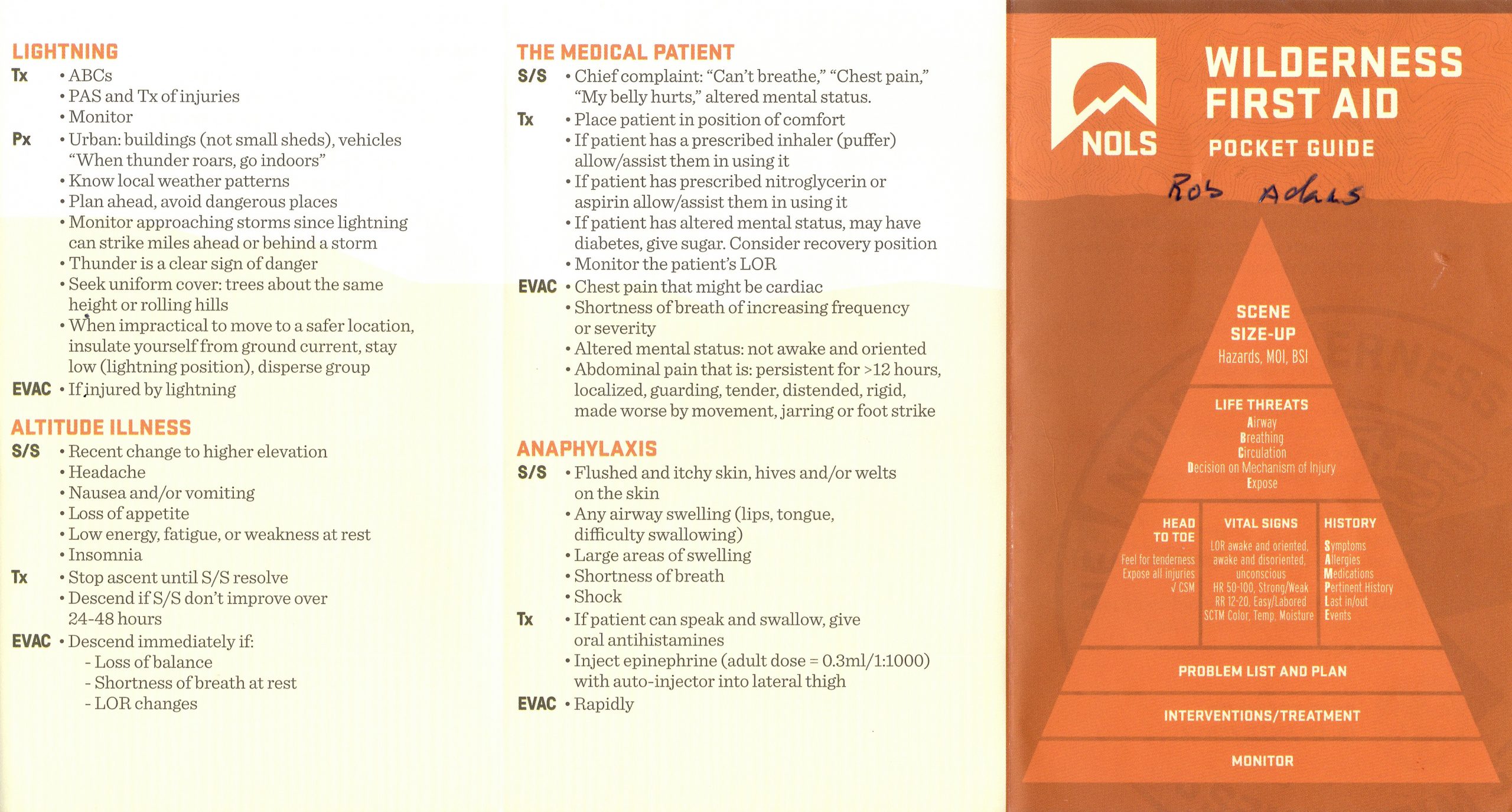
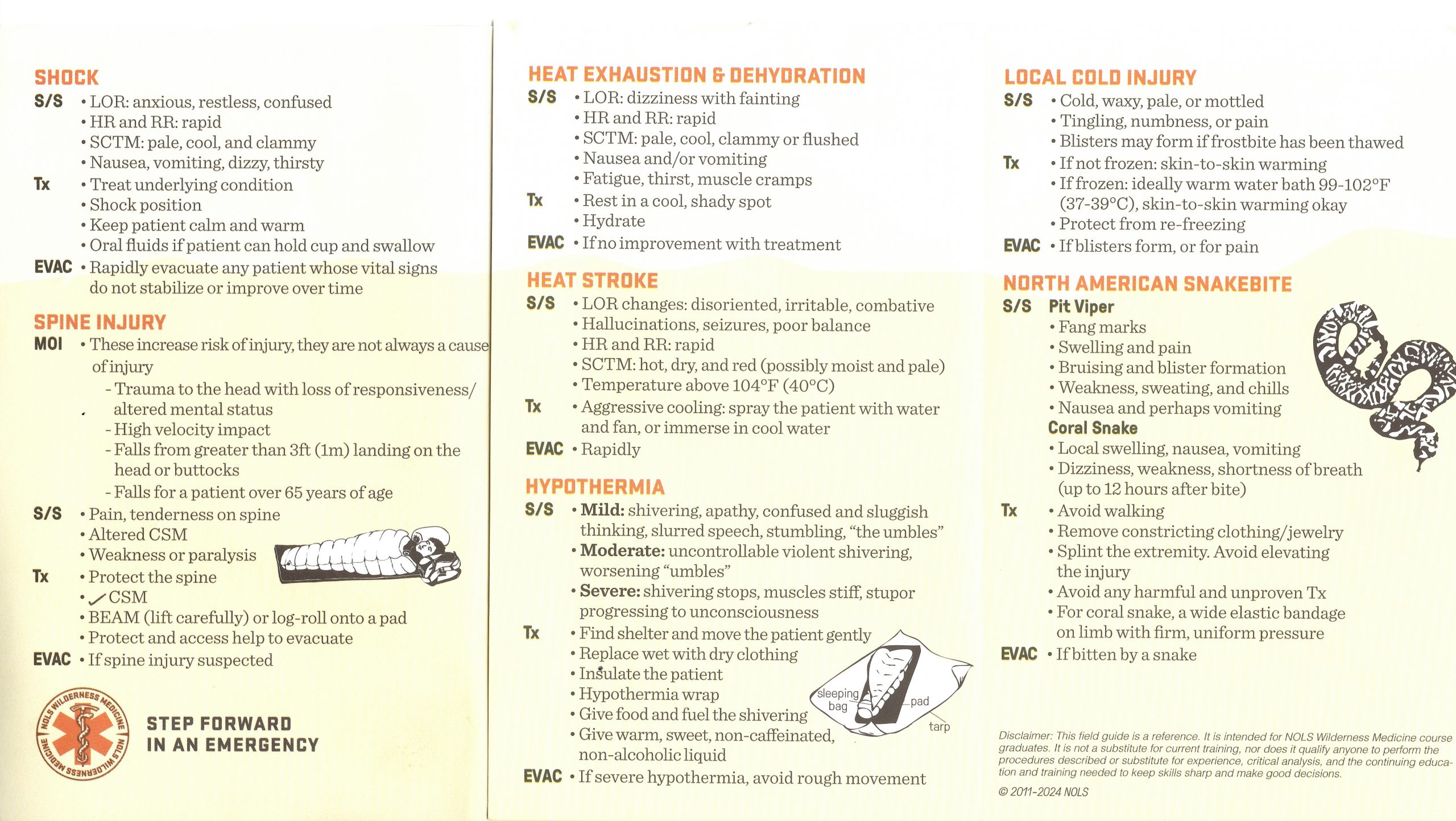
Wilderness First Aid

Handling, riding, and driving horses have a number of risks.

Riding has some inherent risks, as when mounted, the rider’s head may be up to 4 m (13 ft) from the ground, and the horse may travel at a speed of up to 65 km/h (40 mph).

 The injuries observed range from very minor injuries to fatalities. A recent study in Germany reported that the relative risk of injury from riding a horse, compared to riding a bicycle, was 9 times higher for adolescents and 5.6 times higher for younger children, but that riding a horse was less risky than riding a moped.


In Victoria, Australia, a search of state records found that equestrian sports had the third highest incidence of serious injury, after motor sports and power boating. In Greece, an analysis of a national registry estimated the incidence of equestrian injury to be 21 per 100,000 person-years for farming and equestrian sports combined. Other findings were that use of spurs may contribute to ankle fractures and dislocations, and helmets likely prevent traumatic brain injuries.


In the United States each year an estimated 30 million people ride horses, resulting in 50,000 emergency room visits (1 visit per 600 riders per year). A survey of 679 equestrians in Oregon, Washington, and Idaho estimated that at some time in their equestrian career one in five will be seriously injured, resulting in hospitalization, surgery, or long-term disability.


Among survey respondents, novice equestrians had an incidence of any injury that was threefold over intermediates, fivefold over advanced equestrians, and nearly eightfold over professionals. Approximately 100 hours of experience are required to achieve a substantial decline in the risk of injury.


Mechanisms of injury

 The most common mechanism of injury is falling from the horse, followed by being kicked, trampled, and bitten. About 3 out of 4 injuries are due to falling, broadly defined. A broad definition of falling often includes being crushed and being thrown from the horse, but when reported separately each of these mechanisms may be more common than being kicked.

 Types and severity of injury

 In Canada, a 10-year study of trauma center patients injured while riding reported that although 48% had suffered head injuries, only 9% of these riders had been wearing helmets at the time of their accident. Other injuries involved the chest (54%), abdomen (22%), and extremities (17%).

 A German study reported that injuries in horse riding are rare compared to other sports, but when they occur they are severe. Specifically, they found that 40% of horses riding injuries were fractures, and only 15% were sprains.

Furthermore the study noted that in Germany, one quarter of all sport related fatalities are caused by horse riding. Most horse related injuries are a result of falling from a horse, which is the cause of 60–80% of all such reported injuries.

Another common cause of injury is being kicked by a horse, which may cause skull fractures or severe trauma to the internal organs.


 Some possible injuries resulting from horse riding, with the percent indicating the amounts in relation to all injuries as reported by a New Zealand study, include:

 Arm fracture or dislocation (31%)

Head injury (21%)

Leg fracture or dislocation (15%)

Chest injury (8%)

 Riding in the Back Country


With the possibility of being injured very real, and the likely hood of being able to call 911 and have an EMT team arrive quickly very low, it is important that back country riders have training in First aid. 

The typical first aid course available is for urban environments.  All action plans start with “Is the accident scene safe?”, “Call 911″, “check for breathing”, etc. 

When riding in the back country, a different type of training is necessary.  It starts with the premises that help is 6 to 12 hours away and calling 911 is not the first step.

 Squaw Butte is fortunate to have as a member Dan Murphy, who has been a professional EMT and emergency responder and teacher.  Dan became certified to teach Wilderness First Aid for the “American Safety & Health Institute” in 2011 and in December lead a course for twelve of our members. 


 This sixteen hour course covered:

·                    Initial Assessment

·                    Physical Exam

·                    Vital Signs

·                    Shock Management

·                    Control of Bleeding

·                    Burn Care

·                    Assessing and Splinting Fractures

·                    Assessing and Treating Head & Spinal Injuries

·                    Environmental Hazards

·                    Biological hazards

·                    Wilderness first aid kits

 The course combined class room lectures and hands on training, with a heavy emphasis on what to do in typical situations that back country riders are likely to encounter in Idaho. 

While we strive to make our rides and events as safe as possible, it is nice to know that a number of our members have taken the time to be trained so if an injury does occur they know what to do, to help have a positive outcome.


Summer Pack Trips

While as a general rule,  Squaw Butte doesn’t schedule chapter pack trip as part of their yearly schedule,  members do get together and plan “private” trip into the various national forest and wilderness area throughout Idaho and nearby states.  The 2011 summer was no exception.  A number of trips were planned and taken.  Some of the members shared their adventures with the group while other kept their experiences as private memories. Two trips that were shared were a six day saunter into the south eastern portion of the Sawtooth Wilderness.  This trip started at the Grandjean trail head and followed the South Fork of the Payette river to it’s headwaters.  The group camped at two excellent horse camps located by Elk and Ardeth lakes.   A slide show video of this trip was posted on the  chapter page on Youtube.
Beaver Creek

A number of the female members of the chapter banded together in September for a long weekend trip into the Frank Church Wilderness.  Their experience, ranged from first timers to old hands.  They choose the Elk Meadows area just north of Bear Valley.  This area is known for its lush meadows, easy access to camp sites and a very pretty mountain lake.  Their adventures are shared in “Equines & Estrogen” and “Girls Gone Wilderness” and in a Youtube video slide show.

Next labor day the chapter is hosting a long weekend mini-pack trip in to the Big Basin area south east of Sun Valley.  More information about this upcoming trip will be posted in this blog in the future.

Kennelly Creek Trails - Payette NF

Kennally Creek Campground

Travel 10 miles south of McCall on Hwy 55 then 19 miles east on Paddy Flat Road (#388). There are eleven units/nine trailer units with drinking water from one centrally located hand pump, tables, fire pits, charcoal grills, handicapped accessible toilet, hitching rails and unloading ramp, pack in/pack out. Good trail access with no trailhead fee. There is a host at Paddy Flat Guard Station. Contact the McCall Ranger District at (208) 634-0400 for the most current information. There is a designated horse camping area, and a great overflow (no fee) area about 300 yards up the road from the campground.  Three trails are available from this trailhead.  Kennally Creek trail is a mostly level ride through big trees with a number of creek crossing that takes you to some small lakes if your willing to ride nine miles one way.  The needles trail is a pretty steady climb with some loose rocky sections but is rewarded with some great views at the summit.  The Black Mare trail starts with a short climb, followed by a very nice ride through big trees to Bill’s Lake.  From the lake the trail climbs quickly up the end of the canyon to a saddle.  The trail head is at 5600 feet, the saddle is at 7,900 feet and the last 1,500 is in less than a mile.  The view when you get to the top is of the South Fork of the salmon river canyon, and it is spectacular. This is an end of the road trail head and camp ground, with very little traffic and very nice facilities.  Loop pack trips are possible from this trail head, with a number of lakes and creeks to camp by.  We saw very little sign of game, it had rained a couple of days before we started riding and the only tracks we saw on the trails were our horses.

2010 Back Country Skills Day - Some reflections

2010 was the seventh year Squaw Butte has put on a public clinic.  The first time we held a clinic, Bill & Marybeth Conger organized a purely packing event that was well received by our members and a few guests.  Over the next couple of years the clinic was primarily a packing clinic with some added classes in Dutch oven cooking and meal planning added.  Year four we hoped to broaden the offering to draw in more guest by adding classes in first aid (human & stock), knots, and brought outside speakers in to help with the presentations.  This was the first year that Dr. David Hays spoke.  The packing aspect of the clinic became something you could do between presentation, and the clinic started to take on the feel of a multi ring circus.  Years five and six we tried to refine this approach with more presentation offering.

At the 2010 leadership meeting in January, we discussed what we had learned in seven years, what had worked, what didn’t.  A couple of things really stood out.  The first is March, the traditional month we held the clinic, weather was to unpredictable and most years it was cold, windy and often rained.  While the indoor arena provided some shelter, it still could be uncomfortable for our members and guest.  March was also before all the horse shows that BCHI has a booth at, so getting the word out was harder.  The second revelation was that the clinic had too many activates and presentations to fit into a single day.  It felt rushed and at time disorganized.  A decision was made to extend the clinic to a full weekend, to hold it in May and to divide the clinic up in to a presentation day and a hands on day.

Day one was to be a full day on interactive presentations with experts in various fields of interest to Back Country riders.  We choose the theme “Talk to the Experts” and Nancy Harper Schindele took on the responsibility of contacting presenters and organizing the days activates.  Day two we wanted to be completely hands on, with a return to our original packers clinic but we also wanted to pilot the forest services “Defensive Horsemanship” course that is very popular with chapters in the northern part of the state.  Phil Ryan contacted Dale Schrempp of the Priest River Valley BCH. Dale had been teaching the course for a number of year and was willing to help lead our pilot.  We quickly realized that the name was confusing  to our members and the public, so we modified it to “Safe Trail Riding / Defensive Horsemanship”  Rob Adams coordinated the Packing skills clinic.  We broke each clinic into two half day sessions so member and guest could attend both if they wanted, or spend more time refining skills and asking questions.

Saturday - Day 1:  Talk to the Experts (Presentations)

Camping with Stock - Marybeth and Bill Conger

Trail First Aid - When the vet is hours away - Joe Rumsey DMV

Idaho Stock Laws - That you need to know - Larry Hayhurst, Idaho State Brand Inspector

Recreation in the Boise Nation Forest -  Emmett Ranger District

The Mechanics of Movement - David Hays DMV

Healthy Hoofs - No Hoof, No Horse - Julie Mills Womack & Associates

Equine Dental Care - Justine Spencer

Saturday proved the old adage, that you can never count on Idaho spring weather, it was as cold and rainy as any March day. But, we had the indoor arena, everyone dressed warm and all who attended participated in a full day of excellent presentations that generated lively discussions and the exchange of a lot of valuable information.  The youth rodeo association of Idaho City provided an excellent lunch, and by the end of the day all who attended felt the day was a complete success.

Sunday - Day 2 ( Hands on clinics)

Sunday, the weather gods smiled on us some, the sun came out and the rain stopped.  The outdoor arena sand was so saturated with water, that it felt a bit like walking on quick sand, but that turned out to be a plus for the Safe Trail Riding clinic.  Phil and Dale had an excellent turnout for both the morning and afternoon sessions and all who participated talked about how worthwhile the clinic had been.  The packing clinic was also a complete success with thanks going to instructor / mentors Jake Lemon, Bill Conger, Ellen Knapp and Rob Adams.  We had a number of beginner and experienced packers who learned new skills or refined their technique.  We had a range of items to pack, and both horse and mules to practice on.  Lunch was provided by the 4H and was enjoyed by all.

The two day clinic format proved to be a good model for Squaw Butte.  Both days went smoothly, and didn’t have the rushed, often hectic feel of past clinics.  Attendees got the chance to talk at length to presenters and had the opportunity to practice hands on techniques until they were comfortable with them.  I am sure we will be refining the same model when we plan the 2011 Back Country Skills Days.

Wilderness Skills and Packing Clinic - August 2011

 At the November State Board meeting of Back Country Horsemen of Idaho, the idea of a week long Wilderness Skills and Packing clinic sponsored by the State organization and open to Forest service and members of Back Country Horsemen of America was presented.  All fifteen chapters approved the proposal with the Squaw Butte Chapter, Emmett Idaho taking the lead.  The proposed clinic will have a student population of around twenty five and we anticipate a staff of fifteen, for a total of forty people.  The clinic is planned to have students arrive on a Sunday, with classes starting Monday through the following Saturday.  We will be following a curriculum developed by Back Country Horsemen of Idaho which has been presented a number of times to Forest Service personnel in Idaho and a joining state.  The instructors are retired forest service employees and BCHI members,  who have many years of back country and packing experience.  We believe that the unimproved area of the Grandjean campground Sawtooth Ranger District would make a perfect venue for this course.  The nearby trails, generally easy access for people attending and the scenic nature of the area are likely to increase interest in this clinic.

Proposal

 The Squaw Butte Chapter of Backcountry Horseman of Idaho presents the following proposal to the state board of directors.
 
WHEREAS:  One of the prime mandates of Backcountry Horseman is providing educational opportunities for our members.
 
WHEREAS:  Opportunities for attending comprehensive multiday packing skills clinics are limited and can be expensive.
 
WHEREAS:  Backcountry Horseman of Idaho has a number of members with extensive packing experience and a developed curriculum for such a clinic.
 
BE IT PROPOSED:  That Backcountry Horseman of Idaho sponsor and hold a five day Wilderness Packing Clinic open to members of Backcountry Horseman of America. The first Wilderness Packing clinic will be held adjacent to the Sawtooth Wilderness at the Grandjean trail head and campground in August 2011.
 
Submitted to BCHI, Board of Directors
By the Squaw Butte Chapter, BCHI
Details of the Proposal:  Backcountry Horseman of Idaho Wilderness Packing Clinic BCHI host a five day wilderness packing clinic open to members of Backcountry Horseman of America. Attendees will at the end of the clinic be able to safely and confidently pack and transport a variety of loads from a trail head to a destination.  They will be able to travel and camp in the backcountry with minimum impact using LNT techniques, produce hearty meals and maintain healthy stock.
 
The BCHI mentors will guide the attendees through a curriculum that is both fun and comprehensive.  Some of the items covered will be:
 
            • The function and fitting of the pack saddle and its’ uses
            • How to make up loads that will ride
            • How and why to tie different hitches
            • How to safely lead a string of mules or horses
            • How to deal with hard to handle pack stock
            • “Leave no trace” methods of livestock camping
            • Basic back country first aid for livestock and humans
            • Backcountry meal planning and preparation
            • Traditions and history of packing in the in backcountry
 
Location:  This inaugural clinic will be held at the western gateway to the Sawtooth Wilderness at the Grandjean trail head and camp ground. This facility located in Boise National forest next to the head waters of the South Fork of the Payette River provides outstanding stock camping facilities, and is a perfect venue to learn the skills needed to pack into the Sawtooth Wilderness.
 
Time:  The clinic is planned for August of 2011
 
Costs:  There will be small fee for active members of Backcountry Horseman of America to attend this clinic required at registration, and certified weed free hay will be available for purchase.
 
What will be provided by BCHI: Training material, mentors, a variety of loads to train with and a rich history of packing experience to draw from: Community Meals will be provided. A very limited number of training pack stock will be available.
 
What Attendees need to provide: Camping gear for both trail head and a back country over night. Riding stock, pack stock if they have it and all required tack and stock containment for use at the trail head, and a high line for the over night.
—–

Squaw Butte has been working with the Stanley and Lowman Rangers on getting permits and permissions to hold this event.   We have been working with Liese Dean (Sawtooth) and David Erwin (Lowman) , and they has been guiding us through the process.  We also discussed the best time to hold this event, taking into account weather and visitor loading in the area.

Dates for Clinic (proposed)

Staff Arrival & Departure             Saturday Aug 13, 2011 (Arrival) - Sunday Aug 21, 2011 (Departure)

Students Arrival & Departure      Sunday Aug 14, 2011 (Arrival) - Saturday Aug 20, 2011 (Departure)

Primary Clinic Location -  Grandjean Campground and Trail Head, Overflow area  (Sawtooth Wilderness)

Secondary Location (fire or what ever)  Bear Valley, Elk Meadows, Trail Head (Frank Church)

Both of these locations are in the Stanley area, and are about 40 miles apart.

We are starting to work on the logistical planning, and will have details at the next State Board Meeting.

Clinic – Defensive Horsemanship

Defensive Horsemanship - Sunday  May 23, 2010 - Circle G River Ranch - 8:30 to 16:00 CONTACT: Phil Ryan projects@sbbchidaho.org 208 398-8993

Directions:  http://www.circlegriverranch.com

Defensive Horsemanship, a one day class, will be available to Free to BCHI & USFS Members, $30 to the general public. Dale Schrempp will be the lead instructor. Attendees are encouraged to bring their horses, but stock is not required.  Come be challenged and leave a safer and more confident horseman.  Lunch will be catered by the 4H as a fund raiser

     Online Sign-UP Form  http://sbbchidaho.org/html/event_form.html     

Advanced Sign Up is required to Attend this Clinic

Clinic - Basic & Advanced Stock Packing

Sunday  May  23, 2010 - Circle G River Ranch - 8:30 to 16:00 CONTACT: Rob Adams projects@sbbchidaho.org 208 584-3780 Directions: http://www.circlegriverranch.com/   

Sunday will be a totally hands-on day.   This clinic is free to  USFS & BCHI members, and $30 to the General Public.  Attendees are encouraged to bring their horses and pack stock and lots of questions. Online Sign-UP Form  http://sbbchidaho.org/html/event_form.html   Advanced Sign Up is required to attend this Clinic 

This full day is the perfect venue for the aspiring packer to learn the skill and tools to safely take their equipment and stock into the backcountry.  Experience packers will be able to fine tune and expand their skills.   

Participants will work with mentors at a number of skill stations.  Each station will work on a different skill and attendees will have the opportunity to work on the skills at their own pace. 

Advanced stations will have packing problems to challenge experienced packers and to improve their skills.   

Packing stock and equipment will be available for use by participants that do not have their own.   Please indicate if you have pack stock and equipment when you fill out the online sign-up form. Lunch will be catered by the 4H as a fun raiser. 

Calendar of Events:   http://www.my.calendars.net/sbbchidaho

 Squaw Butte BCHI    http://www.sbbchidaho.org

Cowboy Polo

On Thursday night a number of Squaw Butte members and friends attended the first Arena Night ride.  The facility, while still a work in progress had been freshly groomed and some new lights had just been installed.  There is a lot of parking for trailers, and Ms Nielson team had a grill going and some cowboy music playing.  Hamburgers, hot dogs and all the fixing were available and very tasty.

It was great to be in the saddle and Willow was full of winter energy.   After riding around a bit so he got use to the arena with it sights and sounds, we got out the brooms and ball and practiced swinging  the boom past our stocks head and seeing if we could even hit the ball.  It is a lot harder than you would think!  It didn’t take long before the stock got use to this activity, so we set up a couple of cone goals and split into teams.    That is when the laughter started and the fun began.  Both horse and rider worked up a good sweat! As we didn’t have enough old booms for all the riders, as player needed a break, new players entered the game.  We also determined that the old wood and straw brooms are more durable then the newer plastic head ones.  Duct Tape was utilized to put a couple of brooms back in service when the heads came off.

I think all who attended agree this first event was a great success, and are looking forward to attending next month.  We will be trying other horse games in the future, but I know I am looking forward to playing Cowboy Polo again.

Packers Play Day IV

Hosted by Squaw Butte Backcountry Horsemen

&

The Circle G River Ranch


October 17th, 2009


Location:  Circle G River Ranch, Emmett, Idaho

For directions

http://www.circlegriverranch.com/


First Event starts at 09:30 / ends 15:30


No cost to participate in events

Lunch $ donations accepted – 4H fund raiser


Lunch will be served at 12:30 and is being catered by the 4H

(Sloppy Joes, chips, cookies and soda / water)


This is a non competitive day of having fun with horses.  Results for times events will not be recorded, multiple runs will be available depending on time and number of participants.  ‘All skill levels’ of riders are encouraged to participate in any and all events.


Events are a mixture of traditional play day offering like pole bending and barrels, but also include musical chairs, 3 legged races, obstacle course and a number of other fun games on horseback.  If you have not attended a packer’s play day in the past you will find it a unique and fun experience for all ages of riders.


For more information email clinic@sbbchidaho.org

http://picasaweb.google.com/sbbchidaho2006/PackersFunDayCircleGRiverRanch#

http://picasaweb.google.com/sbbchidaho2007/PackersPlayDay#

http://picasaweb.google.com/sbbchidaho2008/PackersPlayDayIII#


Grandjean, Idaho

Description: 5400-foot elevation. 31 campsites near the border of the Sawtooth Wilderness. The Idaho Centennial Trail heads south along the Payette River, ultimately reaching a lush alpine paradise filled with lakes. Once in the lake area, you can complete the loop back to Grandjean. Fishing in the South Fork of the Payette. Sawtooth Lodge and swimming pool is one mile away. Natural hot springs 1.5 mile away. Horse trips out of the Sawtooth Lodge. Ten sites for horse campers. Campground is located in an old growth ponderosa pine forest.

Amenities: It’s a typical Forest Service campground, with an outhouse, drinking water, fire pits and picnic tables.

Season: late May – September

Reservations: NO

Fee: day use $5; camping $10 (Large no-fee area along the river perfect for horse camping)

Sawtooth National Recreation Area
Stanley Ranger Stanley
HC 64, Box 9900
StanleyID  83278

208-774-3000

Location: From Stanley, go 35 miles northwest and south on ID 21, then 7 miles east on Forest Road 524. Turn left on Forest Road 824 at the Sawtooth Lodge.

To travel to Grandjean is to journey into Idaho’s rugged heart and the epicenter of the state’s rich history of public land and forest management.

Grandjean is in the northwest corner of the Sawtooth National Recreation Area where ponderosa pines tower and the Sawtooth Mountains scrape the sky. In Grandjean, named for one of the state’s earliest foresters, time itself seems to slow.

Though less popular than Sawtooth Valley trailheads, it is a key access to the Sawtooth Wilderness Area. It is a place to hike, camp and ride horseback. It is a place to soak in the nearby Sacagawea Hot Springs. It is a place to fish the green, pristine waters of the South Fork of the Payette River as it tumbles northwest out of the towering Sawtooths.

Sawtooth National Recreation Area Special Uses Administrator Dave Fluetsch said the area is increasingly used as a wilderness access.

“One of the things that’s growing in popularity is that it’s an access to the wilderness area. I was there (recently), and the trailhead parking was completely full,” Fluetsch said. “You’ll see a lot of through hikers. Some people will meet in the middle (of the wilderness area) and trade car keys.”

Grandjean has a storied history that has been the subject of newspaper and magazine articles for 100 years. It is where one of the West’s most educated early forest rangers hung his hat for a spell. And that is where this story really begins. Before a colorful woman by the name of Babe Hansen opened a hunting lodge in Grandjean, the U.S. Forest Service occupied the area as a short-lived ranger station. Emile Grandjean, for whom the valley, a nearby mountain and a nearby creek are named, was one of the earliest supervisors of the Boise National Forest. He lived for a spell in a cabin he built

Grandjean, 74 at the time of his death in Caldwell, was born in Copenhagen, Denmark. He moved to Nebraska at the age of 17 and later moved to Idaho, first to the Wood River Valley and then to the Grandjean area in the late 1880s. Although he was a Dane, his name belies the country of his birth. His family was among the many Huguenots who fled France in the religious wars of the 17th century.

As a third-generation student of forestry in his native country, Grandjean was years ahead of the first Americans to receive formal academic training in the subject. When the Sawtooth National Forest was created in 1905, he finally had the opportunity to apply for the work for which he was educated. So rare were trained foresters in the West at the time that Grandjean was promoted to supervisor of the Sawtooth and Payette national forests after only a year of service.

In 1908, the 5.5 million-acre national forest was divided into the Sawtooth, Boise and Payette national forests. From it also emerged parts of the modern-day Lemhi and Challis national forests. Grandjean was named supervisor of the Boise National Forest, with headquarters in Boise.

Then and now, the Boise National Forest included the upper South Fork of the Payette River valley, where the hamlet of Grandjean is still nestled among tree-enshrouded ridges and the inspiring backdrop of the Sawtooths.

Although the Grandjean area has remained in public ownership, the way it is governed changed in 1972, when Congress established the 756,000-acre Sawtooth National Recreation Area, which includes three national forests, five Idaho counties and the headwaters of 10 Idaho rivers.  “The enabling legislation of the SNRA then provided direction of the management of the lands,” Fluetsch said.

According to Congress, the SNRA is to be managed so that “the conservation and development of scenic, natural, historic, pastoral, wildlife, and other values” are preserved. The enabling legislation continues to state that the use and disposal of natural resources like timber, grazing and mining “will not substantially impair the purposes for which the recreation area is established.”

And that, it appears, is what the managers of the Sawtooth National Recreation Area have done in the Grandjean area. It’s a place where history and recreation meld together like the ancient granite of the Sawtooth Batholith, which created the towering crags of the Sawtooth Mountains and Grandjean Peak.

Pictures of trips out of Grandjean:  http://picasaweb.google.com/sbbchidaho2006/SawtoothPackTrips#


Bull Trout Lake - 4th of July Weekend

Bull Trout Lake, Stanley Basin
Latitude: 44.2988 Longitude: -115.2532
Elevation: 6955 ft (2120 m)

Squaw Butte and High Desert chapters of Backcountry Horseman of Idaho will be spending the 4th of July weekend in the Stanley basin camping at the trail head near the Bull Trout Lake camp ground. Directions from Emmett are posted on the SBBCH website or at http://www.sbbchidaho.org/Directions_toBull_Trout_Lake.pdf. Pictures from previous trips are at http://picasaweb.google.com/sbbchidaho2007/BullTroutLake#

The chapters will be camping in the meadow near the trail heads on the south side of the access road. Horse water is near, and it is a short walk to the FS bathroom and a fresh water hand pump. This is a no fee area of the campground. Members will start arriving either Thursday night or Friday morning. Friday is get your camp set up and fun ride or fishing day. There are a number of trails that are available from Bull Trout Lake. On Saturday for those members interested a work party will be formed to work on removing down fall from the Gates Creek Trail [148]. For members not interested in the work party, a ride on the Pass Creek trail [148] towards the Cats lakes by Red Mountain or Dead Man Creek [147] is an option.

Map of Bull Trout Lake trails:  http://sbbchidaho.org/pdf/bull_trout_lake_trails.jpg

Meals:Breakfasts on Friday, Saturday and Sunday will be communal with members providing fixing like eggs, juice, melon etc. Dinners will be pot luck on Friday and Saturday night. Members should plan on providing one dish for one of the two dinners. Lunches are up to the members to provide for themselves.

Stock: There are good locations for setting up portable corrals as well as high lines. There is good access to water for you stock on the north side of the meadow. The trails in this area have some small bridge crossing. It is a good place to do bridge 101 if your stock has little experience with bridges.

On Sunday for members interested and assuming the trails are open for use (snow above 8,000 feet) an optional ride out of the Iron Creek Trail head to Sawtooth Lake is possible before making the drive home. http://sbbchidaho.org/pdf/Iron Creek Area.pdf  The trail to Sawtooth Lake is full of spectacular mountain scenery and is one of the most popular in the SRA. Bring your camera.

National Trails Day - Yellow Jacket TH, Near Warm Lake (Cascade)

Saturday/Sunday  June 6-7 2009

Project Leader- Rob Adams, projects@sbbchidaho.org or 208.584.3780   Directions:   Http://sbbchidaho.org\pdf\Yellow_Jacket_TH.pdf

Camping at the Hunters camp at the junction of Rice Creek Road and Stolley Road //  It will be marked and reserved.  Lots of parking for trailers, water for horses near.  Some old corrals, may not be in useable condition.

Three Projects:

1:    Rebuild foot bridge to Vulcan Hot Spring
Tools needed:  Hammers, power drills and bits, socket wrench set, wrecking bar / crowbar, shovels, polaski,  (Dan Fisher - Ranger will be crew chief on this project)

2.    Remove old dam from the hot springs,
Plan on getting wet:  Wrecking Bars to remove dam, springs has silted up due to fire.

3.    Trail rehab crew //  Standard trail project.  Yellow Jacket trail or Telephone Ridge trail possible.

Most members will travel friday night and camp at the trailhead.  Breakfast Saturday morning, work parties start at 09:00.  Provide your own lunch.  Potluck  Dinner Saturday.  Breakfast Sunday.   Plan on a halfday fun ride Sunday.

Jubilee Park - New Place to ride in Canyon County

Canyon County’s newest park is located at the west terminus of Missouri Avenue.  Bring your horse and ride “Jubilee Park”
http://sbbchidaho.org/pdf/jubilee_park.pdf

What is an ownership and transportation certificate, also known as a lifetime certificate? “Horse Passport”

The “Lifetime” certificate may only be issued on horses, mules and asses. It has no restrictions, and may be used to travel nationwide (including Montana). It may also be used for slaughter, sale or trade.  Ownership and transportation certificates, also known as lifetime certificates for any horse, mule or ass shall be valid so long as the animal remains within the ownership of the person to whom the certificate was issued. The ownership and transportation or “lifetime” certificate is not transferable.   Call your district brand inspector. If you do not know who the local inspector is, call the State Brand Inspector’s Office in Meridian. In state toll free: 1-800-772-8442 or local number 884-7070.

Talked to Joel  Miesbach,  208-278-5462,  regarding the brand inspection.  He wanted me to emphasis that ”if the horse is registered”, he will require that the papers have the transfer of ownership indicated on the papers in order to permit the lifetime inspection.

The Inspector needs payment by cash or check at the time of the transaction.
Credit cards are not acceptable.

Backcountry Skills Clinic 2009

Backcountry Skills Clinic-Saturday, March 21, 2009 -Circle G Ranch
07:30 - 08:30    Registration & Coffee / Tea / Hot Chocolate

PRESENTATIONS: Main Barn – Indoor Arena (unheated)

Start   Time    Presentation
08:30    5 Min   Welcome & BCHI Information
08:35   55      Packing Equipment (what we take and why)
09:30   30      Idaho Brand Inspector (what you need to know)
10:00   45      Wilderness First Responders (911 is not an option)
10:45   60      From you’re horse point of view (David Hayes)
13:00   60      Building a Safe Trail Horse  (Shannon Allison)
14:00    30      Trailer Safety    (Hauling your friend safely)

Visit our Library of backcountry information at http://www.sbbch.org

(Workshops) HANDS ON AREA: 10:00 to 16:00
Useful Knots and Hitches
Securing your stock in the backcountry
Minimum Impact camping Techniques
Evaluating your horses hooves (Ms Smith & Ms Hart)

Stock Packing & Load Building    (Packing Team)
Pack Saddles (Types & Fitting)
Packing Boxes and Bags (Keeping Packing Simple)
Packing manties & advanced loads (Packing Techniques)

Lunch is being catered by the Members of the local 4H, as a fund raiser.

Donations will be happily accepted.

Featured Presenters:

Dr. David Hayes: Idaho State Veterinarian.  David’s special professional interests are equine reproduction, lameness, and dentistry. His personal interests are horse training, rodeo, and mountain experiences. Dr. Hayes has presented at a number of our skills clinic and we are looking forward to having him present again this year.

Larry Hayhurst:  Idaho State Brand Inspector has presented at a number of our skills clinics and his presentations always generate a lot of questions and interest.

Shannon Allison has been training horses for the past 20 years.  He has been working for the Simplot Livestock Company in Grand View Idaho for the last 10 years, getting “Real World” horses like yours ready for “Real World” situations.

Packers Play Day

Packers Play Day III
Hosted by Squaw Backcountry Horsemen
&
The Circle G River Ranch

Location: Circle G River Ranch, Emmett

First Event starts at 09:30 / ends 15:30
No cost to participate, Lunch $ donations accepted.

Lunch will be served at 12:30 “4H will be catering the Lunch as a fund raiser”
(Sloppy Joes, chips, cookies and soda / water)

This is a non completive day of having fun with horses. Results for times events will not be recorded, multiple runs will be available depending on time and number of participants. All skill levels of riders are encouraged to participate in any and all events

Event Order
1. Pole Bending (traditional)
2. 4 Leaf Clover {new}
3. Pole bending leading pack horse {new}
4. 12 Pole (Lace Up) {new}
5. 12 Pole (Ultra Lace Up) {new}
6.  Ring Run (like action shooting, sort of) {new}
7. Barrel Race (traditional)
8. Barrels & Balls {new}
9. Egg & Spoon Ride
10. Tire Drag {new}
11. Lunch Break
12. Walk & Trot Race
13. Walk, Trot & Lope Race
14. Musical Chairs
15. Packers maze & obstacle course

All Participants must sign a Circle G River Ranch release form.

Public Lands - September 2008 Comment Period

Cascade Ranger District - Proposed action Report (pdf)

See page one for instructions on how to comment on this proposed action report.

A loop ride on West Mountain (Wilson Corral & Gabe’s Peak)

If your interested in a nice ride up West mountain with interesting trails and nice views I can recommend that you make a loop ride out of the Wilson Corral trail [TR135] and the Gabes Peak trail [TR136]. Truck / Trailer parking can be either at the Wilson Corral trail head or Rammage Meadows camp ground where the Gabes Peak trail head is located. I recommend you ride up [TR135] and down [TR136] but either way works nicely.   The Gabes Peak trail has some climbs that make it slow going up.

Wilson Corral trail follows a creek in tall timber for the first couple of miles and then crosses a string of meadows ending up north west of the Radar Dome on Snow Bank mountain. In the meadows the trail gets quite indistinct, as cattle summers graze this area. You will see trees marked, and rock carrions. Continue up the meadows until you can not go any higher without dropping down into a small valley, around 7400 feet.

Look to your right and you will see a small meadow down through the trees and a rocky hillside between you and the radar dome. The trail heads down the hill through the trees into the north end of this meadow. You really don’t want to cross the rocky slope as the going is dangerous on very loose rocks. A nice place to give your horses a drink is located in this meadow.

From here the trail heads south and is easy to follow. You continue south along this grassy valley until you come to a line shack. At this shack, the Gabe’s Peak trail branches off to the right. The trail go left of some large rocks and works it’s way along a south facing slope into a series of meadows along a ridge. Stay in these meadows and on the crest of the ridge and you will have little trouble following the trail. The trail leaves this ridge on the north side and works its way through some large timber coming out on an old logging road. Follow this road to Rammage Meadows. Robbin, his grandson Al, and I rode this loop trail easily on a Saturday leaving the trail head around 10:00 and being back at camp in time for cocktails. This assumes that trail maintenance has been performed prior to making this ride, else it will take a bit longer.

Lightning Ridge

The Lightning Ridge trail is a 13.5 mile ride between Deadwood Reservoir and Forest Service road NF-611 (Lightning ridge road) in Garden valley.  Linda Hays and I rode some of this trail from the west, Garden Valley end.  The one lane road to the trail head is in very good shape, and the parking for trailers is limited, so this is not a good chapter ride.  But for small groups, of not more then maybe 4 trailers this trail offers one of Idaho’s best ridge rides.  This is not a ride for people or horses that don’t like to climb and are not comfortable riding on a hill side, as this trail has both.  It also has some wonderful granite rock formations and great views of Scott Mountain, Onion Valley, Garden Valley and the surrounding mountains.  During our ride the wild flowers were doing their best to cover the hillsides.  The west end of this trail is dry, not crossing any streams and the section we rode did not have a lot of shade.  On our trail scale of 1 to 5 with one being a flat dirt road and 5 being OMG, this is a 3.5

4th of July - Beginning Pack Trip

Squaw Butte BCH 4th of July Pack Trip
During the three day weekend of July 4th Squaw Butte BCHI will be hosting a beginner level pack trip for members and their families. This is the perfect opportunity to experience a backcountry trip and to put into practice some of the skills you were introduced to at the Backcountry Skills Clinic in March. The trip is to the Corduroy Meadows area of the Frank Church Wilderness. This is an easy trailhead to drive to, and a very easy area to pack into. The plan is to pack into a base camp that is an easy 90 minute ride from the trail head. From this base camp there are a number of day rides to explore this beautiful country. Our trailhead is the North Fork of Elk Creek [34] and we will ride north on trail [005]. Our base camp is located in the “UR” area of “Corduroy” just south of Porter Creek and west of Elk Creek. This is an easy ride of just over three miles. Our chosen camping area has a good location for stock and a separate area for tents and the kitchen. There is good access to water and grass for the stock. If this area is taken, there are a number of other spots in the area that will work also.

Planned Schedule:

Friday: July 4th
Travel to trail head, pack-in and set up camp. We will be riding and packing in twice – once at 10 AM and again at 1 PM. Opportunities to day ride and start exploring area. Tasty Dutch oven dinner. Quality time around the camp fire to get to know each other better.

Saturday: July 5th
Hardy Breakfast, day ride to Bernard Lake. This will be the only opportunity to fish, as fishing is not allowed in either Porter or Elk Creeks. Bernard is a beautiful mountain lake and a great place to enjoy lunch. Delicious Dutch oven Dinner, more quality time around the camp fire.

Sunday: July 6th
Rib sticking breakfast, break camp, opportunity to take a morning ride, pack-out, return to our homes.

Who should come on this trip?
Anyone who is interested in learning minimum impact backcountry camping techniques and would love to safely explore a unique section of Idaho’s backcountry. If you have pack stock and would like to improve your skills, or like a little mentoring, this is the perfect trip. If you don’t have pack stock, that’s ok, our members with pack stock will make sure your duffel makes it from the trail head to the base camp and back to the trail head at the end of the trip. This is a hands-on trip with everyone expected to lend a hand. If you want a catered trip, contact an outfitter. It is highly recommended that members who plan on going on this trip take time to watch the “Horse Sense” DVD that was part of the package at the clinic. If you didn’t get a copy, and would like one,
contact Rob Adams.

Requirements:

You need to bring your own riding horse, and personal gear. A suggested list will be available on the website in .PDF format. If you do not have pack stock, your duffel, with personal items, and sleeping gear has a 30 pound limit. You will need to bring your own lunches. Bear safe storage will be available for your lunches, snacks, and toiletries when in camp. Friday dinner, Saturday breakfast and dinner and Sunday breakfast are group and will be provided. A small fee to help cover the cost of the food will be collected with your trip registration. When you’re packing, think light weight, but also variable weather conditions. Nothing ruins a trip faster than being wet and cold.

To help us plan for this trip, to make sure we have enough stock, food and marshmallows everyone who is going must fill out a trip registration form and have it and your check – payable to SBBCH - for food mailed to Squaw Butte BCH, 2790 E. Black Canyon Hwy, Emmett, ID 83617 by June 22nd. Questions about this trip can be emailed to Projects@sbbchidaho.org

Sally Schindele (remembering a friend)

Pictures of Sally 

I meet Sally and Robbin Schindele on a 4th of July pack trip that Squaw Butte was hosting in Elk Meadows of the Frank Church Wilderness. I noticed the man on the big paint horse and a woman with a big smile on a flashy mule while packing the members in. I didn’t get a chance to talk to them during the day but around the campfire found out they were from the mid-west, into sailboats and had lately moved to Idaho to start a new adventure. A history very similar to Linda’s and mine. Since that first meeting we have shared a lot of camp fires and trails together. In the years I have known Sally; we have ridden a lot of great trails, eaten some excellent meals, and skied many runs. I never heard her complain, to not step forward when something needed to be done, or not have a smile or a welcoming word. After a long hard day on the trail, she was the first to step forward wanting to help get dinner ready, or to get the cool drinks and snacks out. While Sally was not a strong rider, she was a very game one, willing to follow someone she trusted on trails that contained some real “Kodak Moments”. During Sally membership in Squaw Butte, she held a number of positions of responsibility, both elected and on committees, if she said she would do a job, it was done, and done well. I will miss my friend, her smile, her wit and her enthusiasm for the mountains and the back country.

Devil’s Slide Project - June 7th - Peace Creek area

This project will be a nice ride to the work site and back with the project work itself boots on the ground. We in concert with the Emmett ranger district and some other volunteer’s are going to re-route a section of this trail from off a very steep ridge into a series of switch backs. The problem with the current trail is erosion and currently installed water bars just made the problem worse. Plan on a few hours with shovel and pick. We will have pack horses to carry the tools, but you should bring your favorite shovel. We will be setting up high lines at the work site for the stock while we work. Directions to Peace Creek Trailhead

Wapati Meadow Ranch - Trail Project June 21-22

This project is to open four trails in the Johnson Creek and Riordan Lake areas. Assuming we have enough members to have four crews, each with a chain saws and other required equipment. All trails were impacted by last years fires, and may have their access limited by late snow and or mud. Wapiti Meadows Ranch will be providing tent camping / camper space, and areas to set up high lines or portable corrals and access to stock water. The chapter will be providing weed free hay for the weekend. Wapiti Meadows Ranch will be providing Saturday and Sunday breakfast and Saturdays dinner. Friday dinner is a chapter provided BBQ, members will provide their own lunches. To attend a “Wapiti Meadows Trip Registration Form” must be filled out and sent in no later then June 5th, 2008 This is going to be a great trip, don’t miss it! Directions to Wapati Meadows South Fork / Johnson Creek Area Map / Wapiti Meadows trip Registration / Directions to Wapati Meadows via Landmark

Memorial Weekend Horse Camping - Big Willow Creek May 24-25

I am planning on driving up to Big Willow Creek to camp on Friday night, camping Friday & Saturday, doing the Saturday ride in the wild horse area, and the Sunday ride at Sheep creek. This is a very flexible trip due to it’s short distance from Emmett. Members can camp and ride, or just day ride. Members who choose to day ride on Saturday, should also plan on sharing the pot luck dinner,  before heading back to the homestead. Rides on both Saturday and Sunday will start at 10:00

Information: http://www.sbbchidaho.org/pdf/0805MemorialWeekendHorseCampingTrip.pdf

Directions to Big Willow Creek: http://www.sbbchidaho.org/Directions_to_the_4_Mile_Horse_Management_Area.pdf

Directions to Sheep Creek: http://www.sbbchidaho.org/Directions_to_sheep_creek_camping.pdf

Wilson Creek South Loop

Our Saturday April 26th ride to the Wilson Creek / Hard Trigger area was one of the better I have been on in this area. The canyon that trail [w100] passes through and water crossings were a perfect spring tuneup. Great weather also.  Last year the BLM did a major improvement of the parking area at Wilson Creek, including installing bathrooms, this is now first rate facility.  They also added a number of trail signs so it is much easier to navigate the array of great trails in the area.

Backcountry Skills Clinic - Making it better

This year’s clinic went very well, but it can always be better.  Please talk a few minutes and think about your experience at the clinic.  Please think about each presentation you attended.    Were they in the best order?  If you had been scheduling the day how would you have done it? Were they the right length [time].  Most were around 30 minutes, was that enough time?

What presentations would you like to see that were not done this year?
Was there enough information on packing and back country travel and camping?
Did you feel the hands on mentoring worked, or would more structured demonstrations and maybe classes have been better?

Handouts:  Have you had a chance to view the DVD?  Did you feel it has value?  Have you had a change to look at any of the material on the CD? Do you feel that this is a good way to provide material, or would you have preferred a notebook full of printed material?

Should we continue to have featured presenters like Dr. David Hayes?  Did his “One Step Horsemanship” fit into the rest of the clinic structure, or would it have been better in a different venue?

Packing Equipment (what we take)     (Bill & Marybeth)
Idaho Brand Inspector                          (Larry Hayhurst)
First Responders                                     (Sally & Tammy

One Step Horsemanship                        (Dr. David Hayes)

Lunch (quality & quantity)          (Lunch Team)
Saddles & Equipment                    (Mike Becker)

Trailer Safety                                 (Mike Quality Trailer)

Trail first Aid - Stock                     (Joanne, Bob & Erika)

BLM Wild Horse Program            (BLM)

Opportunities in Boise NF           (Emmett Rangers)

Dutch oven cooking                     (Ralph & Trudy)
Meal Planning - Trail head & Back Country (Marybeth)

Packing Demo’s and Mentoring  (Packing Team)

|